
🧭 What to Expect
- Ideal for a weekend of Renaissance art and history in a compact UNESCO historic center.
- Highlights: over 500 rooms of the Ducal Palace, Giulio Romano's frescoes at Palazzo Te, and the Albertian architecture of the Basilica of Sant'Andrea.
- Unique experience: atmosphere suspended between the three lakes and monuments, with walking or cycling routes.
- Includes interactive maps to locate all 15 described places, from San Giorgio Castle to Torre degli Zuccaro.
Events nearby


Mantua welcomes you with its Renaissance atmosphere, nestled between the three lakes that make it unique. The historic center has been a UNESCO World Heritage site since 2008, a well-deserved recognition for its concentration of architectural masterpieces. Strolling through the medieval squares, you'll feel as if you've stepped back in time to when the Gonzaga family ruled this small cultural capital. The Ducal Palace dominates the skyline with its 500 rooms, while Palazzo Te amazes with Giulio Romano's frescoes. The Basilica of Sant'Andrea is a jewel of Renaissance architecture that houses the relics of the Most Precious Blood. The Mincio, Middle, and Superior Lakes create a special atmosphere, making Mantua a city on water to explore on foot or by bicycle.
Overview
- Ducal Palace
- Palazzo Te: The Gonzaga's Villa of Delights
- Basilica of Sant'Andrea
- Castle of San Giorgio
- Mantegna's House
- Palatine Basilica of Saint Barbara
- Bibiena Theater
- Church of San Sebastiano
- Church of San Francesco
- Castiglioni Palace
- Former Church of Santa Maria della Vittoria
- The Cage Tower
- Palace of Studies
- Acerbi Palace
- Zuccaro Tower
Itineraries nearby
Ducal Palace
- Go to the page: Ducal Palace Mantua: 500 Rooms Including the Bridal Chamber and the Cavallerizza Courtyard
- Piazza Santa Barbara, Mantova (MN)
- Open in Google Maps
- View on Google Images
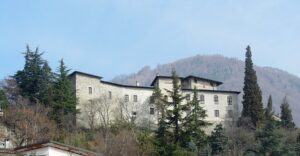
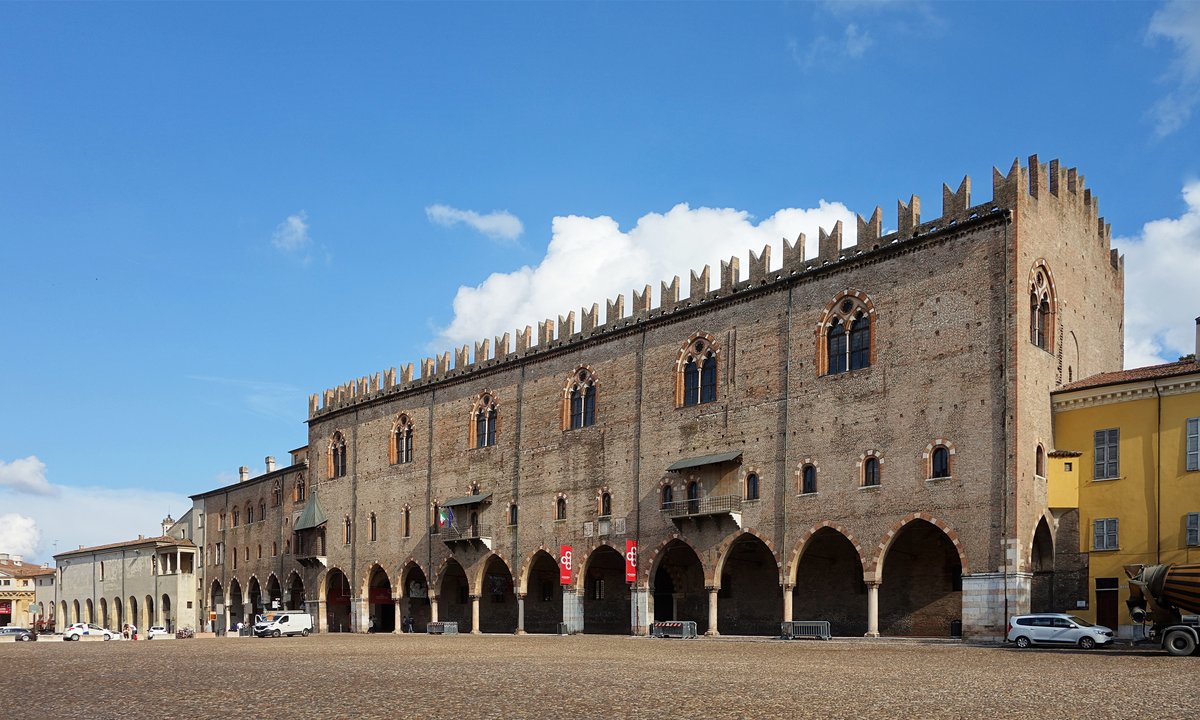 The Ducal Palace of Mantua is not just a palace, but a veritable city within a city. With its 34,000 square meters of surface area and over 500 rooms, it represents one of the largest residential complexes in Europe. Here the Gonzagas ruled for almost four centuries, leaving an indelible mark on art and architecture. The visit begins at the Castle of San Giorgio, the oldest part of the complex, where the famous Bridal Chamber by Andrea Mantegna is located. This masterpiece of the Italian Renaissance will leave you breathless with its perspective illusionism and portraits of the Gonzaga family. Crossing the internal courtyards, you'll discover a succession of spaces that tell centuries of history: from reception halls to private apartments, from galleries to chapels. Don't miss the Palatine Basilica of Santa Barbara, the court church where the Gonzagas celebrated religious functions, and the apartments of Isabella d'Este, one of the most educated women of the Renaissance. The palace also houses important art collections, including Flemish tapestries and paintings by Pisanello. The visit requires at least two hours, but if you're an art enthusiast, you could spend half a day there. Remember that to access the Bridal Chamber, advance booking is required, especially on weekends and during high season.
Palazzo Te: The Gonzaga's Villa of Delights
- Go to the page: Palazzo Te: Giulio Romano's Mythological Frescoes and the Hall of the Giants
- Viale Te, Mantova (MN)
- http://www.palazzote.it/
- Open in Google Maps
- View on Google Images
 Palazzo Te is one of Mantua's Renaissance jewels, commissioned by Federico II Gonzaga as a residence for leisure and representation. Designed by Giulio Romano between 1524 and 1534, this building perfectly embodies the Mannerist style with its bold architectural solutions and extraordinary painting cycles. The visit begins in the Courtyard of Honour, where you can admire the rusticated columns and windows with broken pediments that foreshadow the interior wonders. The Hall of the Giants is the most spectacular room: a masterpiece of optical illusion that completely envelops visitors with the fresco of the Fall of the Giants. The mythological figures seem to emerge from the walls in a whirlwind of drama that leaves you breathless. Don't miss the Hall of Love and Psyche with its sensual mythological scenes, commissioned to celebrate the duke's love for Isabella Boschetti. The Hall of the Horses pays homage to the Gonzaga family's favorite steeds with life-size portraits that demonstrate the painting mastery of the era. The palace stands on what was once an island surrounded by a lake, transformed into a place of delights where the Gonzagas hosted illustrious guests and organized lavish parties. Today it can be comfortably visited in about an hour and a half, focusing on the main rooms. I recommend booking online to avoid queues, especially on weekends.
Basilica of Sant'Andrea
- Go to the page: Basilica of Sant'Andrea Mantua: Alberti's Renaissance masterpiece housing the relic of Christ's Blood
- Piazza Mantegna, Mantova (MN)
- Open in Google Maps
- View on Google Images
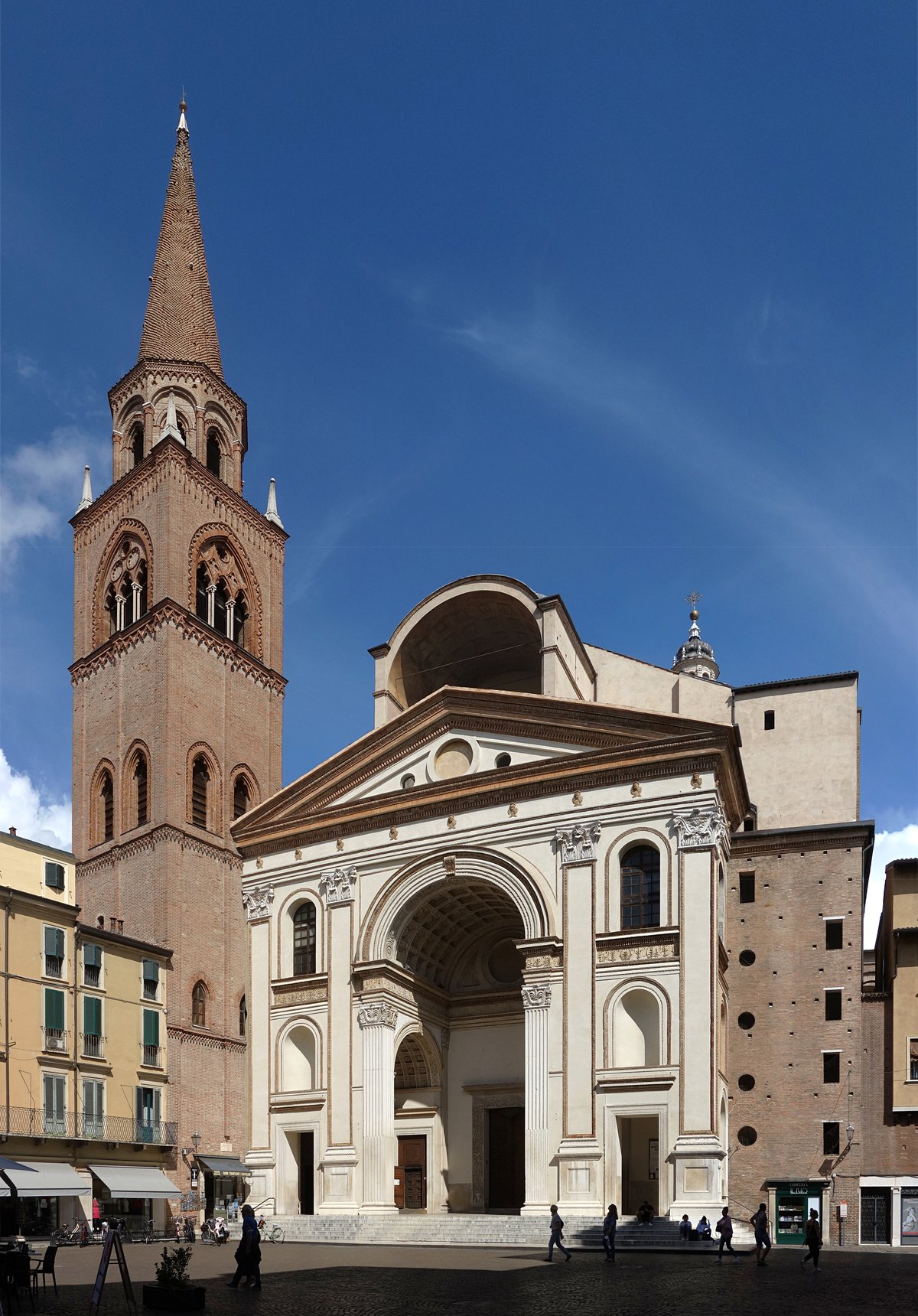 The Basilica of Sant'Andrea is one of Mantua's architectural gems that you absolutely cannot miss. Designed by Leon Battista Alberti in the 15th century, this basilica represents one of the most important examples of Renaissance architecture in Italy. The white marble facade will immediately strike you with its elegance and harmonious proportions.
Upon entering, you'll be captivated by the majesty of the single-nave interior, designed to create an effect of grandeur. The dome, added later by Filippo Juvarra in the 18th century, magnificently completes Alberti's work. But the true treasure of the basilica is the Chapel of the Sacred Vase, where the relic of the Most Precious Blood of Christ is kept, brought to Mantua according to tradition by Longinus.
Don't miss the opportunity to admire the frescoes by Correggio and other Mantuan artists that decorate the side chapels. The basilica also houses the remains of Andrea Mantegna, one of the greatest artists of the Italian Renaissance. Admission is free, but I recommend checking the opening hours as they may vary depending on religious celebrations.
Castle of San Giorgio
- Go to the page: San Giorgio Castle: The Bridal Chamber and Pisanello's Frescoes in Mantua
- Passeggiata Maria Teresa d'Austria, Mantova (MN)
- Open in Google Maps
- View on Google Images
 The Castle of San Giorgio is the fortified heart of the Ducal Palace of Mantua, built between 1395 and 1406 at the behest of Francesco I Gonzaga. This imposing square-plan building with four corner towers dominates the city skyline, overlooking the Lower Lake directly. Its original function was purely defensive, but the Gonzaga family soon transformed it into an elegant noble residence. Today, the castle is famous above all for housing on the first floor the Bridal Chamber, the absolute masterpiece of Andrea Mantegna. The room, entirely frescoed between 1465 and 1474, represents one of the highest expressions of the Italian Renaissance. The frescoes depict the Gonzaga court in scenes of daily life and official ceremonies, with the famous illusionistic oculus on the ceiling that seems to open up to the sky. When visiting the castle, you also walk through the rooms adjacent to the Bridal Chamber, including the Dwarfs' Apartment and the rooms that still preserve traces of the ancient frescoes. The strategic location of the castle, directly connected to the Ducal Palace, allows you to easily imagine how the Gonzaga controlled the entire city from the top of its towers. Access is included in the Ducal Palace ticket, so it's worth dedicating at least an hour to the complete visit of this architectural gem.
Mantegna's House
- Via Giovanni Acerbi 47, Mantova (MN)
- http://www.casadelmantegna.it/
- Open in Google Maps
- View on Google Images
- +39 0376 360506
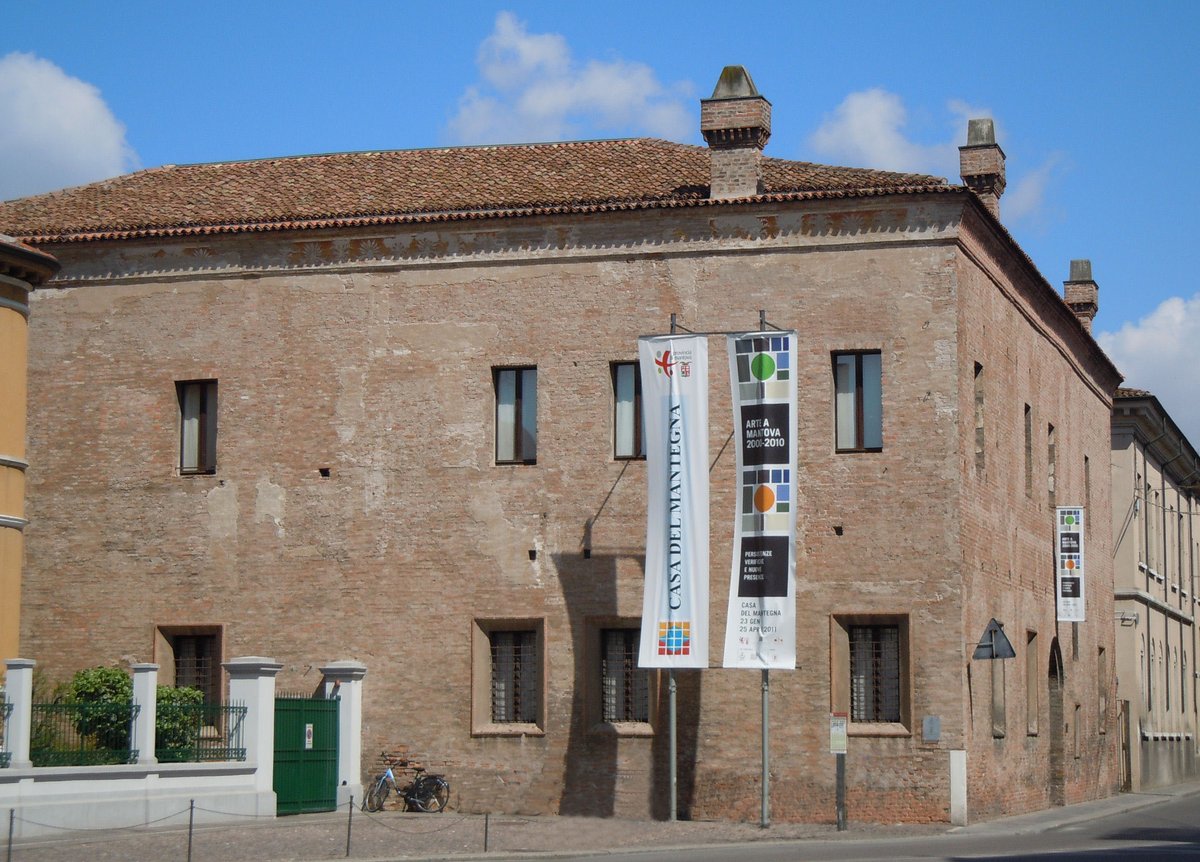 If you're in Mantua, you can't miss Mantegna's House, the home that the famous Renaissance painter had built for himself between 1476 and 1496. This building is a true architectural gem, designed by Mantegna himself, who lived and worked here for over twenty years. The structure stands out for its square floor plan with a circular courtyard at its center, an extraordinary innovation for the time that reflects the artist's passion for geometry and harmony. Today, the house is not only a historical monument but also a vibrant cultural center hosting temporary exhibitions, events, and contemporary installations. Inside, you can admire the original spaces, such as the studio where Mantegna conceived some of his most famous works, including the frescoes for the Camera degli Sposi in the Ducal Palace. The inner courtyard, with its play of light and shadow, is perfect for a contemplative break. Check the opening hours, as there are sometimes guided tours that reveal anecdotes about the artist's life and his connections with the Gonzaga family. Admission is paid, but often free during special events. A tip: check the exhibition calendar on the official website so you don't miss the most interesting displays.
Palatine Basilica of Saint Barbara
- Piazza Santa Barbara, Mantova (MN)
- Open in Google Maps
- View on Google Images
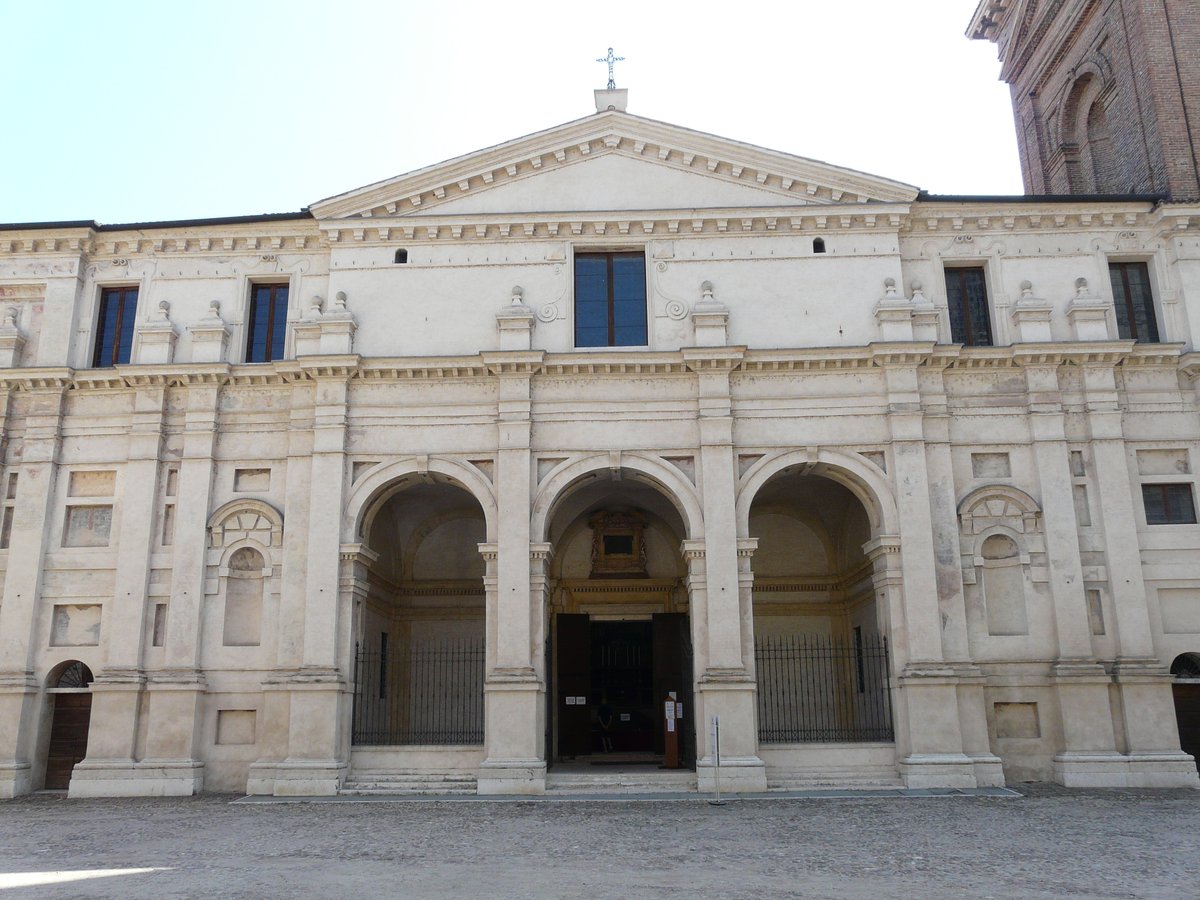 The Palatine Basilica of Saint Barbara is one of the most significant sites within the Ducal Palace complex, commissioned by Duke Guglielmo Gonzaga as the court chapel between 1562 and 1572. Designed by court architect Giovanni Battista Bertani, it represents a unique example of Renaissance religious architecture, conceived for the liturgical celebrations of the ducal family. The interior impresses with its solemn simplicity: the Greek cross plan is enriched by a majestic Antegnati organ from 1565, still fully functional and considered among the oldest in Europe. The remains of several members of the Gonzaga family rest here, including those of Duke Guglielmo, creating an indissoluble bond between the basilica and the history of the family that ruled Mantua for nearly four centuries. The unfinished brick façade conceals an interior where the original polychrome marble floor and gilded stuccoes framing the altarpieces stand out. The sacristy preserves precious liturgical furnishings and a cycle of frescoes depicting stories of Saint Barbara. Visiting this basilica means immersing yourself in the private devotion of the Gonzagas, discovering a place where power and faith merge in unparalleled architectural harmony. I recommend paying attention to the extraordinary acoustics, designed to enhance sacred music during ducal celebrations.
Bibiena Theater
- Via dell'Accademia 47, Mantova (MN)
- Open in Google Maps
- View on Google Images
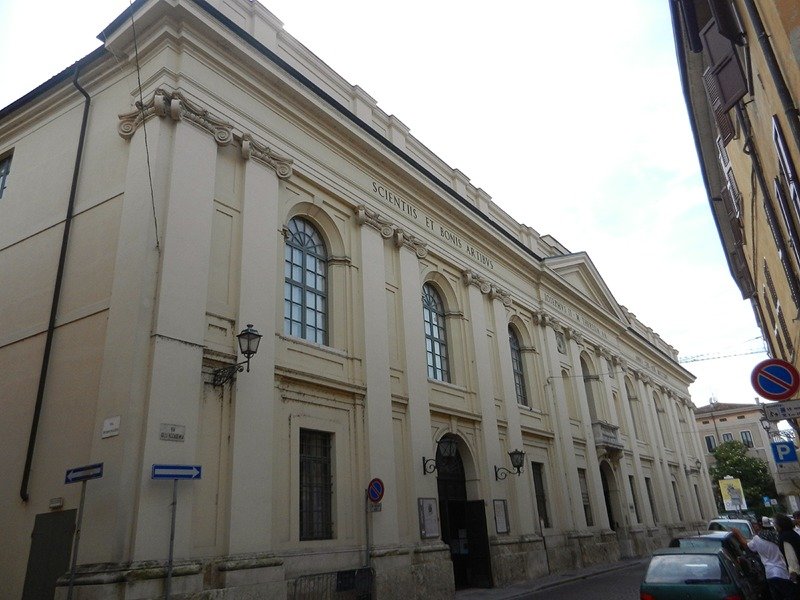 The Bibiena Theater, also known as the Scientific Theater of the Academy, is one of the most captivating places in Mantua. Designed by Antonio Bibiena in 1767, this theater is a masterpiece of late Baroque that will leave you in awe. Its bell-shaped form and rich Rococo decoration create a unique atmosphere. The feature that makes this theater world-famous is that Wolfgang Amadeus Mozart performed here on January 16, 1770, when he was only 14 years old. Imagine standing in the same place where the young musical genius amazed the Mantuan audience! The interior is characterized by four tiers of finely carved and decorated wooden boxes, while the frescoed ceiling represents the Allegory of Fame. Today the theater still hosts concerts and cultural events, maintaining its original vocation. Its central location at 47 Via Accademia makes it easily accessible during your visit to the historic center. Admission is charged but absolutely worth the ticket price to admire this architectural gem. I recommend checking the opening hours as they may vary depending on scheduled events. If you love classical music and 18th-century architecture, this stop is unmissable.
Church of San Sebastiano
- Largo XXIV Maggio, Mantova (MN)
- Open in Google Maps
- View on Google Images
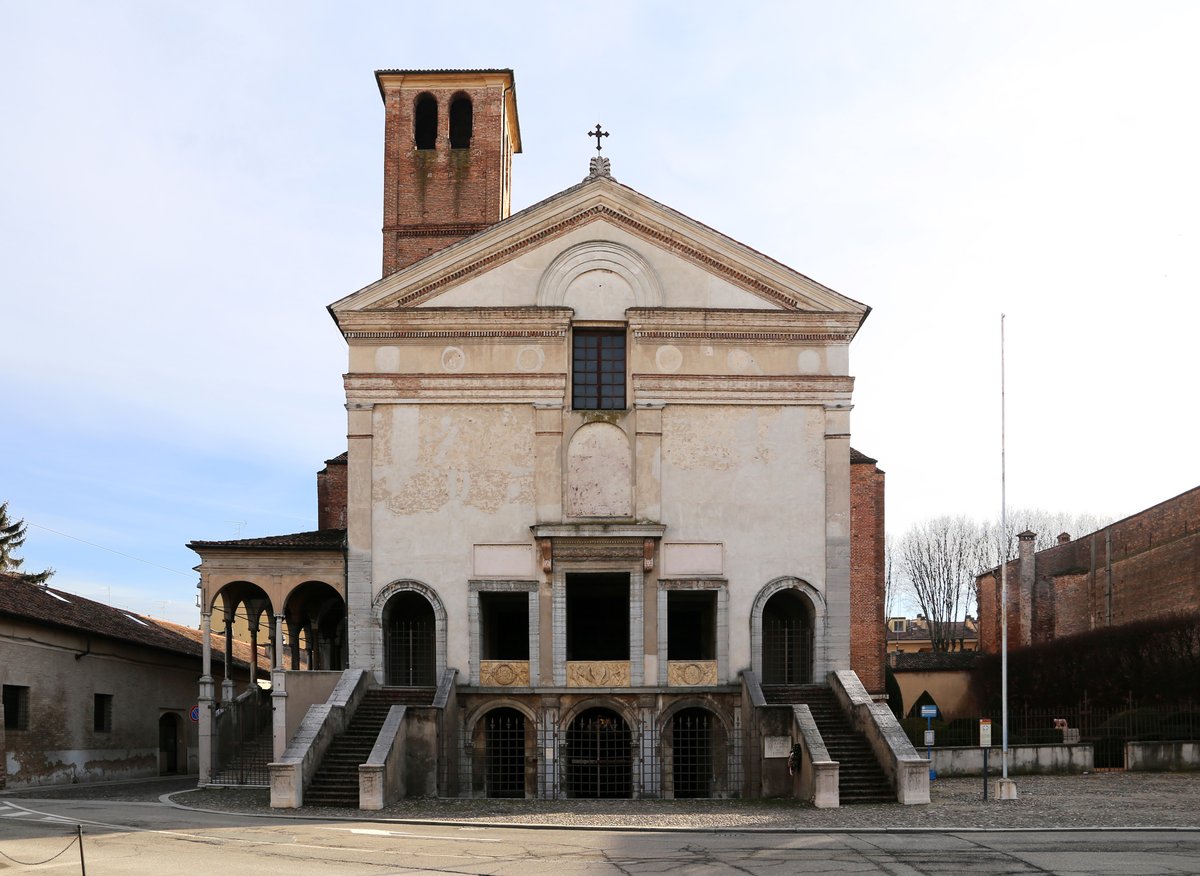 The Church of San Sebastiano is one of Mantua's architectural gems, commissioned by Ludovico III Gonzaga and designed by Leon Battista Alberti between 1460 and 1470. Located on Corso Vittorio Emanuele II, this church represents an extraordinary example of Renaissance architecture, with its Greek cross plan and unfinished facade that conceals a surprising interior. The building, originally dedicated to San Sebastiano as an ex voto for the end of the plague, today serves as a Famedio (memorial chapel) for Mantua's fallen soldiers, a place of memory and respect. Inside, the structure develops across three naves with barrel vaults and a central dome, creating an effect of harmony and proportion typical of the Albertian style. The walls are sober, but the atmosphere is charged with history: here you can breathe in the legacy of the Gonzagas, who wanted this church as a symbol of their power and devotion. Don't miss the crypt, accessible via a side staircase, where the remains of some fallen soldiers are preserved. The church is often open to the public free of charge, but it's wise to check the opening hours as they may vary due to events or restoration work. A practical tip: take advantage of its proximity to the historic center to combine your visit with other monuments, such as Palazzo Te or the Ducal Palace. The afternoon light magnificently illuminates the interior, making the experience even more evocative.
Church of San Francesco
- Piazza San Francesco d'Assisi, Mantova (MN)
- Open in Google Maps
- View on Google Images
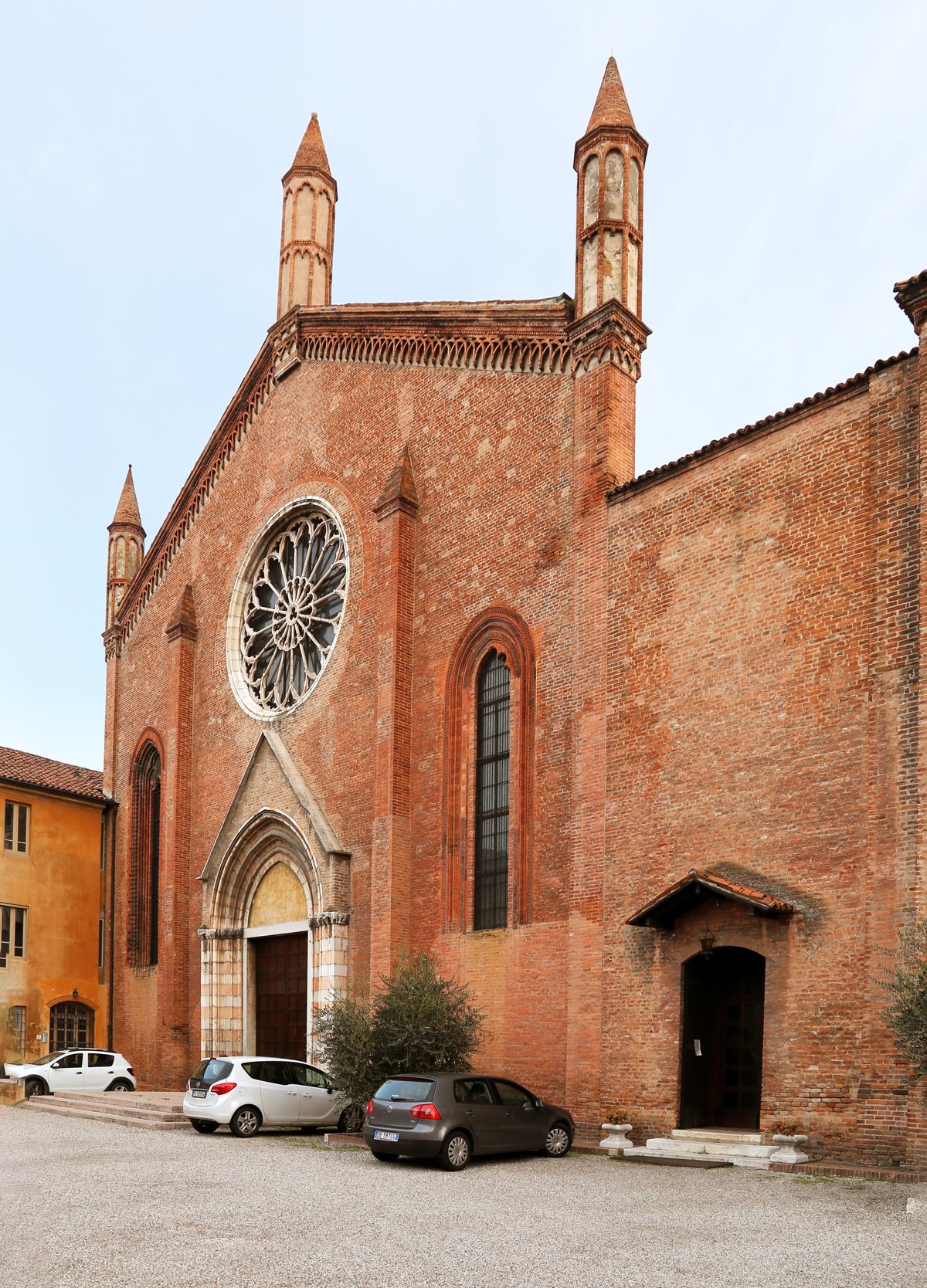 The Church of San Francesco is one of the oldest and most evocative places of worship in Mantua, located in Piazza San Francesco d'Assisi. Founded in the 13th century, this Gothic church is an extraordinary example of Franciscan architecture, with its brick facade and rose window that immediately captures attention. Upon entering, you are struck by the intimate atmosphere and the single nave, typical of Franciscan buildings, which invites contemplation. Inside, 14th and 15th-century frescoes stand out, including those from the school of Tommaso da Modena, which narrate sacred stories with a chromatic vibrancy still appreciated today. Don't miss the Chapel of San Ludovico, where valuable artworks are preserved, including a 15th-century wooden crucifix. The church is also linked to the Gonzaga family: important ceremonies were celebrated here, and it is said that some members of the dynasty were devoted to this place. Today, in addition to religious services, it occasionally hosts sacred music concerts, taking advantage of the exceptional acoustics of the spaces. For a complete visit, check the opening hours, usually in the morning and early afternoon, and take the opportunity to admire the adjacent cloister, a peaceful corner away from the tourist bustle. I recommend combining the visit with a stroll through the historic center, perhaps heading towards the Ducal Palace, just a few minutes' walk away.
Castiglioni Palace
- Piazza Sordello, Mantova (MN)
- Open in Google Maps
- View on Google Images
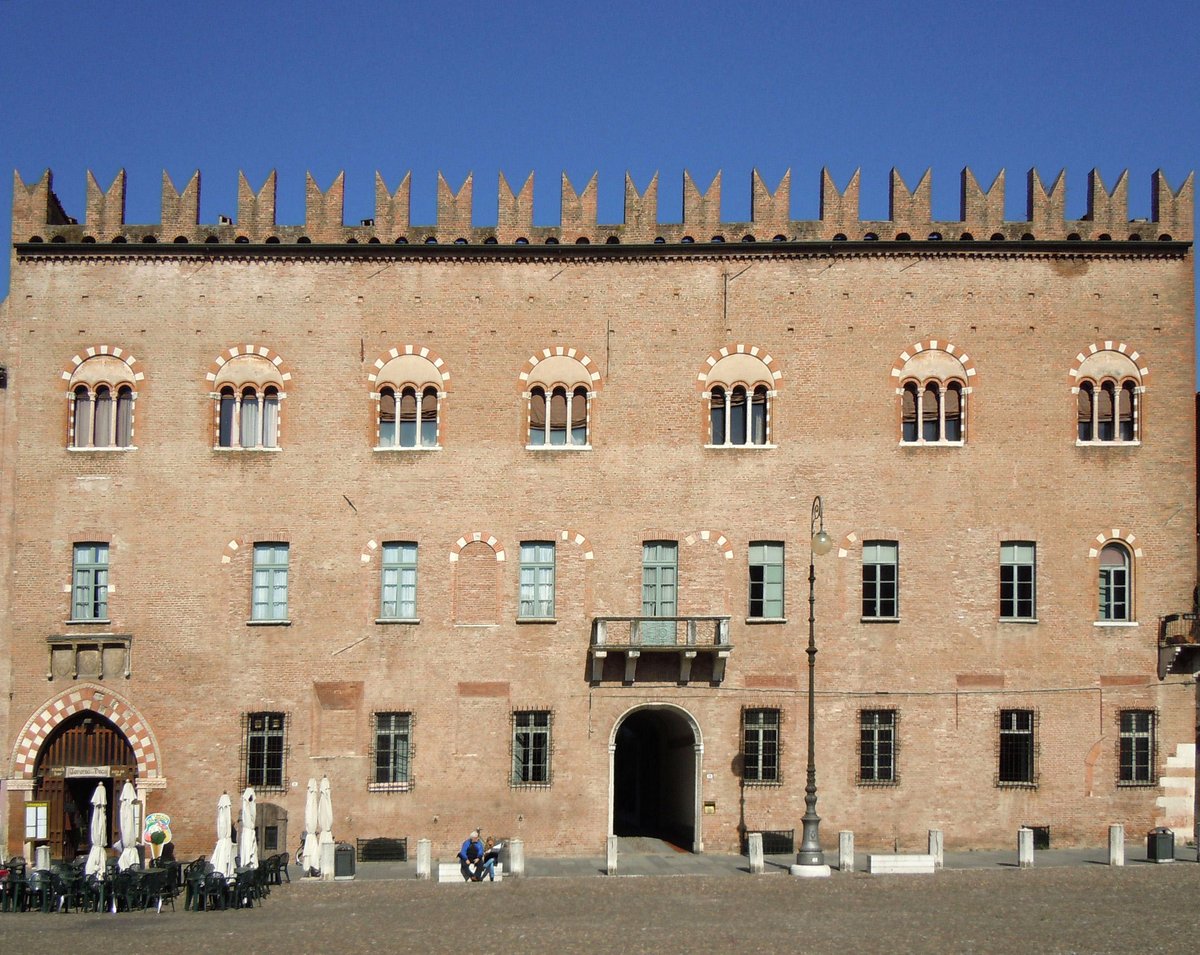 If you're looking for a corner of Mantua that makes you feel part of its history, Castiglioni Palace is an unmissable stop. Located on Via Fratelli Bandiera, just steps from Piazza Sordello, this 16th-century palace welcomes you with its sober yet elegant facade, typical of Mantuan Renaissance architecture. Built at the behest of the noble Castiglioni family, the same lineage as the famous writer Baldassarre Castiglioni, author of 'The Book of the Courtier', the palace exemplifies how art and culture were central to Gonzaga court life. Inside, don't miss the porticoed courtyard with its stone columns and round arches, creating an intimate and evocative atmosphere. The rooms, now housing offices and institutions, preserve traces of frescoes and decorations that recall the splendor of the past. Though less famous than the Ducal Palace or Palazzo Te, Castiglioni Palace offers an authentic glimpse into Mantuan aristocratic life, without the crowds of more touristy spots. It's an ideal place for a quiet break, perhaps admiring the architectural details that speak of centuries of history. Remember that access is limited to common areas, but it's worth stopping by even just to observe the exterior and imagine the characters who lived here.
Former Church of Santa Maria della Vittoria
- Via Madonna della Vittoria, Mantova (MN)
- Open in Google Maps
- View on Google Images
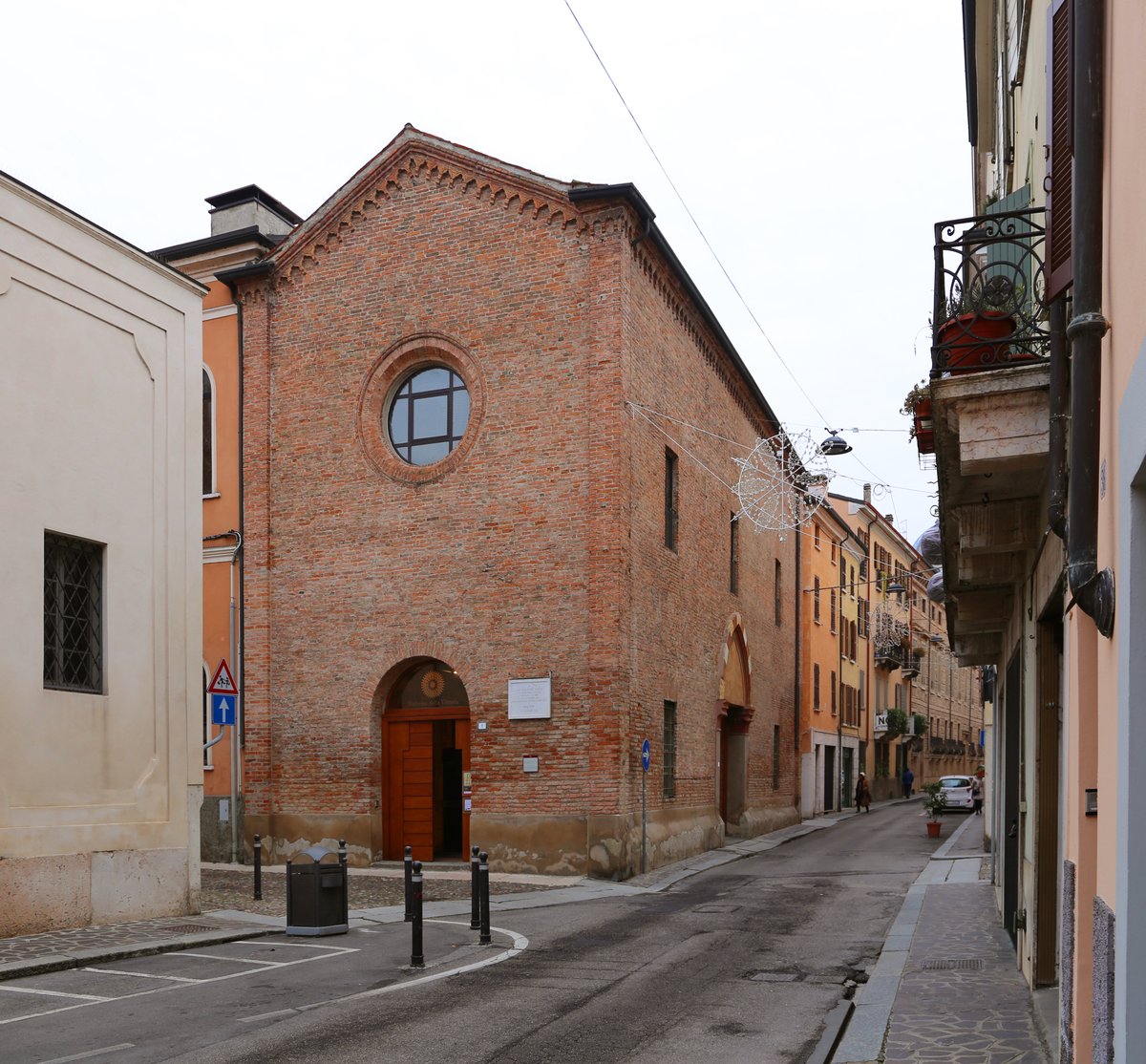 The former Church of Santa Maria della Vittoria is one of those places that holds surprises for those who know how to look beyond the beaten path. Located on Via Fernelli, this deconsecrated church represents an interesting example of Mantuan Renaissance architecture, though today it appears rather sober on the outside. Its history is linked to the Gonzaga family, who had it built in the 16th century to celebrate a military victory. What strikes you most is the stripped yet evocative interior, where you can still admire traces of ancient frescoes and the original structure. Currently, the building is not always accessible to the public, but when it opens for temporary exhibitions or cultural events, it's absolutely worth a visit. The location is convenient, just a short walk from Piazza Sordello and the Ducal Palace, so it can easily be included in a tour of the historic center. The atmosphere inside is unique: quiet, almost suspended in time, far from the crowds of more famous spots. A practical tip: always check the opening hours on the city's or tourist office's website, as they can vary. If you're looking for an authentic and uncrowded corner of Mantua, this former church is the perfect choice.
The Cage Tower
- Via Cavour, Mantova (MN)
- Open in Google Maps
- View on Google Images
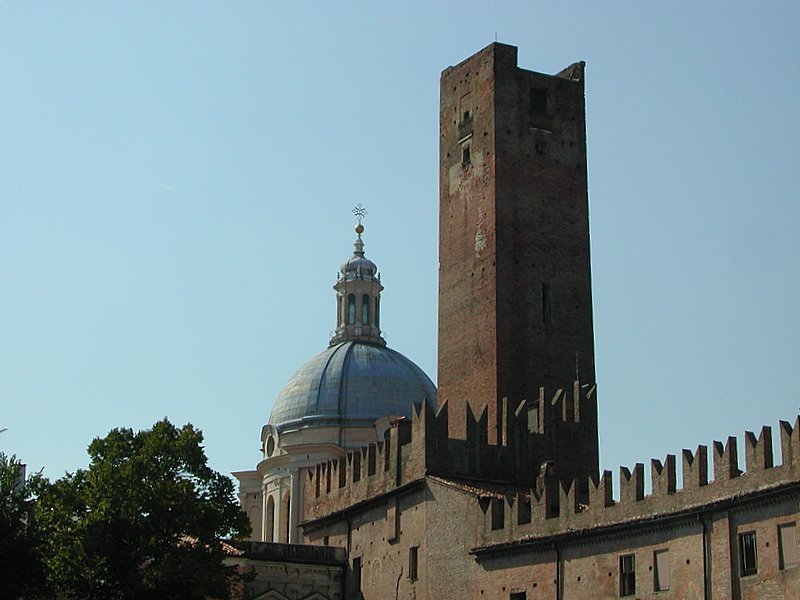 The Cage Tower stands in the heart of Mantua as a silent witness to the city's medieval past. Built in the 13th century, this brick tower gets its name from the iron cage that once hung from its summit, used to expose prisoners to public humiliation. Located on Via Cavour, near the Ducal Palace, the tower was part of the Gonzaga family's defensive system and also served as a prison for high-ranking detainees. Today, although not always accessible to the public, its imposing structure draws attention for its typically Mantuan architecture, with battlements and narrow windows that recall its strategic role. The cage, now removed, symbolizes the cruelties of the era, but the tower remains an unmissable historical landmark. Practical tip: take advantage of occasional guided tours to discover anecdotes about famous prisoners, such as those linked to power struggles among local families. If you love photography, the view from the base offers picturesque glimpses of Mantua's rooftops, especially at sunset. Remember to check opening hours in advance, as access is limited to special events or by reservation.
Palace of Studies
- Via Pomponazzo, Mantova (MN)
- Open in Google Maps
- View on Google Images
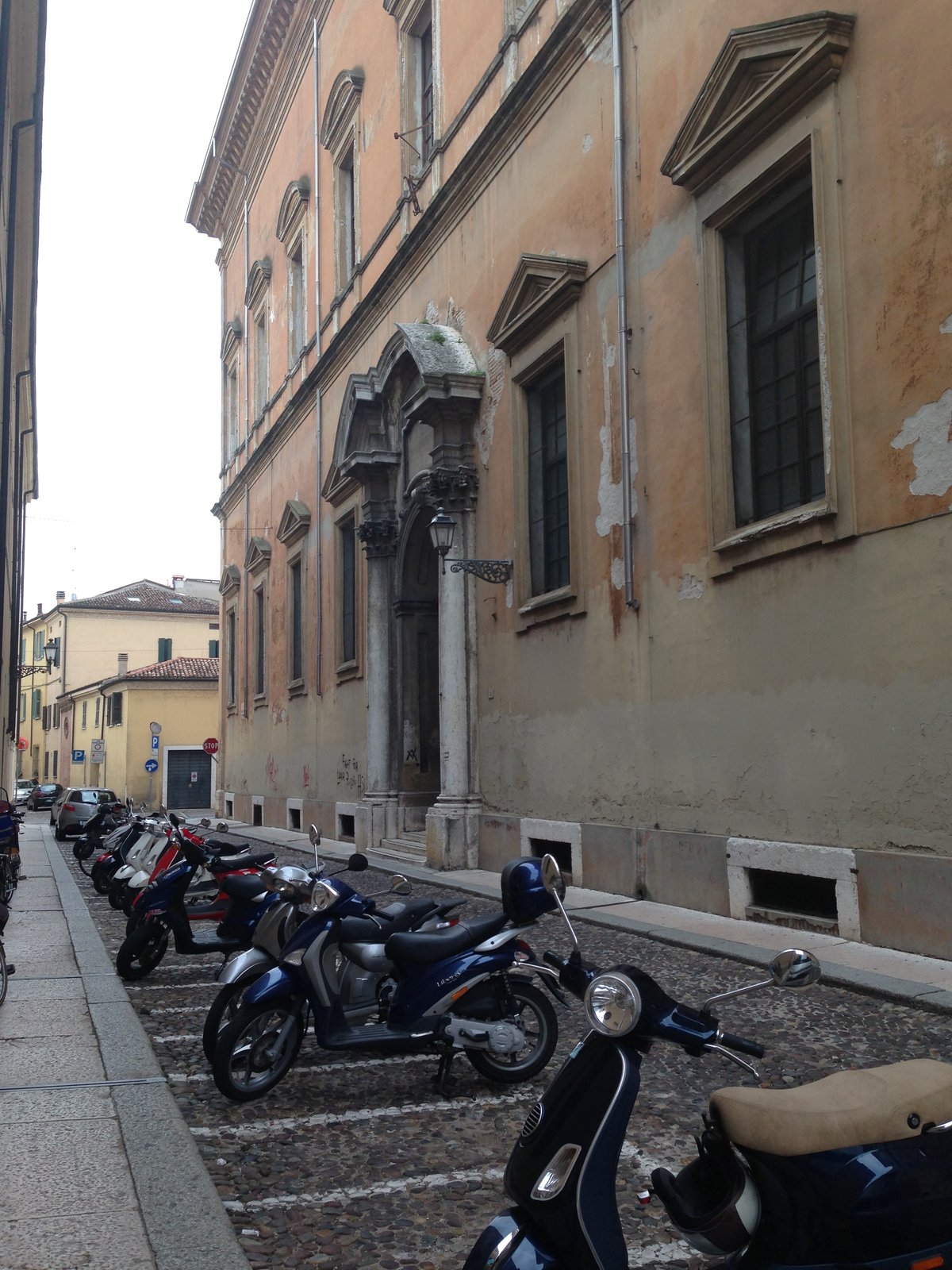 The Palace of Studies is one of the lesser-known yet most captivating gems of the Gonzaga heritage. Located on Via Accademia, this building was commissioned by Duke Ferdinando Carlo Gonzaga in 1673 to house the Academy of the Timid, a cultural institution that brought together literati and scientists. Today, it serves as the Rectorate of the University of Mantua, preserving the spirit of knowledge that has always defined it. The façade, understated and elegant, conceals interiors rich with history: the Hall of Honour with its frescoed ceiling is a true Baroque masterpiece, while the historic lecture halls still retain the atmosphere of when they were frequented by students under the protection of the Gonzagas. Visiting it means immersing yourself in a unique atmosphere, far from the more beaten tourist paths. Access is generally permitted during university office hours, but it's always best to check in advance. Inside, beyond the administrative offices, you can admire some historical collections and archival documents that bear witness to Mantua's cultural life between the seventeenth and eighteenth centuries. A perfect place for those who wish to discover a more intimate and cultured side of the city, away from the crowds yet rich in historical significance.
Acerbi Palace
- Piazza Sordello, Mantova (MN)
- Open in Google Maps
- View on Google Images
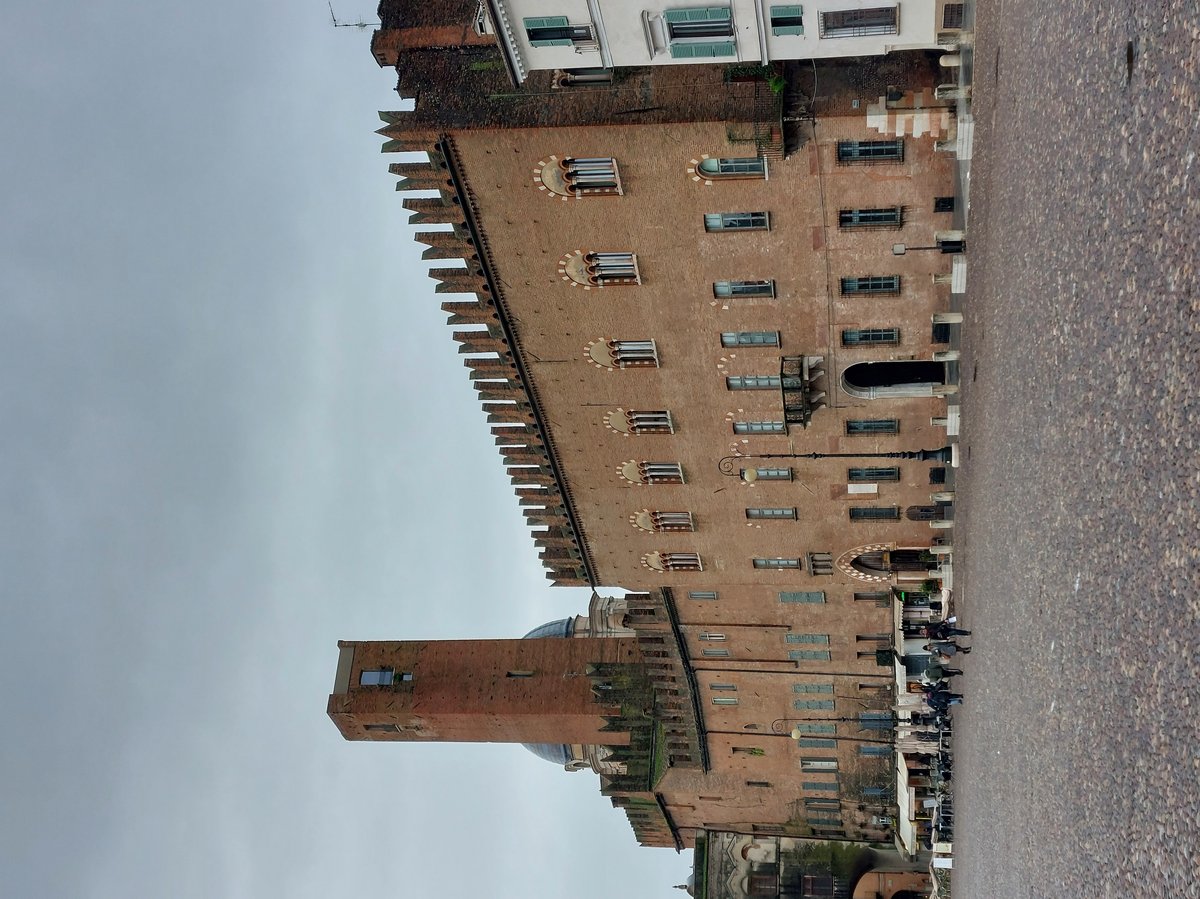 If you're looking for a corner of Mantua that tells stories of power and beauty without the crowds of more famous sites, Acerbi Palace is the right choice. Located on Via Acerbi, just steps from Piazza Sordello, this Renaissance palace is an example of how Gonzaga architecture shaped the city. Built in the 16th century at the behest of the Acerbi family, loyal allies of the Gonzagas, the building stands out for its brick facade, typical of Mantuan Renaissance style, with decorated windows and a majestic portal that invites further discovery. Inside, when accessible during events or guided tours, you can admire frescoed ceilings and halls that evoke the opulence of the era, even though today the palace mainly houses offices and cultural institutions. It's not a conventional museum, but that's precisely what makes it authentic: strolling here means immersing yourself in a lived-in Mantua, far from the more beaten tourist paths. I recommend checking in advance if there are special openings or temporary exhibitions, so you don't miss the chance to see the interiors. Perfect for those who love architecture without rush, Acerbi Palace offers an intimate atmosphere and a dive into the city's history, ideally paired with a visit to the nearby Ducal Palace.
Zuccaro Tower
- Via Don Enrico Tazzoli, Mantova (MN)
- Open in Google Maps
- View on Google Images
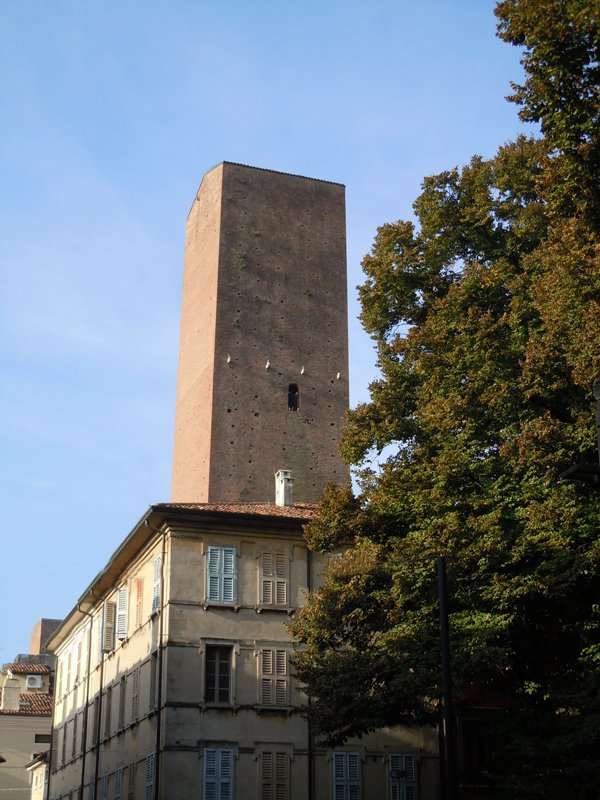 The Zuccaro Tower is one of the best-preserved medieval towers in Mantua, located on Via Fratelli Bandiera, just steps away from Piazza delle Erbe. Built in the 13th century, this red brick structure defines the historic center's skyline with its imposing height and typical architecture of the era. Originally part of the city's defensive system, the tower has been restored and is now open to visitors, offering a unique panoramic view over Mantua's rooftops and the surrounding lakes. Climbing its narrow steps, you immediately sense the medieval atmosphere and can appreciate details like the arrow slits and stone corbels that once supported the machicolations. The tower takes its name from the Zuccaro family, who owned it during the Renaissance, and represents an example of how military architecture integrated with urban development. The visit is an immersive experience: from the top, you can glimpse the Ducal Palace, the Castle of San Giorgio, and the waters of Lake Mezzo, creating an unforgettable vista. It's an ideal spot for those seeking an authentic corner away from the crowds and for history enthusiasts wanting to delve deeper into the city's Gonzaga roots. I recommend bringing a camera to capture the architectural details and the panorama. Access requires a fee and a short climb, but the result is worth every effort.