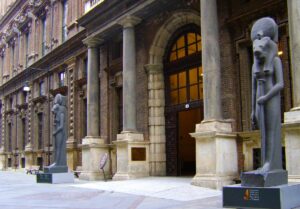
Discover the discreet charm of Biella with this cultural itinerary through the historic center, perfect for a day trip. Start at Piazzo, the medieval hilltop village accessible by the historic funicular. Stroll through the arcades and noble palaces until you reach the Paleochristian Baptistery, one of the oldest in Piedmont. Continue to Palazzo Gromo Losa, a Baroque jewel with its monumental staircase. This route allows you to capture the essence of Biella's historic center through art, history and authentic atmospheres, all on foot in just a few hours.
🗺️ Your trip at a glance
Discover the historic heart of Biella with a walking itinerary that blends Medieval and Baroque elements, perfect for a compact and authentic cultural experience.
- Ideal for: history and art enthusiasts who enjoy exploring cities on foot, away from the crowds.
- Highlights: 8 authentic stops with an interactive map, including the medieval district, Romanesque baptistery, and secret gardens.
- Perfect for: a day of culture and leisurely walks in Biella's center, with well-defined stops and GPS coordinates.
Itinerary stops
Stop no. 1
Andorno Gate
 Starting the Historic Biella in One Day itinerary from the Andorno Gate means immediately immersing yourself in the medieval atmosphere of Piazzo. This 14th-century gate, located on Costa del Piazzo, is one of the few surviving access points to the walls that once protected the ancient district. Built with local stone, featuring its pointed arch and traces of the original hinges, it tells centuries of Biella's history. From here, you can enjoy a breathtaking view over the lower city and the Prealps, a sweeping glance that perfectly introduces Biella's character, suspended between plain and mountain. It's the ideal starting point to explore the historic quarter, with its noble palaces and cobblestone alleys winding towards Piazza della Cisterna and the Baptistery.
- Costa del Piazzo, Biella (BI)
- Open in Google Maps
- View on Google Images

You should go if...
Stop no. 2
Gromo Losa Palace
 Leaving the Baptistery behind, you reach Gromo Losa Palace, located along Corso del Piazzo. This 16th-century building captures attention with its sober yet elegant facade, characterized by stone-framed windows and an entrance portal that evokes centuries of history. Built for the Gromo Losa family, local nobles connected to wool production, the palace represents an example of Piedmontese Renaissance residential architecture. Inside, if accessible during events, you can admire coffered ceilings and monumental fireplaces. Today, it occasionally hosts exhibitions and cultural initiatives, maintaining a living connection with the community. Its location, in the heart of the medieval village, makes it an ideal stop to understand the urban evolution of Biella, combining art and daily life in an authentic context.
- Corso del Piazzo, Biella (BI)
- http://www.fondazionecrbiella.it/palazzogromolosasrl
- Open in Google Maps
- View on Google Images
You should go if...
Stop no. 3
Piazza della Cisterna
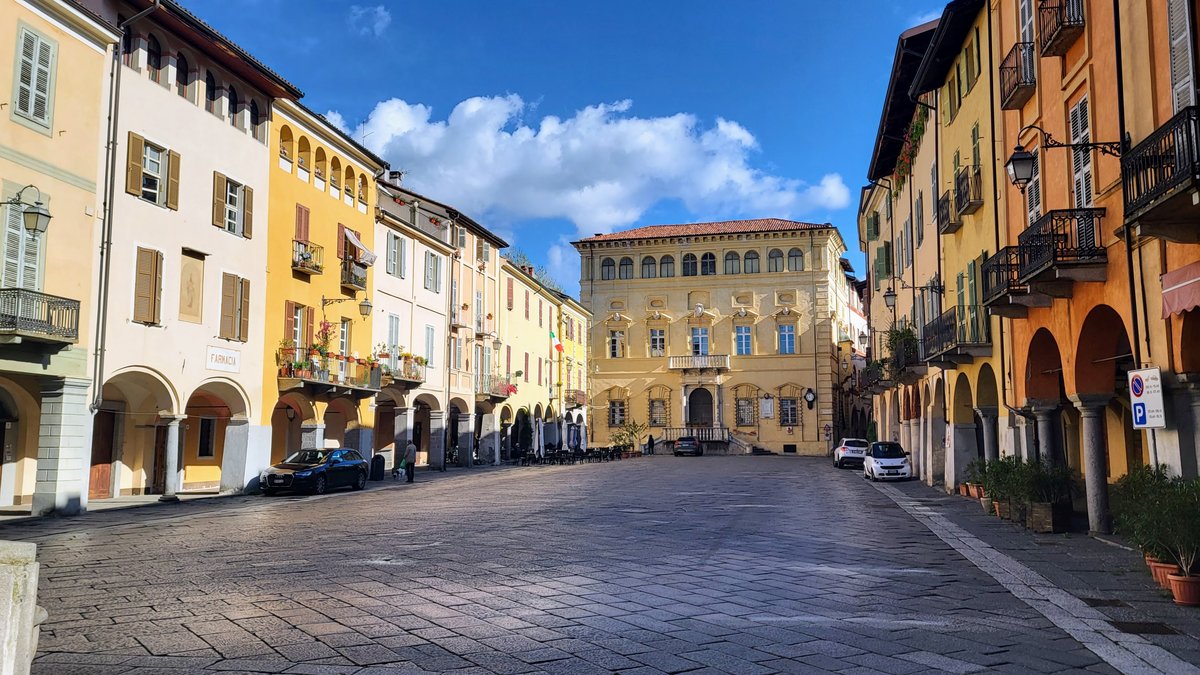 Piazza della Cisterna represents the core of Piazzo's medieval village, accessible via the characteristic uphill paths that wind from Biella's center. The square takes its name from the ancient public cistern, once crucial for the community's water supply. Surrounded by stone arcades that create an intimate atmosphere, it hosts historic buildings like Palazzo Dal Pozzo della Cisterna, with its imposing facade. This was the hub of the village's social and commercial life, as evidenced by the still-active artisan workshops. The cobblestone pavement and spatial layout reflect medieval urban planning, offering an authentic glimpse into 15th-century Biella. Today, the square is a peaceful gathering spot, perfect for a break before continuing to explore Piazzo.
- Piazza della Cisterna, Biella (BI)
- Open in Google Maps
- View on Google Images
You should go if...
Stop no. 4
Baptistery of St. John the Baptist
 Leaving behind the medieval atmosphere of Piazza della Cisterna, you'll find yourself before the Baptistery of St. John the Baptist, a sacred building dating back to the 11th century. Located in Piazza Monsignor Carlo Rossi, this baptistery is one of the oldest in Piedmont and represents a significant example of Romanesque architecture. Its circular floor plan, rare for the region, is enriched by a semicircular apse and an octagonal drum supporting the dome. Inside, you can admire 15th-century frescoes, including scenes from the life of St. John the Baptist, which testify to the religious and artistic importance of the place. The baptistery is closely linked to the nearby Cathedral of Santo Stefano, with which it shares the square, creating a monumental complex of great value. Its central location makes it a must-see stop for those wanting to delve into the ecclesiastical history of Biella, offering a moment of reflection away from the urban frenzy.
- Piazza Monsignor Carlo Rossi, Biella (BI)
- Open in Google Maps
- View on Google Images
You should go if...
Stop no. 5
St. Stephen's Cathedral
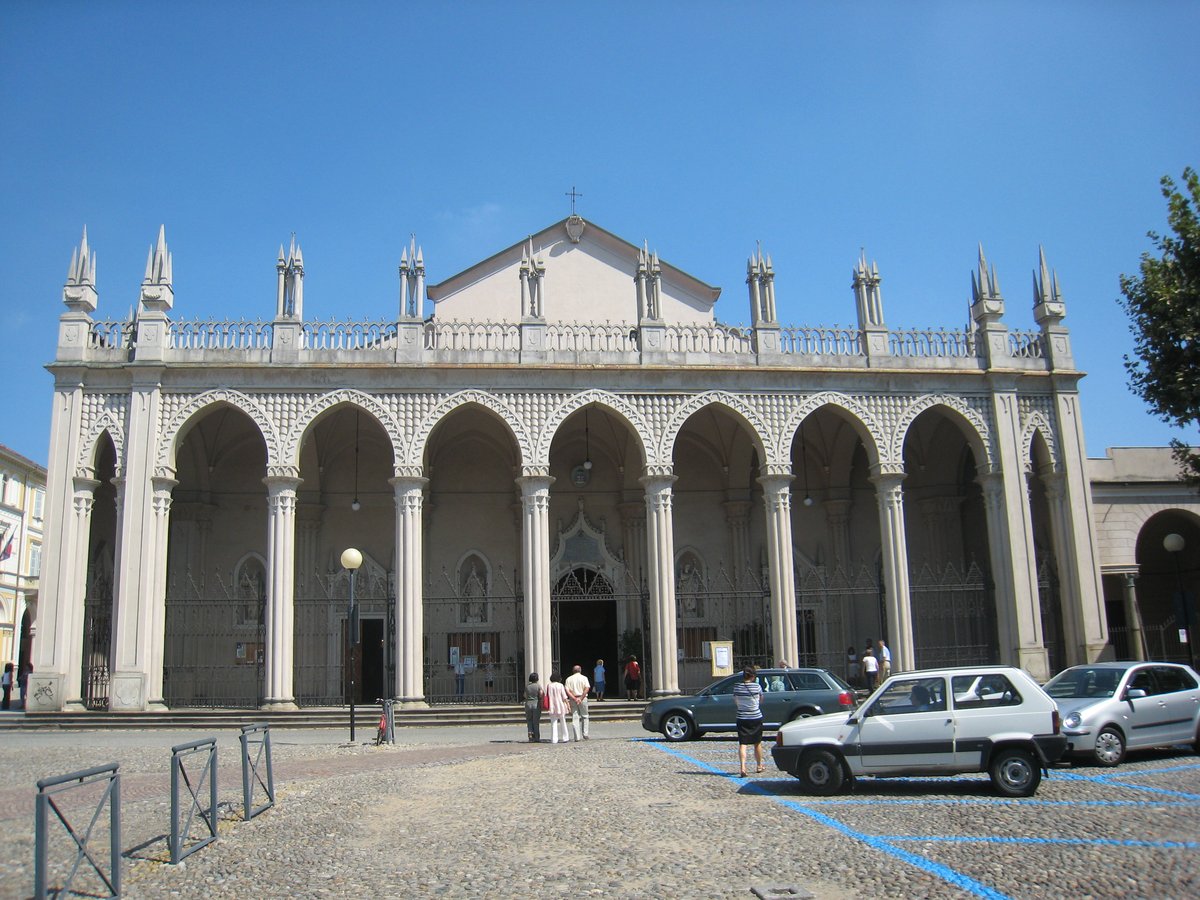 Right next to the Baptistery, St. Stephen's Cathedral dominates Piazza Monsignor Carlo Rossi with its imposing neoclassical façade. This cathedral, consecrated in 1402 but with even older origins, is the main church of the Diocese of Biella. Inside, visitors are struck by the single nave and the Baroque side altars, particularly the one dedicated to St. John the Baptist. Also remarkable are the 18th-century wooden choir and the Chapel of the Blessed Sacrament, adorned with precious stuccoes and marbles. The cathedral houses relics and artworks that tell the story of local devotion, such as the statue of Our Lady of the Snow. Its central location on the 'Historic Biella in One Day' route makes it a key reference point for understanding the city's artistic and religious evolution from the Middle Ages to the modern era.
- Go to the page: St. Stephen's Cathedral in Biella: Medieval Frescoes and 10th-Century Romanesque Bell Tower
- Piazza Monsignor Carlo Rossi, Biella (BI)
- Open in Google Maps
- View on Google Images
You should go if...
Stop no. 6
Biellese Territory Museum
 The final stop on the 'Historic Biella in One Day' itinerary, the Biellese Territory Museum on Via Gera offers an in-depth journey into the city's collective memory. Housed in a former Franciscan convent, the museum gathers evidence ranging from prehistory to the 19th century, with a section dedicated to the industrial archaeology of the wool district. Notable are the Roman artifacts found in the area, such as ceramics and coins, and the collection of sacred art with altarpieces from the Piedmontese school. The photographic archive documenting Biella's urban development is also remarkable, allowing visitors to grasp the connection between past and present. The visit ideally concludes the itinerary, enriching with concrete data the impressions gathered at previous locations.
- Via Gera, Biella (BI)
- https://www.museodelterritorio.biella.it/
- Open in Google Maps
- View on Google Images
You should go if...
Stop no. 7
Aurelio Nicolodi Garden
 After visiting the Biellese Territory Museum, the route continues towards the Aurelio Nicolodi Garden in Piazza Eugenio Curiel, a quiet corner nestled within the medieval fabric of Piazzo. This green space, named after a Biella partisan, offers a breath of fresh air among the cobblestone alleys, with well-kept flowerbeds and benches shaded by centuries-old trees. Its elevated position provides unexpected glimpses over the rooftops of the historic center and the Biella Prealps, creating a pleasant contrast with the surrounding architecture. Ideal for a restorative break, the garden maintains an intimate atmosphere, far from the hustle and bustle, and represents an example of how Biella integrates nature and historical memory. Here, travelers can grasp the connection between the resistance past and everyday life, in a place that invites reflection.
- Piazza Eugenio Curiel, Biella (BI)
- Open in Google Maps
- View on Google Images
You should go if...
Stop no. 8
Zumaglini Gardens
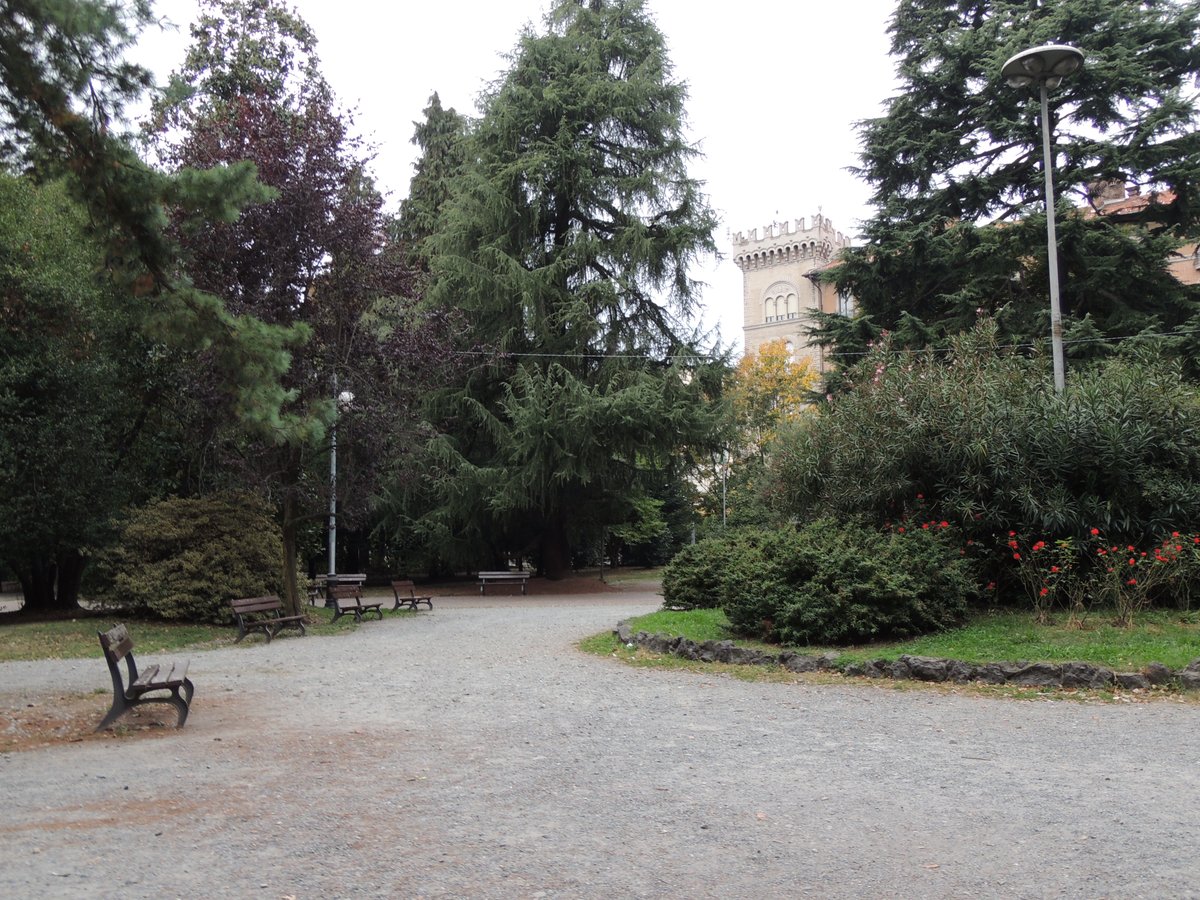 Conclude your Biella in a Day Historical Itinerary by immersing yourself in the Zumaglini Gardens, an oasis of tranquility distinguished by its strategic location in the city center. This green space, named after the Biellese naturalist Francesco Zumaglini, offers a relaxing atmosphere with well-maintained pathways, multicolored flowerbeds, and shaded areas beneath majestic trees. The proximity to the urban fabric creates a harmonious dialogue between nature and architecture, allowing you to admire glimpses of historic buildings while resting. It's the ideal spot for a rejuvenating break after cultural visits, where the slow pace invites you to observe the details of the Biellese landscape. Here, you breathe a familiar air, far from the hustle and bustle, reminding us of the importance of green spaces in the city's daily life.
- Biella (BI)
- Open in Google Maps
- View on Google Images
You should go if...