Prunetto Castle: Medieval Fortress with Panoramic Views over the UNESCO Langhe

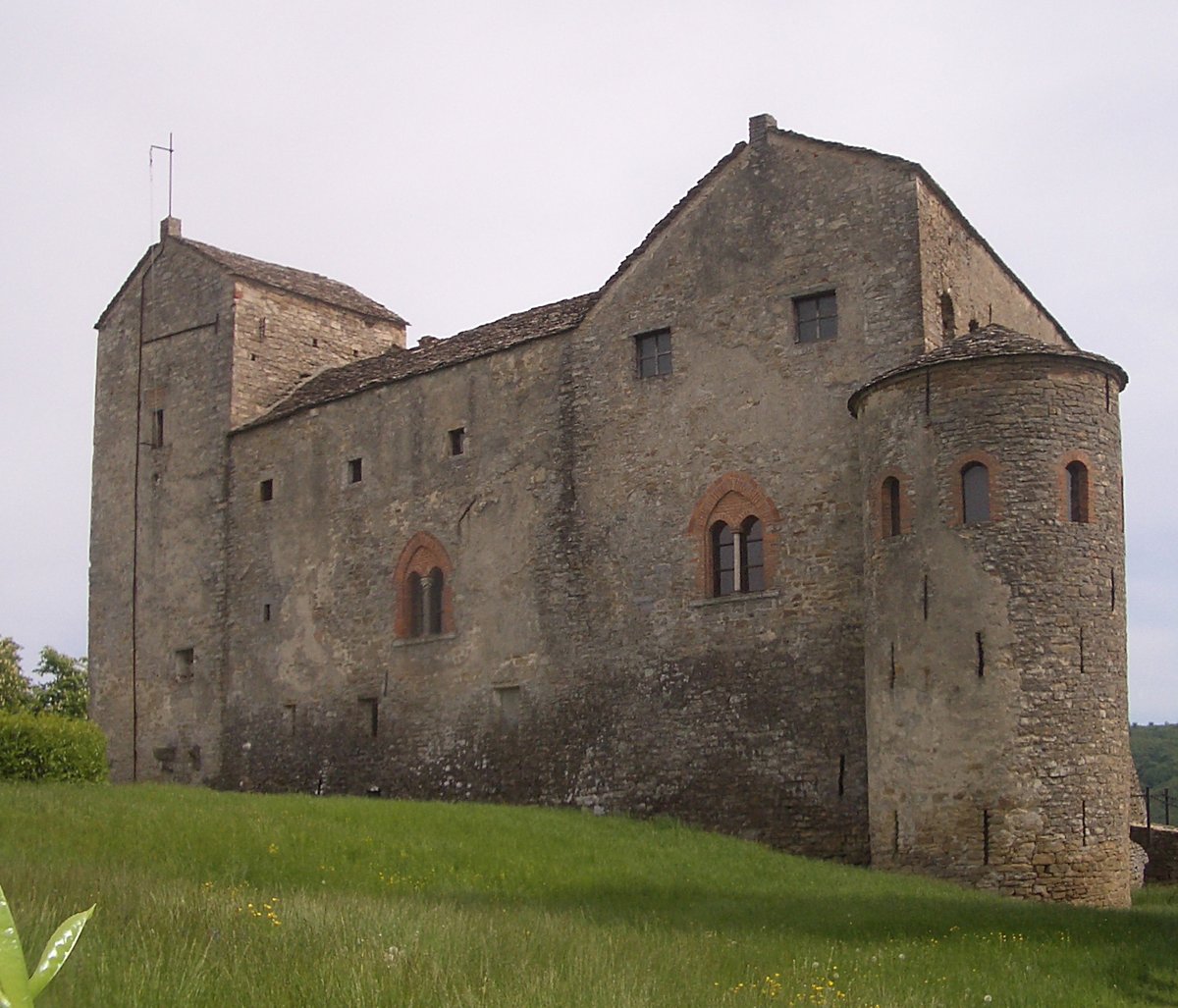
Prunetto Castle, a medieval fortress built between the 11th and 12th centuries, dominates Borgo Carro at 750 meters above sea level. Its strategic position offers spectacular views over the Langhe hills, with vineyards stretching as far as the eye can see. The structure retains its ancient charm, with original features like archers’ arrow slits and stone spiral staircases.

  • 360° panoramic view over the UNESCO Langhe from 750 meters altitude
  • Perfectly preserved medieval defensive architecture with 2-meter-thick walls
  • Unforgettable sunsets with light gently caressing the vineyard-covered hills
  • Generally open access through the village’s stone-paved lanes among traditional stone houses

Copertina itinerario Prunetto Castle: Medieval Fortress with Panoramic Views over the UNESCO Langhe
Prunetto Castle in Borgo Carro: 12th-century fortress with imposing walls, 25-meter tower, and breathtaking views over Barolo vineyards. Generally open access.

Good to know


Introduction

The Castle of Prunetto dominates Borgo Carro from its 750-meter height, offering a breathtaking view over the hills of Langhe. This medieval fortress, with its crenellated towers and sturdy walls, seems to have emerged from a chivalric tale. Reaching it means immersing yourself in an atmosphere of bygone eras, where silence is broken only by the wind and birdsong. Its strategic position allows you to embrace a panorama stretching from the Nebbiolo vineyards to chestnut forests, creating a perfect blend of history and nature. It’s not just a monument, but an experience that engages all the senses.

Historical Overview

The earliest records of the castle date back to the 12th century, when it was built as a defensive fortress by the Del Carretto marquises. In the 15th century, it passed to the House of Savoy, becoming a strategic outpost during the wars between France and Spain. In the 18th century, it was transformed into a noble residence, losing some of its military functions but retaining its architectural grandeur. Today, after careful restoration, it preserves original features such as archer loopholes and spiral stone staircases. Its history is linked to figures like the condottiero Facino Cane, who stayed here during military campaigns.

  • 12th century: construction as a Del Carretto fortress
  • 15th century: transfer to the House of Savoy and expansion
  • 18th century: transformation into a noble residence
  • 21st century: conservation restoration and opening to the public

Military Architecture

The castle showcases a rare example of perfectly preserved Piedmontese defensive architecture. The walls, over two meters thick, are constructed with local stone and still feature the original corbels that supported the machicolations. The main tower, standing 25 meters high, offers a 360-degree panoramic view of the surrounding valleys from its summit. Inside, you can observe the patrol walkways and the prisons carved directly into the rock. Particularly fascinating is the rainwater collection system, with cisterns that remain functional to this day. These technical details illustrate how the fortress was designed to withstand prolonged sieges.

Unique Panoramas

From the castle terraces, you can enjoy one of the most spectacular panoramas in the Langhe region. On clear days, the view stretches all the way to Monviso and the Alpine arc. To the south, the vineyards of Barolo and Barbaresco are clearly visible, while to the east, you can spot the villages of Monesiglio and Gottasecca. At sunset, when the sun paints the hills red, the landscape becomes magical. This privileged vantage point allows you to appreciate the unique geography of the territory, with its sinuous ridges and hidden valleys. Many photographers choose this spot for unforgettable shots.

Why Visit

Three reasons make this visit unmissable: the panoramic view over the UNESCO Langhe is one of the most comprehensive in the area, allowing you to take in the entire wine-growing landscape at a single glance. The preservation of original medieval elements offers an authentic immersion in history, with architectural details rarely found elsewhere. Finally, the isolated and quiet location provides an atmosphere of peace far from mass tourism, ideal for those seeking an intimate experience with the territory.

When to Go

The most enchanting time to visit is sunset in autumn, when the vineyards blaze with fiery colors and the air turns crystal clear. During this season, the morning mist enveloping the valleys creates spectacular light effects, while the surrounding chestnut groves turn golden. Avoid days with persistent rain, as visibility may be limited. The early morning hours, with the sun rising behind the Alps, also offer intense emotions.

In the Surroundings

Just a few minutes’ drive away lies Monesiglio, a medieval village with its castle and the ancient Church of San Pietro. It’s worth stopping to sample local cheeses at the village’s dairies. Another recommended stop is the Castle Walk, a route connecting Prunetto to other manors in the Langhe region, perfect for those wanting to delve deeper into the area’s feudal history. Both destinations ideally complement the visit to Prunetto Castle.

💡 Did You Know…?

Legend has it that a treasure of the Marchesi del Carretto, the ancient family that owned it for centuries, is hidden within the castle. It is said that during the Napoleonic invasions, the owners hid precious objects and important documents inside the walls. Some local inhabitants swear they have seen mysterious figures wandering among the ruins on full moon nights, perhaps ghosts of the old castle lords still watching over their domain. The internal chapel, now in ruins, was dedicated to Saint George and preserved relics brought from the Holy Land by local crusaders.