
🧭 What to Expect
- Ideal for music and art enthusiasts, with the Violin Museum and concerts featuring antique instruments.
- Highlights: Torrazzo with panoramic views, Cathedral with Renaissance frescoes, and the medieval historic center.
- Includes an interactive map with 10 marked locations for a walking tour.
- Also offers civic museums with works by Caravaggio and natural history collections.
Events nearby

Cremona is a city that breathes music and art in every corner. The Torrazzo, with its 112 meters, dominates the skyline and is the undisputed symbol of the city. Climbing to the top offers a breathtaking view of the Po Valley. Just a few steps away, the Cathedral of Santa Maria Assunta houses Renaissance frescoes of extraordinary beauty. Cremona is above all the world capital of violin making: the Violin Museum is a must-see to discover the secrets of Stradivari and listen to concerts of ancient instruments. The historic center, compact and perfect for a stroll, continuously reveals medieval and Renaissance glimpses, such as the Loggia dei Militi and Palazzo Cittanova. Here, art is not only admired, it is listened to.
Overview
Itineraries nearby
The Torrazzo of Cremona
- Largo Boccaccino, Cremona (CR)
- Open in Google Maps
- View on Google Images
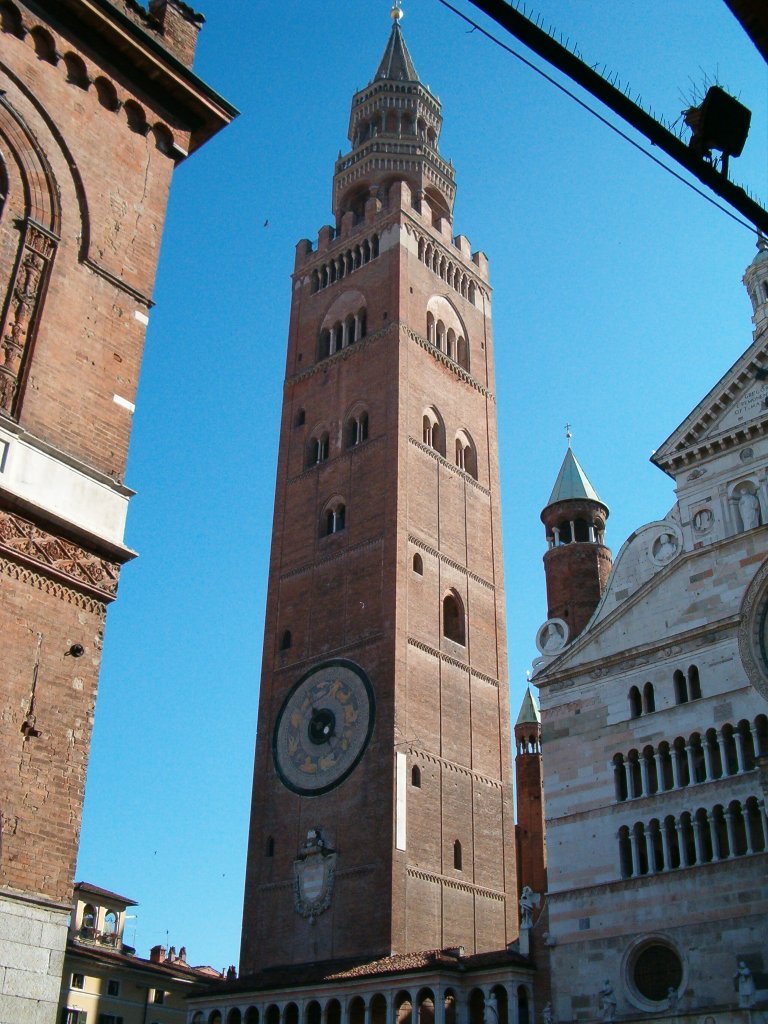 When visiting Cremona, you cannot miss the Torrazzo, Italy's tallest brick bell tower standing at 112 meters tall, dominating the historic center. Built between the 13th and 14th centuries, this bell tower is a masterpiece of medieval architecture that rises next to the Cathedral, creating a unique skyline recognized worldwide. The climb to the upper floors is an experience that delivers strong emotions: after conquering the 487 steps of the spiral staircase, you reach the bell chamber where seven historic bells are kept, including the main bell from 1744. But the real treasure is on the fourth floor: here you'll find the world's largest astronomical clock, a mechanism from 1583 that displays the movements of the sun, moon, and planets with surprising precision. From the panoramic terrace at 83 meters high, the view stretches across the entire city, from the Po River to the surrounding hills, and on clear days you can even spot the Alps. The Torrazzo is not just a monument, but the very symbol of Cremona, inextricably linked to the city's violin-making tradition: it's said that Stradivari himself drew inspiration from its harmonious proportions to create his violins. To visit, I recommend booking online to avoid queues, especially on weekends. Access is limited to small groups to preserve the structure, so plan your visit in advance.
Torrazzo
Cathedral of Santa Maria Assunta
- Go to the page: Cremona Cathedral: Renaissance Frescoes and Record-Breaking Torrazzo
- Piazza del Comune, Cremona (CR)
- Open in Google Maps
- View on Google Images
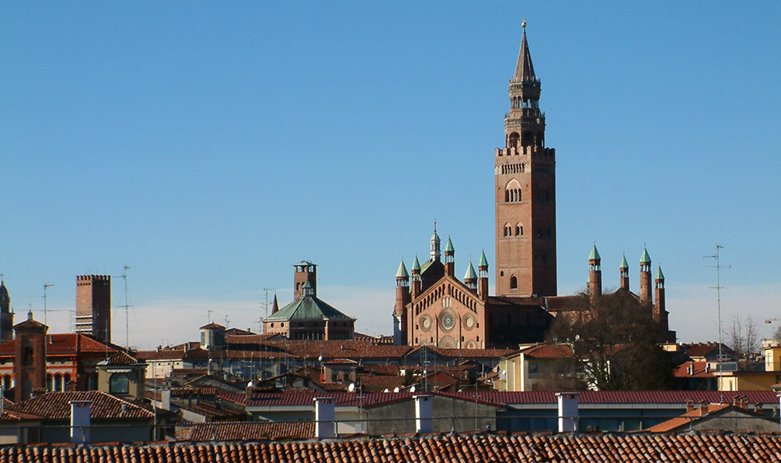 The Cathedral of Santa Maria Assunta is the beating heart of Cremona, a monument that tells centuries of history through its imposing architecture. Built starting in 1107, this Romanesque basilica rises majestically in Piazza del Comune, flanked by the famous Torrazzo, the tallest bell tower in Italy. The facade of white and pink Verona marble immediately captures attention with its grand rose window and bas-reliefs depicting biblical stories. Upon entering, you are enveloped in a solemn atmosphere: the naves are punctuated by massive granite pillars and columns, while light filters through the stained-glass windows, creating chiaroscuro effects on frescoes and decorations. Don't miss the cycle of frescoes by Boccaccio Boccaccino and Giovanni Antonio de' Sacchis, known as Il Pordenone, which adorn the side chapels with scenes from the life of Christ and the saints. The cathedral also houses the tomb of Saint Homobonus, the city's patron saint, a destination for local devotion. Climbing to the terrace of the Torrazzo (accessible separately) offers a panoramic view of Cremona and the surrounding countryside, but even from inside the cathedral, you can appreciate unique details like the 15th-century wooden pulpit and the historic organ, linked to Cremona's musical tradition. Admission is free, but it's advisable to check opening hours, especially during religious services. A place where art, faith, and history merge, essential for understanding the soul of Cremona.
Cathedral of Santa Maria Assunta
Violin Museum
- Piazza Guglielmo Marconi 5, Cremona (CR)
- https://www.museodelviolino.org/it/
- Open in Google Maps
- View on Google Images
- info@museodelviolino.org
- +39 0372 801801
 If you love music, the Violin Museum in Cremona is an unmissable stop. It's not just a museum, but a journey into the art of lutherie that has made the city famous worldwide. Here you'll discover why instruments like those by Stradivari, Guarneri del Gesù, and Amati are worth millions and are considered timeless masterpieces. The permanent collection takes you through centuries of craftsmanship: admire original violins, violas, and cellos up close, some dating back to the 16th century, and understand the secrets of wood, varnish, and shape that make them unique. The Treasure Room is thrilling: it houses instruments of great value, often played in live concerts at the museum itself. Don't miss the temporary exhibitions that delve into specific techniques or artists, and the lutherie workshop where you can watch craftsmen at work, just like in the days of the ancient masters. For visitors, there's also an interactive area with audio stations to listen to the sound of the exhibited instruments, an experience that makes you appreciate Cremonese genius even more. The museum frequently organizes events and concerts, so check the calendar: attending a performance in these halls is like stepping back in time. The entrance ticket includes an audio guide, useful for catching every detail. If you want to take home a souvenir, the bookshop offers specialized books and small items related to lutherie. In short, it's a place that combines history, art, and emotion, perfect for those seeking something authentic in Cremona.
Violin Museum
Civic Museum Ala Ponzone
- Via Ugolani Dati 4, Cremona (CR)
- https://musei.comune.cremona.it/it/musei/museo-civico-ala-ponzone
- Open in Google Maps
- View on Google Images
- museo.alaponzone@comune.cremona.it
- +39 0372 407770
 If you're looking for a place that tells the artistic history of Cremona beyond violins, the Civic Museum Ala Ponzone is the right stop. Located in the historic center, on Via Ugolani Dati, it occupies Palazzo Affaitati, a 16th-century building that's worth a visit in its own right. The permanent collection, originating from the donations of Marquis Giuseppe Sigismondo Ala Ponzone in the 19th century, ranges from archaeology to painting, with a particular focus on Cremonese Renaissance. Among the must-see works is Caravaggio's 'Saint Francis', a painting that attracts visitors from all over Italy for its intensity and realism. But Caravaggio isn't the only star: the medieval and Renaissance art section includes panels by Bonifacio Bembo and Bernardino Campi, which testify to the city's cultural vibrancy in the 15th and 16th centuries. The museum also houses a rich collection of local ceramics and Roman artifacts, such as amphorae and coins, that tell the ancient roots of Cremona. The layout is modern and well-maintained, with clear explanatory panels that guide visitors without weighing down the experience. Ideal for those who want to delve into the city's history independently, the museum also offers guided tours by reservation and family activities. A tip: allow at least an hour and a half to explore all the rooms, lingering in the picture gallery where, besides Caravaggio, you can admire works by Genovesino and other Lombard masters.
Civic Museum Ala Ponzone
Cremona Baptistery
- Piazza del Comune, Cremona (CR)
- Open in Google Maps
- View on Google Images
 The Cremona Baptistery immediately captures attention with its octagonal shape and strategic position right in front of the Cathedral, in Piazza del Comune. Built between 1167 and the end of the 12th century, it represents one of the finest examples of Romanesque architecture in Lombardy. Its massive brick structure, with pilaster strips and blind arches, tells centuries of history and devotion. Upon entering, one is struck by the simplicity and intimate atmosphere: the interior is bare, yet it emanates an aura of sacredness that invites reflection. At the center stands out the 16th-century baptismal font, a marble work that replaced the original one. The light filtering through the single-light windows creates chiaroscuro effects, accentuating the solemnity of the place. Despite its modest size, the Baptistery plays a fundamental role in the monumental complex of the square, ideally completing the journey between faith and art. It's a place that can be visited in just a few minutes, but leaves a lasting impression, especially when considering that for centuries, the people of Cremona were baptized here. A tip: take advantage of your visit to also admire the exterior, with its decorative details and chromatic contrast with the Cathedral. It's a corner of peace in the heart of the city, perfect for a moment of tranquility.
Baptistery
Ponchielli Theatre
- Corso Vittorio Emanuele II 52, Cremona (CR)
- https://www.teatroponchielli.it/
- Open in Google Maps
- View on Google Images
- info@teatroponchielli.it
- +39 0372 022010
 If you think Cremona is only about violins, prepare for a pleasant surprise: the Ponchielli Theatre is the beating heart of the city's cultural life, a jewel that combines 19th-century architectural elegance with the magic of live music. Built on the ashes of the previous Teatro della Concordia and inaugurated in 1808, it takes its name from the famous composer Amilcare Ponchielli, who was born right in Cremona province. The building, with its neoclassical facade and richly decorated interior, welcomes you into an atmosphere of bygone eras: the frescoed ceiling by Luigi Manini and the majestic crystal chandelier are just some of the details that catch the eye. But what makes this theatre unique is its unbreakable bond with Cremona's musical tradition: it's not uncommon to attend violin concerts paying homage to Stradivari or operatic performances echoing Ponchielli's own notes. The programming ranges from drama to dance, from symphonic concerts to family events, making it a reference point for all tastes. The foyer, with its stuccoes and mirrors, is perfect for a break during intermission, while the main hall, with its four tiers of boxes, guarantees impeccable acoustics. I recommend checking the events calendar before visiting Cremona: attending a performance here isn't just entertainment, but an experience that immerses you in the city's artistic essence. For architecture enthusiasts, it's worth noting the Art Nouveau details added during 20th-century restorations, which harmonize with the original style. In short, Ponchielli Theatre isn't just a place to see, but to experience with all your senses.
Ponchielli Theatre
Loggia dei Militi
- Piazza del Comune, Cremona (CR)
- Open in Google Maps
- View on Google Images
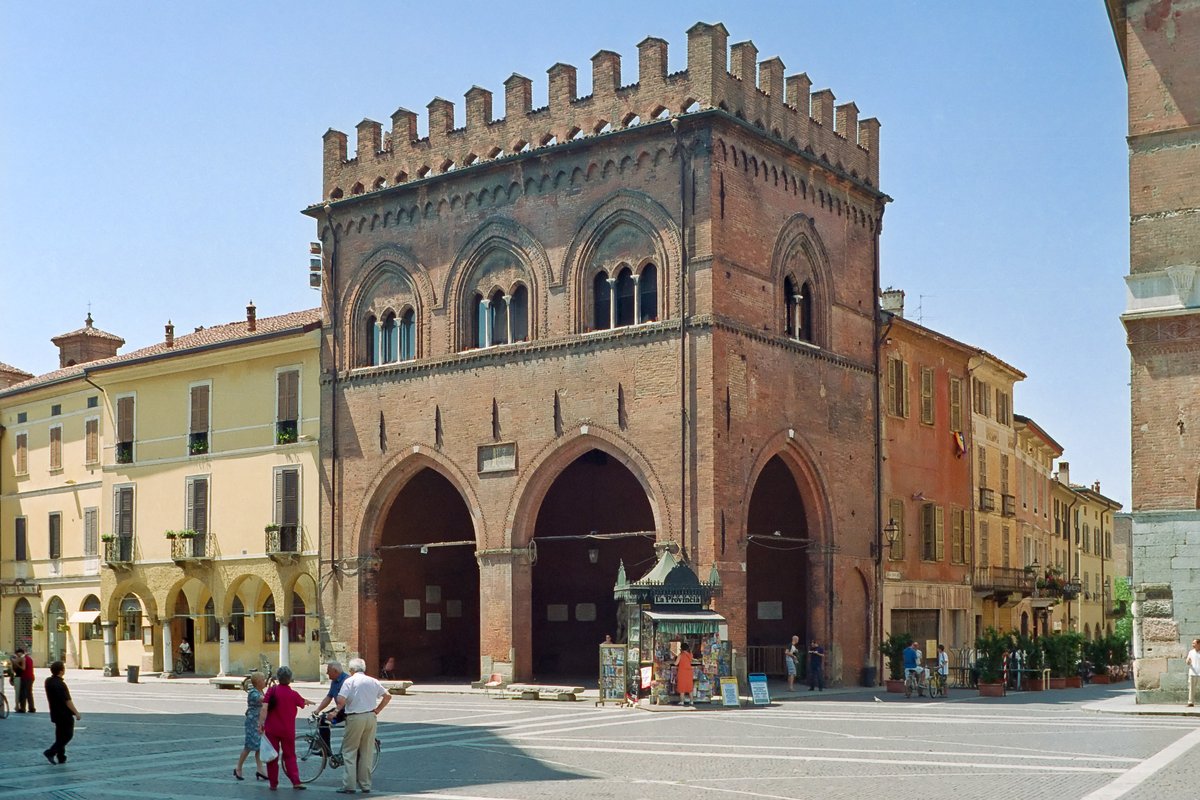 The Loggia dei Militi is one of those architectural gems that tell the story of Cremona without needing many words. Built in 1292, this Gothic structure is located in Piazza del Comune, right opposite the Cathedral, and represents one of the city's oldest civic buildings. Originally it was the headquarters of the Società dei Militi, an important corporation of soldiers who defended the interests of the municipality. Its brick facade, with characteristic pointed arches, is a perfect example of the Lombard style of the thirteenth century. Inside, you can admire the fresco of the Madonna and Child, attributed to the Bembo school, which adds a touch of spirituality to this place of power. Today the Loggia hosts cultural events and temporary exhibitions, maintaining its function as a meeting point for the community. Its central location makes it a must-see stop during a visit to Cremona, especially for those who want to understand how the city has managed to preserve its medieval heritage. Despite its modest size, the building exudes a solemn atmosphere, almost as if the voices of the militiamen of the past still echo within its walls. It's interesting to note how the Loggia has survived centuries of history, including the floods of the Po River that have repeatedly threatened the city. A curious detail: on the facade you can still see the holes where the corporation banners were hung during public ceremonies. Visiting the Loggia dei Militi means immersing yourself in an authentic piece of Cremona, away from the more beaten paths but equally rich in charm.
Loggia dei Militi
Palazzo Cittanova
- Via Cappelletti, Cremona (CR)
- Open in Google Maps
- View on Google Images
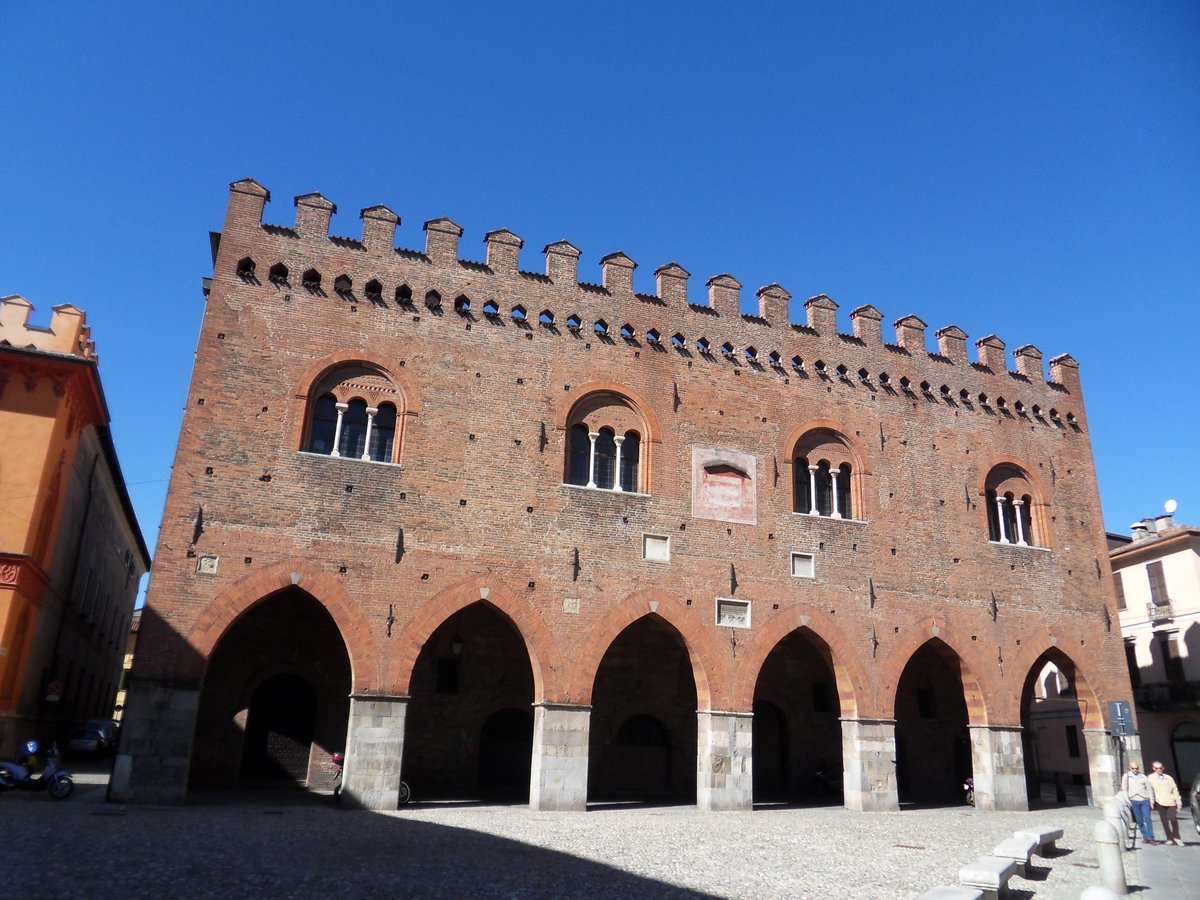 If you're looking for a corner of Cremona that tells its most authentic story, Palazzo Cittanova is an unmissable stop. This medieval building, constructed in the 13th century, originally served as the headquarters of the 'Società dei Militi', an association representing the city's emerging new social classes. Its sober and elegant brick facade conceals a rich history: here, merchants and artisans gathered, far from the aristocratic power of the Palazzo Comunale. Today, stepping into the inner courtyard, you breathe in an atmosphere of times gone by, with pointed arches and stone columns reminiscent of Lombard Gothic style. Palazzo Cittanova is not just a monument, but a living place: it hosts temporary exhibitions, cultural events, and concerts, often linked to Cremona's musical tradition. If you love architecture, don't miss the details of the bifora windows and carved capitals, symbols of an era when Cremona was a crossroads of trade and cultures. To visit, check the opening hours: it's often accessible during public events or by reservation for groups. A tip? Combine your visit with a stroll through the surrounding neighborhood, where luthier workshops and historic cafés will give you a taste of Cremona's past and present.
Palazzo Cittanova
Palazzo Fodri
- Via Gerolamo da Cremona, Cremona (CR)
- Open in Google Maps
- View on Google Images
 If you're looking for an authentic corner of Lombard Renaissance, Palazzo Fodri is an unmissable stop. Located on Corso Matteotti, just steps from the Duomo and the Torrazzo, this 15th-century palace captivates with its brick facade, adorned with terracotta medallions depicting figures of the era—a rare and fascinating detail. Built at the behest of the Fodri family, wealthy silk merchants, the building blends elegance and functionality, featuring an internal porticoed courtyard that invites you to linger. Today, besides housing offices and commercial activities, it occasionally hosts temporary exhibitions and cultural events, making it a vibrant and accessible place. Admission is free, allowing you to admire up close the coffered ceilings and remaining frescoes, remnants of a glorious past. Perfect for a quick visit between a concert at the Teatro Ponchielli and a stop at the Violin Museum, Palazzo Fodri offers an intimate glimpse into the merchants' Cremona, away from the more crowded tourist paths. A tip: don't miss the details of the bifora windows and the entrance portal, examples of noble architecture that tell stories of power and beauty.
Palazzo Fodri
Civic Museum of Natural History
- Via Ugolani Dati 4, Cremona (CR)
- https://musei.comune.cremona.it/it/musei/museo-di-storia-naturale
- Open in Google Maps
- View on Google Images
- museo.storianaturale@comune.cremona.it
- +39 0372 407768
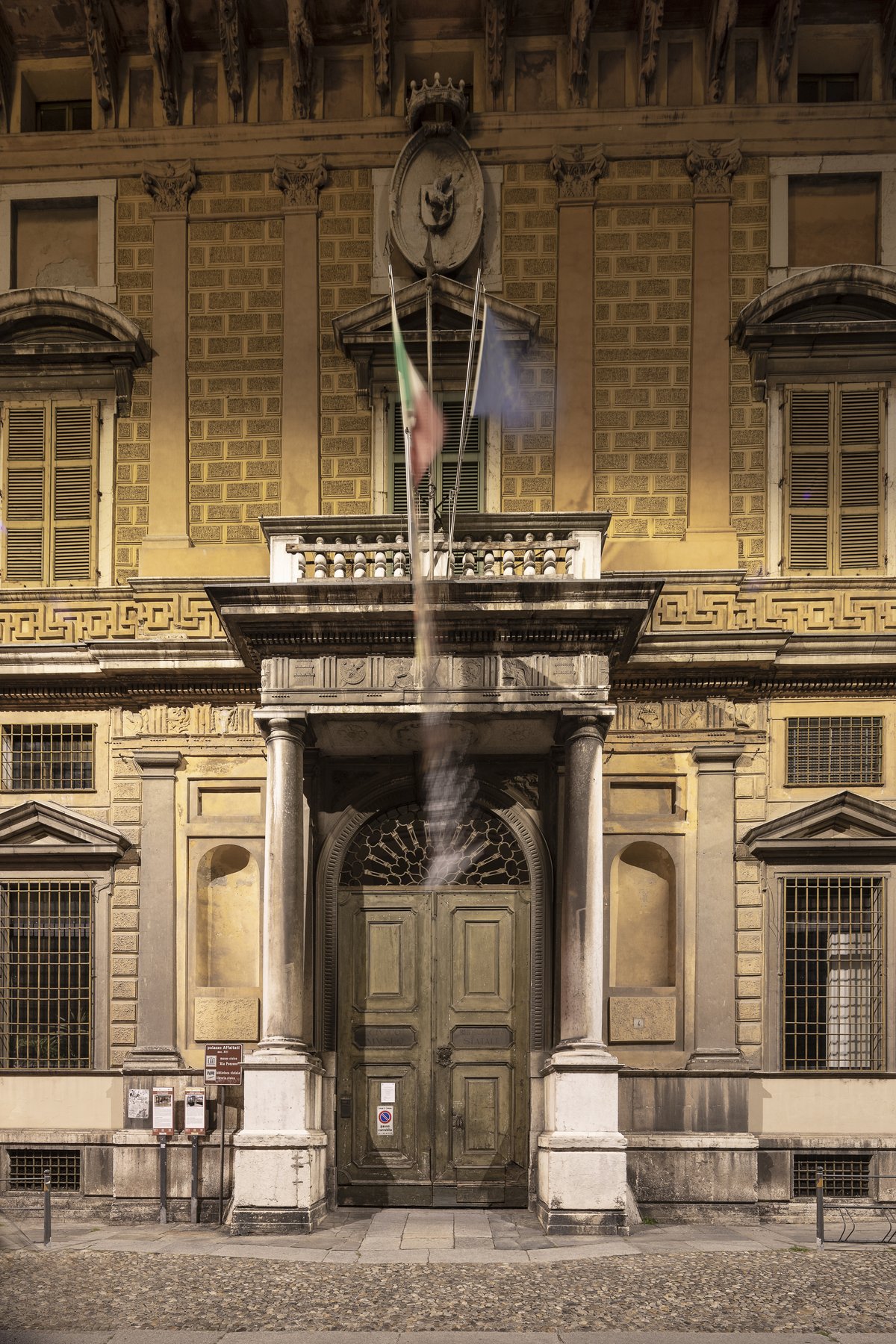 If you think Cremona is only about music and violin making, prepare for a pleasant surprise. The Civic Museum of Natural History awaits you on Via Ugolani Dati, a corner of science that absolutely deserves a visit. Founded in 1971, this museum is a true hidden gem, little-known but incredibly rich in content. The permanent collection spans two floors and guides you through the natural history of the Cremona territory, with special focus on the Po Valley and its ecosystems. Don't miss the paleontology section with Pleistocene fossils discovered in the area, witnesses to a distant past that few imagine. The zoological displays feature perfectly preserved mammals, birds, and reptiles, while the botanical section showcases the variety of local flora. What makes this museum special is its educational approach: the explanations are clear and accessible to everyone, with illustrative panels that make science fascinating even for non-experts. The room dedicated to insects is particularly popular with visitors, featuring an entomological collection that surprises with its completeness. Recently renovated in its exhibits, the museum also offers educational workshops for schools and families, making it an ideal destination for those traveling with children. Admission is free, a significant detail that encourages dedicating a couple of hours to this unusual discovery. In short, if you want to complete your Cremona experience with a different perspective, this museum will give you moments of genuine scientific curiosity.
Civic Museum of Natural History