If you're looking for the perfect cultural itinerary for one day in the heart of Cesena, this route will lead you to discover the Malatesta treasures that make this city unique. Starting from the majestic Malatesta Fortress, with its towers dominating the panorama, you'll cross the historic center until you reach the Malatesta Library, a UNESCO gem of rare beauty. You'll walk through lively squares, historic churches, and characteristic alleys, savoring the authentic atmosphere of a city rich in history. Ideal for those who want to concentrate art and culture into an intense but rewarding day, this Cesena historic center cultural itinerary will give you unforgettable emotions without the need for long transfers.
🗺️ Your trip at a glance
A walking itinerary that traverses the historic heart of Cesena in eight stops, from the medieval fortress to the UNESCO Renaissance gem.
- Ideal for those seeking a cultural route concentrated in one day, with an interactive map for easy navigation.
- Highlights: includes the Malatesta Fortress with panoramic views, the UNESCO World Heritage Malatesta Library, and lesser-known stops like the Venetian Loggia and the Garampo Hill Archaeological Park.
- Perfect for travelers interested in Malatesta history, Renaissance architecture, and well-organized, linear routes.
Itinerary stops
Stop no. 1
Malatesta Fortress
 Starting the Historic Cesena in One Day itinerary from the Malatesta Fortress means beginning from the city's highest point, both physically and historically. This 15th-century fortress commissioned by Domenico Malatesta Novello rises on Garampo Hill with its massive towers and imposing walls that have withstood centuries of history. Ascending along Via Malatesta Novello leads to the main entrance, where you access the inner courtyard and halls hosting temporary exhibitions. From the fortress terraces, you enjoy a 360-degree view of Cesena, from the Malatestiana Library to the Romagna hills, allowing perfect orientation for the rest of your journey. The structure still preserves the original patrol walkways and artillery positions, tangible evidence of its defensive role. As an example of Renaissance military architecture in Emilia-Romagna, the fortress represents a well-documented case study of urban fortification.
- Go to the page: Malatesta Fortress of Cesena: Towers, Walkways and Panoramic View over Romagna
- Via Malatesta Novello, Cesena (FC)
- Open in Google Maps
- View on Google Images

You should go if...
Stop no. 2
Venetian Loggia
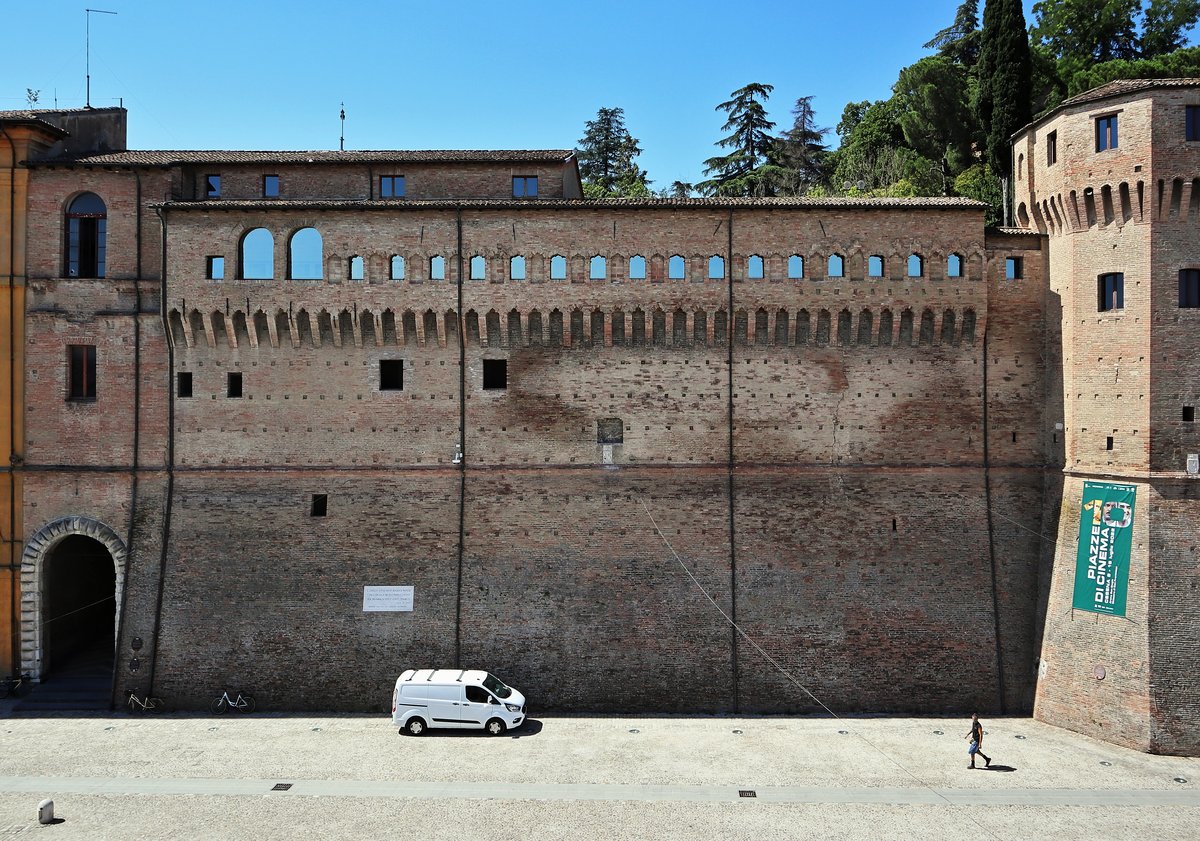 The Venetian Loggia is located on Via Fra' Michelino, an architectural jewel that testifies to Cesena's connections with the Serenissima. Built in the 15th century, this structure stands out for its elegant portico with round arches and the terracotta decorations typical of Emilian-Romagnol Renaissance art. Originally used as a meeting place for merchants and notables, today it's an ideal stopping point during the 'Historic Cesena in One Day' itinerary. Observing the details, one notices Venetian influences in the capitals and stonework, elements that recall documented cultural exchanges between Cesena and Venice. Its location, near the Malatestiana Library, allows visitors to appreciate how local architecture absorbed different styles, offering a concrete example of artistic integration. It's a place that invites a reflective pause, away from the crowds, to absorb the city's historical atmosphere.
- Via Fra' Michelino, Cesena (FC)
- Open in Google Maps
- View on Google Images
You should go if...
Stop no. 3
Masini Fountain
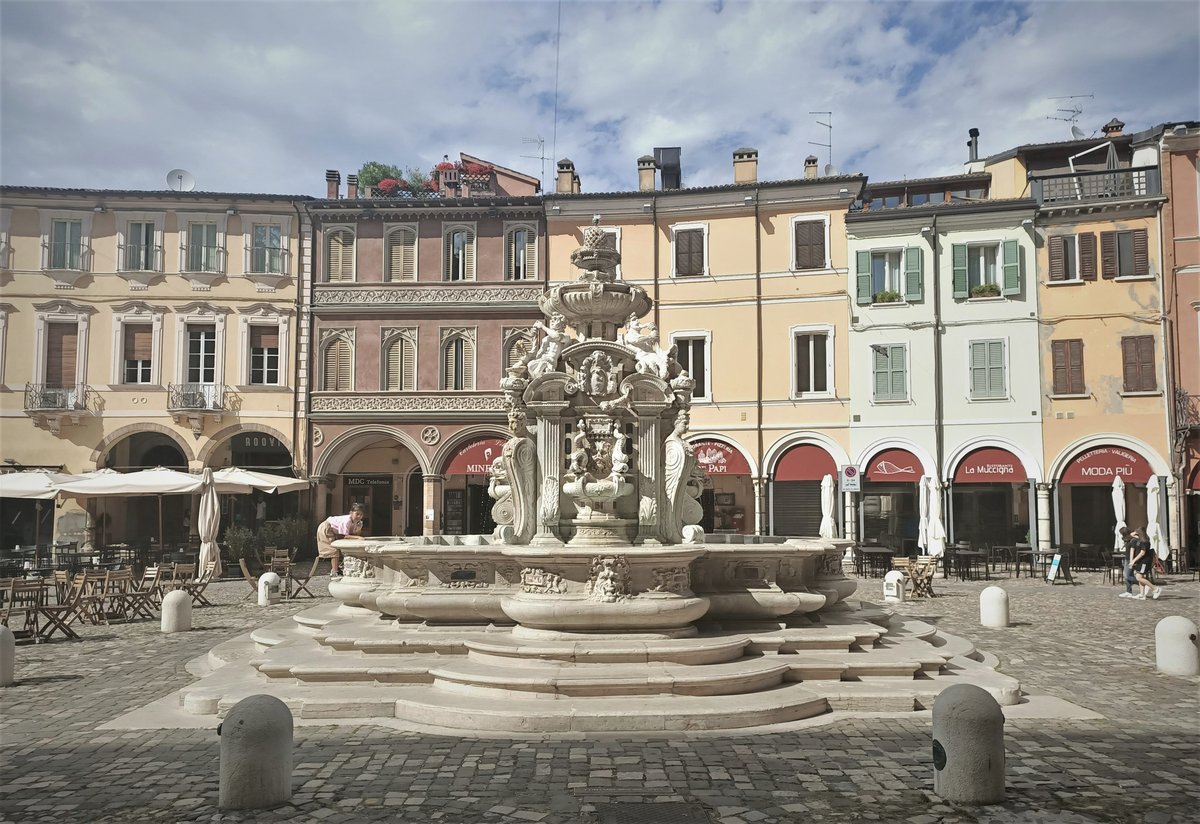 Leaving the Venetian Loggia behind, you reach the Masini Fountain on Salita Matteo Nuti, an example of 16th-century public art that dominates Cesena's historic center. Built between 1589 and 1591 based on a design by Francesco Masini, this monumental fountain is constructed from Istrian stone and Verona marble, materials that enhance its durability and prestige. The structure features an octagonal basin topped by a balustrade with allegorical statues, including prominent figures of Neptune and nymphs, symbols of Cesena's connection to water and the fertility of the Romagna region. Upon closer inspection, you'll notice the sculptural details of shells and mascherons, typical elements of late Renaissance Emilia-Romagna, echoing influences from artists like Jacopo della Quercia. Its location along a paved pedestrian path makes it an ideal stopping point to admire the integration of architecture and historic urban planning, offering a secluded atmosphere away from modern traffic.
- Salita Matteo Nuti, Cesena (FC)
- Open in Google Maps
- View on Google Images
You should go if...
Stop no. 4
Guerrini Bratti Palace
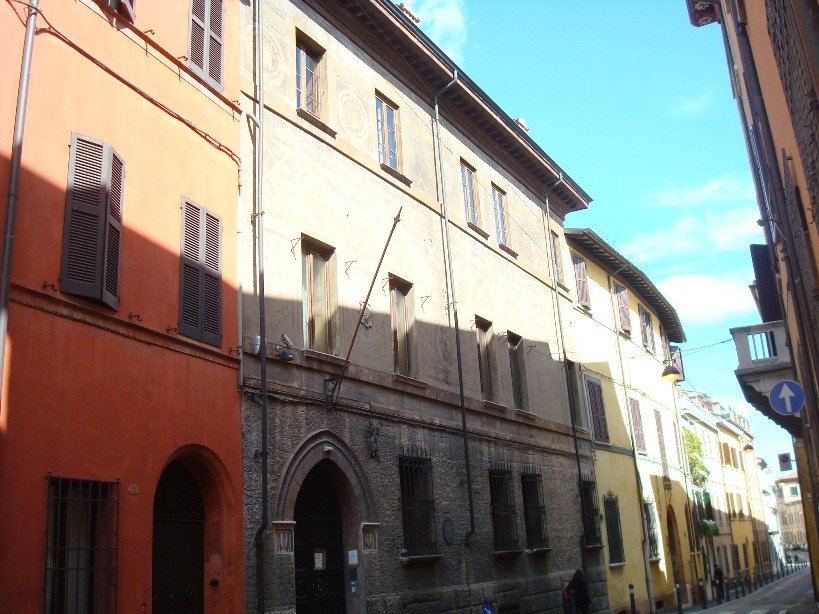 After admiring the Masini Fountain, head towards Via Chiaramonti to discover Guerrini Bratti Palace, a stately building that embodies Cesena's 18th-century civil architecture. Built in the 18th century at the behest of the Guerrini family and later passed to the Bratti family, the palace stands out for its facade of exposed brick and pietra serena, typical materials of historical Romagna construction, with windows framed by classical moldings. Inside, the rooms preserve coffered ceilings and original terracotta floors, examples of local craftsmanship that reflect the taste of the era. Today, it houses offices and cultural spaces, maintaining an active role in city life. Its location, near the Malatestiana Library, makes it an ideal stop for those wanting to delve into the history of Cesena's elites and their connection to the urban fabric, offering insight into how private architecture helped define Cesena's identity.
- Via Chiaramonti, Cesena (FC)
- Open in Google Maps
- View on Google Images
You should go if...
Stop no. 5
Malatestiana Library
 Leaving behind the 18th-century elegance of Palazzo Guerrini Bratti, you access the Malatestiana Library through the austere portal of Piazza Bufalini. This 1454 gem, commissioned by Malatesta Novello, represents the first example of a civic humanistic library in Europe and preserves its original furnishings intact. The reading room, with its 58 hand-carved walnut desks, houses 343 illuminated manuscripts including works on medicine, law, and philosophy. The three-nave structure with barrel vaults creates a unique atmosphere where every detail - from the ceramic bowls for powders to the gold lettering on the spines - tells the story of the Renaissance cultural revolution. The 2005 UNESCO inscription recognizes its universal value as testimony to the spread of knowledge in Emilia-Romagna.
- Go to the page: Malatestiana Library Cesena: 348 Illuminated Codices from 1454 in the UNESCO Hall
- Piazza Maurizio Bufalini 1, Cesena (FC)
- Open in Google Maps
- View on Google Images
You should go if...
Stop no. 6
Garampo Hill Archaeological Park
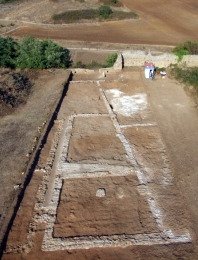 After immersing yourself in the Renaissance culture of the Malatestiana Library, the Garampo Hill Archaeological Park offers a completely different perspective on Cesena's history. This site represents the oldest Roman settlement in the city, with remains dating back to the 2nd century BC. Recent excavations have uncovered residential structures, a section of basalt-paved road, and a complex system of cisterns that demonstrate the urban organization of ancient Caesena. The park unfolds across a panoramic hill where, among centuries-old olive trees and Mediterranean vegetation, the foundations of patrician domus with their floor mosaics emerge. Particularly significant are the ceramic and numismatic artifacts displayed on educational panels, which testify to trade with the Adriatic. The elevated position allows visitors to appreciate the relationship between the ancient settlement and the current urban fabric, showing how Cesena has maintained its role as a crossroads between Romagna and Marche.
- Via Garampa, Cesena (FC)
- Open in Google Maps
- View on Google Images
You should go if...
Stop no. 7
Natural Science Museum
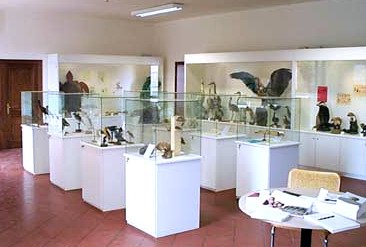 The Natural Science Museum of Cesena, located in Piazza Pietro Zangheri, offers an immersive journey into the natural richness of the Romagna region. The ornithological collection features over 300 specimens of local birds, including the peregrine falcon and grey heron, documenting species that inhabit the Rubicone and Savio valleys. The environmental dioramas meticulously reconstruct ecosystems of the Forlì Apennines, from Mediterranean scrubland to coastal wetlands. Particularly significant is the paleontological section with Miocene fossils discovered in Romagna's gypsum quarries, including shark teeth and marine shells that testify to the ancient presence of the sea in this area. The historical herbarium preserves botanical specimens collected by naturalist Pietro Zangheri, serving as a reference for studying the spontaneous flora of Emilia-Romagna.
- Piazza Pietro Zangheri, Cesena (FC)
- Open in Google Maps
- View on Google Images
You should go if...
Stop no. 8
Remembrance Park
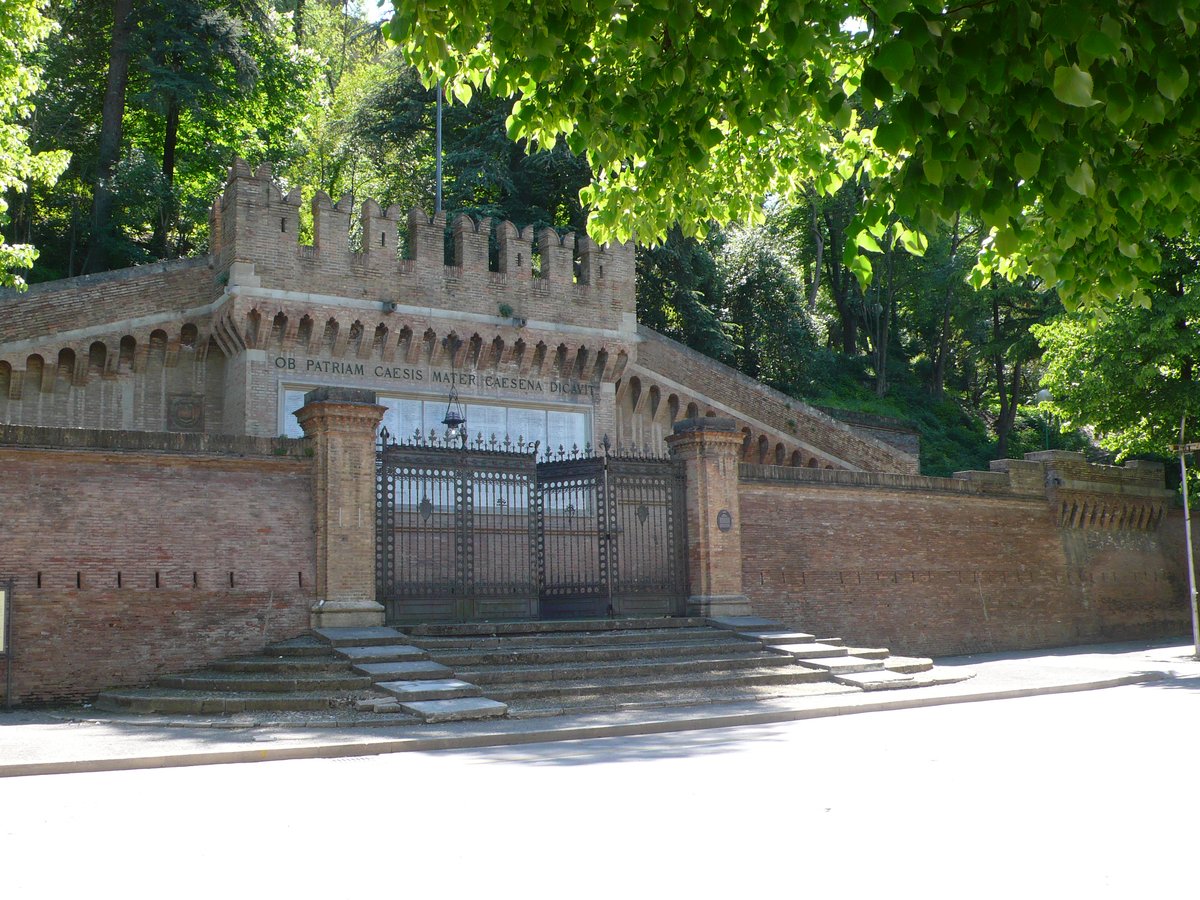 After visiting the Natural Science Museum, Remembrance Park offers a refreshing break in the greenery. This commemorative space, created in 1926 on Garampo Hill, preserves cypress trees planted in memory of the Cesena soldiers who fell in the Great War. Its elevated position provides breathtaking views of Cesena's historic center, from the Malatesta Fortress to the city towers, allowing you to appreciate the medieval urban layout. The paved pathways lead to panoramic spots equipped with benches, ideal for watching the sunset over the Romagna rooftops. The native species of Apennine flora, such as holm oaks and downy oaks, create a cool microclimate even in summer, while the commemorative plaques tell local stories often overlooked by conventional tourist routes.
- Cesena (FC)
- Open in Google Maps
- View on Google Images
You should go if...