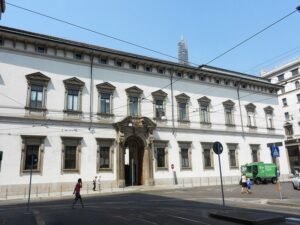
Former Casa del Fascio in Como: Rationalist Masterpiece with Transparent Facade by Terragni

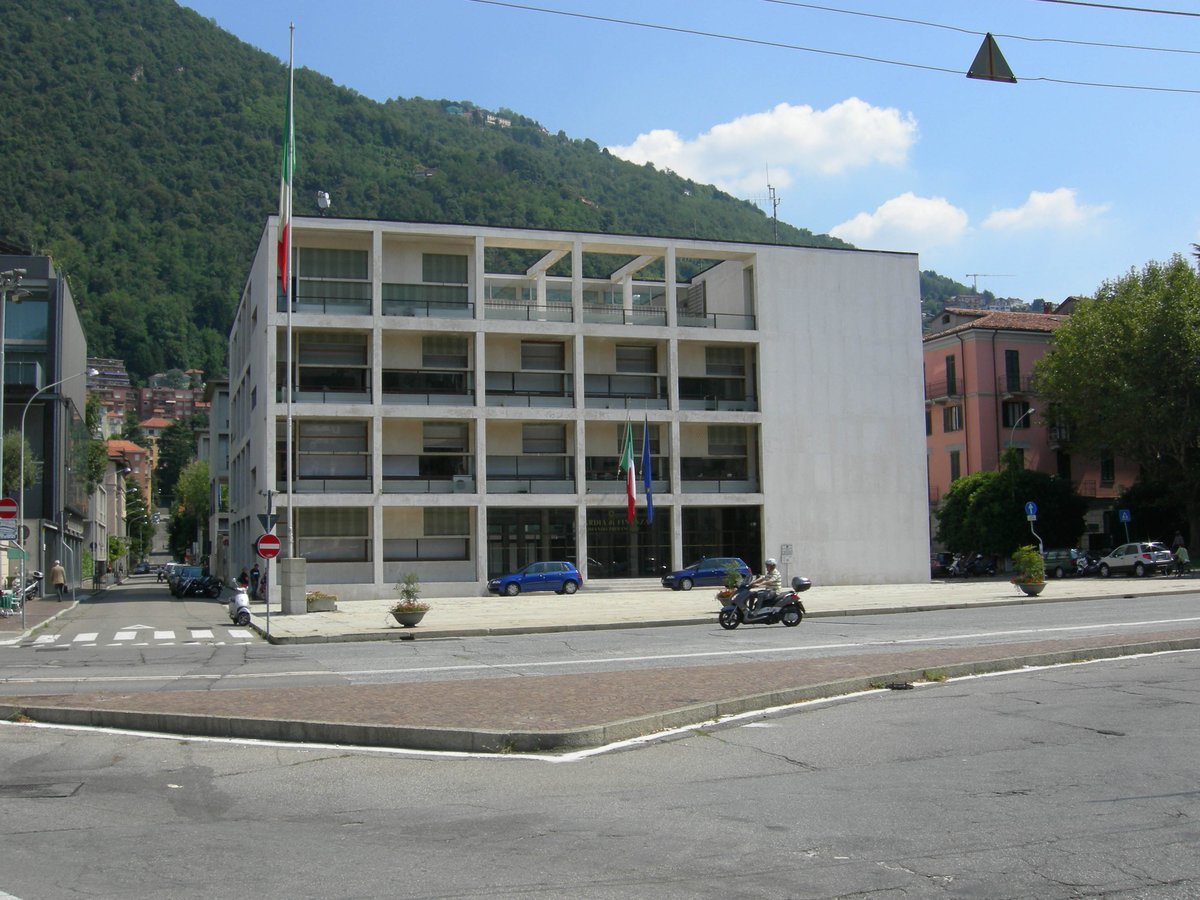
The former Casa del Fascio in Como is a masterpiece of rationalist architecture designed by Giuseppe Terragni, featuring a completely transparent facade that creates unique light effects. Today it houses the Provincial Fire Department Command and is recognized as a national monument, visitable by appointment in Como’s city center.

  • Transparent facade: Revolutionary large windows for the era that create effects of light and transparency
  • Rationalist architecture: Project by Giuseppe Terragni (1932-1936) with pure geometric volumes and studied proportions
  • National monument: Recognized worldwide for its historical and artistic value from the 20th century
  • Free visit: Accessible by appointment, ideal for modern architecture enthusiasts


Events nearby


Copertina itinerario Former Casa del Fascio in Como: Rationalist Masterpiece with Transparent Facade by Terragni
Historic building in Piazza del Popolo, designed by Giuseppe Terragni (1932-1936) with revolutionary large windows. Now home to the Fire Department, visitable by appointment to admire Italian rationalist architecture.

Introduction

Walking through the center of Como, you come across a building that takes your breath away: Giuseppe Terragni’s former Casa del Fascio. It’s not just a building, but a manifesto of rationalist architecture that challenges conventions with its transparent facade and pure geometric lines. Built between 1932 and 1936, this reinforced concrete and glass structure captures light in a unique way, creating transparency effects that interact with the city. Today, it houses the Provincial Fire Department Command, but remains a symbol of 20th-century Italy, visitable by appointment. Its essentiality and formal rigor transport you to an era of great transformations, offering an authentic glimpse into history and modern art. If you love architecture, this place is a must-see: it will move you with its boldness and how it manages to feel contemporary despite its years.

Historical Overview

The former Casa del Fascio in Como was designed by Giuseppe Terragni, a key figure in Italian Rationalism, commissioned by the National Fascist Party. Inaugurated in 1936, it was conceived as a venue for political and cultural activities, embodying modernity and power. After the war, the building underwent changes in use, first becoming a barracks and later the headquarters of the Fire Brigade, while preserving its original structure intact. Terragni employed innovative materials for the time, such as reinforced concrete and extensive glass surfaces, to create an architecture that expresses transparency and rationality. Today, it is recognized as a national monument and studied worldwide for its historical and artistic significance. Its history reflects the events of 20th-century Italy, from propaganda to civil repurposing.

  • 1932-1936: Construction based on Giuseppe Terragni’s design
  • 1936: Inauguration as the Fascist Party headquarters
  • 1945: Conversion into a barracks
  • 1960s: Assignment to the Fire Brigade
  • Today: Home to the Provincial Command and a visitable site

Architecture and Design

Entering the former Casa del Fascio means immersing yourself in a functional work of art. Terragni designed every detail with millimeter precision: the main facade, with its expansive glass windows and rhythmic pillars, creates a unique effect of lightness and transparency. Inside, the spaces are modular and flexible, designed to host assemblies and exhibitions. The central atrium is particularly noteworthy, where natural light filters through the windows, illuminating the marble floors and minimalist walls. The building uses materials such as travertine and steel, combined to enhance both durability and aesthetics. Don’t miss the details of the staircases and lighting fixtures, designed to integrate form and function. This architecture is not just to be admired, but to be experienced: it invites you to reflect on how space can influence human emotions and activities.

Tour Route

The tour of the former Casa del Fascio begins from the outside, where you can admire the facade facing Piazza del Popolo, with its play of volumes and transparencies standing out against the Como sky. Inside, you access the main spaces such as the atrium and the halls once used for meetings, now converted into Fire Department offices. It’s possible to request a tour that includes explanations about the load-bearing structure and decorative elements, such as the wrought iron railings and geometric floors. During the visit, notice how the light changes with the time of day, creating different atmospheres: in the morning, the rays illuminate the interiors with intensity, while at sunset the shadows accentuate the rationalist lines. Bring a camera to capture the contrasts between concrete and glass, and ask about the temporary exhibitions that sometimes enliven the spaces.

Why Visit It

Visiting the former Casa del Fascio offers you three concrete reasons: first, it’s a masterpiece of Rationalist architecture unique in Italy, where you can experience Terragni’s innovation firsthand; second, it provides an authentic glimpse into 20th-century history, without the need for tedious texts; third, its location in the heart of Como allows you to combine the visit with other iconic sites, making your day rich and varied. Plus, it’s free and accessible by reservation, ideal for curious travelers who want to delve deeper without spending. If you’re looking for an out-of-the-ordinary cultural experience, this building will surprise you with its ability to speak to the present through the past.

When to Go

The best time to visit the former Casa del Fascio is in the early morning hours, when the low-angled sunlight enhances the transparency of the facade and creates shadow plays in the interiors. In autumn, the warm colors of the surrounding foliage add a suggestive touch to the urban context. Avoid days with heavy rain, as the external visit loses some of its charm, and prefer clear days to fully appreciate the integration between architecture and environment. If you’re planning an outing, check the weather: a clear sky transforms the building into a true spectacle of light and geometry.

In the Surroundings

After your visit, explore the Como Cathedral, just a few minutes’ walk away, with its Gothic facade and interiors rich in artworks. Alternatively, head to the Volta Temple, dedicated to Alessandro Volta, for a thematic journey through science and innovation that ideally connects with rationalist architecture. Both locations enrich your experience with history and culture, without taking you far from the city center.

Itineraries nearby


💡 Did You Know…?

The most fascinating aspect is that Terragni designed the building as a ‘glass house’ to symbolize political transparency – an historical irony considering the fascist period. The marble panels on the facade are mounted without mortar, using only metal clips, an avant-garde construction technique for the 1930s. The atrium still preserves the original black and red linoleum flooring, designed by the architect himself.