Villa Varda Brugnera: Neoclassical Architecture and Italian-Style Garden

Villa Varda in Brugnera is a perfectly preserved neoclassical gem of Friuli Venezia Giulia, with a sober facade and decorated interiors. Its Italian-style garden, with geometric pathways and boxwood hedges, offers an intimate and secluded atmosphere. The privately owned villa is visitable on specific occasions or by appointment for groups, telling the story of local noble families.

  • 18th-century neoclassical architecture with an Ionic column portico and interiors featuring stuccoes and frescoes
  • Historical Italian-style garden with geometric flowerbeds, pathways, and perfectly maintained boxwood hedges
  • Privately owned and visitable on specific occasions or by appointment for groups
  • Convenient location near the center of Brugnera, ideal for exploring the Destra Tagliamento area and Friulian springs
Copertina itinerario Villa Varda Brugnera: Neoclassical Architecture and Italian-Style Garden
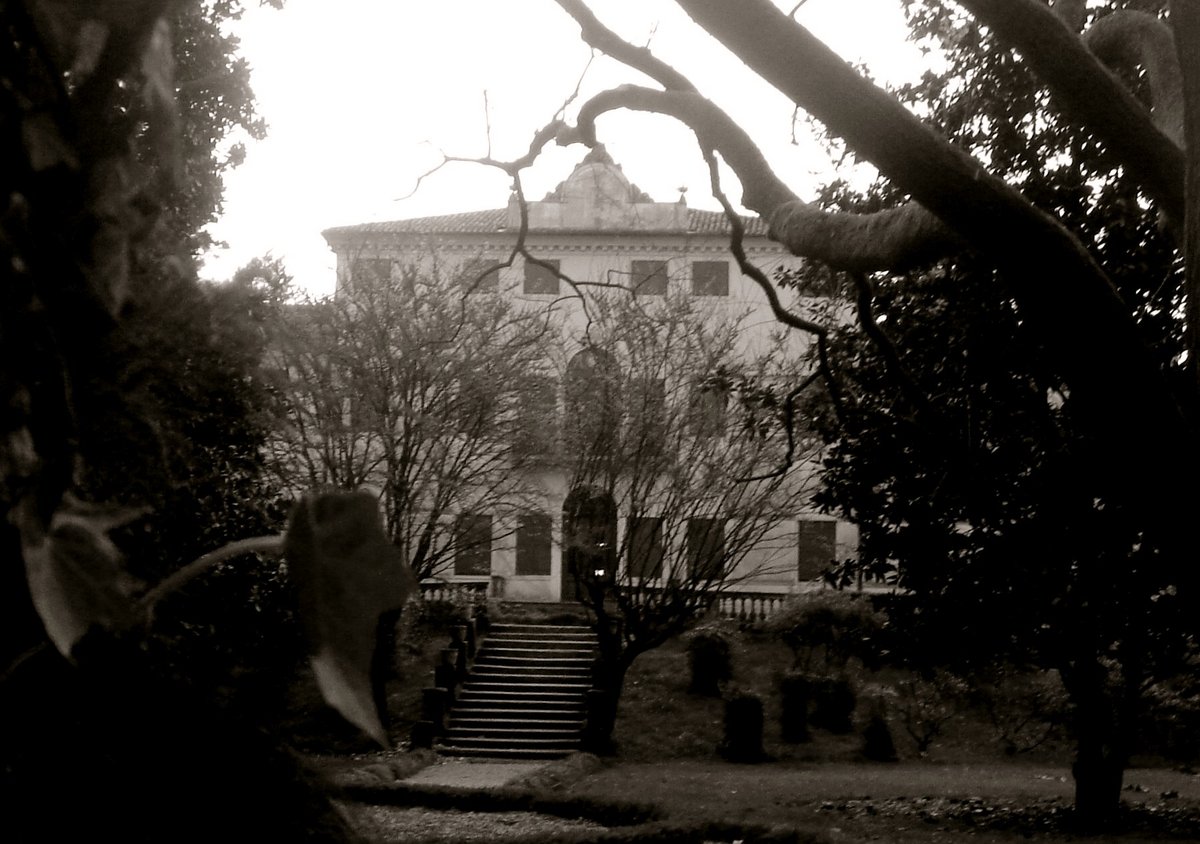
Villa Varda in Brugnera, Pordenone: an 18th-century neoclassical villa with interiors rich in stuccoes and frescoes, surrounded by a geometric historical Italian-style garden. Visitable by appointment for groups.

Good to know


A Hidden Gem in the Friulian Countryside

Just outside the center of Brugnera, Villa Varda emerges as an elegant surprise among cultivated fields. It’s not just a Venetian villa, but a perfectly preserved neoclassical gem that makes you feel like you’ve discovered a secret. The visual impact is immediate: the understated yet majestic facade, the portico with Ionic columns, and the triangular pediment welcome you with an aristocratic calm. What strikes you right away is the harmony between the building and its historic Italian garden, a neat green rectangle that seems to extend the architecture into nature. Strolling here, you breathe an atmosphere suspended in time, far from tourist frenzy. It’s the ideal place for those seeking beauty without ostentation, where every detail—from the statues to the trimmed hedges—tells a story of care and passion. Perfect for a refreshing stop during a tour of Friuli Venezia Giulia, Villa Varda offers an authentic experience of art and tranquility.

Historical Overview

Villa Varda was built in the second half of the 18th century at the behest of the Varda family, local landowners, as a country residence. The architectural design reflects the neoclassical taste of the period, with Palladian influences typical of Venetian villas. Throughout the 19th century, the villa changed hands several times but always maintained its agricultural and residential function, becoming a focal point for the local rural economy. During the 20th century, it underwent restoration work that preserved its structural and decorative integrity. Today, it is recognized as a site of historical and artistic interest, valued for its architecture and garden, which represent a significant example of Friulian cultural heritage. Its history is intertwined with that of the territory, bearing witness to the evolution of noble residences in a rural context.

  • Late 18th Century: Construction of the villa for the Varda family.
  • 19th Century: Changes in ownership and maintenance of agricultural function.
  • 20th Century: Conservation restorations to preserve the building.
  • Today: Protected site open to tourism enhancement.

The Garden: Geometry and Poetry

The garden of Villa Varda is a masterpiece of order and symmetry, designed according to the principles of the Italian garden. Don’t expect a romantic, wild park, but a rational space where every element has a precise placement. Gravel paths delineate geometric flowerbeds, often bordered by low boxwood hedges, creating a visual play of clean lines. At the center, you’ll often find a fountain or basin, adding a touch of freshness and movement. What makes this garden special is its cozy and intimate atmosphere: it’s not vast, but every corner is meticulously cared for, from the stone statues dotting the path to the plant varieties selected for staggered blooms. It’s the perfect place for a slow stroll, perhaps at sunset, when the slanting light enhances the textures of the villa and plants. Here, the art of landscape design merges with the tranquility of the countryside, offering a moment of pure contemplation.

Architecture: Elegance Without Excess

The villa itself is an example of sober and refined neoclassicism. The main facade, with its Ionic column portico topped by a triangular pediment, conveys a sense of balance and proportion. The materials used – primarily stone and plaster – contribute to a clean and harmonious appearance. Inside, the rooms (when accessible) often preserve original decorations such as stuccowork, marble fireplaces, and Venetian terrazzo floors, which tell the story of the agrarian bourgeoisie lifestyle in the 18th-19th centuries. There are no sumptuous Baroque frescoes, but rather a discreet elegance that highlights natural light and well-proportioned spaces. This essentiality is precisely its strength: it allows you to appreciate the construction quality and the taste of the era without distractions. For architecture enthusiasts, it’s a lesson in how beauty can reside in simplicity and the right proportions.

Why Visit It

Villa Varda is worth a visit for at least three concrete reasons. First, it is an authentic and well-preserved example of Neoclassical architecture in the rural Friuli region, rare to find in such condition. Second, its historic garden offers a peaceful and beautifully ordered experience ideal for a break from routine, perfect even for a short, rejuvenating pause. Third, it represents a tangible testament to local history, linked to the landowning families and agricultural life of the Pordenone plain, enriching the understanding of the area beyond the more famous destinations.

When to Visit

The most enchanting time to visit Villa Varda is undoubtedly in the late afternoon hours, especially during spring or early autumn. The low-angle sunlight accentuates the volumes of the neoclassical facade and the garden’s geometric patterns, creating long shadows and warm atmospheres. During these seasons, temperatures are mild, and the vegetation is at its peak: in spring with blooming flowers, in autumn with golden hues. Avoid the midday hours on summer days when the sun can be too intense to fully enjoy a stroll through the garden. A visit under these conditions will reward you with the most beautiful photos and the feeling of having the place almost to yourself.

In the Surroundings

To enrich your excursion, nearby you can explore two other characteristic places. The first is the village of Prata di Pordenone, with its ancient medieval castle (Castello di Toppo) and tranquil atmosphere, ideal for a stroll through historic streets. The second is the Livenza River resurgence area, a unique natural environment of crystal-clear spring waters and lush vegetation, perfect for short nature hikes and observing the typical flora and fauna of these ecosystems. Both locations complete the experience with notes of medieval history and typical Friuli natural landscapes.

Itineraries nearby


💡 Did You Know…?

The villa owes its name to the Varda family, who purchased it in the nineteenth century, but its origins are older: the central core dates back to the eighteenth century, possibly built on earlier structures. A detail few notice: in the garden, among the hedges, hide allegorical stone statues representing the seasons, typical of Venetian garden symbolism. If you’re lucky, during openings you can access the main hall, where a large marble fireplace bears the coat of arms of one of the owning families. Local legend has it that there was a secret passage in the cellars leading to a nearby church, never confirmed but adding to the mysterious charm of the place.