Evocative Introduction
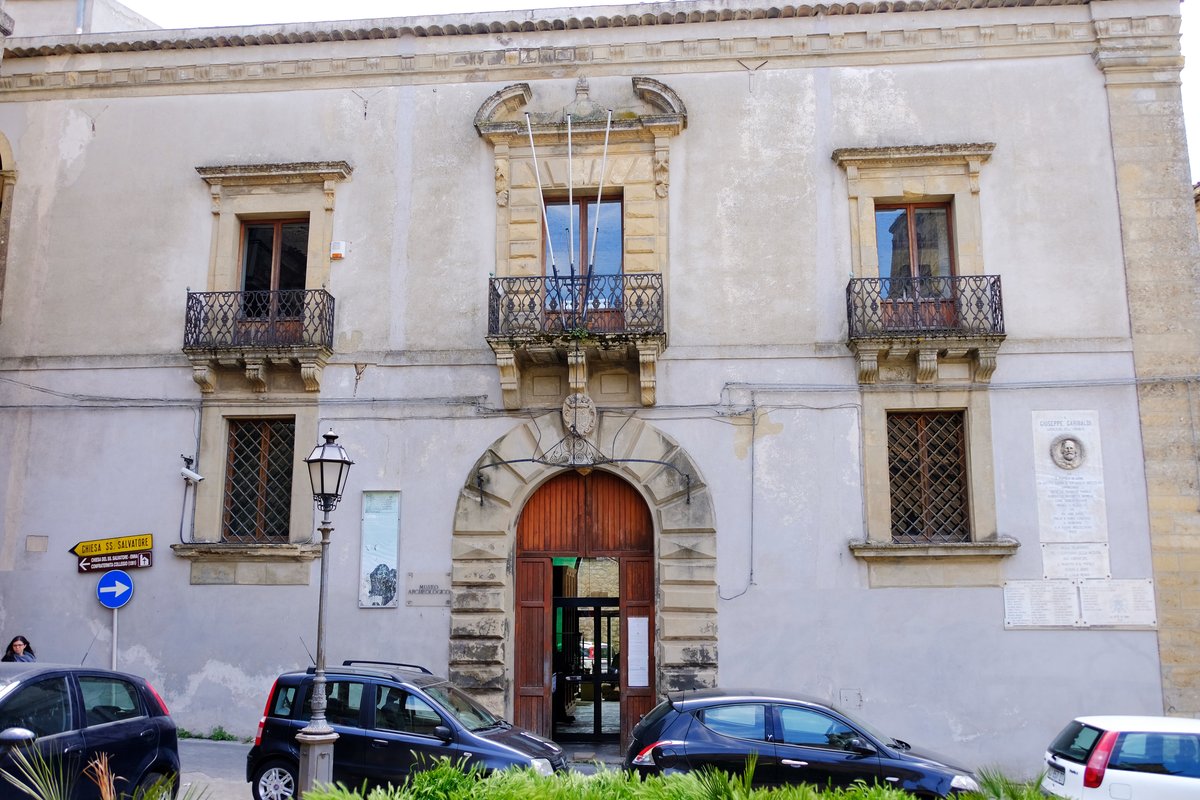
The Regional Archaeological Museum of Enna is a hidden gem in the heart of the historic center, inside the ancient Palazzo Varisano. As soon as you cross the threshold, you are enveloped by an intimate and cozy atmosphere. Here, the artifacts are not just objects; they speak of communities that lived on these hills millennia ago. From the Iron Age bronze fibulae to the Greek funerary goods, every piece has a story. And the best part? Entry is free, a surprise that makes everything even more accessible. If, like me, you love to get lost among ancient relics without rushing, this museum will win you over at first sight.
Historical Overview
The museum is housed in
Palazzo Varisano, an 18th-century building built on 16th-century foundations. Here, on August 13, 1862,
Giuseppe Garibaldi first shouted ‘O Roma o morte’ to his Redshirts – a detail that adds charm to the site. The museum opened in
1985 and was reorganized in 1993, collecting artifacts from excavations conducted by the Superintendence starting in 1979. Today it offers an overview of the history of Enna from prehistory to the Middle Ages. Here are the key moments:
- 16th century: construction of the palace
- 1862: Garibaldi’s speech
- 1979: start of systematic excavations
- 1985: museum inauguration
- 1993: reopening with new layout
Artifacts That Speak: From Prehistory to the Middle Ages
The exhibition is a journey through time. You start with the Copper and Iron Ages: fruit bowls, bronze fibulae, and local pottery. Then you move to the Greek era, where a 4th-century BC Attic red-figure krater stands out, depicting gymnasium scenes and a warrior’s departure. Don’t miss the funerary inscription of a priestess of Ceres, evidence of the cult of Demeter in Roman times. The cases also show votive terracottas and jewelry. Didactic panels explain the excavation contexts—such as at Cozzo Matrice, near Lake Pergusa—making everything very clear. The medieval section closes with glazed ceramics and objects from the castle.
The Allure of Funerary Goods
One of the most fascinating sections is dedicated to the funerary goods from Rossomanno, Agira, Assoro, Cerami, and Pietraperzia. Those from Rossomanno (from the 7th century BC) are exceptional: local metal jewelry, imported Greek pottery, and oriental scarabs that tell of faraway trade routes. These objects, placed in tombs, reveal the rites and beliefs of a society in transformation, influenced by the coastal Greek colonies. Admiring the fibulae, bracelets, and vessels, you almost seem to see the faces of those who wore them. An experience that goes beyond archaeology and touches the chords of emotion.
Why Visit It
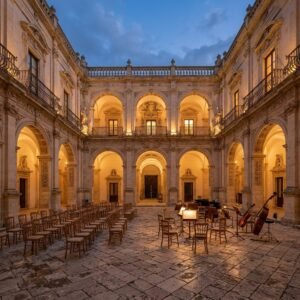
Three practical reasons: free admission – yes, you don’t pay anything, a rarity for a regional museum. Second: the artifacts are exclusively local, coming only from excavations in the province of Enna, so they tell a unique and authentic story. Third: the palace atmosphere, with its decorated rooms and light filtering through the windows, makes the visit enjoyable even for non-experts. Moreover, the museum is not crowded: you can take all the time you want without queues or crowds. A tip: ask for the brochure at the entrance to follow the suggested route.
When to Go
The museum is open year-round, but the best time is early morning, right when it opens at 9:00. The light streaming through the windows of Palazzo Varisano illuminates the artifacts magically, and there are almost no other visitors. If you can, pick a day in the shoulder season – spring or autumn – when Enna isn’t too hot and you can stroll peacefully. Avoid weekends if you’re seeking absolute silence; during the week, it’s a true oasis of peace.
Nearby
After your visit, take advantage of the central location: the museum is in front of Enna Cathedral, a Norman cathedral worth a stop. Just a few steps away is also Lombardy Castle, with its towers and a breathtaking view of Lake Pergusa. If you feel like a dip in nature, head to Lake Pergusa (about 10 km away), where you’ll find the remains of the ancient settlement of Cozzo Matrice. A perfect blend of culture and landscape.