
The Santa Croce Caves, in Bisceglie, are an archaeological site of international importance. Discovered in the 1930s, they yielded unique artifacts such as a Neanderthal femur and a Neolithic mat. Reopened to the public in 2022, they offer guided tours immersed in nature.
Highlights:
– Archaeological finds: Neanderthal femur (50,000 years old), plant fiber mat (6,500 years old)
– Karst formation: caves carved by an ancient underground river
– Recent reopening: 2022 after consolidation works
– Scout management: guided tours by the Bisceglie Scout Group
Events nearby


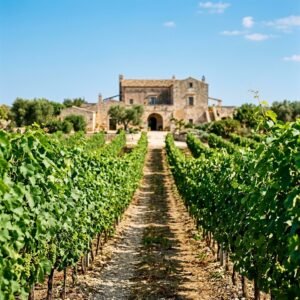
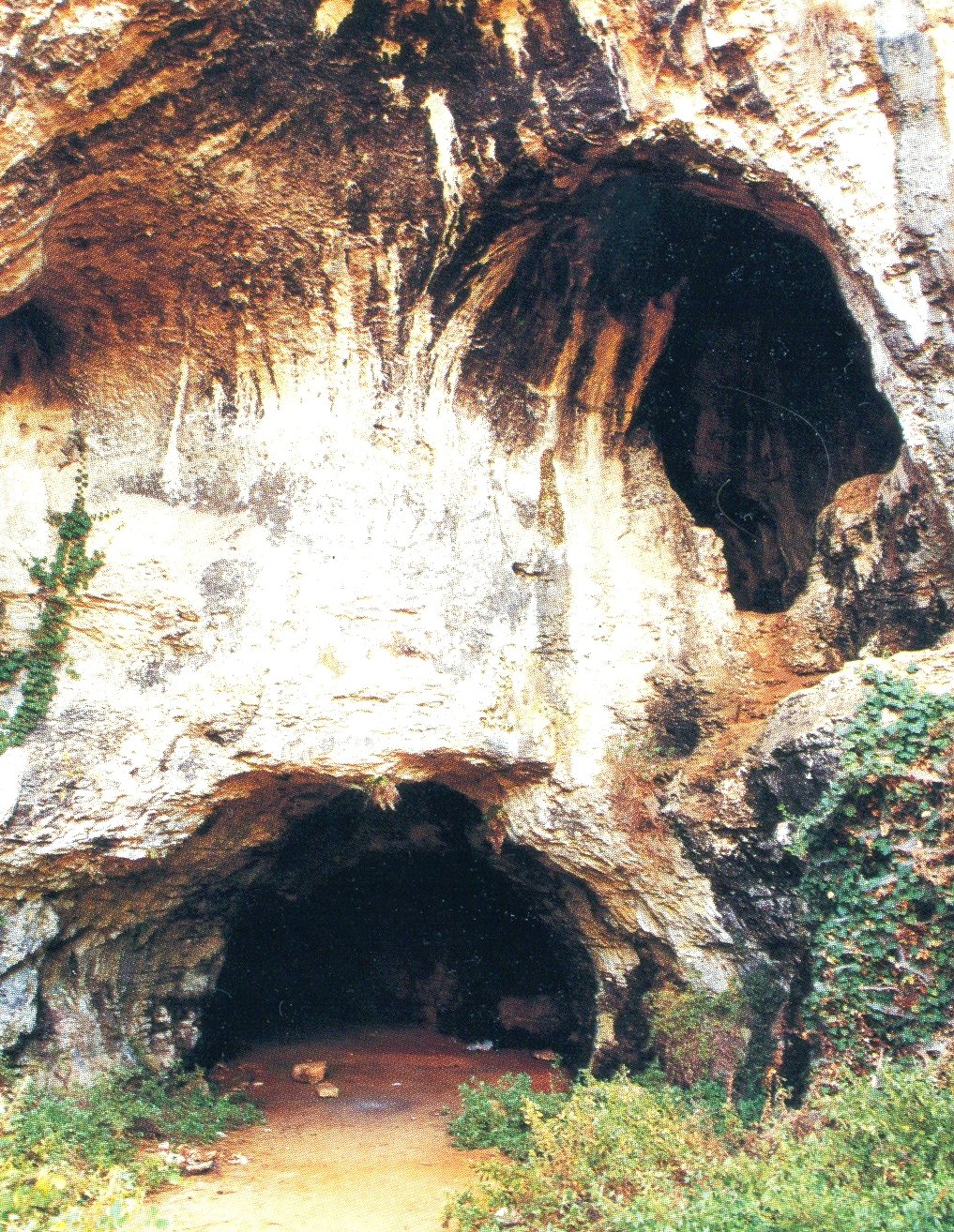
The Santa Croce Caves in Bisceglie offer a journey into prehistory among Neanderthal artifacts, a Neolithic mat, and parietal paintings. Reopened in 2022, visitable with a guide.
- http://www.grottesantacroce.it/
- scout.bisceglie@tin.it
- Strada Provinciale 34 da Bisceglie alla Ruvo – Corato, Andria (BT)
- +39 330 553 303
- Open in Google Maps
- View on Google Images Grotte di Santa Croce a Andria
Good to know
Introduction
Historical Notes
- 1934: caves discovered by Majellaro
- 1955: Neanderthal femur found
- 1975: Scout group begins enhancement
- 1997: University of Siena excavations uncover Neolithic mat
- 2012: closed for safety reasons
- April 3, 2022: reopened to the public
What to See: The Femur and the Mat
Visiting the Caves: Practical Tips
Why Visit
When to Go
Nearby
Itineraries nearby


💡 Did You Know…?
The discovery of the Neanderthal femur occurred in 1955, but the site was first identified by Francesco Saverio Majellaro, who recognized the cave’s importance in the 1930s. Local legend says the cave was used as a hideout by brigands, but today it is a place of peace and knowledge.