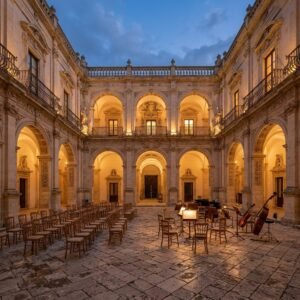
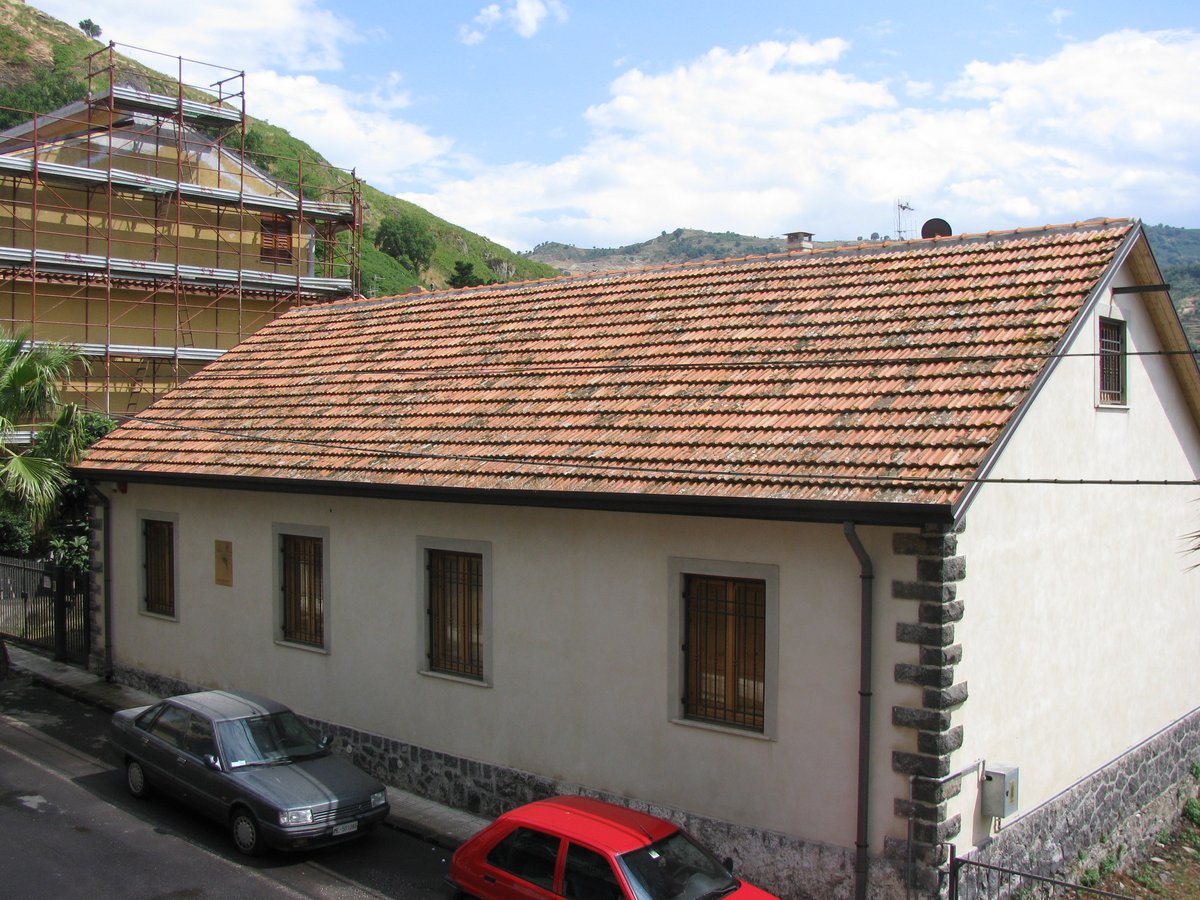
The Antiquarium Archaeological Museum of Francavilla di Sicilia preserves unique artifacts from the first Greek colony in Sicily and local communities. Located in the heart of the town, it offers an intimate experience with objects that tell the story of daily life over 2500 years ago. The modern exhibition and clear labels make the visit accessible to everyone.
- Pottery painted with Greco-Siculian geometric patterns
- Bronze tools and terracotta votive statuettes
- Modern exhibition with soft lighting and explanatory panels
- 8th century BC artifacts connected to ancient Naxos
Introduction
You expect a classic archaeological museum, but the Antiquarium of Francavilla di Sicilia surprises you right away. It’s small, yes, but it has an intimate atmosphere that makes you feel almost like an archaeologist discovering hidden treasures. It’s not just a collection of artifacts; it’s a direct window into the daily life of ancient Naxos and the Greco-Sicilian communities. I was struck by how the exhibits are arranged to tell a story, not just displayed. It’s located in a historic building in the town center, so the external setting alone prepares you for a journey back in time. It’s not a crowded place, making it perfect for lingering over details without rush. The entrance is often managed by passionate staff, ready to share anecdotes you won’t find in guidebooks. If you’re looking for an authentic museum experience, away from mass tourist flows, you’ll find it here. It’s one of those places that makes you appreciate the more authentic Sicily, made of lived history carefully preserved.
Historical Background
The Antiquarium was established to house artifacts from excavations in the area, which revealed settlements dating back to the 8th century BC.
The heart of the collection revolves around ancient Naxos, the first Greek colony in Sicily founded in 734 BC, and its interactions with the local Sicilian populations. The findings include ceramics, tools, and votive objects that show a unique cultural fusion. It’s not just classical Greek material: here you can see local influences, evidence of everyday exchanges. The timeline summary:
- 8th century BC: First settlements in the Francavilla area.
- 734 BC: Foundation of Naxos by Greek colonists.
- Archaic and Classical periods: Development of mixed Greek-Sicilian communities.
- 20th-21st century excavations: Discovery and study of artifacts, culminating in the opening of the Antiquarium.
The Artifacts That Speak
What captivated me is how certain objects still seem alive. The ceramics painted with geometric patterns aren’t just beautiful to look at—they tell stories of artisans blending Greek and Sicilian styles. There are small, delicate votive terracotta statuettes that would have been offered at local sanctuaries—imagining them in someone’s hands millennia ago gives me chills. Then there are bronze utensils, like knives and buckles, showcasing practical, everyday life. Don’t expect grand marble statues: here, it’s ancient normality that shines. One section is dedicated to funerary goods, with vases that accompanied the deceased—a melancholic yet fascinating touch. The museum is organized thematically, so follow the thread and you’ll feel like you’re walking through an ancient village. Personally, I adored the pottery fragments with inscriptions: little messages from the past, almost indecipherable but full of mystery.
The Engaging Exhibition
It’s not a boring museum with dusty display cases. The exhibition is modern and designed to engage visitors with history. The lighting is soft, creating an intimate atmosphere that invites you to linger. The labels are clear, without excessive technical jargon, and often include interesting tidbits—like how certain artifacts were discovered during agricultural work. There are explanatory panels that present the historical context in a simple way, ideal for non-experts. I noticed that some artifacts are displayed at varying heights, so even children can see them well. There’s a small room with multimedia stations where you can virtually explore some excavations—useful but not overwhelming. The layout is linear, yet you feel free to move back and forth. Perhaps there’s a bit less physical interactivity, but for a small museum, it’s well-balanced. I appreciated how they used muted colors on the walls, which make the artifacts stand out without being distracting.
Why Visit It
First, because it offers a rare glimpse into ancient daily life, not just major historical events. Second, it’s a human-scale museum: it doesn’t overwhelm you, you can see everything in an hour without stress, absorbing every detail. Third, its location in the center of Francavilla allows you to combine culture with a stroll through the old town, perhaps with a stop at a local pastry shop—ideal for a slow day. Plus, there are often temporary exhibitions or events related to experimental archaeology, making each visit potentially unique. If you’re tired of crowded museums where you rush through the halls, here you’ll find peace and concentration. And for enthusiasts, it’s a perfect base for then exploring the archaeological sites in the surrounding area, even if they’re not always accessible.
When to Go
I visited on an autumn morning, with that golden light filtering through the windows, and it was magical. I’d recommend avoiding the hottest summer hours, not because of the heat inside (there’s air conditioning), but because the surrounding village is more lively in the morning or late afternoon. In spring, when the surrounding countryside is in bloom, the visit pairs perfectly with a refreshing walk. In winter, it can be a pleasant stop on a cloudy day, perhaps after a rain that makes the atmosphere even cozier. Personally, I find weekdays are best for enjoying the tranquility, but weekends are never too crowded either. If you can, pair it with lunch at a local trattoria – the contrast between ancient and modern is delightful.
In the Surroundings
After the museum, make a stop at the Castle of Francavilla, a medieval fortress with panoramic views over the Alcantara Valley – perfect for photos and to immerse yourself in more recent history. Then, if you’re interested in open-air archaeology, look for the remains of ancient Naxos in the nearby coastal area, though they’re not always easily accessible without a guide. For a themed experience, try to find a local farm offering tastings of typical products like oil or wine, connecting you to the area’s ancient traditions. Francavilla itself has a pleasant historic center to wander through, with churches and alleys that tell centuries of stories.