Ferrara’s Cathedral of Saint George: White and Pink Marble Facade and Museum with Works by Cosmè Tura

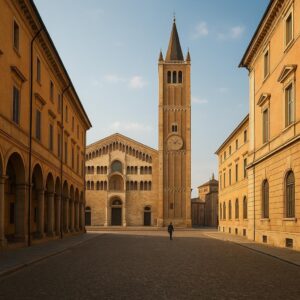
The Cathedral of Saint George Martyr dominates Piazza Trento e Trieste with its imposing white and pink marble facade, a Romanesque-Gothic masterpiece in the heart of Ferrara’s UNESCO historic center. Access to the main nave is free, while the Cathedral Museum houses precious artworks. Its strategic location allows visitors to easily explore on foot the Este Castle and the nearby Jewish Ghetto.

  • Romanesque-Gothic facade in white and pink marble with sculptures of the months and stories from the New Testament.
  • Cathedral Museum with works such as the organ panels by Cosmè Tura and the Last Judgment by Bastianino.
  • Free access to the main nave and central location in the UNESCO historic center.
  • Unfinished Renaissance bell tower by Biagio Rossetti, 45 meters high, offering views over the historic center.


Events nearby

Copertina itinerario Ferrara's Cathedral of Saint George: White and Pink Marble Facade and Museum with Works by Cosmè Tura
The Cathedral of Saint George Martyr in Ferrara, with its Romanesque-Gothic facade in white and pink marble, offers free access to the nave. It includes the Cathedral Museum with works such as panels by Cosmè Tura and the Last Judgment by Bastianino. Central location near the Este Castle.

Good to know


Introduction

As soon as you arrive in Piazza Trento e Trieste, the Cathedral of San Giorgio Martire strikes you with its Romanesque-Gothic facade that resembles a stone book. The three portals, the sculptures of the months, and the stories from the New Testament guide you inside, where the atmosphere completely changes: the Renaissance bell tower looms, unfinished yet majestic, while the apse dominates the square with its soaring forms. This is not just a church; it’s the heart of Ferrara, declared a UNESCO World Heritage site, and every detail tells centuries of history. Entering here means breathing in the essence of the city, among marbles, frescoes, and that silence that speaks of devotion and art.

Historical Overview

Construction of the Cathedral began in 1135, commissioned by Bishop Landolfo on a site already dedicated to worship. Originally built in Romanesque style, it was expanded in the 14th century with Gothic elements, such as the rose window and the portal by Nicholaus. In the 15th century, Biagio Rossetti added the bell tower, which was never completed, while the interior underwent Baroque transformations following a fire in the 17th century. Figures such as Duke Borso d’Este and local artists left their mark, making it a symbol of Ferrara’s religious and civil power.

  • 1135: Construction begins in Romanesque style
  • 14th century: Gothic additions and sculptures by Nicholaus
  • 15th century: Bell tower by Biagio Rossetti
  • 17th century: Baroque renovations after the fire

Hidden Treasures Within

Beyond the majestic facade, the Cathedral’s interior holds surprises like the Universal Judgment by Bastianino in the dome, a fresco that envelops you with its dramatic tones. Descending into the crypt, you’ll discover Romanesque remains and the tomb of Saint Maurelius, patron saint of Ferrara, while the Cathedral Museum safeguards precious works such as the organ panels by Cosmè Tura. Don’t miss the Chapel of the Madonna delle Grazie, with ex-votos that bear witness to centuries of popular devotion. Every corner speaks of faith and art, to be admired without haste.

The Bell Tower and Its Stories

The bell tower, designed by Biagio Rossetti in 1412, is a Ferrara icon: standing 45 meters tall and never completed, its red brick structure dominates the skyline. Climbing it (when possible) offers a unique view over the UNESCO historic center, with the Este Castle and medieval alleyways. Local legends say its unfinished state is due to disputes among powerful families, but today it stands as a symbol of resilience. Observe the architectural details, such as the bifora windows, which tell the story of the transition from Gothic to Renaissance.

Why Visit

Visit the Cathedral for three practical reasons: first, access to the main nave is free, perfect for a tight budget; second, the Cathedral Museum (paid entry) is worth the cost for treasures like illuminated manuscripts and sacred vestments; third, its central location allows you to combine it with other sites within a few minutes’ walk. Additionally, events such as organ concerts or temporary exhibitions enhance the experience without requiring complex planning.

When to Go

The most enchanting time is at sunset, when the warm light illuminates the white and pink stone facade, creating shadow plays on the sculptures. In spring or autumn, the mild days allow you to enjoy the square without the crowds, perhaps after a rain that makes the bricks more vivid. Avoid peak weekend hours for a more peaceful visit.

In the Surroundings

Just steps away, explore the Este Castle, with its moats and frescoed halls that recount the Este dynasty. Then, lose yourself in the Jewish Ghetto, a maze of streets where you can discover synagogues and ancient shops, perfect for a themed itinerary on history and culture.

Itineraries nearby


💡 Did You Know…?

Legend has it that the unfinished bell tower was designed by Leon Battista Alberti but never completed due to lack of funds. Inside, look for Bastianino’s Last Judgment on the counter-facade: the faces of the damned are portraits of Ferrara citizens of the time, a detail that makes the work vivid and personal. In the Chapel of St. Maurelio, the saint’s relics are linked to miraculous stories passed down through centuries.