
🧭 What to Expect
- Ideal for those seeking Renaissance art and natural landscapes away from tourist crowds.
- Combines the UNESCO historic center of Ferrara with Este castles and the delights of the countryside.
- Includes Comacchio with its canals and the Po Delta, a wetland area of unique biodiversity.
- Offers archaeological stops like Spina and historic architecture from Pomposa Abbey to Teatro Borgatti.
Events nearby
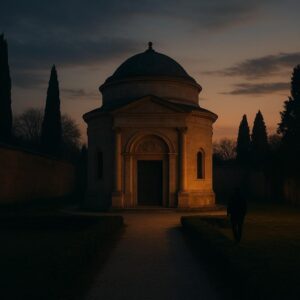
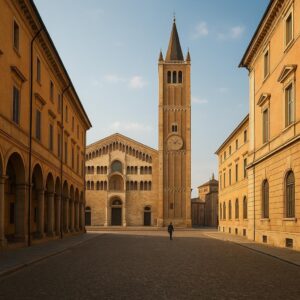
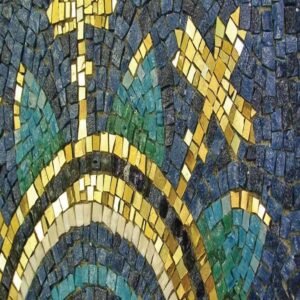
The Province of Ferrara is a territory that surprises with its variety: from the Renaissance architecture of the Este castles to the aquatic landscapes of the Po Delta, passing through the salt pans of Comacchio. The city of Ferrara, a UNESCO World Heritage site, preserves its historic center intact with the Castello Estense and Palazzo dei Diamanti, while in the surrounding areas you can discover delights like Verginese and Belriguardo. Comacchio, with its canals and Trepponti, recalls a miniature Venice. The Pomposa Abbey and the archaeological site of Spina complete an itinerary between art, history, and nature. Ideal for those seeking a journey off the beaten path, the province also offers cycling routes through the countryside and tastings of local products like Comacchio eel.
Overview
- Estense Castle
- Diamond Palace
- St. George Martyr Cathedral
- Trepponti of Comacchio
- Pomposa Abbey
- Spina Archaeological Site
- Schifanoia Palace
- Mesola Estense Castle
- Rocca Possente di Stellata
- Verginese Estense Delight
- The Este Delight of Belriguardo
- Copparo Delight
- Delizia di Benvignante
- Palazzo Pio di Tresigallo
- Giuseppe Borgatti Theatre
Itineraries nearby

Estense Castle
- Go to the page: Estense Castle Ferrara: Medieval Fortress with Frescoed Halls and Rampart Walkways
- Largo Castello 1, Ferrara (FE)
- https://www.castelloestense.it
- Open in Google Maps
- View on Google Images
- castelloestense@comune.fe.it
- +39 0532 419180
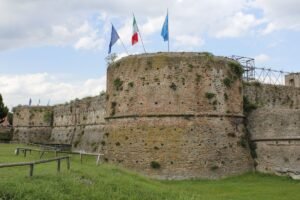
 The Estense Castle is the undisputed symbol of Ferrara, an imposing medieval fortress that towers over the heart of the city. Built in 1385 by order of Niccolò II d'Este as a defensive structure, it later became the residence of the family that shaped Ferrara's history. Today you can visit its frescoed halls, such as the Chapel of Renée of France and the Prisons, where illustrious figures including Giulio d'Este were imprisoned. Climbing the towers – Lion Tower, Saint Catherine Tower, Saint Paul Tower, and Marchesana Tower – offers a breathtaking panoramic view of the historic center and ancient walls. Inside, the tour route leads you through courtyards, monumental staircases, and spaces that tell centuries of power and court intrigues. Don't miss the alabaster chambers, dedicated to the muses of the arts, and the temporary exhibitions that enliven the exhibition spaces. The castle is easily accessible on foot from the center and is a must-see stop for anyone wanting to immerse themselves in Renaissance Ferrara, a UNESCO World Heritage site.
Diamond Palace
- Go to the page: Palazzo dei Diamanti Ferrara: Facade with 8,500 Diamond-Shaped Bosses and the National Art Gallery
- Corso Biagio Rossetti, Ferrara (FE)
- Open in Google Maps
- View on Google Images
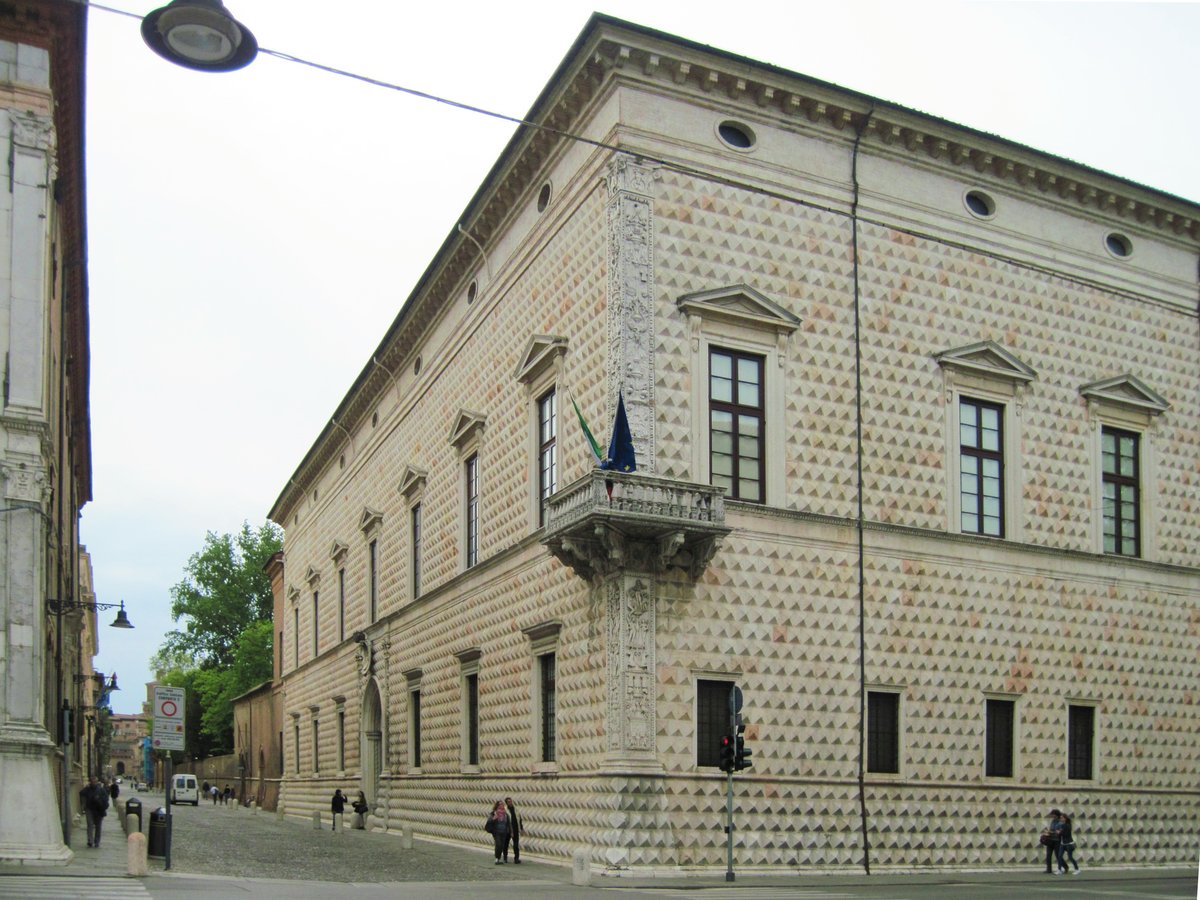 The Diamond Palace is one of Ferrara's undisputed symbols, an architectural masterpiece that will leave you breathless from the outside. Its facade is unique in Italy, covered with over 8,500 white and pink marble bosses arranged in a diamond pattern, from which it takes its name. Built at the end of the 15th century by order of Sigismondo d'Este, the palace represents the pinnacle of Ferrara's Renaissance and stands right at the intersection of the road axes designed by Biagio Rossetti, the famous architect who redesigned the city.
Today the palace houses the National Gallery of Ferrara, with a permanent collection ranging from 15th-century local masters like Cosmè Tura and Francesco del Cossa to works by later Emilian artists. But it's primarily for its high-level temporary exhibitions that the Diamond Palace is famous: displays dedicated to great names in art, from Chagall to Boldini, attract visitors from across the region. The interior, with its frescoed halls and porticoed courtyard, preserves the elegance of the Este era. Don't miss the Games Room, where you can admire the original frescoes depicting scenes of courtly life.
St. George Martyr Cathedral
- Go to the page: Ferrara's Cathedral of Saint George: White and Pink Marble Facade and Museum with Works by Cosmè Tura
- Via Guglielmo degli Adelardi, Ferrara (FE)
- Open in Google Maps
- View on Google Images
 St. George Martyr Cathedral dominates Piazza Trento e Trieste with its imposing white and pink marble facade, a masterpiece of Emilian Romanesque architecture that captures your attention at first glance. Upon entering, you'll be struck by the contrast between the medieval exterior and the Baroque interiors, the result of 18th-century renovations. Don't miss the Universal Judgment by Bastianino on the counter-facade, a majestic fresco that envelops the nave with its drama. Descend into the crypt to admire the remains of the original church and the relics of St. George, the city's patron saint. The Renaissance bell tower, unfinished yet elegant, offers a unique view of the historic center if you climb to the top. Ferrara is a UNESCO World Heritage site, and this cathedral is one of its pillars: every detail, from the sculptures of the months on the portal to the paintings by Garofalo, tells centuries of Este rule. The visit to the Cathedral Museum, next door, completes the experience with treasures like the Month panels and ancient tapestries. It's a living place: attend a mass to hear the acoustics that amplify the choirs, or simply sit on a pew to absorb the quiet. Practical: admission is free, but a ticket is required for the museum. Check the opening hours, especially if you want to avoid weekend crowds.
Trepponti of Comacchio
- Via Trepponti, Comacchio (FE)
- Open in Google Maps
- View on Google Images
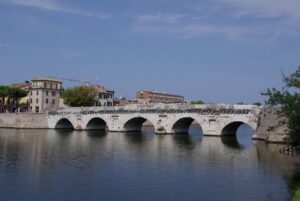
 If you visit Comacchio, the Trepponti are an unmissable stop. This monumental 17th-century bridge, designed by architect Luca Danese, is the true symbol of the city. It's not just a simple bridge: it's an engineering masterpiece that connects five different canals, with staircases branching out in multiple directions. Climbing its steps gives you a privileged view over Comacchio's canals and the characteristic brick bridges that earned the city its nickname 'little Venice'. The structure is imposing, with towers and arches reminiscent of fortifications, and in the evening, when it's illuminated, it creates a magical atmosphere. It's the perfect spot for taking memorable photos and orienting yourself in the historic center. The Trepponti aren't just an attraction to look at: they're the beating heart of Comacchio, where history and daily life blend together. Stop here to breathe in the authentic essence of the city, between the reflections on the water and the sounds of passing boats.
Pomposa Abbey
- Località Pomposa Centro 12, Pomposa (FE)
- Open in Google Maps
- View on Google Images
- +39 0533 719119
 Pomposa Abbey is one of those places that strikes you with its aura of peace and history. Upon arrival, you're greeted by the slender bell tower, standing 48 meters tall, which rises above the plain like a medieval beacon. Entering the basilica, you're immediately captivated by the polychrome floor mosaics and the 14th-century frescoes from the school of Vitale da Bologna, which tell biblical stories with incredible vibrancy. Don't miss the refectory with its fresco of the Last Supper, a work that makes you feel part of an ancient tradition. This is where Guido d'Arezzo lived and worked, the monk who invented modern musical notation: walking through these walls means breathing in centuries of culture. The complex also includes the Palazzo della Ragione and the cloister, perfect for a contemplative pause. The abbey stands in a unique location, once isolated between the waters of the Po River and the sea, and today it's an oasis of silence just steps away from vibrant Ferrara. I recommend visiting on a sunny morning, when light filters through the windows and illuminates the artistic details. It's an experience that unforgettable combines spirituality, art, and history.
Spina Archaeological Site
- Via Valle Lepri, Comacchio (FE)
- Open in Google Maps
- View on Google Images
 The Spina archaeological site is one of the most fascinating treasures in the province of Ferrara, a place that transports you back in time to the 5th century BC when this Etruscan city was a thriving commercial port on the Adriatic Sea. Today, what remains of Spina lies within the Comacchio Valleys, a wetland area of extraordinary natural beauty that has preserved the remains of this ancient civilization for centuries. The site was discovered by chance in the 1920s during land reclamation works, revealing a necropolis with over 4,000 tombs and the remains of the settlement. Visiting Spina means immersing yourself in a distant past where the Etruscans traded with Greece, as evidenced by the Attic pottery finds. The visitor route guides you through the remains of house foundations and streets, showing the urban organization of a city that was a crossroads of cultures. To fully appreciate the experience, combine your visit with the Ancient Delta Museum in Comacchio, where the funerary goods and everyday objects found are displayed. The atmosphere is unique: the silence of the valleys, the flight of waterbirds, and the sensation of walking on buried history. I recommend visiting in spring or autumn to enjoy the mild climate and the colors of nature. Remember that access is only possible with guided tours, bookable at the museum or local tourist offices.
Schifanoia Palace
- Go to the page: Schifanoia Palace: Hall of the Months and Renaissance Frescoes of the Este Family
- Via Scandiana, Ferrara (FE)
- Open in Google Maps
- View on Google Images
 Schifanoia Palace is one of the jewels of Ferrara's Renaissance, commissioned by Borso d'Este as a place for leisure and representation. The name itself, meaning 'to escape boredom', reveals its original function. The heart of the visit is the Hall of the Months, where you can admire one of the most important pictorial cycles of 15th-century Italy, created by the school of Francesco del Cossa and Ercole de' Roberti. The frescoes, divided into twelve panels, depict the months of the year with complex astrological symbolism, court scenes, and mythological allegories. The upper part of each panel shows the triumphs of the gods, while the central section illustrates the zodiac signs and decans, and at the bottom, you can see the activities of Borso d'Este. Unfortunately, only some months are well preserved, such as March, April, and September, but they are enough to understand the grandeur of the project. In addition to the Hall, the palace houses the Museum of Antiquities, with local archaeological finds, including Etruscan and Roman ceramics and bronzes. The building, with its brick facade and ogival windows, is an example of late Gothic Este architecture. The visit is a plunge into 15th-century Ferrara, when the Estes transformed the city into a cutting-edge cultural center. It's recommended to book a guided tour to grasp the most hidden details of the frescoes and the history of the palace.
Mesola Estense Castle
- Go to the page: Estense Castle of Mesola: Renaissance fortress in the Po Delta with historic park
- Piazza Umberto primo, Mesola (FE)
- Open in Google Maps
- View on Google Images
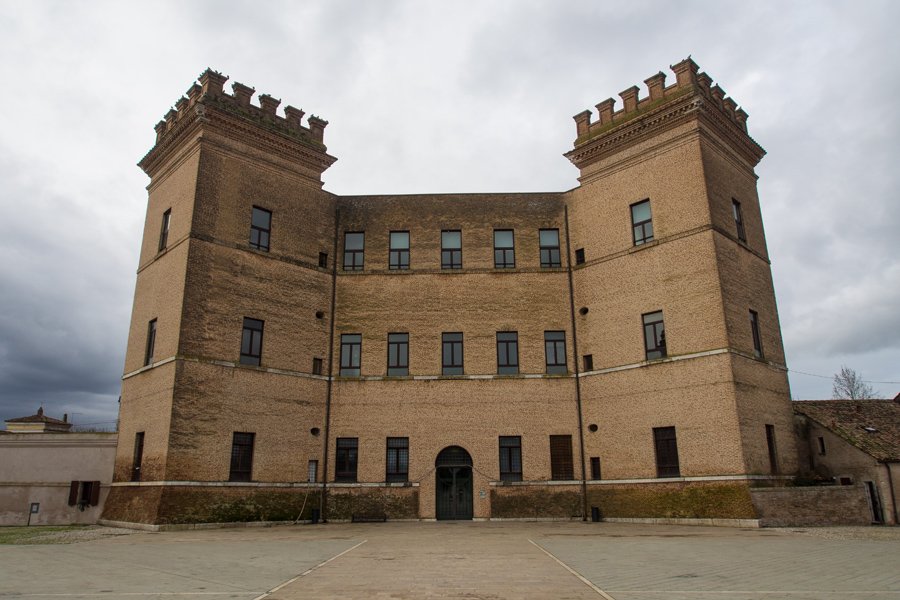 The Mesola Estense Castle is one of the last great achievements of the Este family, built between 1578 and 1583 at the behest of Alfonso II d'Este. This imposing quadrangular building with corner towers represents the final 'delight' of the ducal family, conceived as a hunting residence and leisure retreat within the vast estate that stretched all the way to the sea. Today, the castle houses the Mesola Forest and Deer Museum, dedicated to the natural history of the area and the Gran Bosco della Mesola Nature Reserve, one of the last lowland forests in northern Italy. The visit allows you to explore the interior spaces, including the Hunting Hall with frescoes depicting Este hunting expeditions, and to admire the architectural structure that blends military and residential elements. The castle is located right in the heart of the Po Delta Park, a UNESCO World Heritage site, offering a perfect starting point for exploring this extraordinary wetland area. Access is easy and well-signposted, with parking nearby. I recommend combining the castle visit with an excursion to the nearby Mesola Forest, habitat of the rare dune deer.
Rocca Possente di Stellata
- Via Argine Po, Bondeno (FE)
- Open in Google Maps
- View on Google Images
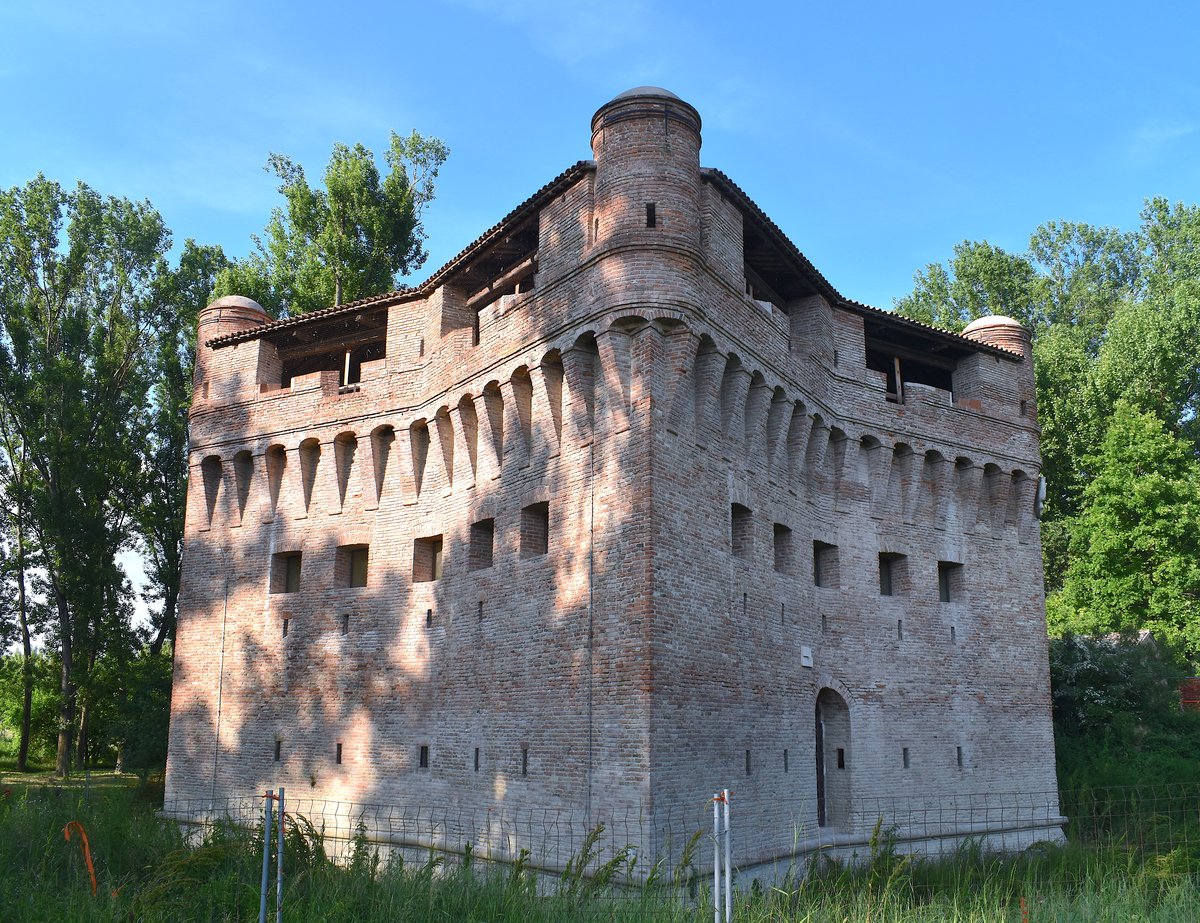 The Rocca Possente di Stellata is a medieval jewel that stands imposingly on the banks of the Po River, in the municipality of Bondeno. Built in the 14th century by the will of the Este family, this fortress played a crucial strategic role: controlling river traffic and defending the territory from enemy incursions. Its position, right at the confluence of the Po and Panaro rivers, made it a military outpost of primary importance. Today, the fortress is well-preserved and open to visitors, with its massive towers and walls that tell centuries of history. Inside, you can admire the spaces once used as garrisons and storerooms, while climbing the towers offers a breathtaking panoramic view of the river and the surrounding countryside. The site often hosts historical reenactments and cultural events that bring its ancient stones to life. For those visiting the province of Ferrara, it's an unmissable stop, not only for history enthusiasts but for anyone wanting to immerse themselves in an authentic corner of Emilia-Romagna, away from the more crowded tourist routes. Access is easy and well-signposted, with parking nearby, and the atmosphere here is unique: silent, powerful, and rich with memories.
Verginese Estense Delight
- Via Verginese, Portomaggiore (FE)
- Open in Google Maps
- View on Google Images
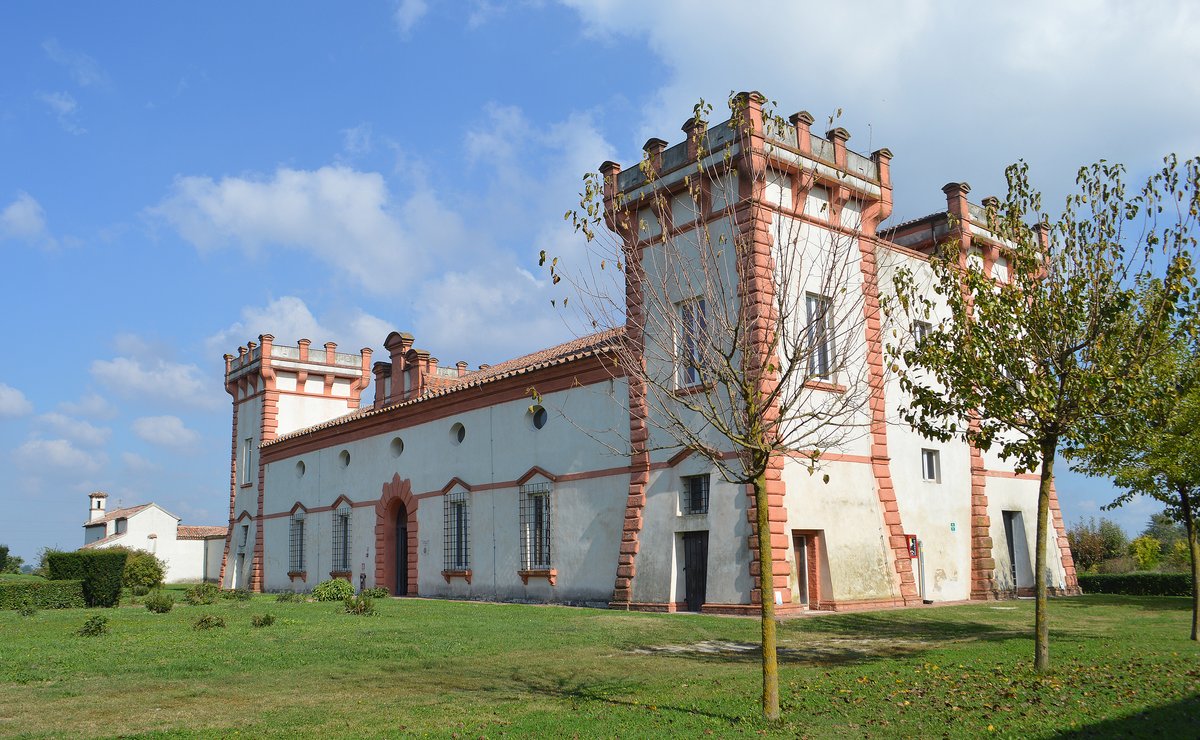 If you're looking for a piece of Estense history off the beaten path, the Verginese Estense Delight in Portomaggiore is the perfect choice. This 16th-century hunting residence, commissioned by Alfonso I d'Este, stands isolated in the countryside, surrounded by a park that once served as a hunting reserve. Today, after careful restoration, it presents itself as a well-preserved architectural gem with its brick facade and elegant mullioned windows. Inside, the rooms are simple yet evocative: the Hall of Honor with its monumental fireplace and the private chambers stand out, where you can still breathe in the atmosphere of court life. The real highlight is the dovecote tower, a distinctive feature that dominates the landscape and offers panoramic views of the plain. The surrounding park, now a equipped green area, is perfect for a relaxing stroll, perhaps combined with a picnic. The Delight is not always open to the public: check the opening hours on the Portomaggiore Municipality website, as visits are often guided and have limited capacity. Admission is free, but booking is recommended for groups. If you love history without the crowds, here you'll find an authentic experience, far from the city chaos.
The Este Delight of Belriguardo
- Via Provinciale, Voghenza (FE)
- Open in Google Maps
- View on Google Images
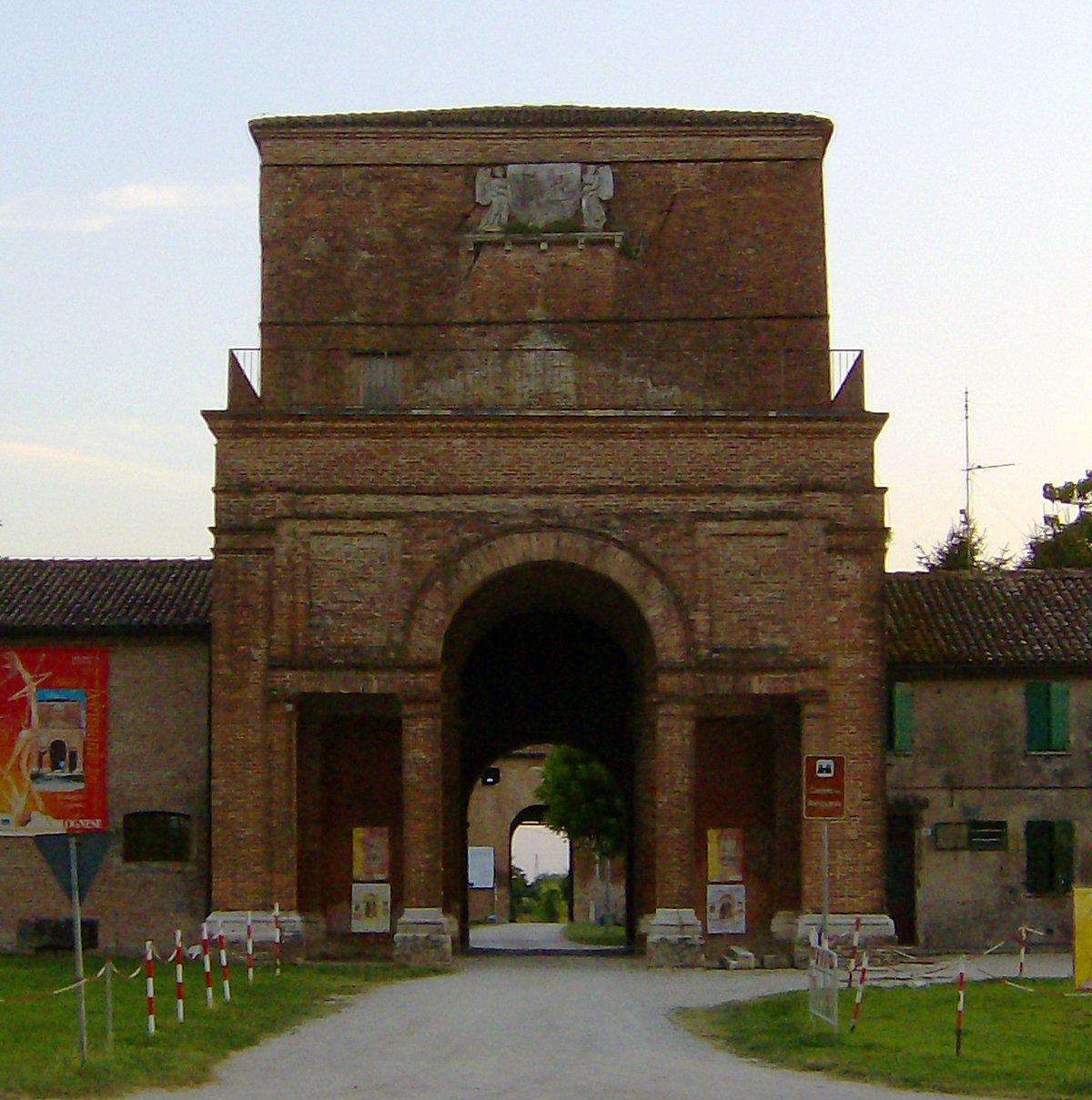 If you're looking for a place that makes you feel like a Renaissance noble, the Este Delight of Belriguardo is the perfect destination. Located in Voghenza, this hunting residence was commissioned by Niccolò III d'Este in the 15th century and represents one of the best-preserved Este delights. Imagine, it was so beloved by the court that they would stay for weeks, dedicating themselves to hunting and banquets. Today, visiting it, you can admire the original frescoes in the rooms, such as those in the Hall of the Vine, which depict scenes of courtly life and mythology. The internal courtyard, with its portico, is perfect for a quiet break, while the historic garden, although reduced in size, retains the charm of times past. Inside, the Belriguardo Civic Museum houses local archaeological finds, including Roman ceramics and coins discovered in the surrounding area, which tell the ancient history of this region. A curiosity: the marriage of Lucrezia Borgia to Alfonso I d'Este was held here, an event that marked Ferrara's history. For a complete visit, check the opening hours on the official website, as they may vary due to temporary events. The entrance ticket is affordable, and there are often temporary exhibitions that enrich the experience. If you're passionate about history or architecture, don't miss this corner of Emilia-Romagna, away from the crowds but rich in authentic stories.
Copparo Delight
- Via Adriano Aleotti, Copparo (FE)
- Open in Google Maps
- View on Google Images
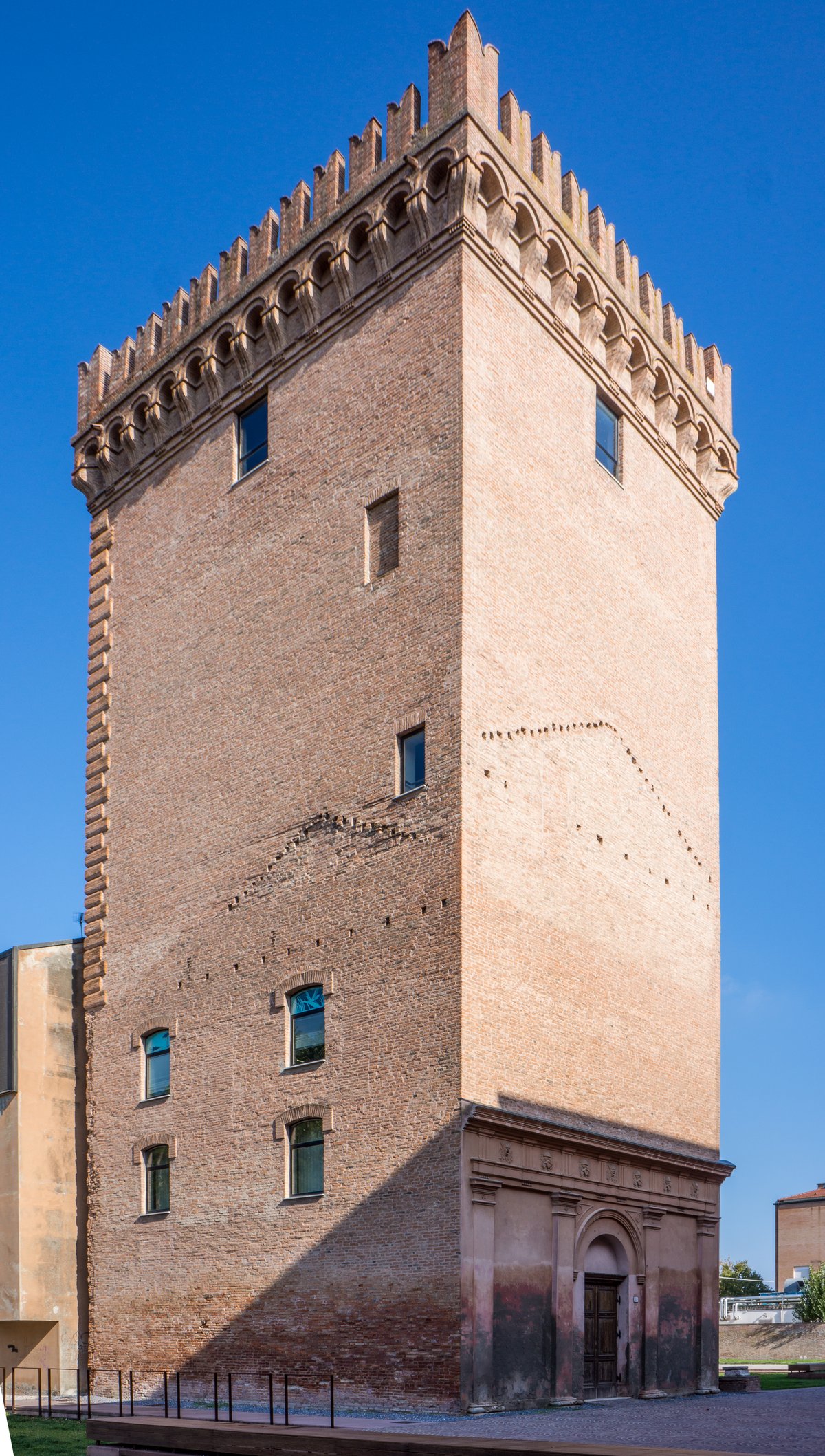 The Copparo Delight is one of the country residences commissioned by the Este family for their hunting expeditions and leisure moments away from the city. Located in the heart of the Ferrara plain, this Renaissance dwelling welcomes you with its simple yet elegant architecture, featuring an internal porticoed courtyard and spacious frescoed halls. Unfortunately, the original 15th-century building has been lost, but the current structure, rebuilt in the 18th century, retains the charm of times past. Today it houses the municipal headquarters and cultural spaces, making it a vibrant and accessible place. Inside, the 18th-century frescoes and decorations that recall the splendor of the Este court stand out. The surrounding park, although reduced in size compared to the past, offers a pleasant green area perfect for a relaxing break. The Copparo Delight is not just a monument, but a piece of local history that tells how the Este family managed the territory and their passions. To visit, check the municipality's opening hours, as the interior spaces are sometimes used for events. A tip: combine your visit with a tour of the nearby countryside, where you can still breathe the rural atmosphere that characterized Este life.
Delizia di Benvignante
- Strada Nazionale, Argenta (FE)
- Open in Google Maps
- View on Google Images
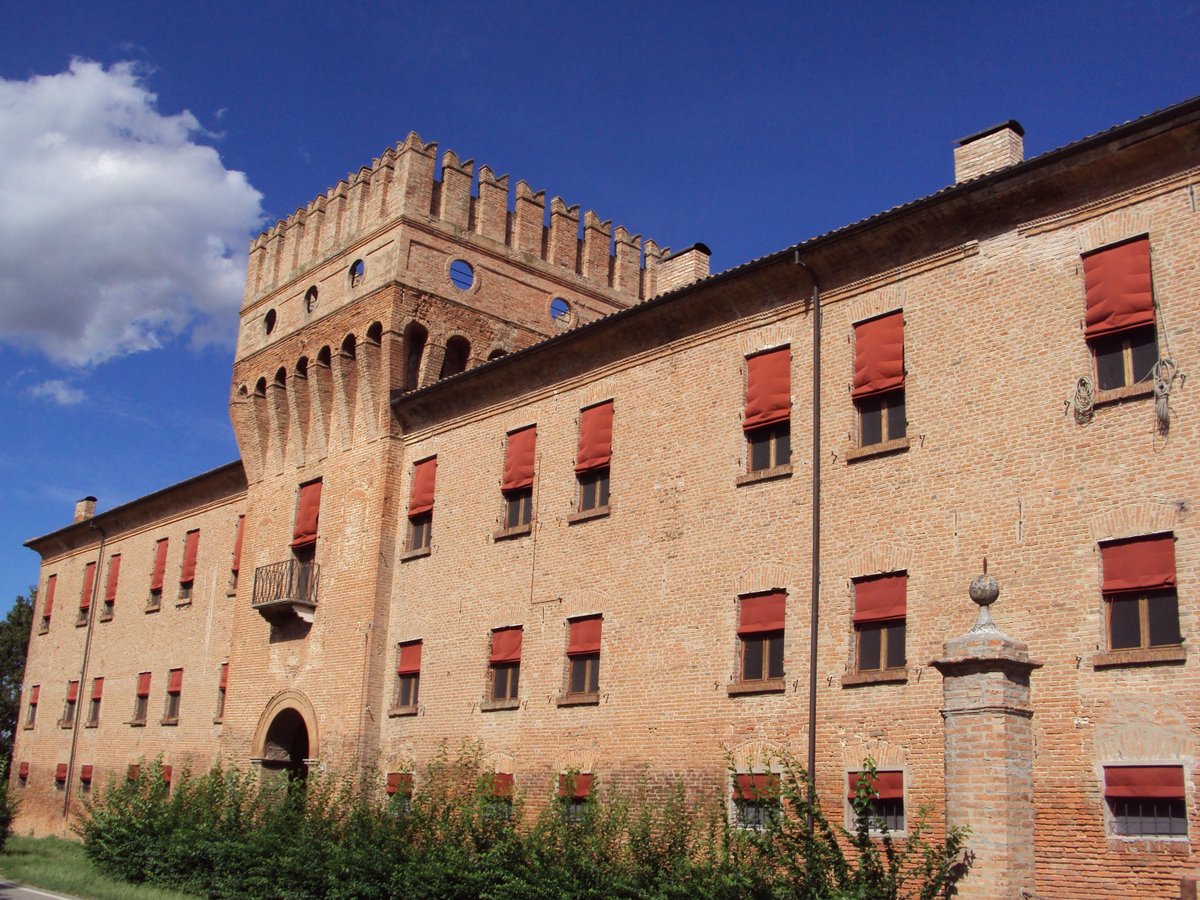 The Delizia di Benvignante is one of the country residences commissioned by the Este family in the 15th century, located just a few kilometers from the center of Argenta. This complex, now privately owned but visible from the outside, represents an example of minor Renaissance architecture, with its square block structure and traces of original decorations. The isolated location, surrounded by cultivated fields and canals, creates an atmosphere suspended in time, far from the tourist crowds. Unfortunately, it's not always accessible to the public internally, but it's worth visiting to admire the exterior and imagine the court life that once unfolded here. The place is perfect for a stop during a cycling itinerary along the country roads of the province, perhaps combined with a visit to the nearby Museo delle Valli di Argenta. It's advisable to check in advance for any special openings, often linked to local cultural events.
Palazzo Pio di Tresigallo
- Via del Mare, Tresigallo (FE)
- Open in Google Maps
- View on Google Images
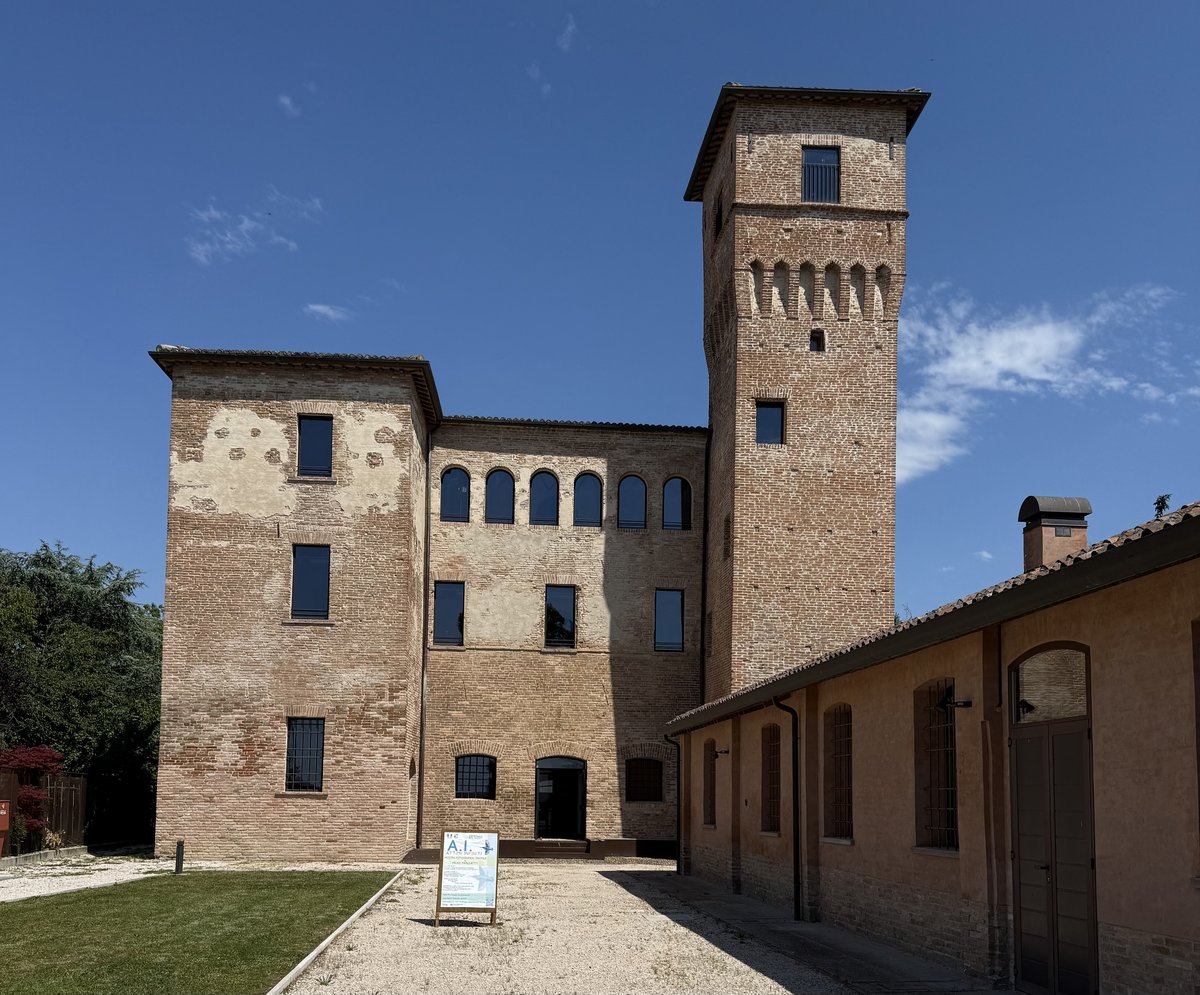 If you're passing through Tresigallo, Palazzo Pio is an essential stop. This historic building is located right in the center of the town, which is known as a rare example of a rationalist foundation city envisioned by Edmondo Rossoni in the 1930s. Palazzo Pio stands out for its essential and linear architecture, typical of the period, with clean facades and regular geometries that tell a piece of little-known Italian history. Inside, the spaces have been restored while preserving their original features, and today it often hosts temporary exhibitions and cultural events. Its location in Piazza della Repubblica makes it easily accessible, and it's worth stopping to admire the details of the windows and portals, which reflect the style of the era. For those interested in 20th-century architecture, this palace offers an authentic glimpse into how rationalism shaped not only major cities but also small centers like Tresigallo. The atmosphere here is tranquil, far from tourist crowds, ideal for a relaxed visit. I recommend combining the discovery of Palazzo Pio with a stroll through the town's streets to fully appreciate the stylistic unity of this unique place in Emilia-Romagna.
Giuseppe Borgatti Theatre
- Corte del Teatro, Cento (FE)
- Open in Google Maps
- View on Google Images
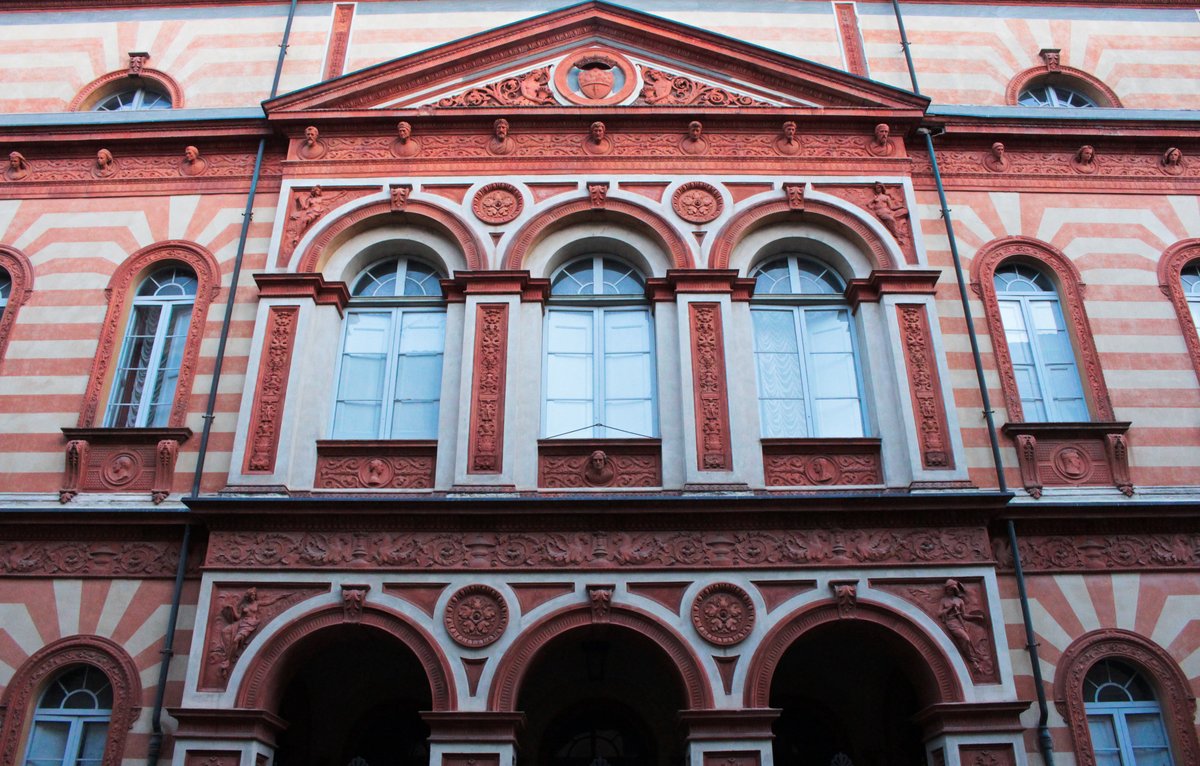 The Giuseppe Borgatti Theatre is a true architectural jewel in the historic centre of Cento, an Italian-style theatre that surprises with its elegance and history. Built in the second half of the 19th century and named after the famous local tenor Giuseppe Borgatti, this theatre is a perfect example of neoclassical style, with a sober facade that conceals an interior rich in details. The main hall, shaped like a horseshoe, is enhanced by stucco decorations, carved wooden boxes, and a frescoed ceiling depicting musical allegories, creating an intimate and refined atmosphere. Here, you don't just breathe the air of performance: the theatre remains a vibrant cultural hub today, with a programme ranging from drama to opera, from classical music concerts to family events. A curiosity? The stage has hosted artists of national and international fame, keeping the Emilian theatrical tradition alive. If you visit Cento, don't miss the chance to admire this place: even just for a guided tour, you'll discover anecdotes about its construction and its connection to the community. It's an experience that combines art, history, and emotion, typical of a province like Ferrara, where culture is never just a memory.