
Discover Vibo Valentia in one day, a perfect itinerary to immerse yourself in the heart of Calabria between history and culture. Start from the majestic Norman-Swabian Castle, which dominates the city with its towers and breathtaking views over the Gulf of Sant'Eufemia. Then, walk along the ancient Greek walls of Hipponion, a plunge into the 5th century BC, and admire San Michele Church with its Baroque treasures. This route takes you through the alleys of the historic center, among noble palaces and artisan workshops, optimized for a complete visit without rush. Ideal for those seeking an authentic and charming experience, the Vibo Valentia historic center itinerary is a gem not to be missed, with practical tips on opening hours and refreshment spots to make your day unforgettable.
🗺️ Your trip at a glance
This one-day itinerary guides you through Vibo Valentia's main historical sites, from the Norman Castle to the Greek walls of Hipponion. A walking route optimized for a complete and immersive experience in the heart of Calabria.
- Ideal for: travelers interested in ancient and medieval history, families, and those looking for an accessible cultural experience in a single day.
- Highlights: a chronological route combining Norman architecture, Greek archaeology, and modern monuments, with interactive maps for each stop.
- Who it's for: suitable for those wanting to discover the historical essence of Vibo Valentia at a relaxed pace, with well-connected walking stops in the city center.
Itinerary stops
Stop no. 1
Norman Castle
 The Norman Castle stands imposingly at the start of our itinerary, strategically positioned on a hilltop that overlooks the entire city. Built in the 12th century by the Normans on the foundations of an ancient Byzantine fortress, this stronghold represents the perfect starting point for understanding Vibo's history. Today it houses the Vito Capialbi National Archaeological Museum, where artifacts from ancient Hipponion are displayed. Climbing the towers rewards visitors with a breathtaking view stretching from the historic center all the way to the Tyrrhenian Sea. The perimeter walls, still well-preserved, clearly show the different construction phases that followed one another over the centuries. The elevated position was no accident: it allowed control over both the city and the communication routes toward the Calabrian hinterland.
- Via Antica Monteleone, Vibo Valentia (VV)
- Open in Google Maps
- View on Google Images

You should go if...
Stop no. 2
Vito Capialbi National Archaeological Museum
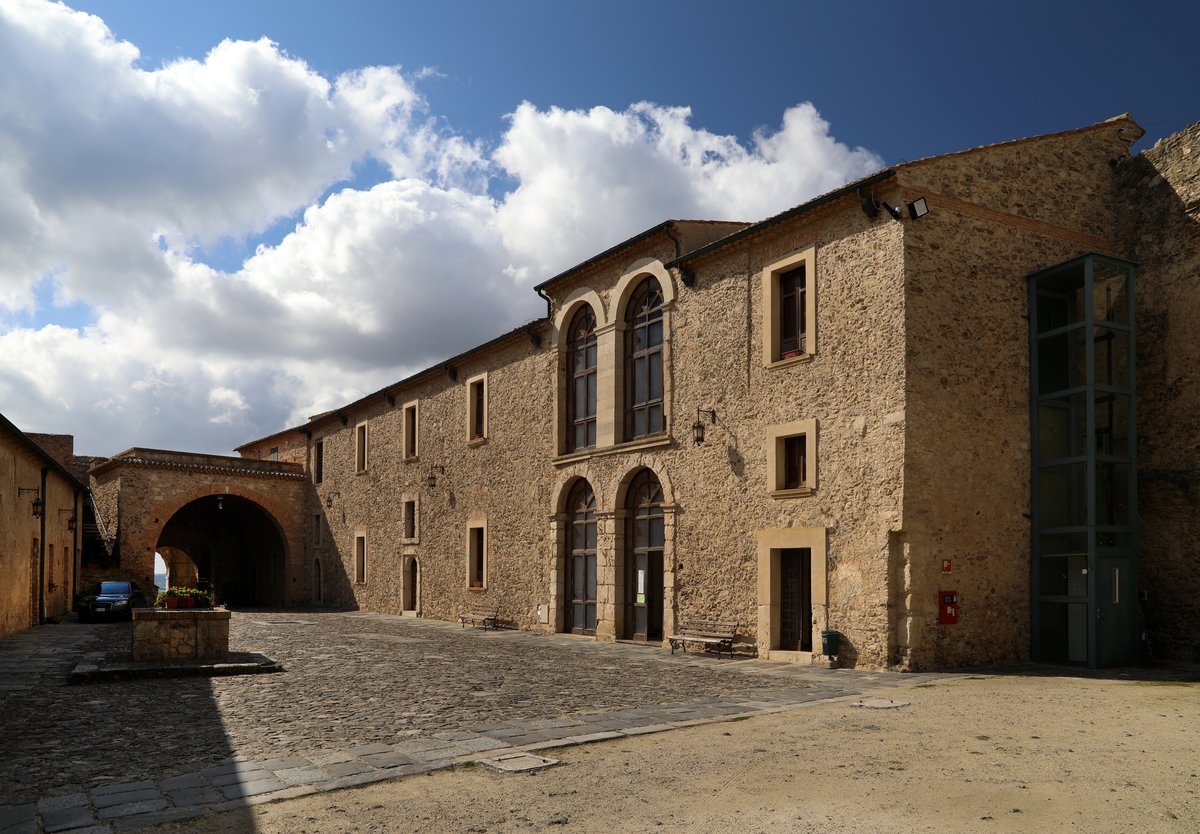 After exploring the Norman Castle, the Vito Capialbi National Archaeological Museum welcomes you with a collection that tells the story of Hipponion, the ancient Greek city upon which Vibo Valentia was built. Located on Via Antica Monteleone, the museum houses artifacts such as ceramics, coins, and sculptures uncovered in local excavations. The thematic rooms guide you through the evolution of the territory, from the first settlements to the Roman era. Don't miss the Greek inscriptions and funerary goods, which offer an authentic glimpse into ancient daily life. It's an ideal place for those wanting to delve deeper into Calabria's cultural roots, with clear explanations that make it accessible even to non-experts. The visit is engaging and well-organized, perfect for a day trip itinerary.
- Go to the page: Capialbi Museum Vibo Valentia: Orphic Lamella and Greek Artifacts in the Norman-Swabian Castle
- Via Antica Monteleone, Vibo Valentia (VV)
- https://www.beniculturali.it/mibac/opencms/MiBAC/sito-MiBAC/Luogo/MibacUnif/Luoghi-della-Cultura/visualizza_asset.html?id=153555&pagename=157031
- Open in Google Maps
- View on Google Images
You should go if...
Stop no. 3
Greek Walls of Hipponion
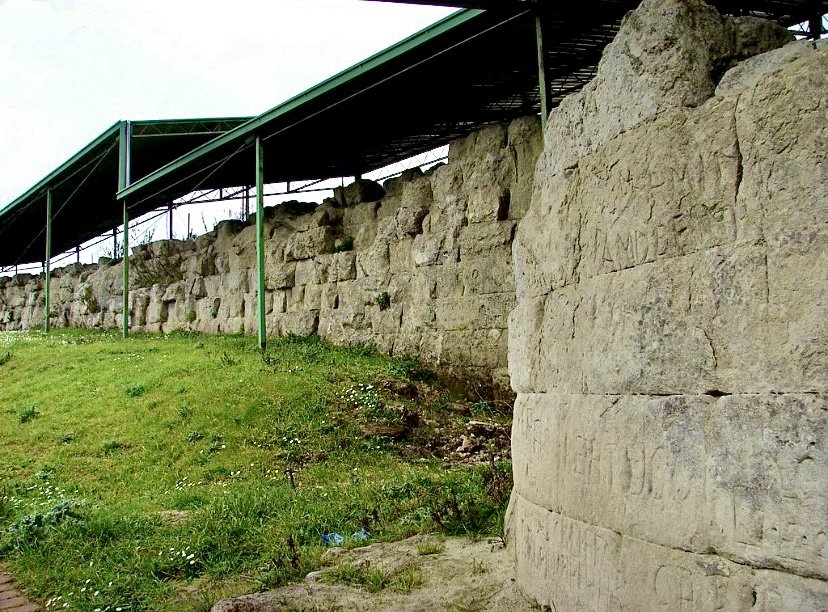 Leaving behind the artifacts of the Archaeological Museum, you immerse yourself directly in the living history of Hipponion as you reach the Greek walls on Via Paolo Orsi. These imposing sandstone block structures date back to the 5th century BC and represent one of the few well-preserved examples of Magna Graecia fortifications in Calabria. The remains extend for over 200 meters, showcasing the isodomic construction technique with perfectly squared blocks. Observe the traces of defensive towers and ancient gates, allowing you to imagine the power of this Locrian colony. The dominant position overlooking the Mesima Valley offers unique panoramic views, while the explanations on the educational panels clarify the strategic importance of this site. It's a leap back in time that perfectly completes your understanding of ancient Hipponion after visiting the museum.
- Via Paolo Orsi, Vibo Valentia (VV)
- Open in Google Maps
- View on Google Images
You should go if...
Stop no. 4
Luigi Razza Monument
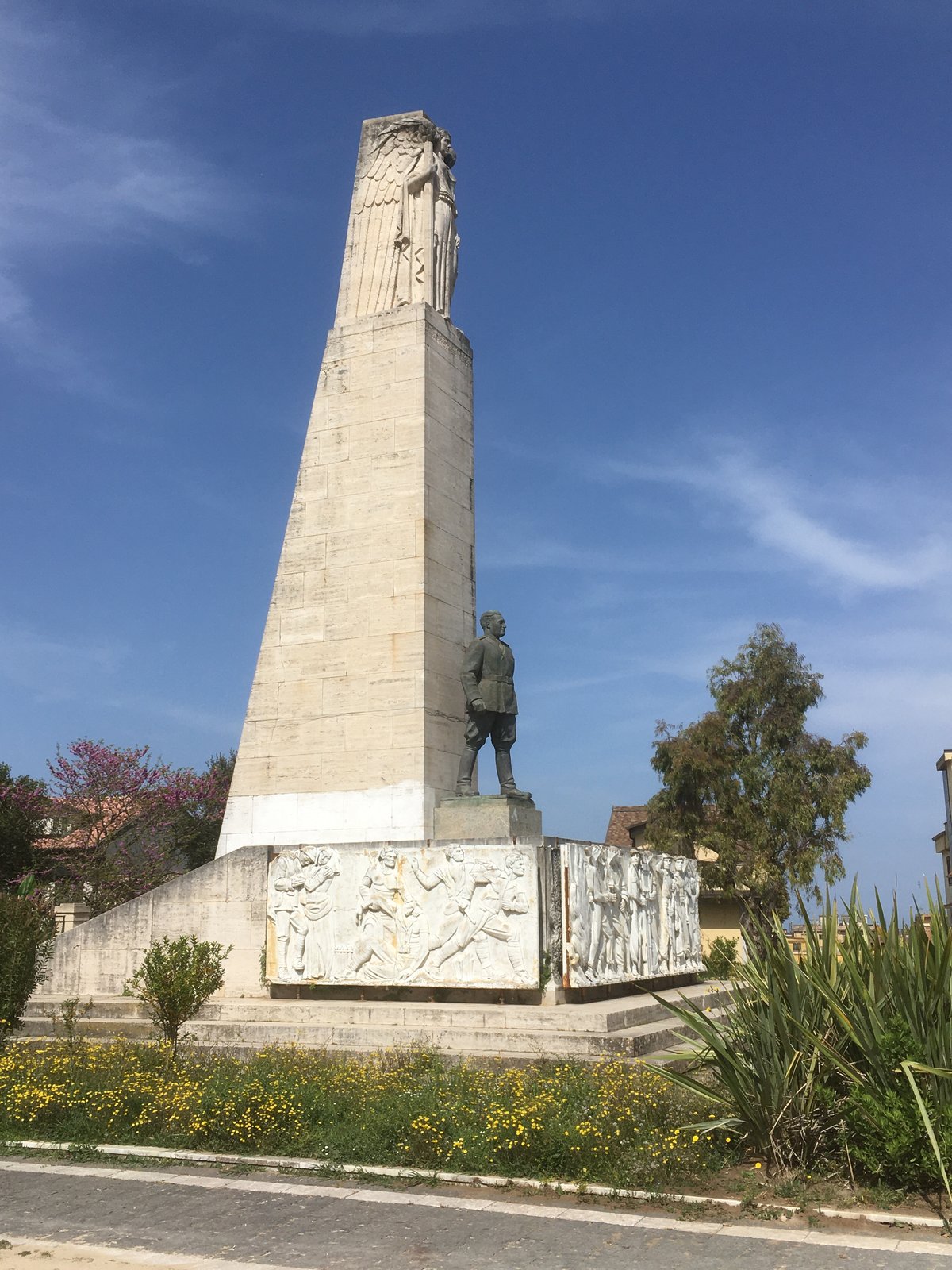 After immersing yourself in the ancient Greek walls, the itinerary moves toward a more recent symbol of collective memory: the Luigi Razza Monument on Via XXV Aprile. This bronze sculpture, created in the 1930s, celebrates the namesake politician and Minister of Public Works, who was born right here in Vibo Valentia in 1892. The work stands out for its monumental and celebratory style typical of the period, with Razza portrayed in a resolute pose. Its location in the heart of the city, along one of the main streets, underscores the figure's importance to the local community. By observing the details of the casting and the commemorative inscription, you can grasp the connection between national history and the Calabrian roots of this early twentieth-century protagonist, who died prematurely in a plane crash in 1935.
- Via XXV Aprile, Vibo Valentia (VV)
- Open in Google Maps
- View on Google Images
You should go if...
Stop no. 5
Monument to the Fallen
 The route continues towards the Monument to the Fallen, located on Viale Regina Margherita, an imposing work commemorating the Vibo soldiers who fell during the First World War. Crafted from white marble, the monument is distinguished by its solemn structure, with a base adorned with bas-reliefs depicting wartime scenes and patriotic allegories. Its central position along the main avenue makes it a visual and symbolic landmark for the city, often used for commemorative ceremonies. Upon closer inspection, one can see the engraved names of the local fallen, a detail that transforms the work from a simple memorial into a personal testimony of the community. The architecture reflects the monumental style of the era, with classical elements echoing the Italian tradition of military shrines, offering a glimpse into the history of twentieth-century Calabria.
- Viale Regina Margherita, Vibo Valentia (VV)
- Open in Google Maps
- View on Google Images
You should go if...