Allianz Stadium: Tour of the Locker Rooms, Juventus Museum and Football Pitch

The Allianz Stadium, inaugurated in 2011 on the site of the former Delle Alpi, is the Juventus-owned stadium. It offers an immersive experience with tours that include locker rooms, tunnel and pitch, plus the J-Museum with historic trophies and jerseys. The modern architecture and night lighting create a unique atmosphere, accessible by public transport from Porta Susa station.
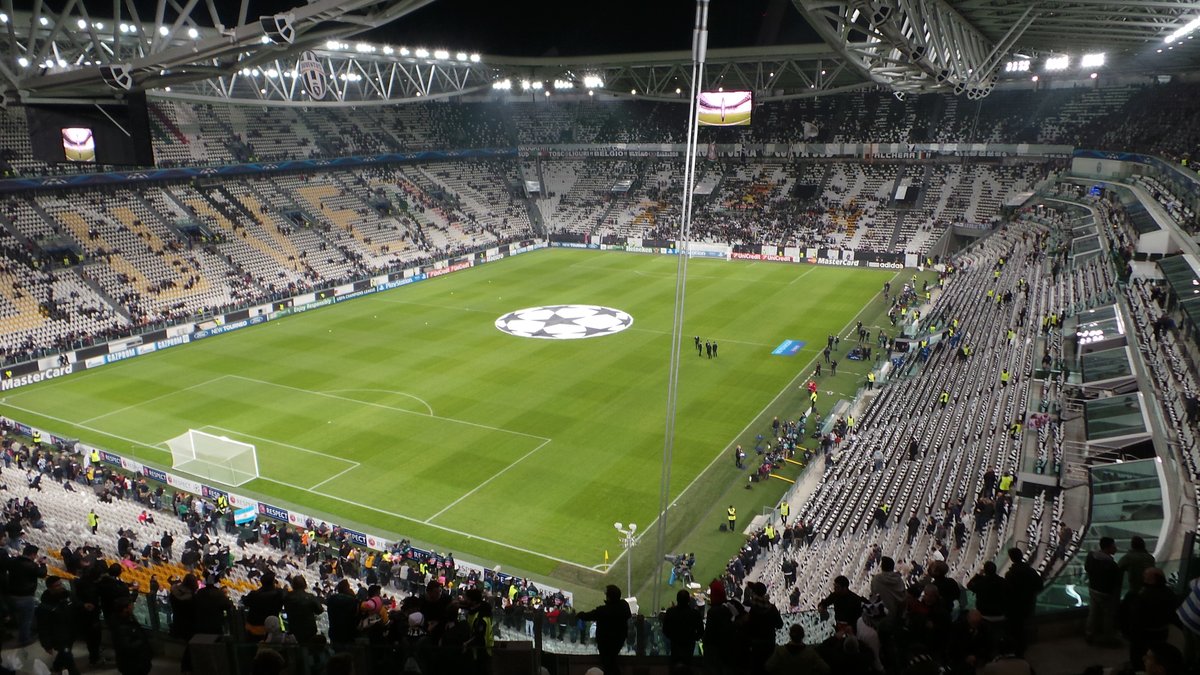
  • Behind-the-scenes tour: champions’ locker rooms, tunnel and football pitch
  • Juventus Museum: trophies, historic jerseys and interactive installations
  • Modern architecture: stadium inaugurated in 2011 with night lighting
  • Convenient location: accessible by public transport from Porta Susa

Copertina itinerario Allianz Stadium: Tour of the Locker Rooms, Juventus Museum and Football Pitch
Allianz Stadium in Turin: Juventus Stadium with Behind-the-Scenes Tour of Locker Rooms and Pitch, Museum with Historic Trophies and Modern Architecture. Accessible from Porta Susa.

Good to know


Introduction

Upon arrival, the Allianz Stadium impresses with its modernity. It’s not just a stadium; it’s an architectural icon that dominates the Vallette neighborhood, with those clean lines and nighttime lighting that feels almost futuristic. You can sense it immediately: here, football breathes, but so does design. Walking around, you notice how it integrates into the urban fabric, with its green spaces and pedestrian areas. The atmosphere is palpable even with the gates closed, imagining the waves of fans during matches. Personally, I was surprised by how accessible and well-connected it is, despite its imposing size. A place that surprisingly unites sport and urban planning.

Historical Background

The Allianz Stadium was built in 2011, replacing the historic Stadio delle Alpi, which had disappointed fans for years due to poor acoustics and distance from the pitch. Designed by architect Gino Zavanella, it was inaugurated on September 8, 2011, with a match between Juventus and Notts County. The name ‘Allianz’ came in 2017 following a sponsorship deal, but for fans, it remains simply ‘the Stadium’. Epic moments have been experienced here, such as Serie A victories and Champions League nights. I recall that, while exploring, I discovered it is the first Italian stadium owned by a club, a detail that highlights its innovation.

  • 2011: Inauguration of the stadium, designed by Gino Zavanella.
  • 2011-2017: Known as Juventus Stadium.
  • 2017: Becomes Allianz Stadium after the sponsorship agreement.
  • Today: Home of Juventus and venue for events like concerts.

Behind-the-Scenes Tour

This tour makes you feel like a bit of a protagonist. Start in the locker rooms, where you see the champions’ lockers, with those famous names that seem almost surreal. Then descend into the tunnel, that corridor players walk through before entering the field: you can still sense the tension, especially if you close your eyes and imagine the roar of the crowd. The press room visit adds a touch of reality, where you sit in the journalists’ seats and get a feel for the atmosphere of press conferences. The highlight is the pitch: walking on the grass, looking at the empty stands, is a strange emotion, like being in a theater without an audience. I appreciated the guides, often passionate fans, who share anecdotes about derbies or celebrations.

Museum and Fan Atmosphere

The J-Museum, located inside the stadium, is not just a museum: it’s a journey through Juventus history, featuring trophies, historic jerseys, and interactive installations. I was particularly struck by the section dedicated to champions, where you can almost touch the boots worn by Del Piero or the balls from decisive goals. The fan atmosphere is especially palpable in the official stores, filled with merchandise and jerseys, and in the refreshment areas that evoke the bars of old stadiums. During matches, the energy is contagious: even if you’re not an ultra fan, you’ll find yourself cheering along with the crowd. A tip? Stop to watch the victory videos: they transport you to moments that have shaped Italian football history.

Why Visit It

Visiting the Allianz Stadium is worth it for three concrete reasons. First, it’s an immersive experience for sports enthusiasts: it’s not just about seeing a place, but feeling its soul, from the tunnel to the field. Second, it offers a unique perspective on contemporary architecture, with eco-sustainable solutions like rainwater recycling that few notice. Third, it’s accessible to everyone: families, groups, or solo travelers find suitable paths, and the information is clear without being boring. Personally, I found it more engaging than other stadiums because it blends tradition and innovation in a spontaneous way.

When to Go

The most enchanting moment? Undoubtedly on a winter evening, when the stadium is illuminated and the crisp air adds magic to the visit. In summer, opt for early afternoon: the sun beats down on the stands, creating spectacular plays of light, and you can enjoy the tour at a leisurely pace. Avoid match days if you seek tranquility, but if you want adrenaline, a ticket for a minor game offers authentic thrills without the overwhelming crowds. I visited in autumn, with leaves swirling around, and the atmosphere was melancholic yet beautiful.

In the Surroundings

After the stadium, explore Parco Dora, a former industrial area transformed into a green space, perfect for a relaxing walk with artistic installations. Alternatively, if you love sports, head to the nearby ‘Primo Nebiolo’ Athletics Track, where local events sometimes take place. Both places add a touch of contemporary Turin, away from the usual tourist routes.

💡 Did You Know…?

Did you know that Allianz Stadium is one of the few stadiums in Italy entirely owned by the club? Built with sustainability criteria, it achieved certification as the world’s first ‘carbon neutral’ stadium in 2021. During the tour, look for the plaque marking the exact spot where Alessandro Del Piero scored his last goal in black and white: a detail that still moves fans. And if you visit the museum, don’t miss the Champions Cup won in 1985, displayed with the story of that night in Brussels.