
🧭 What to Expect
- Ideal for history enthusiasts, wine tourists, and families
- Highlights: visitable castles, wineries with tastings, Roman baths
- Recommended itinerary: Gavi, Alessandria, Casale Monferrato, Acqui Terme
- Cuisine: agnolotti, tajarin, bagna cauda, DOP wines
Events nearby
The province of Alessandria is a destination that surprises with its variety: medieval villages, well-preserved castles, renowned wineries, and archaeological sites. According to the most followed travel blogs (Italia da Scoprire, Viaggiare in Italia, Travel Italy, Blog di Viaggi, Girovagando in Italia), the area offers authentic experiences away from mass tourism. Starting from the Fort of Gavi, an imposing defensive fortress, you continue towards the Cittadella of Alessandria, an example of military architecture. In Casale Monferrato, the capital of Monferrato, the Cathedral of Sant'Evasio and the Castle of the Paleologi stand out, while among the hills you discover castles like those of Gabiano and Uviglie. The Archaeological Area of Libarna in Serravalle Scrivia tells the story of ancient Rome, and the Museum of the Champions in Novi Ligure celebrates cycling. Thermal baths are not to be missed: in Acqui Terme, the Fountain of the Nymphs is a city symbol. Finally, the food and wine routes lead to discover wines such as Barbera and Grignolino, and local specialties like taglierini with truffles. A journey that combines culture, nature, and taste.
Overview
- Fort of Gavi
- Citadel of Alessandria: The Savoy Fortress That Made History
- Sant'Evasio Cathedral: A Romanesque Gem in Casale Monferrato
- Paleologi Castle: Where History Meets Culture
- Gabiano Castle: A Journey Through Time Among Vineyards and History
- Castle of Uviglie
- Libarna Archaeological Area: The Ancient Roman City on the Via Postumia
- Museum of the Champions: Cycling's Cathedral in Novi Ligure
- Cremolino Castle
- Castello di San Giorgio: The Oldest Castle in Monferrato
- Sorli Castle: a Panoramic Ruin Between History and Nature
- Marengo Museum: Where History Meets Technology
- Municipal Theatre of Casale Monferrato: History and Performance
- Among Villages and Castles, the Nymphs' Fountain
- Paleologa Tower: The Symbol of San Salvatore Monferrato
Itineraries nearby


Fort of Gavi
- Via al Forte 14, Gavi (AL)
- http://www.associazionefortedigavi.it/
- Open in Google Maps
- View on Google Images
- pm-pie.gavi@beniculturali.it
- +39 0143 643554
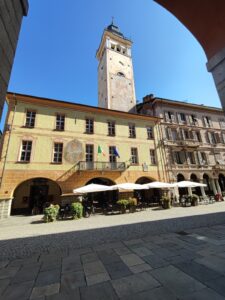
 If there's one place that shows you why Piedmont is a land of borders, it's the Fort of Gavi. Perched on a rocky spur, it overlooks the medieval village and the Lemme valley. Its origins date back to 973, but the transformation into a bastioned fortress took place in the 17th century, when the Republic of Genoa entrusted the work to engineers Vincenzo Maculani (a Dominican friar) and Bartolomeo Bianco. The result is a star-shaped plan with six bastions, curtain walls armed with gunports, and a central keep carved from the ancient castle.
Strolling through the courtyards, cells, and powder magazines, you breathe in history: here prisoners of war and deserters were once held. During World War II, there was even the spectacular escape of the British major Jack Pringle. Today, the fort is a museum managed by the Regional Directorate of Museums of Piedmont, with educational rooms and war relics. The view from the top is breathtaking: hills of Cortese di Gavi vineyards, mountains, and villages.
Note: as of February 2, 2026, the fort is closed for restoration. Before planning your visit, check the official website. Full ticket costs €5, reduced €2 (ages 18–25), free for under 18. Free parking near the entrance, but the path has slopes: better to wear comfortable shoes.
Citadel of Alessandria: The Savoy Fortress That Made History
- Lungo Tanaro San Martino, Alessandria (AL)
- Open in Google Maps
- View on Google Images
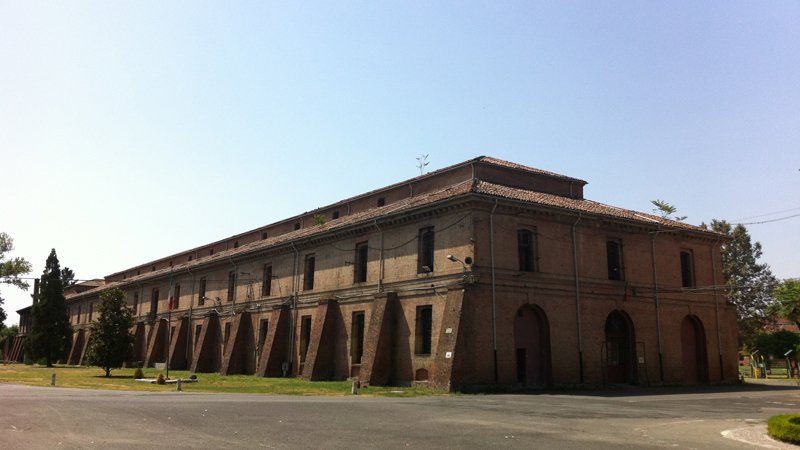 If you think a fortress is just a pile of walls and cold stone, the Citadel of Alessandria will make you think again. On the left bank of the Tanaro River, this gigantic 18th-century Savoy masterpiece surprises you with its six-pointed star layout: it is the only Savoy plain fortress still intact in its original setting, far from busy roads and modern buildings. Started in 1732 on a design by Ignazio Bertola, it was completed in fifteen years and immediately put to the test: in 1745 it withstood a seven-month Franco-Spanish siege. Strolling along the bastions (San Michele, Sant'Antonio, San Carlo…), you'll notice the defensive details: moats that flooded with the Tanaro, tunnels, casemates. The Piazza d'Armi of 22,000 m² is the beating heart, surrounded by buildings covered by bomb-proof earthworks. But the moment that gives you goosebumps is when you climb the Bastione Sant'Antonio: there, on March 10, 1821, the Italian Tricolore was raised for the first time by the rebels led by Guglielmo Ansaldi. Garibaldi and Guareschi were prisoners here, and the cells still tell stories. Today the Citadel is open every day for free (9:00 AM to 7:00 PM), and FAI organizes guided tours on weekends. Don't miss the small museum with uniforms of the Royal Army from 1848 to 1946 – there's even the uniform of King Umberto II. The atmosphere is unique, especially at dawn when light caresses the bricks. Wear comfortable shoes and a jacket for the underground galleries. The fortress has been a UNESCO candidate since 2006, but it needs care: parts show decay and the Tree of Heaven is infiltrating. Yet it is alive, with summer concerts, AleComics in September, and historical reenactments. A tip: enter from the Richard Meier bridge, a white arch 176 meters long that seems suspended. You'll immediately feel in a place out of time.
Sant'Evasio Cathedral: A Romanesque Gem in Casale Monferrato
- Largo Monsignor Giuseppe Angrisani, Casale Monferrato (AL)
- Open in Google Maps
- View on Google Images
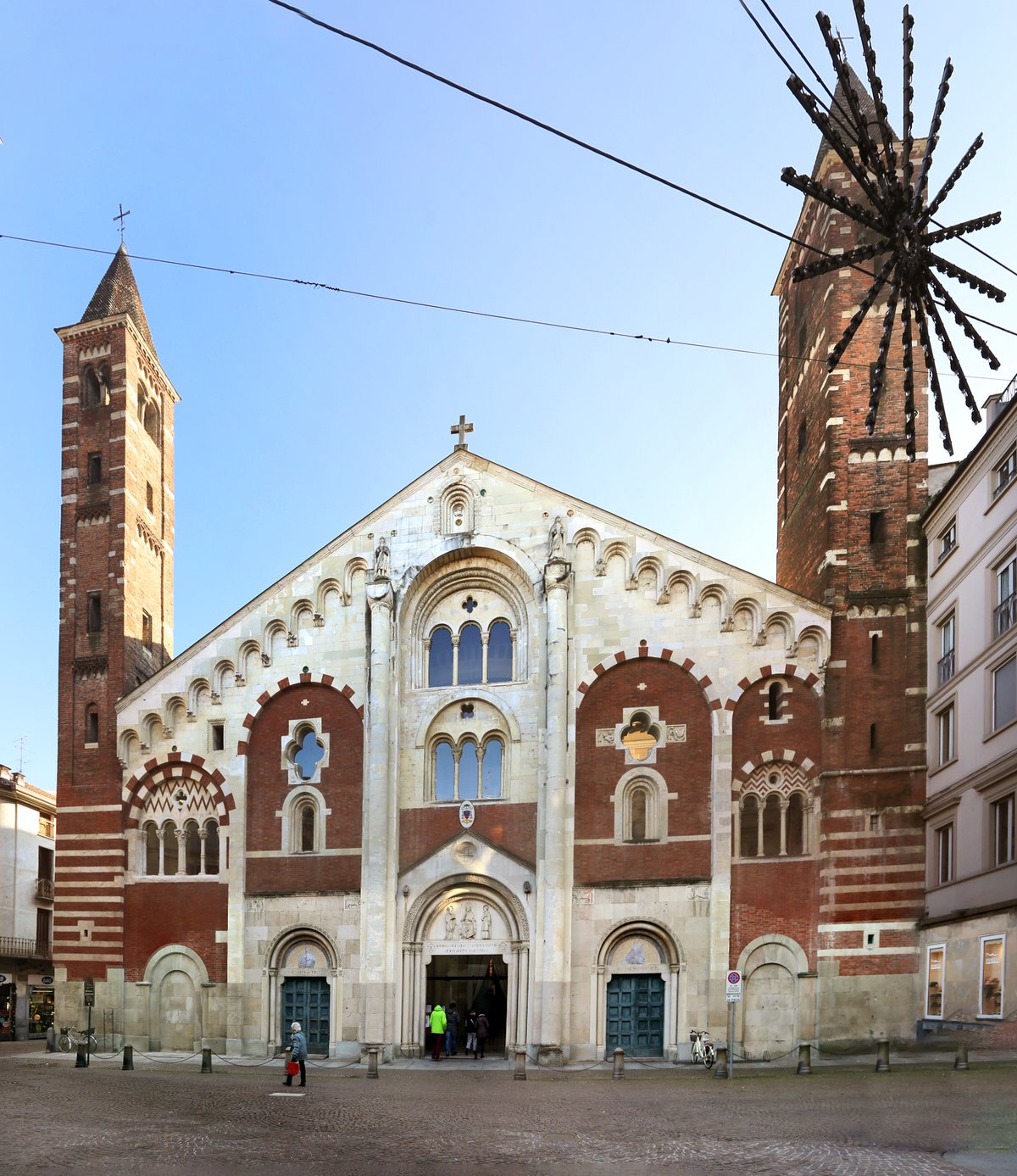 If you're passing through Casale Monferrato, don't miss the Cathedral of Sant'Evasio, the city's oldest monument and one of the finest examples of Lombard Romanesque in Piedmont. Consecrated in 1107, its history dates back to the 8th century, when the Lombard king Liutprand expanded a pre-existing church dedicated to Saint Lawrence. The asymmetrical gabled facade, flanked by two bell towers of different heights, is largely the result of the 19th-century restoration by Edoardo Arborio Mella. But the real surprise is the narthex, a grand space with a nine-bay vault, extremely rare in Italy and reminiscent of Armenian and Islamic architecture. The five-aisle interior maintains a contemplative atmosphere, with cruciform pillars and cross vaults. Don't miss the Chapel of Sant'Evasio (designed by Benedetto Alfieri), elliptical in shape and rich in polychrome marbles, which houses the saint's relics in a silver urn. On the main altar, an 11th-century Romanesque wooden crucifix covered in silver foil will leave you speechless. Take advantage of the museum tour "Sacrestia Aperta" to admire 12th-century mosaics, goldsmith work, and ancient vestments. Curiosity: every November 12th, for the patron saint feast, traditional shortcrust pastry roosters are distributed. The cathedral is open daily (8:30 AM - 12:00 PM and 3:00 PM - 6:30 PM), with free admission. The museum is open Saturday and Sunday afternoons, while the rooftop tour is accessible on the second Sunday of the month (reservation recommended). A place that unites faith, art, and history, perfect for those who love discovering the roots of Piedmont.
Paleologi Castle: Where History Meets Culture
- Go to the page: Paleologi Castle: History, Walkways, and Culture in Casale Monferrato
- Piazza Castello, Casale Monferrato (AL)
- Open in Google Maps
- View on Google Images
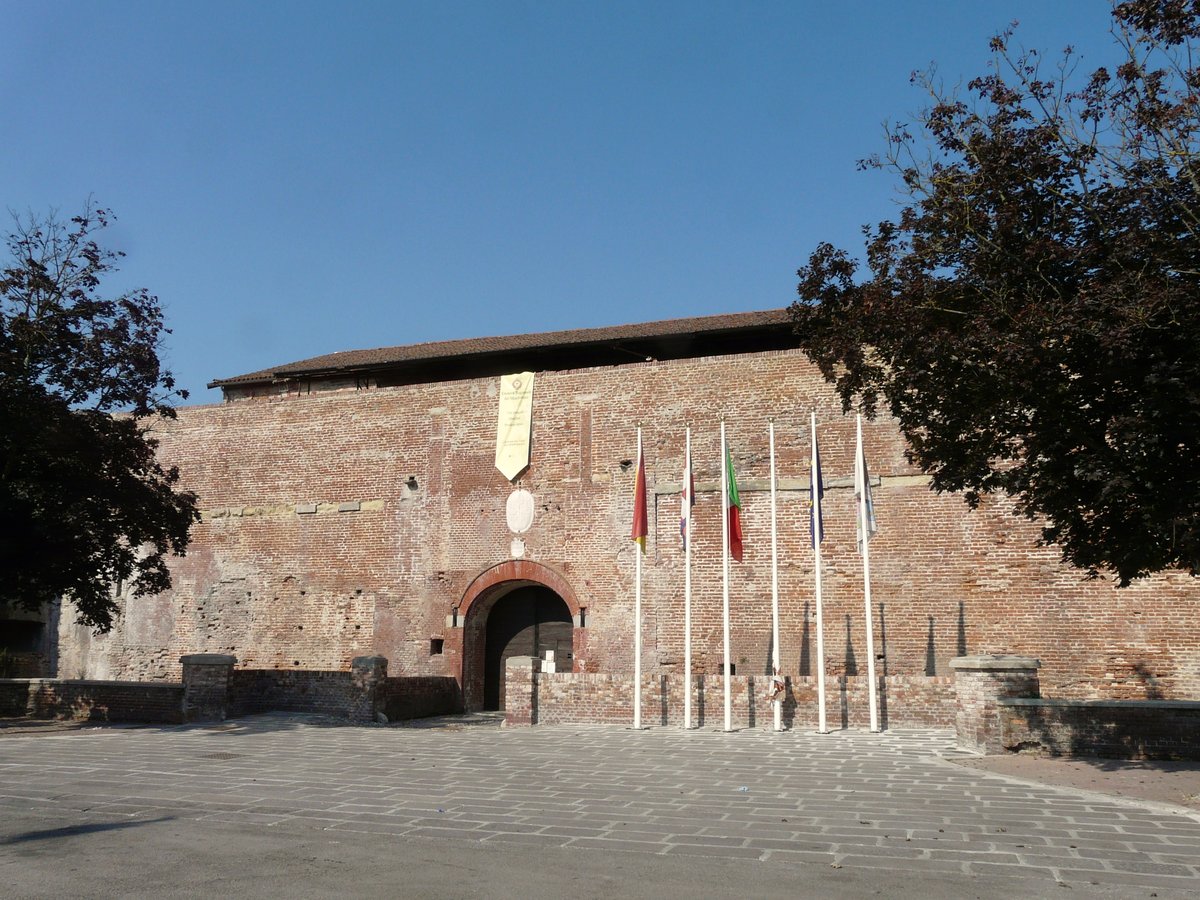 If you're passing through Casale Monferrato, don't miss the Paleologi Castle, a gem of military architecture that tells centuries of history. Built from 1351 at the behest of Giovanni II Paleologo, it dominates the city with its unmistakable asymmetrical hexagonal layout and imposing circular towers. Walk around it and you'll notice the deep dry moat: once a defense, today it adds to the castle's charm. On the facade, the marble bas-relief with the coats of arms of the lords of Monferrato – Aleramo, Paleologi, and Gonzaga – welcomes you like a history book.
Step inside and be amazed: the castle is not a dusty museum but a vibrant cultural hub. Inside you'll find the “Emanuele Luzzati” Children's Library and, most notably, the Regional Wine Cellar of Monferrato, where you can taste local wines. If you have time, climb up to the wall walks and the dungeons of the western wing (rebuilt in the 18th century): from here you get a unique view of the city and breathe in the atmosphere of bygone days. The ramparts and towers are open in summer for self-guided visits.
The castle has a eventful history: from the residence of the Paleologi marquises to a fortress of the Gonzaga, then a barracks under the Savoys. Thanks to restorations begun in 2001, it is now a lively venue hosting exhibitions, concerts, and events like Golosaria. Listed among the FAI's “Places of the Heart”, it is a symbol of Casale alongside the Civic Tower. Come and discover it: free admission, variable hours (check ahead).
Gabiano Castle: A Journey Through Time Among Vineyards and History
- Go to the page: Gabiano Castle: Among Vineyards and a Maze, a Historic Residence in Monferrato
- Via San Defendente 2, Gabiano (AL)
- http://www.castellodigabiano.com
- Open in Google Maps
- View on Google Images
- accoglienza@castellodigabiano.com
- +39 0142 945004
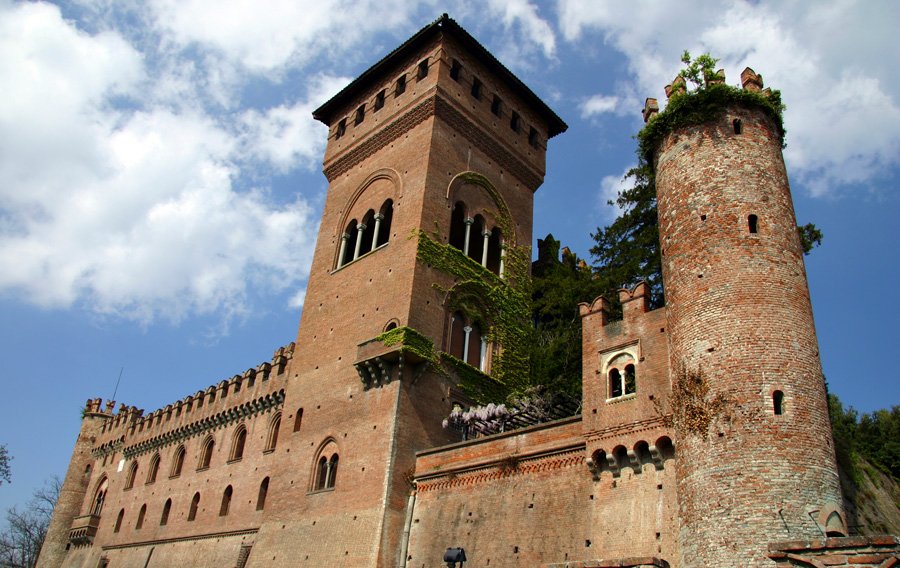 Perched on a hill overlooking the Po Valley, Gabiano Castle is one of those places that captivate you at first sight. Its history begins in the 8th century, when it was a simple Carolingian court, but it was in 1164 that Frederick Barbarossa granted it to the Marquises of Monferrato. Since then, it has witnessed battles, changes of ownership, and transformations. The Durazzo family from Genoa purchased it in 1622, and today the descendants, the Cattaneo Adorno family, still care for it with passion.
What you see today is the result of masterful restoration: between 1908 and 1935, architect Lamberto Cusani restored its ancient medieval splendor, erasing 19th-century modifications. Strolling along the walls, you'll notice the neo-medieval style, meticulous in every detail, with furnishings inspired by the Bonoris Castle in Montichiari and frescoes by Tito Peretti and Latino Barilli. The chapel, the dining room, the marquis's chamber: each room tells a piece of history.
But the castle is not just a museum: it is also an active wine estate. The vineyards, 20 hectares at an altitude of 300 meters, produce Gabiano DOC, a wine that won gold in Paris in 1937. You can visit the 12th-century cellars, taste wines in the room overlooking the vineyards, and shop at the emporium under the village's porticoes. And if you have time, don't miss the boxwood labyrinth, one of the few historical examples in Piedmont, planted in the 1930s: a dive into the past among geometric hedges and marble vases.
Today, the castle also offers hospitality: suites with evocative names like La Torre or Il Tartufo, a summer swimming pool, and a restaurant serving local dishes. In short, a place where history, wine, and beauty blend perfectly.
Castle of Uviglie
- Go to the page: Uviglie Castle: Historic Tufa Cellars and Barbera Tastings
- SP42 73b, Rosignano Monferrato (AL)
- https://www.castellodiuviglie.com/index.php
- Open in Google Maps
- View on Google Images
- reception@castellodiuviglie.com
- +39 0142 488792
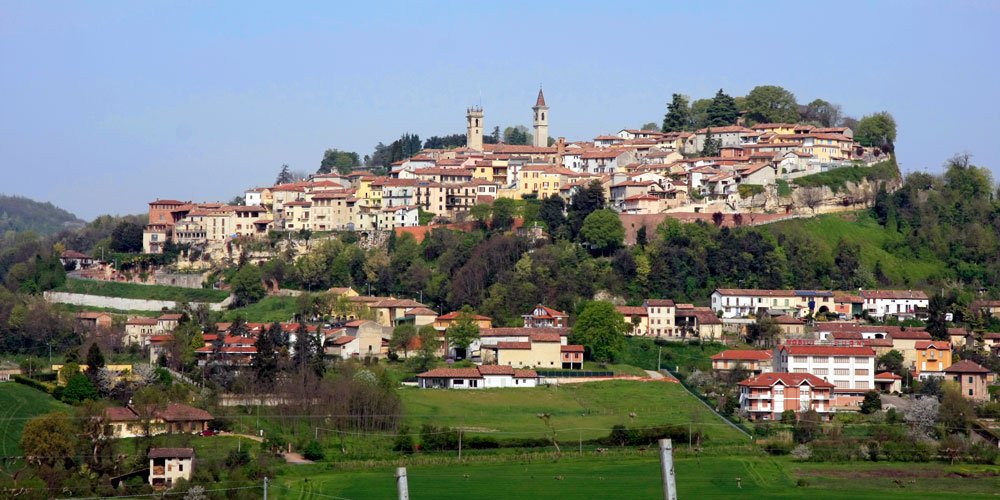 If you pass through these parts, the Castle of Uviglie is worth a stop. Perched on a hill east of Rosignano Monferrato, 8 km from Casale, it overlooks the Monferrato Casalese and the Ghenza Valley. Its history begins in the 13th century, when the Paucaparte family built a fortress between 1239 and 1271. In 1491, it passed to the Pico-Gonzaga family, who expanded the residence, and later to the Callori family, until Count Cacherano di Bricherasio – founding member of FIAT – purchased it in 1879. Today, it is owned by the Bonzano family, who have passionately revitalized the winery.
The centuries-old park covering 56,000 sqm is a peaceful oasis: classified among the historic gardens of the Piedmont region, it hosts rare plants such as a 400-year-old weeping beech, two cedars of Lebanon, and a rare fastigiate yew. Inside lies the Chapel of Sant'Eusebio, hexagonal in plan, where at dawn and dusk the light creates a spectacular display. The frescoed halls and historic cellars, with their 'underground cathedrals' carved into tuff, tell centuries of history.
The estate produces high-quality DOC wines: Barbera, Grignolino, Freisa, and Chardonnay, cultivated on 45 hectares of vineyard. I tasted the 'Le Cave' and can assure you it's an experience. Guided tours are held on Saturdays and Sundays at 10:30 AM (reservation required), with a final tasting. If you wish to stay, the castle also offers a bed & breakfast with period rooms. A place that exudes history, wine, and beauty.
Libarna Archaeological Area: The Ancient Roman City on the Via Postumia
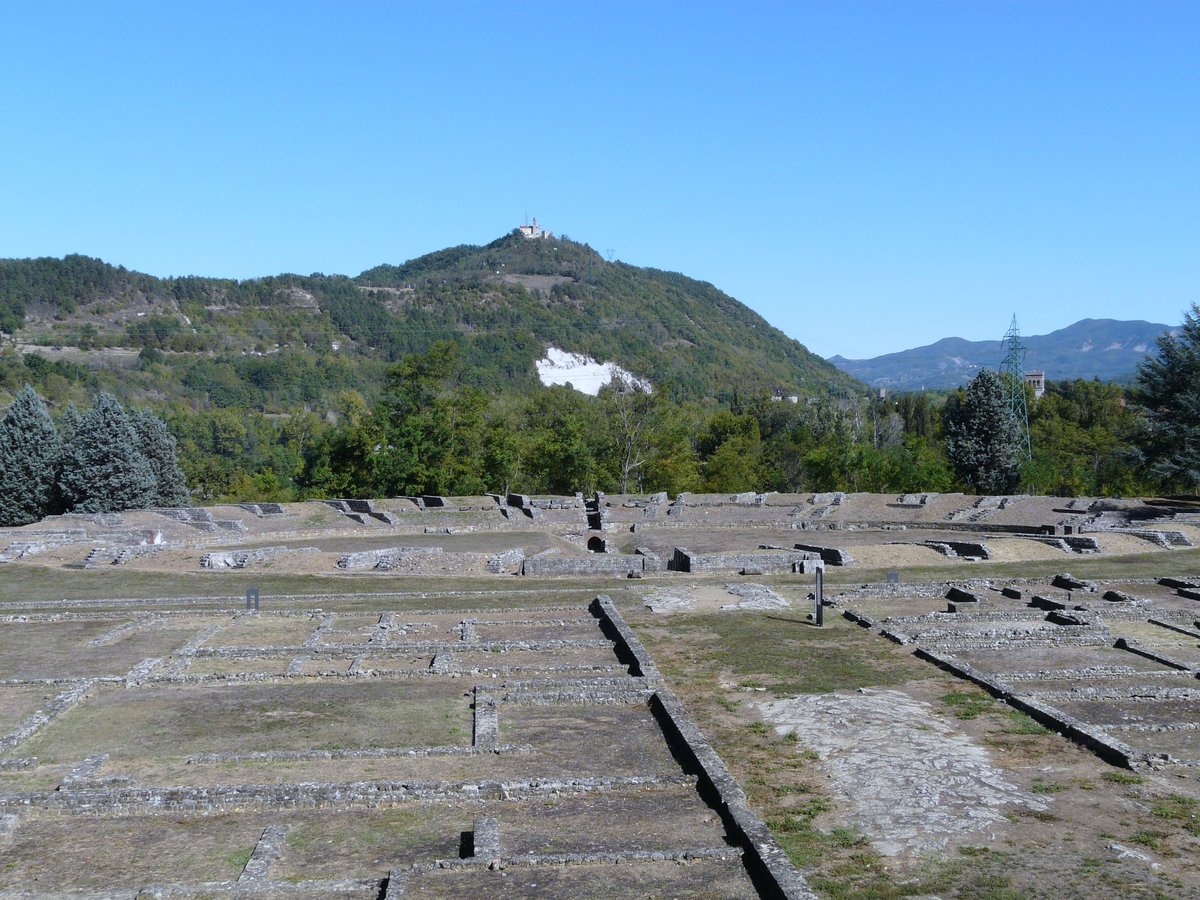 If you think Piedmont is only about castles and medieval villages, the Libarna Archaeological Area will change your mind. In Serravalle Scrivia, right along the ancient Via Postumia, lies a Roman city founded in the 1st century BC that reached its peak between the 1st and 2nd centuries AD. Then came decline, until abandonment. It was only rediscovered in the 19th century during road and railway construction. Today, about one-tenth of the original area is visitable, but that's already a lot.
Entry is free and unguided, but if you want to truly understand what you're seeing, book a guided tour (mandatory for groups). The remains are clearly legible: two residential blocks with peristyles, marble floors, and a mosaic depicting the myth of Lycurgus and Ambrosia not to be missed. Then there's the theater (about 3,800 seats) and the amphitheater, which studies suggest could hold up to 7,000 spectators. Walking along the paved streets gives you a sense of what life was like here.
Since 2022, management has been entrusted to the Regional Directorate of Museums of Piedmont, ensuring regular opening hours: from October to March daily 8:15 AM–5:15 PM, from April to September weekdays 8:15 AM–5:15 PM and holidays 9:45 AM–6:45 PM (always check updated times, as they vary in August). The area is also accessible to people with disabilities. For further insight, visit the Libarna Museum Area inside the Town Hall of Serravalle Scrivia, which displays artifacts from the 19th-century excavations.
Museum of the Champions: Cycling's Cathedral in Novi Ligure
- Viale dei Campionissimi 2, Novi Ligure (AL)
- http://www.museodeicampionissimi.it/
- Open in Google Maps
- View on Google Images
- museodeicampionissimi@comune.noviligure.al.it
- +39 0143 322634
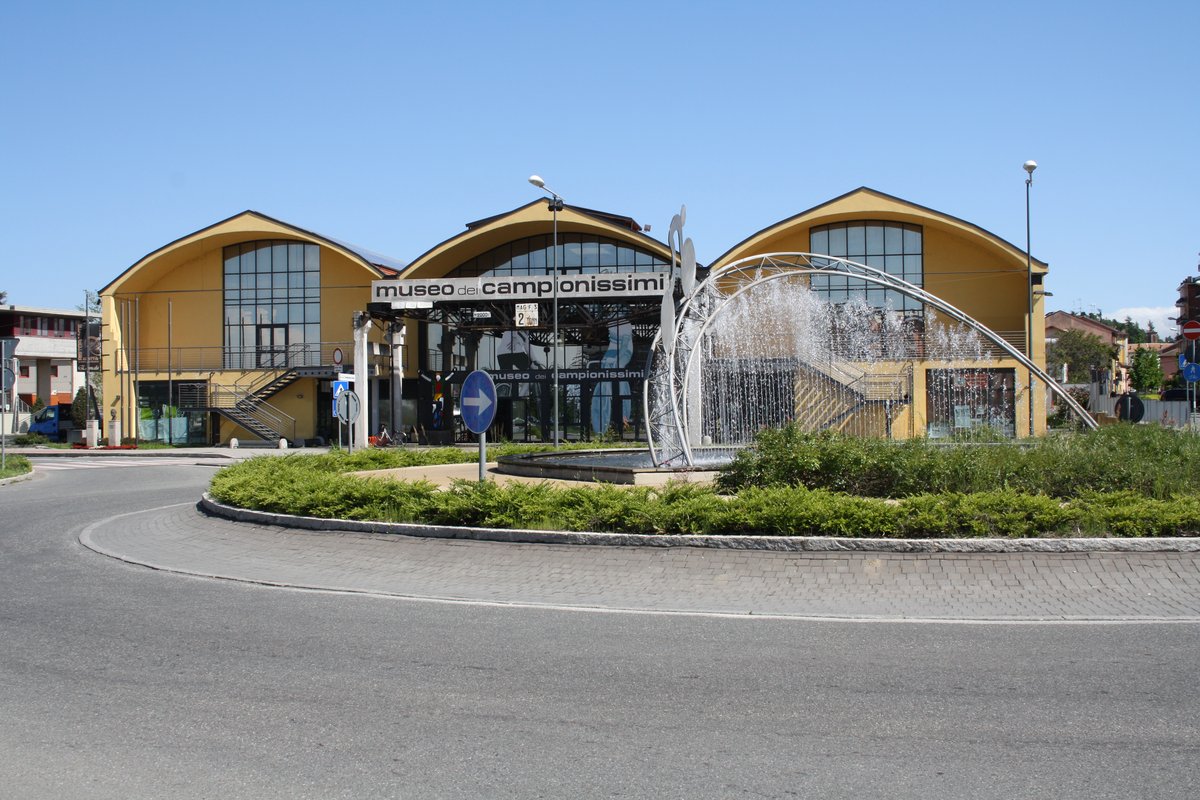 If you're passing through Novi Ligure, the Museum of the Champions is a must-see. Inaugurated in 2003 inside an early 20th-century former industrial warehouse, it is Italy's largest cycling museum covering 3,000 square meters. As soon as you enter, the central track strikes you: it's not just a walkway, but a path that takes you over different surfaces – dirt, cobblestones, asphalt – to tell the story of road evolution. Along the track, 40 bicycles accompany you, from the wooden model designed by Leonardo da Vinci to titanium prototypes. There are also work bicycles, like that of the chestnut seller or the baker. The true heart of the museum are the two local 'champions': Costante Girardengo and Fausto Coppi. In the Hall of Champions, memorabilia, vintage footage, and large screens let you relive their feats. There are also four multimedia totems for deeper dives into road, track, and cyclocross. If you come with children, the museum organizes workshops and activities, perfect for a rainy day. Practical info: full ticket €7 (reduced €4), with different hours in winter and summer – check the website as it's closed on Mondays. It's located at Viale dei Campionissimi 2, with free parking in front. Tip: after your visit, try the Novese focaccia in the town center.
Cremolino Castle
- Go to the page: Cremolino Castle: Historic Wineries and Monferrato Views
- Via amorina, Cremolino (AL)
- Open in Google Maps
- View on Google Images
- +39 0143 879970
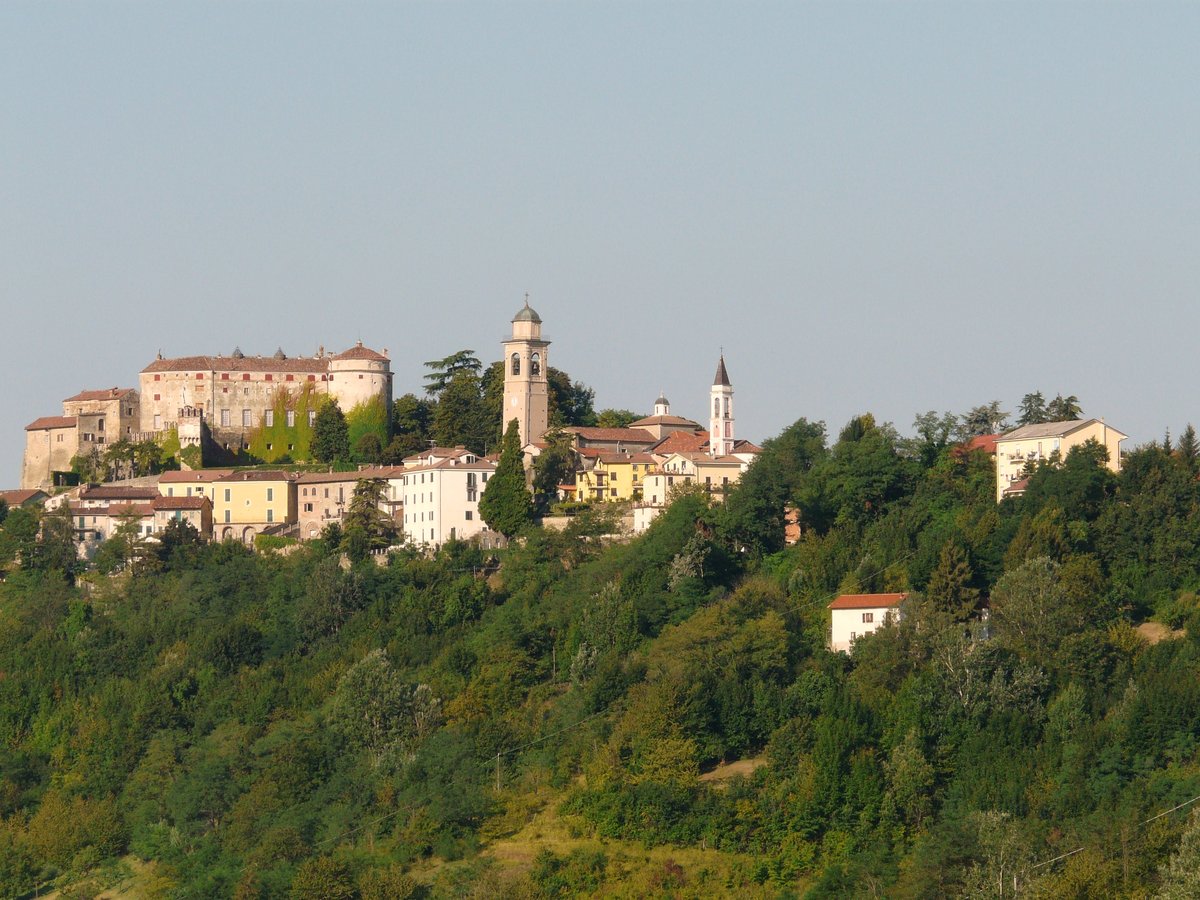 Perched on a rocky spur 450 meters high, Cremolino Castle is the tallest in Alto Monferrato. Its silhouette, dominated by a massive 15th-century tower and Ghibelline battlements, can be seen from afar among the hills. Its origins date back to the 11th century, but its current appearance is thanks to the Malaspina family, who between the 13th and 14th centuries transformed it into an impregnable fortress with a triple ring of walls and a still perfectly functioning drawbridge. Climbing the narrow street that crosses the ancient village, you pass through the Porta Maggiore and enter an inner courtyard that tells centuries of history. From the walls, you enjoy a 180° view that spans from the Alps (with Monviso in the foreground) to the hills of Monferrato. The castle has recently been restored and is now inhabited by the owners, who open it to the public. A place that smells of the Middle Ages, where every stone whispers battles and passages of noble families: from the Malaspina to the Genoese Sauli, Centurione, Doria, and finally the Serra. Don't miss a walk along the ramparts to admire the panorama and imagine life in times past.
Castello di San Giorgio: The Oldest Castle in Monferrato
- Go to the page: San Giorgio Castle: Medieval Fortress with UNESCO Views and Renaissance Halls
- Via Gozzani di San Giorgio, San Giorgio Monferrato (AL)
- Open in Google Maps
- View on Google Images
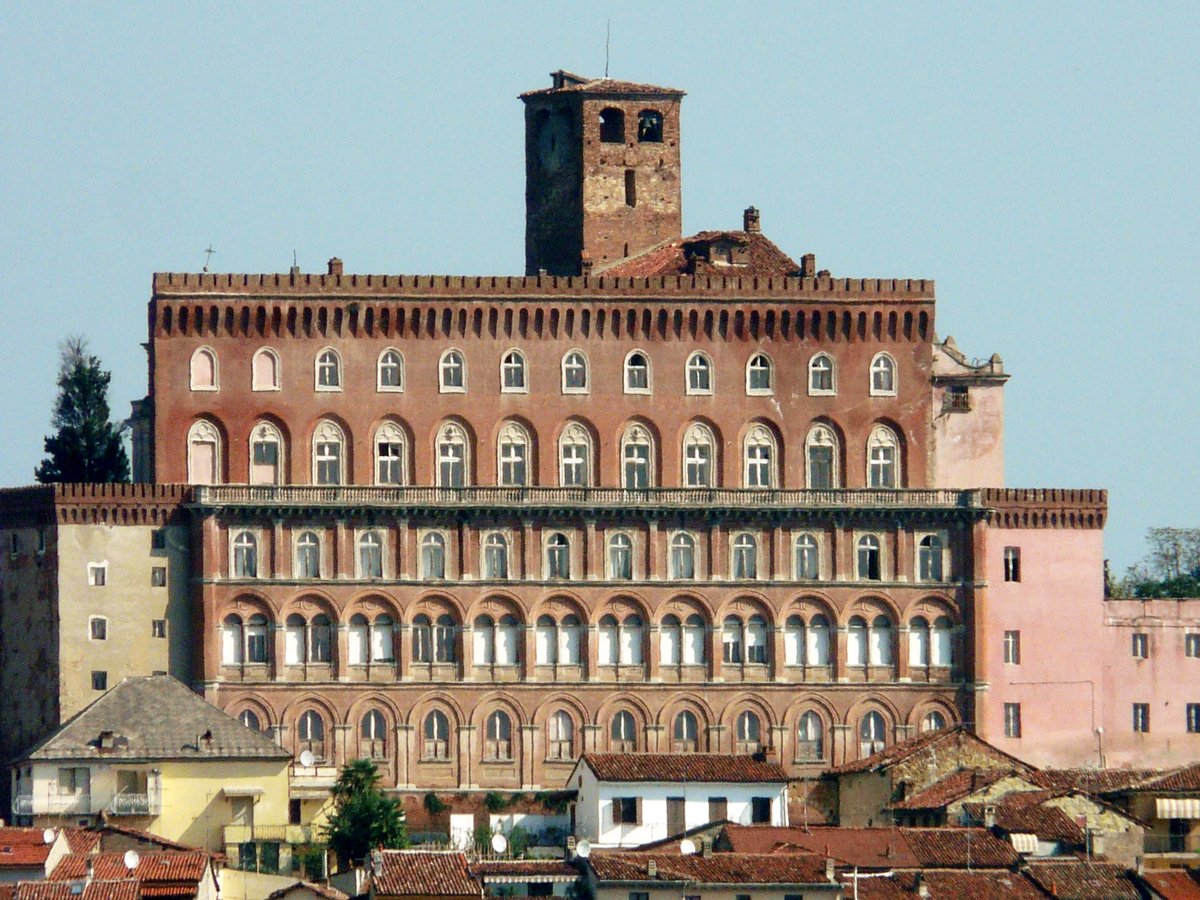 If there is one place that embodies the essence of Monferrato, it is the Castello di San Giorgio in San Giorgio Monferrato. Considered by historians to be the oldest castle in the region, its first records date back to 859. Perched on a tufa spur at 281 meters above sea level, it dominates the valley and the village below. Its history is a succession of powerful families: from the Aleramici to the Paleologi, from the Gonzaga to the Gozani, who shaped it over the centuries.
Walking through its walls, you can breathe a past of defense and nobility. The 9th-century square tower recalls its military origins, while the 18th-century façade and the Italian garden reveal its side as a stately home. Don't miss the U-shaped staircase leading to the panoramic terrace: from there, the view stretches from Monviso to Monte Rosa, over UNESCO hills and the Lomellina plain. Inside, medieval and Renaissance frescoes tell sacred and everyday stories, and an 18th-century chapel, the work of a pupil of Juvarra, adds a touch of refined elegance.
Today the castle is also a welcoming accommodation: three suites with original furnishings overlooking the vineyards, breakfast with local artisan products, and activities such as hiking, biking, and horseback riding. For visitors, it is possible to explore the noble wing and the park with guided tours upon reservation. The castle is open to the public from April to October, with Sunday and evening openings. In short, an unexpected dive into the Middle Ages, where history is lived to the fullest.
Sorli Castle: a Panoramic Ruin Between History and Nature
- Strada provinciale Stazzano-Vargo, Borghetto di Borbera (AL)
- Open in Google Maps
- View on Google Images
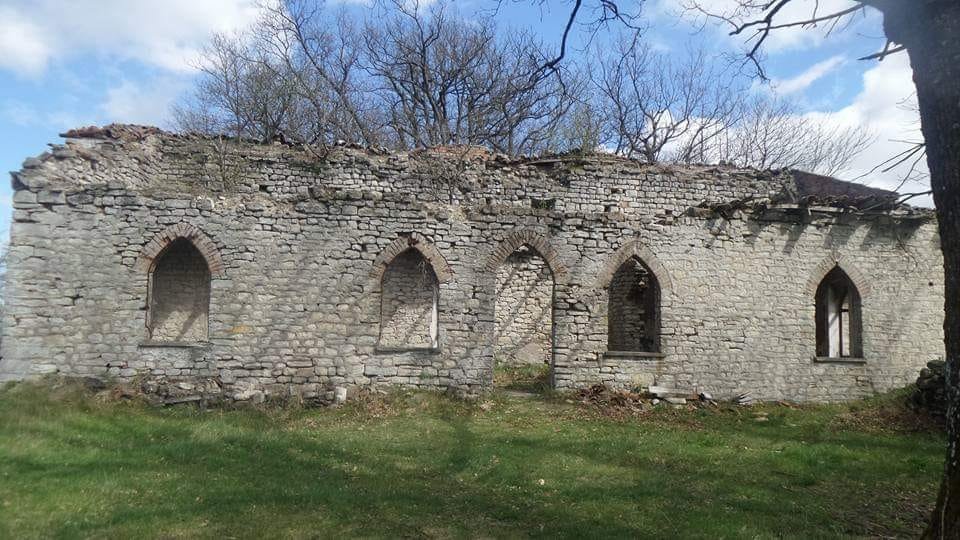 Perched at 661 meters above the hamlet of Sorli in Borghetto di Borbera, Sorli Castle is now a fascinating ruin offering breathtaking views of the plain from Alessandria to Tortona. Built in the 12th century, it was long contested between bishops and local lords: after being enfeoffed by the Bishop of Tortona, it passed to Giangaleazzo Visconti and then to the Lunati family, who held it until 1753. Of its former glory, a massive watchtower, part of the curtain wall (stretching about 500 meters), and the cistern remain. The original structure included a quadrangular keep and a rectangular building with pointed arches, connected by an irregular defensive wall. Today the site is in poor condition but has been made safe and can be visited externally. To reach it, a short 15-minute walk from the Church of Sorli along a dirt road through the woods is sufficient. The route is also suitable for mountain bike excursions from Garbagna, Stazzano, or Molo Borbera. During World War II, the area was a base for the Pinan-Cichero partisan division, and the hamlet of San Martino di Sorli suffered roundups and bombings in 1944. A place that combines history, nature, and memory, perfect for those who love solitary atmospheres and breathtaking views.
Marengo Museum: Where History Meets Technology
- Alessandria (AL)
- http://www.marengomuseum.it
- Open in Google Maps
- View on Google Images
- serviziomusei@asmcostruireinsieme.it
- +39 0131 234266
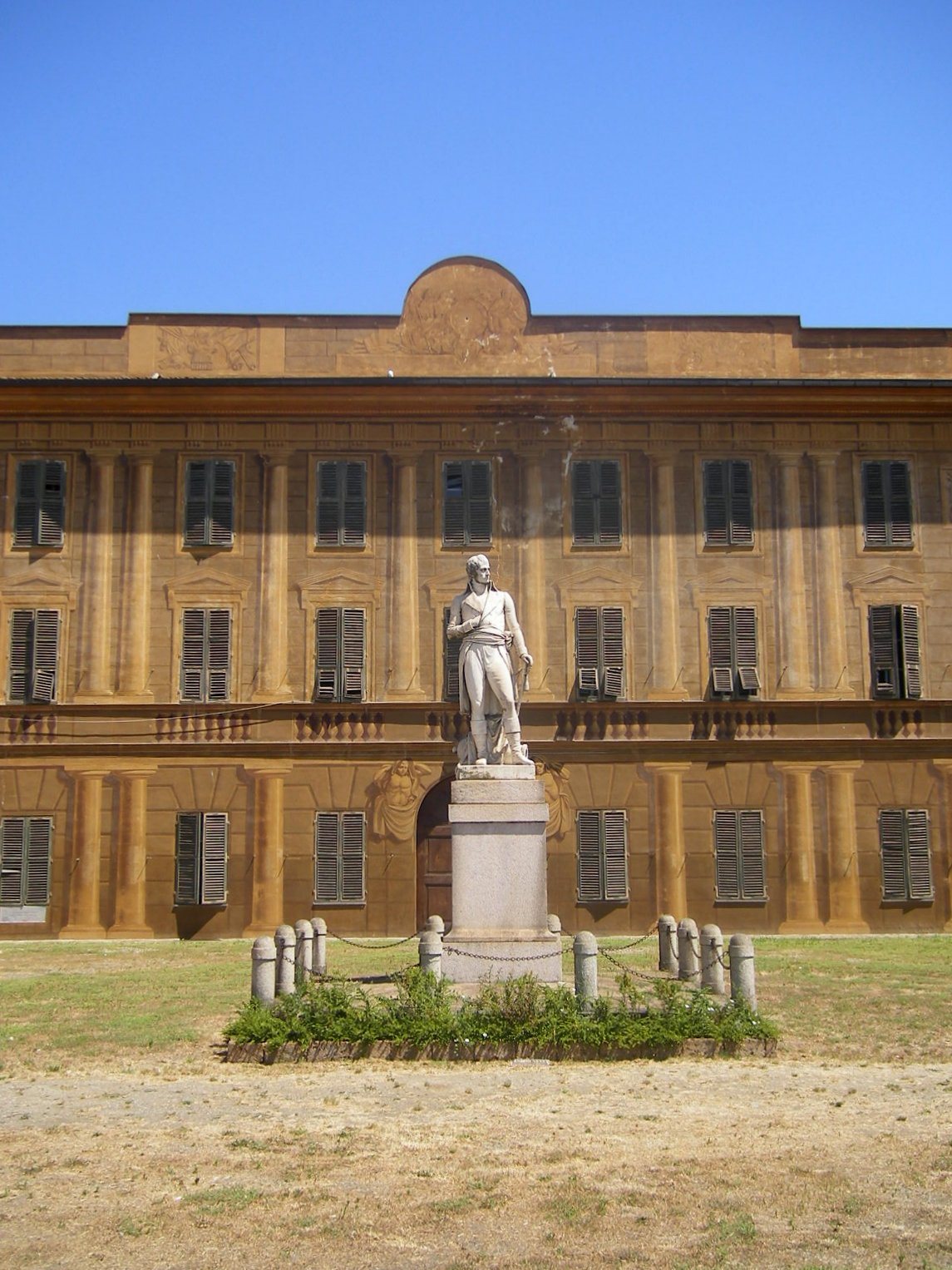 In Spinetta Marengo, just outside Alessandria, there's a museum that's anything but boring: the Marengo Museum. It was here that on June 14, 1800, Napoleon won one of his most legendary battles, and the museum lets you experience it as if you were there. The best part is that it's housed in a 19th-century villa, Villa Delavo, built in 1847 specifically to celebrate the Emperor. The entrance alone is a sight to behold: a rusty cast-iron pyramid, inspired by a Napoleonic edict that was never fully realized. Inside, the exhibition spans three floors and immerses you in the historical context with maps, videos, period weapons, and even a large diorama of the battle. The mannequins in original uniforms are realistic, but the coolest part are the interactive videos that explain the phases of the clash. On the ground floor, you start in 1800 between Vienna and Paris, then go up to the first floor for the account of the Italian campaign and the legend of Marengo. The second floor hosts temporary exhibitions, such as those on soldiers or on General Desaix, who fell in battle. If you have kids, the multimedia panels will keep them glued. The ticket costs 5 euros (reduced 3 for under 18 and over 65, free for under 12). It's open Saturday and Sunday afternoons, but during the week you can book tours for groups or schools. For info: www.marengomuseum.it. Oh, a hundred meters away there's a column with a bronze eagle, but you can't get there on foot due to the busy road. In short, a dive into history worth the detour.
Municipal Theatre of Casale Monferrato: History and Performance
- Vicolo Falzetta, Casale Monferrato (AL)
- Open in Google Maps
- View on Google Images
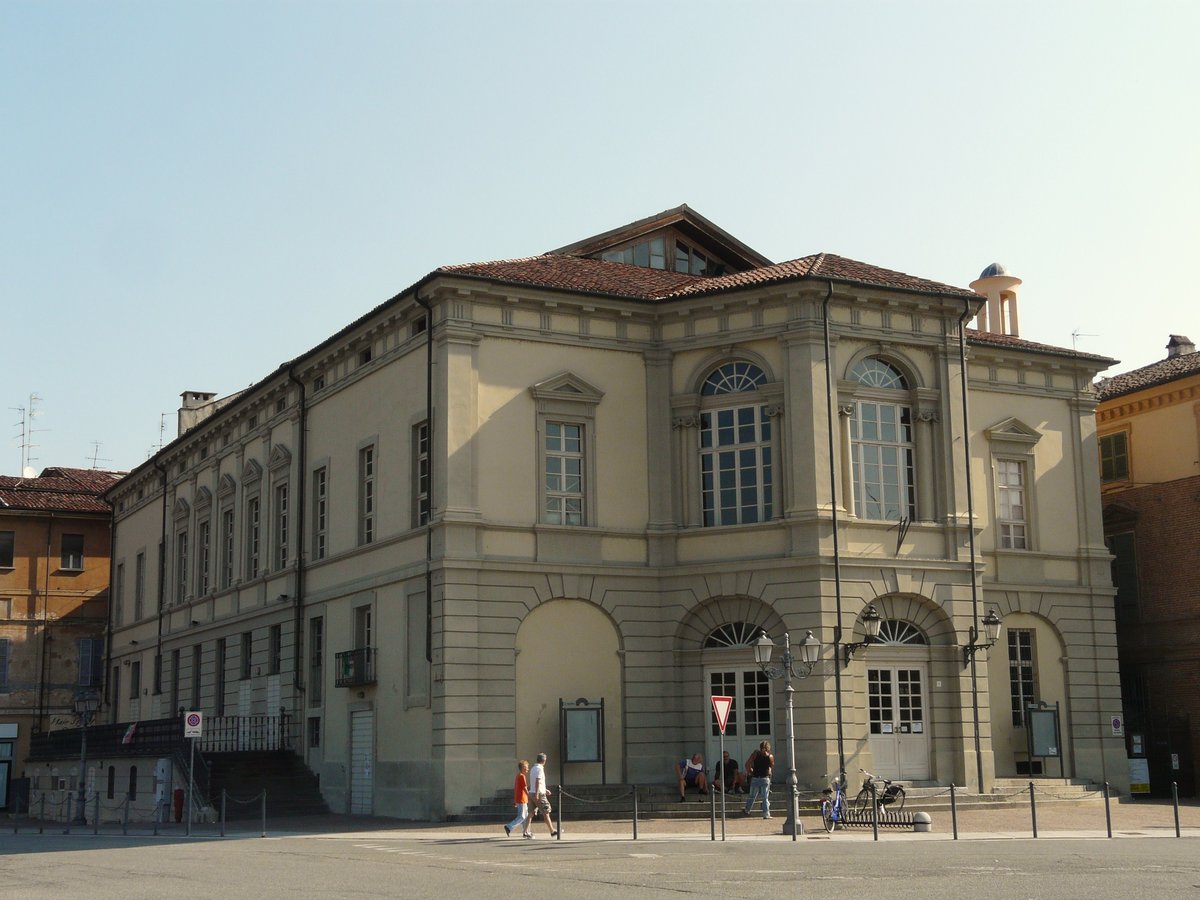 The Municipal Theatre of Casale Monferrato is a jewel of neoclassical architecture, designed by the Spoleto abbot Agostino Vitoli and inaugurated in 1791. With its horseshoe layout, four tiers of boxes, and a capacity of 499 seats, it is a magnificent example of an Italian-style theatre. The carved and gilded railings, the frescoes by the Galliari brothers, and the crystal chandelier create a unique atmosphere. After being closed during the Napoleonic period and reopened in 1840, the theatre experienced ups and downs, even being used as a warehouse during the war. The restoration in the 1980s brought it back to its former glory, with a reopening in 1990 starring Vittorio Gassman. Today, it hosts a theatre season of drama, music, and dance, with performances ranging from classics to contemporary works. Not to be missed are accessibility initiatives such as audio descriptions for the visually impaired. The box office is at Piazza Castello 9, open by appointment on Tuesday and Friday mornings, and on performance days from 7:30 PM.
Among Villages and Castles, the Nymphs' Fountain
- Corso Vigano, Acqui Terme (AL)
- Open in Google Maps
- View on Google Images
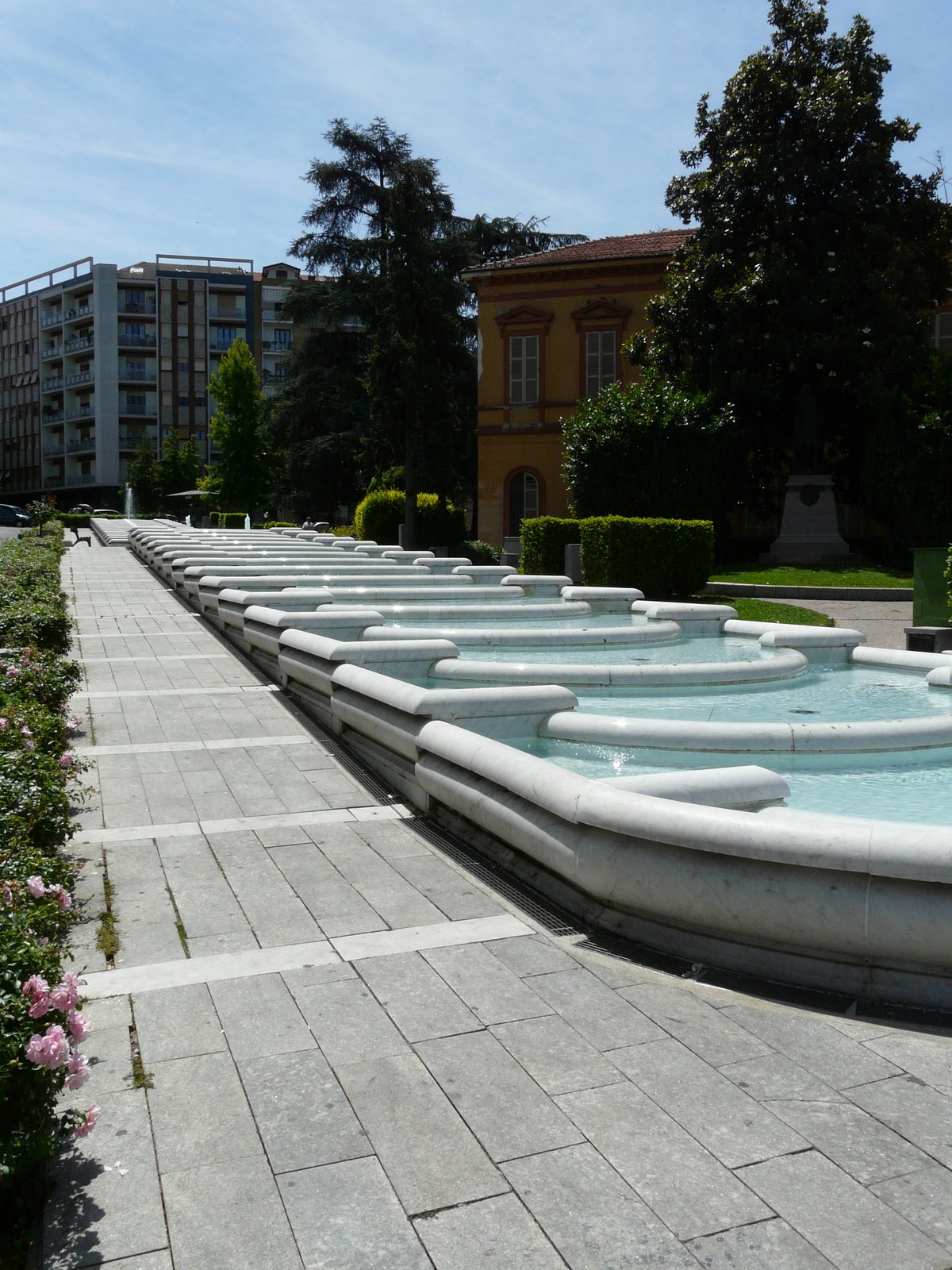 If you think the most beautiful fountains are only the ancient ones, the Nymphs' Fountain in Acqui Terme will change your mind. Inaugurated in 2000 and designed by Roman architect Gaspare De Fiore, this modern fountain is a true water spectacle flowing down from Corso Viganò to Piazza Italia along a long marble staircase with cascading basins. Water is the star, of course: jets, light shows, and colors make it unique. But what struck me most was the 2022 renovation by Marco Ciarlo Associati. They practically rebuilt everything, yet with respect for the original. New Carrara marble seating, IPM GeoDrena® permeable paving that seems made for water, and a lighting system with tower spotlights that transform the fountain into an almost magical experience at night. The colored water displays (white, blue, purple, red, green) are back after years of inactivity. And if you visit in May, you might see it lit in pink for the Giro d'Italia, as in 2024. The fountain is also a stop on an easy 5.4 km loop trail starting from the Roman aqueduct—a great excuse for a family walk. In a corner of Piedmont famous for villages and castles, this modern fountain is a pleasant surprise: a place where locals gather, children play, and water flows tirelessly. Don't miss it if you pass through Acqui Terme: it's the symbol of the city's bond with its thermal baths and the water that has flowed for centuries.
Paleologa Tower: The Symbol of San Salvatore Monferrato
- Parco Torre, San Salvatore Monferrato (AL)
- Open in Google Maps
- View on Google Images
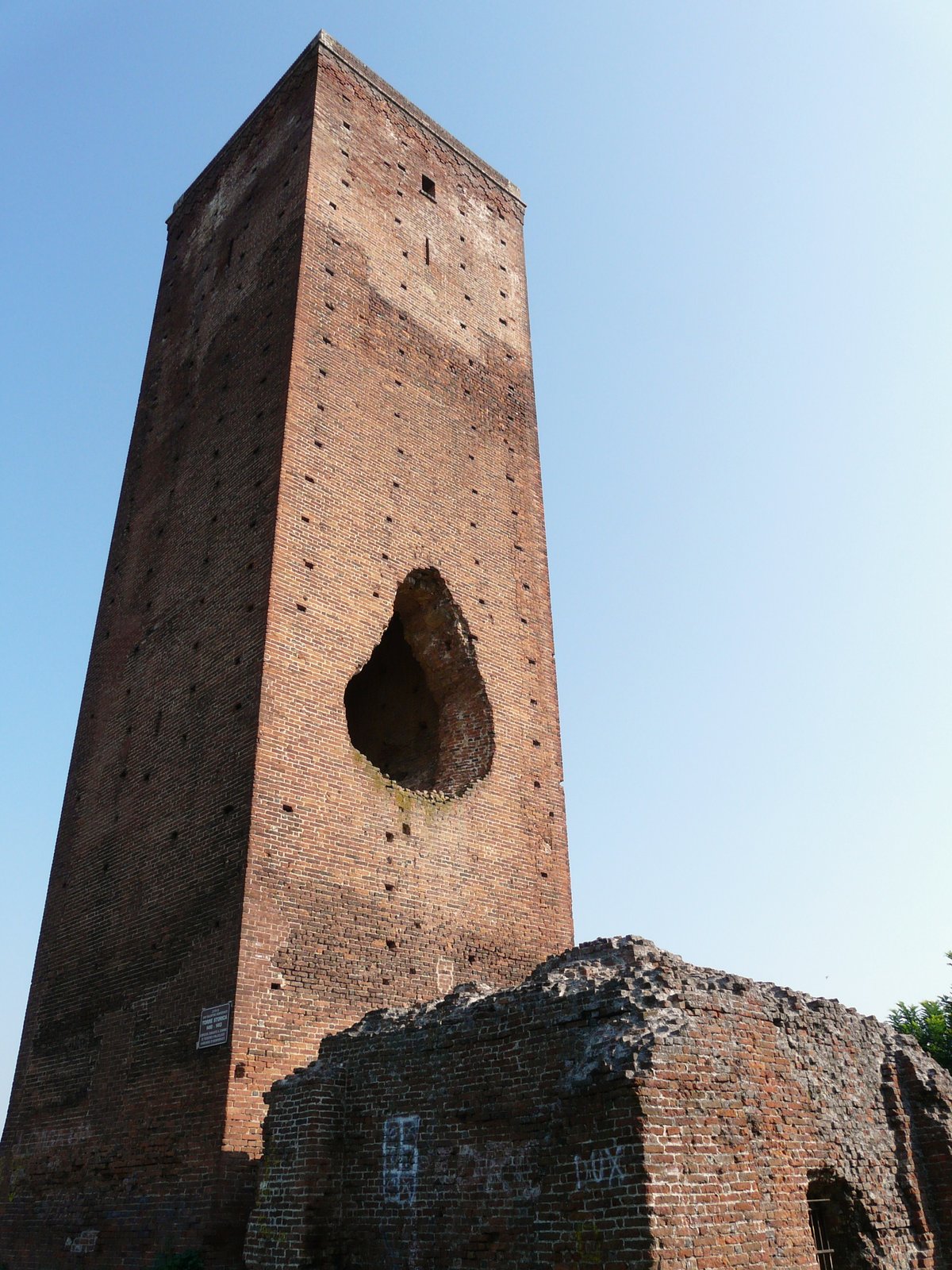 If you're passing through San Salvatore Monferrato, don't miss the Paleologa Tower. Built between 1410 and 1413 at the behest of Marquis Theodore II Palaiologos, it stands 24 meters tall on the 'tower hill' at an altitude of 257 meters. It is entirely in exposed brick, with walls nearly 2 meters thick – sturdy enough to withstand anything. Its most curious feature? A large oval hole on the side facing Alessandria: it's not a cannon breach, but the ancient entrance, left as is after the 1930s restoration. Next to it is a cube-shaped structure, 5 meters high, which was a rainwater cistern. The tower was part of the Monferrato Marquisate's watchtower system: from here, signals were sent to other towers. During the Second Italian War of Independence (1859), the Piedmontese used it as an observation point, even installing a telegraph station there. Today, the surrounding park is always open and free to access. The tower itself is only open on special occasions – like during the town's festival in May. But the view from the hill is breathtaking, offering a 360° panorama of the Monferrato hills. A FAI project with a €700,000 grant plans to restore it and make it accessible to the top by 2028. For now, enjoy the atmosphere and the silence, perhaps with a picnic in the equipped area. Tip: bring binoculars to scrutinize the tower's details.