Archbishop’s Chapel Ravenna: 5th-century Byzantine mosaics and the Warrior Christ

The Archbishop’s Chapel of Ravenna is the only intact early Christian place of worship from the 5th century, with perfectly preserved Byzantine mosaics. Built as the bishop’s private oratory, it provides an authentic and intimate experience in the heart of the historic center, away from the busiest tourist routes.

  • 5th-century Byzantine mosaics with a midnight blue background and golden figures, including the rare Warrior Christ trampling beasts
  • Only intact early Christian building, constructed between 494 and 519 AD as the bishop’s private oratory
  • Intimate and serene atmosphere with a Greek cross layout, ideal for a peaceful visit without crowds
  • UNESCO World Heritage site included in the list since 1996 as part of Ravenna’s early Christian monuments


Events nearby


Copertina itinerario Archbishop's Chapel Ravenna: 5th-century Byzantine mosaics and the Warrior Christ
Archbishop’s Chapel of Ravenna: 5th-century private oratory with intact Byzantine mosaics, including the rare Warrior Christ. UNESCO World Heritage site in the historic center, offering an intimate atmosphere away from crowds.

Good to know


Introduction

Stepping into the Archiepiscopal Chapel of Ravenna is like leaping through time into a world where light dances with mosaics in a breathtaking way. It’s not just a monument; it’s a visual experience that strikes straight to the heart. The first thing you notice is the warrior Christ in the mosaic above the arch, a powerful and unusual figure that dominates the space. The vibrant colors of the gold and blue tesserae seem almost alive, and the intimate atmosphere of the chapel makes you feel part of something sacred and ancient. For me, it’s one of those places that make you understand why Ravenna is a UNESCO treasure: here, Byzantine art isn’t just history—it’s pure emotion. If you love details, prepare to lose yourself among decorations that tell stories of faith and power.

Historical Notes

The Archbishop’s Chapel, also known as the Oratory of Saint Andrew, is a fifth-century gem that has miraculously withstood the test of time. It was commissioned by Bishop Peter II between 494 and 519 AD, during a turbulent period following the fall of the Western Roman Empire. Ravenna was the capital of the Ostrogothic Kingdom, and this chapel served as a private prayer space for archbishops—a luxurious refuge in an era of change. The mosaics, with their Christian motifs and symbols like the cross and Christ’s monogram, showcase a unique fusion of Roman and Byzantine art. It’s fascinating to think that while Europe was in crisis, something so beautiful and enduring was being created here. The chapel has undergone few restorations, making it even more authentic—a true piece of history you can see with your own eyes.

  • 494-519 AD: Construction under Bishop Peter II
  • 5th century: Creation of Byzantine mosaics
  • 1996: Inclusion in the UNESCO list as part of Ravenna’s early Christian monuments
  • Today: Preserved as a museum accessible to the public

The Mosaics That Speak

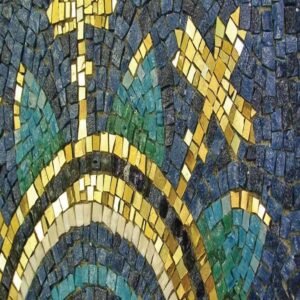
What makes this chapel special isn’t just its age, but how the mosaics tell a story without needing words. Look at the vaulted ceiling: it’s a riot of golden stars against a blue background, symbolizing paradise, and makes you feel as if you’re walking under an eternal night sky. Then there are the side panels, with figures of saints and martyrs that seem to watch you with penetrating eyes. I noticed that the faces have serene yet intense expressions, as if wanting to communicate something profound. One detail that struck me is the use of color: the emerald green and purple red aren’t just decorative but evoke the richness and spirituality of the era. If you get closer, you can see the small glass and stone tesserae that create light effects—it’s meticulous work that makes you think of the artisans of that time, who knows with what passion they worked. For me, these mosaics aren’t just art; they’re a message of hope passed down through the centuries.

The Intimate Atmosphere

Unlike other monuments in Ravenna, the Archbishop’s Chapel has a cozy atmosphere that makes it perfect for a quiet visit. It’s small, almost hidden within the Archbishop’s Palace, which makes it feel like a secret waiting to be discovered. When I visited, there were few people, and I could enjoy the silence broken only by my footsteps. The natural light filtering through the high windows illuminates the mosaics differently depending on the time of day, creating plays of shadows that add mystery. I sat on a bench for a moment and thought about what it must have been like to pray here centuries ago—an almost meditative experience. The scent of old wood and stone also contributes to the aura of sacredness. If you’re tired of the crowds at more famous tourist spots, this chapel is an oasis of peace where you can connect with the art without distractions. Personally, I found it more moving than some larger places, precisely because of this intimacy.

Why Visit It

Visiting the Archbishop’s Chapel is worthwhile for at least three concrete reasons. First, it’s one of the few examples in the world of 5th-century Byzantine mosaics so well preserved—you won’t find them everywhere, and here you can admire them up close without barriers. Second, access is convenient: it’s located in Ravenna’s historic center, just steps from the Basilica of San Vitale and the Mausoleum of Galla Placidia, so you can easily include it in a walking itinerary. Third, it’s perfect for those short on time: the visit takes about 20-30 minutes, but the impact is lasting. I appreciated it because, beyond the artistic beauty, it offers an authentic glimpse of ancient Ravenna, without the crowds that sometimes overwhelm other UNESCO sites. If you’re a history enthusiast or simply seeking a moment of beauty, this place won’t disappoint.

When to Go

To fully experience the magic of the Archbishop’s Chapel, I recommend visiting in the early morning or late afternoon, when the light is softer and the mosaics shine without the direct sun that can be dazzling. I’ve noticed that during these times there are also fewer people, so you can enjoy the atmosphere in peace. Avoid summer weekends if you prefer to skip lines, though Ravenna is never as chaotic as other art cities. Personally, I visited on a gray autumn day, and the colors of the mosaics seemed even more vivid—almost as if they warmed up the space. In winter, the cool weather makes the visit pleasant, and you can take refuge here after a stroll through the city center. There’s no wrong season, but in my opinion, the quiet moments offer the most authentic experience.

In the Surroundings

After the Archbishop’s Chapel, don’t miss two nearby experiences that complete your visit to Ravenna. First, make a quick stop at the Arian Baptistery, just a few minutes’ walk away: it’s another UNESCO gem with spectacular mosaics depicting the baptism of Christ, and the contrast between the two sites helps you appreciate Byzantine art even more. Then, if you want to immerse yourself in local life, stroll through the streets of the historic center to Piazza del Popolo—it’s the heart of Ravenna, with historic cafés where you can enjoy a coffee or gelato and observe the locals. I loved sitting there and reflecting on how this city seamlessly blends ancient and modern. Both places are easily accessible and add depth to your day without requiring long journeys.

Itineraries nearby


💡 Did You Know…?

Look closely at the mosaic of the warrior Christ on the vault: it is the only representation of Jesus in military attire in Paleo-Christian art, symbolizing victory over evil. Also note the portraits of bishops in the pendentives, among the oldest existing portrait mosaics. The chapel miraculously survived the bombings of World War II because it was used as a storage space, preserving its treasures. Restoration work has revealed that the mosaics use glass tesserae with gold leaf applied to the back, a technique that gives them that unreal luminosity.