Bentivoglio Fortress: Renaissance Frescoes and Views of the Bolognese Apennines

The Bentivoglio Fortress in Valsamoggia is a medieval stronghold transformed into a noble residence, featuring unique Renaissance frescoes and spectacular views of the Bolognese Apennines. Built in the 15th century by the Bentivoglio family, it now hosts cultural events while maintaining its spirit as a gathering place. The inner courtyard is always freely accessible, while interior rooms can be visited during special occasions.

  • Perfectly preserved 15th-16th century Renaissance frescoes in the noble halls
  • Breathtaking panoramic views of the Valsamoggia hills from the crenellated tower
  • Always accessible inner courtyard with terracotta loggias and historical atmosphere
  • Temporary exhibitions and cultural events in a unique setting off the beaten tourist path
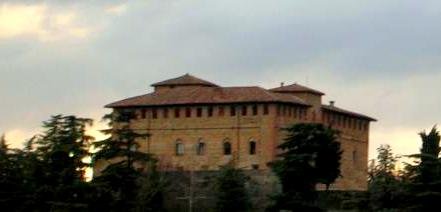
Copertina itinerario Bentivoglio Fortress: Renaissance Frescoes and Views of the Bolognese Apennines
15th-century medieval fortress with perfectly preserved 15th-16th century frescoes, always accessible inner courtyard, and breathtaking views of the Valsamoggia hills. Hosts temporary exhibitions and cultural events.

Good to know


Introduction

As soon as you arrive in Valsamoggia, the Rocca dei Bentivoglio immediately captures your attention: a medieval fortress that dominates the valley with its massive towers and stone walls. It’s not just a castle, but a journey through time in the Bolognese hills. Walking through the inner courtyard, you breathe in the air of history and admire the perfectly preserved Renaissance frescoes decorating the halls. The panoramic view from above embraces the vineyards and villages of the Apennines, offering an authentic glimpse of Emilia-Romagna. Perfect for a day trip, it makes you feel far from the chaos without straying too far from Bologna. A place where art and nature merge, ideal for those seeking something unique and off the beaten tourist path.

Historical Overview

The Rocca dei Bentivoglio was originally built in the 13th century as a defensive fortress, but it was under the Bentivoglio family, lords of Bologna during the Renaissance, that it became a symbol of power and culture. Notable figures such as Giovanni II Bentivoglio stayed here, turning it into a center of patronage. In the 16th century, following the family’s downfall, it passed to the Papal State, undergoing transformations while retaining its charm. Today, after careful restoration, it hosts exhibitions and cultural initiatives.

  • 13th century: Construction as a medieval fortress
  • 15th century: Expansion under the Bentivoglio family
  • 16th century: Transfer to the Papal State
  • Today: Venue for events and guided tours

Renaissance Frescoes

As you enter the halls of the fortress, you’ll be struck by the 15th and 16th century frescoes that depict courtly stories and heraldic symbols. In the Hall of the Giants, for example, the mythological figures painted on the walls transport you to an era of opulence, with details revealing Bolognese influence in Emilian art. These well-preserved paintings are a rare example of Renaissance civil decoration in the area, not just religious works. Observe them up close: you’ll notice the vibrant colors and scenes of daily life that the Bentivoglio family commissioned to impress their guests. A little-known treasure worth discovering at leisure, perhaps accompanied by explanations from local guides.

Panoramas and Inner Courtyard

The inner courtyard of the fortress is an architectural gem: surrounded by brick loggias, it’s the beating heart of the complex, where parties and meetings were once held. From here, climb the towers to enjoy breathtaking views of the Bolognese Apennines: see the hills of Valsamoggia stretching out, dotted with vineyards and olive groves, all the way to the distant ridges. On clear days, your gaze can reach the plains, offering a unique contrast between mountains and countryside. It’s the perfect spot for a quiet break, perhaps with a light picnic, immersed in an atmosphere that blends history and landscape. Don’t miss the garden corner, where wildflowers add a splash of color.

Why Visit It

Visit the Rocca dei Bentivoglio for three practical reasons: first, the unique Renaissance frescoes offer an immersion in Emilian art without the crowds of city museums. Second, the panoramic views from above are ideal for photography and moments of relaxation, with scenery that changes with the seasons. Third, it’s a well-preserved example of medieval and Renaissance architecture, rare in this area, allowing you to touch the history of the Bentivoglio family and the Apennines. Plus, it often hosts local events like temporary exhibitions, adding value to your visit. Bring a camera: every corner tells a story.

When to Go

The best time to visit the fortress is at sunset, when the warm light enhances the colors of the frescoes and the landscape turns orange, creating a magical atmosphere. In spring or autumn, the mild days allow you to comfortably explore both the interiors and exteriors, without the summer heat or winter cold. Avoid days with heavy rain, as some outdoor paths might be less accessible. If you prefer tranquility, choose weekdays: you’ll find fewer visitors and more space to enjoy every detail in peace.

In the Surroundings

Complete your trip with a visit to the Bazzano Village, just a short drive away, where you can admire the Abbey of San Stefano and sample local specialties at one of the traditional trattorias. Alternatively, explore the Valsamoggia Wineries to taste wines like Pignoletto, paired with DOP products from Emilia-Romagna. Both locations offer an authentic taste of the culture and gastronomy of the Bologna province, perfect for a historical and food-and-wine themed itinerary.

💡 Did You Know…?

According to local legend, a secret passage is said to be hidden in the fortress cellars, connecting directly to Bazzano Castle, used by the Bentivoglio family to escape in case of danger. During restoration work, traces of an ancient olive press emerged, evidence of the agricultural activity that sustained the fortress. The graffiti carved on the walls by the guarding soldiers tell stories of daily life in the 1500s.