
🧭 What to Expect
- Ideal for a cultural and automotive weekend
away from the busiest tourist circuits.- Highlights:
Medieval towers, Renaissance architecture, and top-tier automotive museums.- Includes an
interactive map with all described locations.- Offers a unique blend of
art, history, and technology in the heart of Emilia-Romagna.
Events nearby
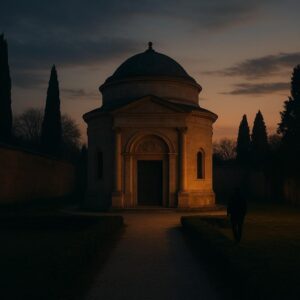
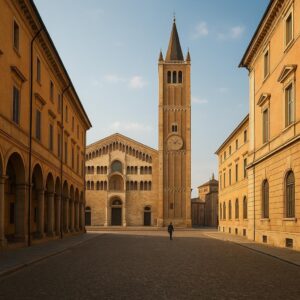
The Province of Bologna offers much more than just the university city. The Two Towers, symbol of the historic center, dominate the urban skyline, while the Sanctuary of the Madonna di San Luca is reached via a charming porticoed walk. Outside Bologna, Rocchetta Mattei in Grizzana Morandi surprises with its eclectic style, and Rocca Sforzesca in Dozza hosts the prestigious Biennale del Muro Dipinto. Motor enthusiasts will find the Lamborghini Museum in Sant'Agata Bolognese and the Ducati Museum in Borgo Panigale, while Rocca dei Bentivoglio in Bazzano is a perfectly preserved medieval gem. Gastronomy is everywhere, from tortellini in broth to crescentine, to be paired with local wines like Pignoletto.
Overview
- Asinelli Tower
- Basilica of San Petronio
- Piazza Maggiore
- Sanctuary of the Madonna di San Luca
- Rocchetta Mattei
- Sforza Fortress of Dozza
- Bentivoglio Fortress
- Lamborghini Automobile Museum
- Ducati Museum
- Sforza Fortress of Imola
- National Art Gallery of Bologna
- Rocca Isolani
- Manzoli Castle
- MAGI'900 - Museum
- Castello della Giovannina
Itineraries nearby

Asinelli Tower
- Piazza di Porta Ravegnana, Bologna (BO)
- Open in Google Maps
- View on Google Images
 The Asinelli Tower is one of Bologna's most iconic symbols, part of the famous Two Towers that dominate the historic center. Standing at 97.2 meters tall with a lean of 1.3 degrees, it's the tallest leaning tower in Italy. To reach the summit, you must climb 498 wooden steps - an effort that's rewarded with a 360-degree view of the city. From here, you can clearly see Piazza Maggiore, the Basilica of San Petronio, and on clear days, even the Apennine Mountains. The tower was built between 1109 and 1119 by the Asinelli family, one of the most powerful families of the era, serving both as a symbol of prestige and as a lookout point. Today, access is regulated by timed slots to avoid overcrowding, and online booking is recommended, especially on weekends. The structure has undergone multiple restorations, with the most significant recent intervention in 2021 to consolidate its stability. At the tower's base, the statue of San Petronio watches over visitors, while the nearby Garisenda Tower, shorter and more leaning, completes the skyline. An interesting detail: in the Middle Ages, students who failed their exams were forced to climb the tower as punishment. Today, however, the climb is an unmissable experience for anyone wanting to capture the essence of Bologna from above, with its red rooftops and arcades winding like arteries through the city.
Asinelli
Basilica of San Petronio
- Go to the page: Basilica of San Petronio: World's Longest Sundial and Renaissance Frescoes
- Via de' Foscherari, Bologna (BO)
- https://www.basilicadisanpetronio.org/
- Open in Google Maps
- View on Google Images
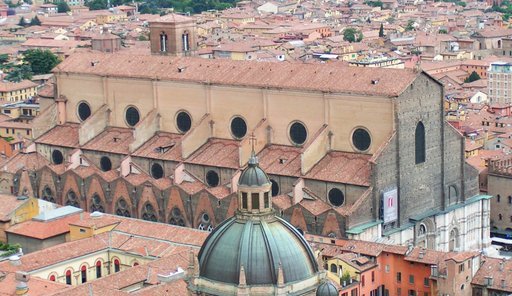 The Basilica of San Petronio dominates Piazza Maggiore with its unfinished facade, a detail that tells centuries of Bolognese history. Construction began in 1390 and was never completed, leaving the upper part in raw brick. Inside, the dimensions immediately strike you: it's the sixth largest church in Europe, measuring 132 meters in length. The central nave reaches nearly 45 meters in height, creating a sense of grandeur that makes you feel small. Don't miss the Cassini Meridian, a 66.8-meter-long bronze line traced on the floor in 1655: it still functions as a sundial, with a beam of light indicating the time and season. The side chapels house works such as Giovanni da Modena's frescoes in the Chapel of the Magi, with vivid depictions of Heaven and Hell. The main altar is topped by a ciborium by Vignola, while the historic organ dates back to 1470. Observe the central portal by Jacopo della Quercia, with bas-reliefs illustrating stories from the Old Testament: the details are so fine they seem to speak. The basilica is an example of Italian Gothic, with pointed arches and cross vaults intertwining above you. Remember that entry is free, but a ticket is required for the richer chapels. Come in the morning to avoid the crowds and enjoy the light filtering through the stained-glass windows.
Basilica of San Petronio
Piazza Maggiore
- Go to the page: Piazza Maggiore Bologna: Neptune Fountain, Unfinished Basilica and Medieval Palaces
- Piazza Maggiore, Bologna (BO)
- Open in Google Maps
- View on Google Images
 Piazza Maggiore is Bologna's true living room, a vast paved square that has welcomed Bolognese citizens and visitors for centuries. Surrounded by imposing historic buildings, here you breathe the very essence of the city. Dominating the scene is the Basilica of San Petronio, with its unfinished facade telling centuries of interrupted history. Opposite, the Palazzo del Podestà and Palazzo Re Enzo transport you back to the Middle Ages, when Bologna was a free Commune. Don't miss the Fountain of Neptune, a work by Giambologna that has become a city symbol: the Bolognese affectionately call it 'the Giant' for its majestic proportions. Under the porticoes bordering the square, you'll find historic cafes where you can stop for coffee or an aperitivo while watching life unfold. The square is always bustling: by day with tourists admiring the architecture, by evening with young people gathering on the steps of San Petronio. It's the ideal starting point for exploring the historic center, just steps away from the Two Towers and the markets of Via Pescherie Vecchie.
Piazza Maggiore
Sanctuary of the Madonna di San Luca
- Go to the page: Sanctuary of San Luca Bologna: World's Longest Portico and Panoramic View
- Portico di San Luca, Bologna (BO)
- Open in Google Maps
- View on Google Images
 The Sanctuary of the Madonna di San Luca overlooks Bologna from the top of Colle della Guardia, reachable through the world's longest portico: 3,796 meters with 666 arches starting from Porta Saragozza. This unique covered pathway was built between 1674 and 1793 to protect pilgrims during the ascent. Upon reaching the top, visitors are welcomed by the iconic Baroque church that houses the Byzantine image of the Virgin and Child, traditionally believed to have been painted by Saint Luke the Evangelist and brought to Bologna in 1160. The sanctuary's interior, designed by Carlo Francesco Dotti, impresses with its elliptical dome and frescoes by Vittorio Bigari, while the sacristy preserves ex-votos and testimonies of centuries of devotion. From the front square, visitors enjoy a panoramic view of the city and the Emilian plain, stretching all the way to the Apennines. The main celebration occurs on July 2nd, when the icon is carried in procession to the Cathedral of San Pietro, following the same route as the portico. For those who prefer to avoid the climb on foot, a shuttle service is available from the city center. Access to the sanctuary is free, but appropriate attire for a place of worship is recommended.
Sanctuary of the Madonna di San Luca
Rocchetta Mattei
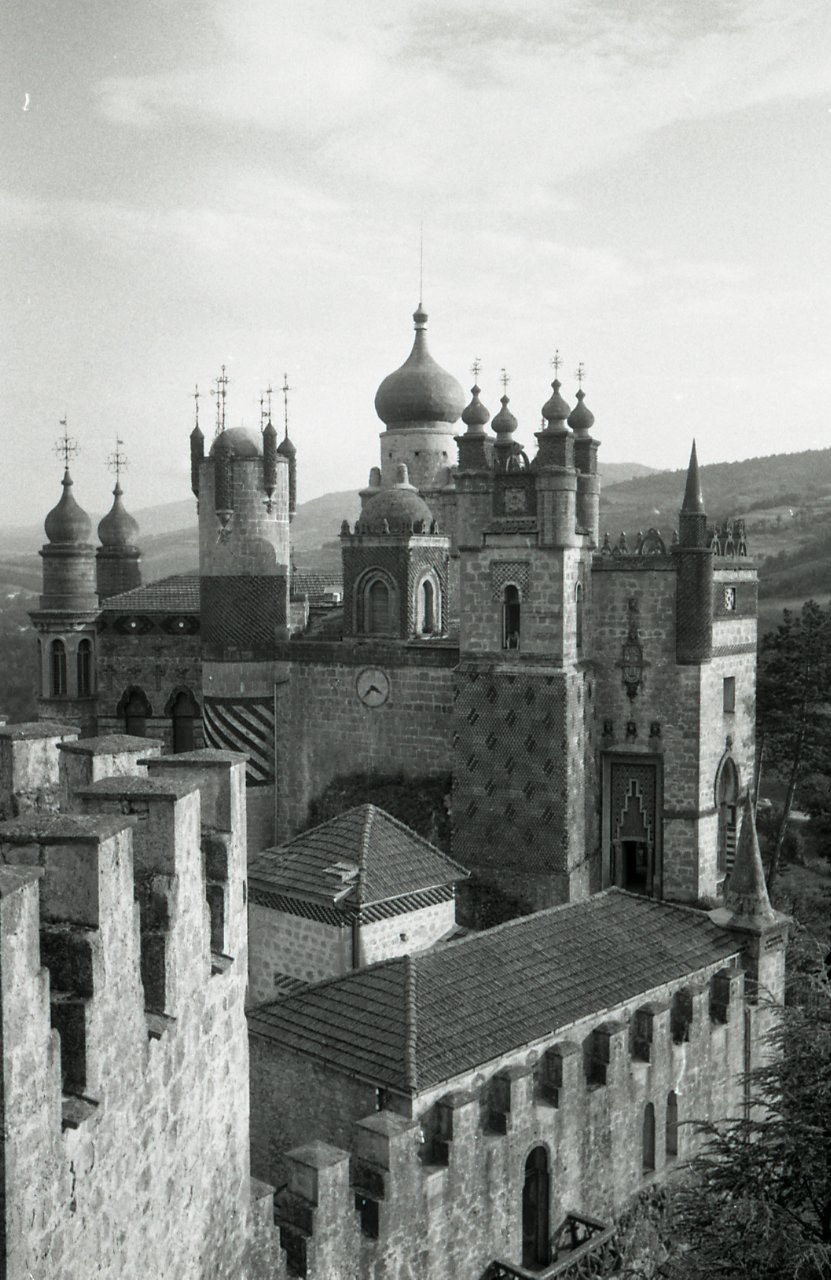 If you're looking for a place that seems straight out of an Oriental tale, Rocchetta Mattei in Grizzana Morandi, Ponte hamlet, is the answer. This eclectic castle, commissioned by Count Cesare Mattei in the 19th century, blends Moorish, Gothic, and medieval styles in a surprising mix. Its architecture is unique in Emilia-Romagna: think of the crenellated towers, onion domes, and courtyards adorned with colorful majolica tiles, reminiscent of Granada's Alhambra. Guided tours are the only way to access the interiors, where the Hall of the Ninety, with its coffered ceilings, and the private chapel, a jewel of details, stand out. The count, founder of electropathy, left traces of his healing method in the rooms, making the place a museum of history and alternative medicine. To reach it, you follow a scenic road through the hills, with free parking nearby. Booking online is essential, especially on weekends, to avoid queues. Rocchetta Mattei is not just a monument: it's an experience that takes you away from the everyday, ideal for those who love unusual architecture and out-of-the-ordinary stories.
Rocchetta Mattei
Sforza Fortress of Dozza
- Piazzale della Rocca, Dozza (BO)
- Open in Google Maps
- View on Google Images
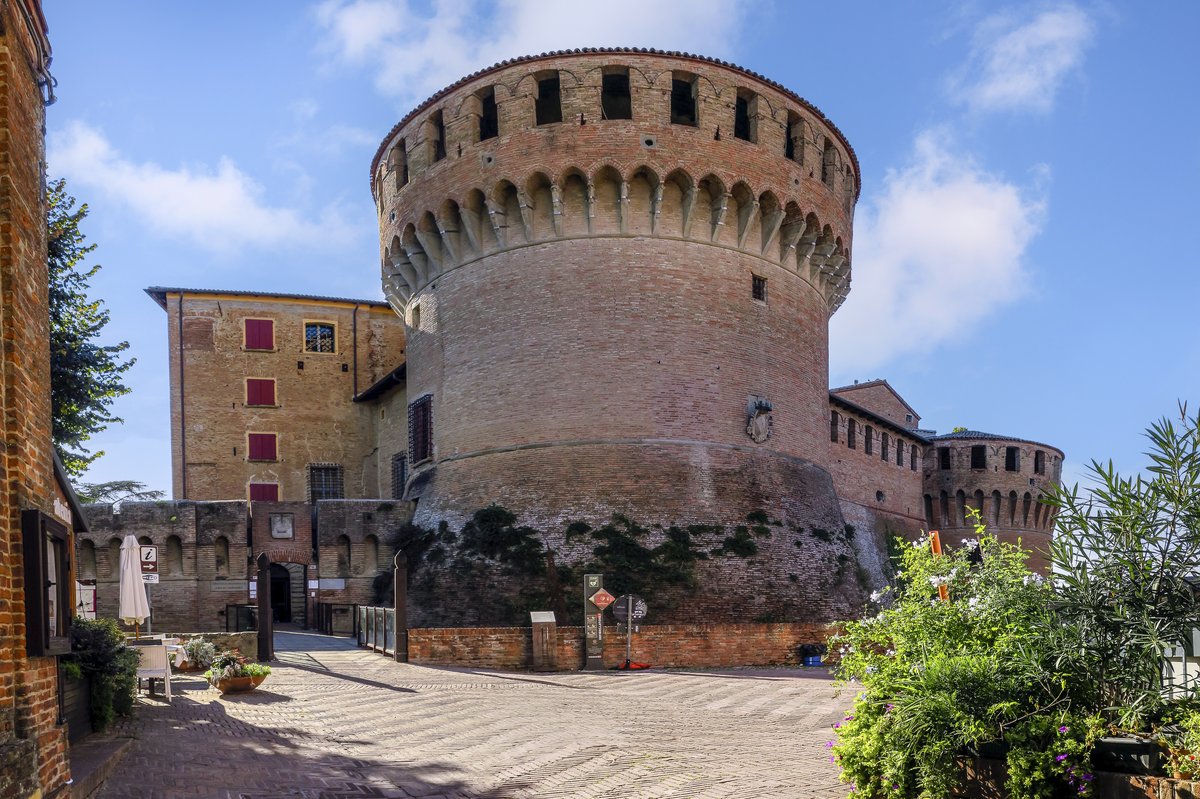 The Sforza Fortress of Dozza dominates the medieval village from its hilltop position, just a few kilometers from Imola. Built in the 13th century and expanded by the Sforza family in the 15th century, this fortress is a perfect example of Renaissance military architecture in Emilia-Romagna. Today it houses the Painted Wall Art Gallery, which collects sketches and works by artists who have participated in the Biennale of the Painted Wall, transforming Dozza into an open-air museum. Climbing the towers offers a panoramic view over the Bolognese hills and Romagna vineyards. Inside, the furnished rooms preserve period furniture and frescoes, such as those in the Fireplace Room, which depict scenes of courtly life. The fortress also hosts the Emilia-Romagna Regional Wine Cellar, where you can taste local wines like Sangiovese di Romagna. The tour includes the prisons, kitchens, and private rooms, offering an authentic glimpse into the history of the place. For those visiting in spring or autumn, the village is less crowded and the colors of the countryside make the experience even more enchanting. Admission is charged, with reduced rates for groups and children.
Sforza Fortress of Dozza
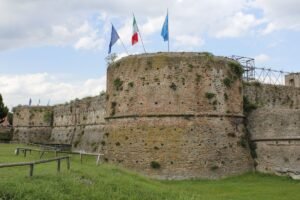
Bentivoglio Fortress
- Go to the page: Bentivoglio Fortress: Renaissance Frescoes and Views of the Bolognese Apennines
- Via Contessa Matilde, Valsamoggia (BO)
- Open in Google Maps
- View on Google Images
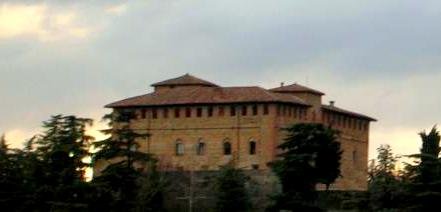 The Bentivoglio Fortress in Valsamoggia is one of those places that immediately makes you understand the power of noble families in fifteenth-century Emilia-Romagna. Built in the 15th century by the will of Annibale Bentivoglio, the structure presents itself as a fortified complex with crenellated towers and an imposing keep, but it's inside that its true essence is revealed: the Hall of the Giants, frescoed with mythological figures of monumental proportions, is a rare example of Renaissance painting in the province. The interior spaces, now used for temporary exhibitions and cultural events, preserve traces of grotesque decorations and heraldic coats of arms that tell centuries of dominations. The porticoed courtyard, with its central well, is perfect for a break between visits, while the private chapel, dedicated to St. Jerome, offers a quiet corner with devotional frescoes. The fortress is not a static museum: concerts, children's workshops, and tastings of local products are organized here, such as Lambrusco di Valsamoggia, which you can purchase in the bookshop. If you visit in spring, the surrounding park fills with colors, ideal for a picnic with views of the Bolognese hills. Access is convenient by private transport (free parking a few steps away) or by bus from Bologna, and admission is paid but affordable, with discounts for families and groups. Always check the official website for opening hours, as on some days the fortress hosts weddings and may be partially closed.
Bentivoglio Fortress
Lamborghini Automobile Museum
- Go to the page: Lamborghini Museum Maggi: 50 historic supercars, unique prototypes and technology
- Via Modena 12, Maggi (BO)
- https://www.lamborghini.com/
- Open in Google Maps
- View on Google Images
- visit@lamborghini.com
- +39 051 6817611
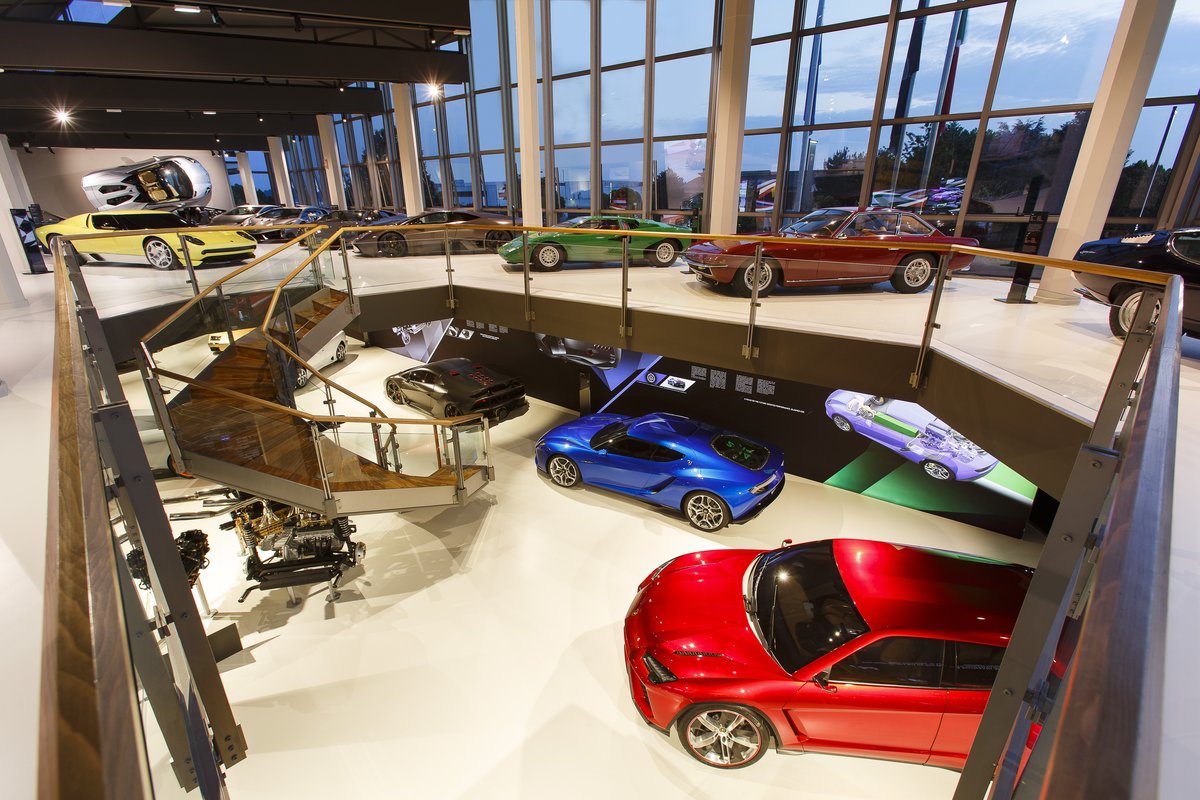 If you're passionate about motors, the Lamborghini Automobile Museum in Maggi is an unmissable stop in the province of Bologna. It's not just a museum, but a journey through the evolution of an Italian icon that challenged the rules of the automotive world. Here you can see historic models up close like the Miura, the world's first supercar, and the Countach with its revolutionary lines. Each displayed vehicle tells a specific phase: from the 350 GT of 1964 to the current Aventador, passing through the Diablo and Murciélago. The route winds through prototypes, disassembled engines, and concept cars that showcase the brand's technological innovation. The setup is modern and interactive, with panels explaining the mechanics and materials, like the carbon used in the most recent versions. For visitors, there's also the chance to admire limited edition models, like the Veneno, produced in only three units. The museum is located just a few kilometers from the production plant, highlighting its connection to the Emilia region, known for its motor tradition. Admission includes access to temporary exhibitions that delve into design and competitions, like those of Lamborghini Squadra Corse. I recommend booking online to avoid queues, especially on weekends. It's an experience that combines history, ingenuity, and that passion for speed that here, in Emilia-Romagna, has shaped legends.
Lamborghini Automobile Museum
Ducati Museum
- Via Antonio Cavalieri Ducati, Bologna (BO)
- https://www.ducati.com/it/it/borgo-panigale-experience
- Open in Google Maps
- View on Google Images
- +39 051 641 3111
 If you're a motorsport enthusiast, the Ducati Museum is an essential stop in Bologna. Located within the historic Borgo Panigale factory, this museum takes you straight to the heart of Italian motorcycle legend. It's not just a collection of bikes, but a true journey through 75 years of technological innovation and sporting triumphs. The motorcycles on display aren't mere showroom models: here you'll see up close the Desmodromic bikes that revolutionized the racing world, the Superbikes that dominated world championships, and the iconic Scramblers that defined a lifestyle. Each specimen tells a specific story: from the Cucciolo of 1946, the first auxiliary engine that started Ducati's history, to the modern Panigale models that continue to win today. The exhibition is designed to help you understand the technical evolution: you can observe desmodromic engines up close, a unique valve system that has become the brand's trademark. Interactive stations show you how the suspensions and onboard electronics of competition motorcycles work. Particularly interesting is the section dedicated to MotoGP, where bikes ridden by champions like Casey Stoner and Andrea Dovizioso are displayed, complete with original liveries and verifiable technical data. The museum also organizes guided factory tours (by reservation) where you can see firsthand how Ducati motorcycles are born today. One striking detail: many of the motorcycles on display are functional prototypes, not static models. This hands-on approach helps you understand why Ducati has become a symbol of Emilia-Romagna worldwide, alongside the region's other motor excellence.
Ducati Museum
Sforza Fortress of Imola
- Piazzale Giovanni Dalle Bande Nere, Imola (BO)
- Open in Google Maps
- View on Google Images
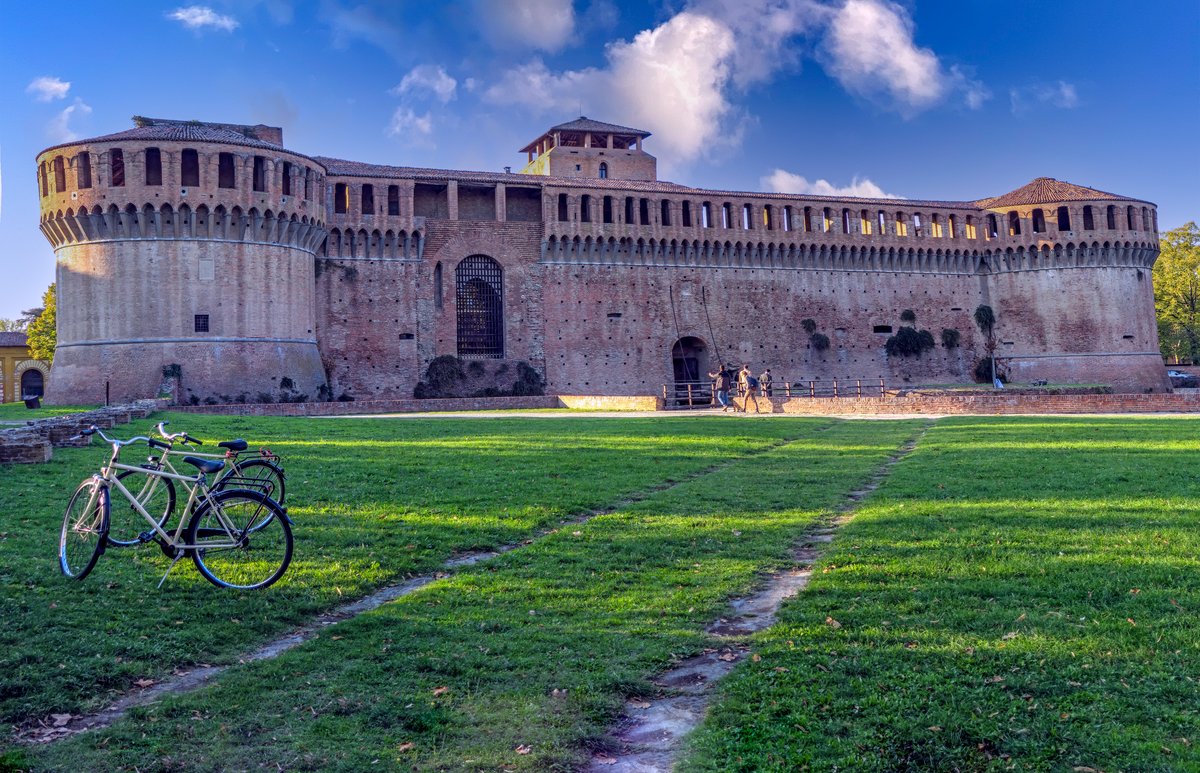 The Sforza Fortress of Imola is a perfect example of Renaissance military architecture that dominates the historic center of the city. Built between the 14th and 15th centuries, this fortress was expanded under the rule of Galeazzo Maria Sforza and later of Girolamo Riario, husband of Caterina Sforza. Today, visiting it means immersing yourself in centuries of Emilian history, with its massive walls, partially water-filled moats, and corner towers offering panoramic views over Imola and the surrounding hills. Inside, the spaces are well preserved: you can explore the frescoed halls, underground prisons, and the courtyard with the central well, which tell stories of sieges and court life. A unique detail is the presence of accessible rampart walkways, allowing you to walk the same path as the guards of the 15th century. The fortress also houses the San Domenico Museum, with local archaeological finds and temporary exhibitions, enriching the experience with cultural content. For visitors, it's an opportunity to get hands-on with the defensive engineering of the era, such as the working drawbridges and weapon loopholes. Located in Piazza Giovanni dalle Bande Nere, it's easily reachable on foot from the center, and admission is charged with reduced rates for groups and children. I recommend checking opening hours online, as they vary seasonally, and joining guided tours to discover anecdotes about historical figures linked to the place, such as the deeds of Caterina Sforza during the Italian Wars.
Sforza Fortress
National Art Gallery of Bologna
- Go to the page: Bologna Art Gallery: Raphael, Carracci, and Guido Reni in the University Heart
- Via delle Belle Arti, Bologna (BO)
- https://www.pinacotecabologna.beniculturali.it/it/
- Open in Google Maps
- View on Google Images
- pm-ero.urp@beniculturali.it
- +39 051 420 9411
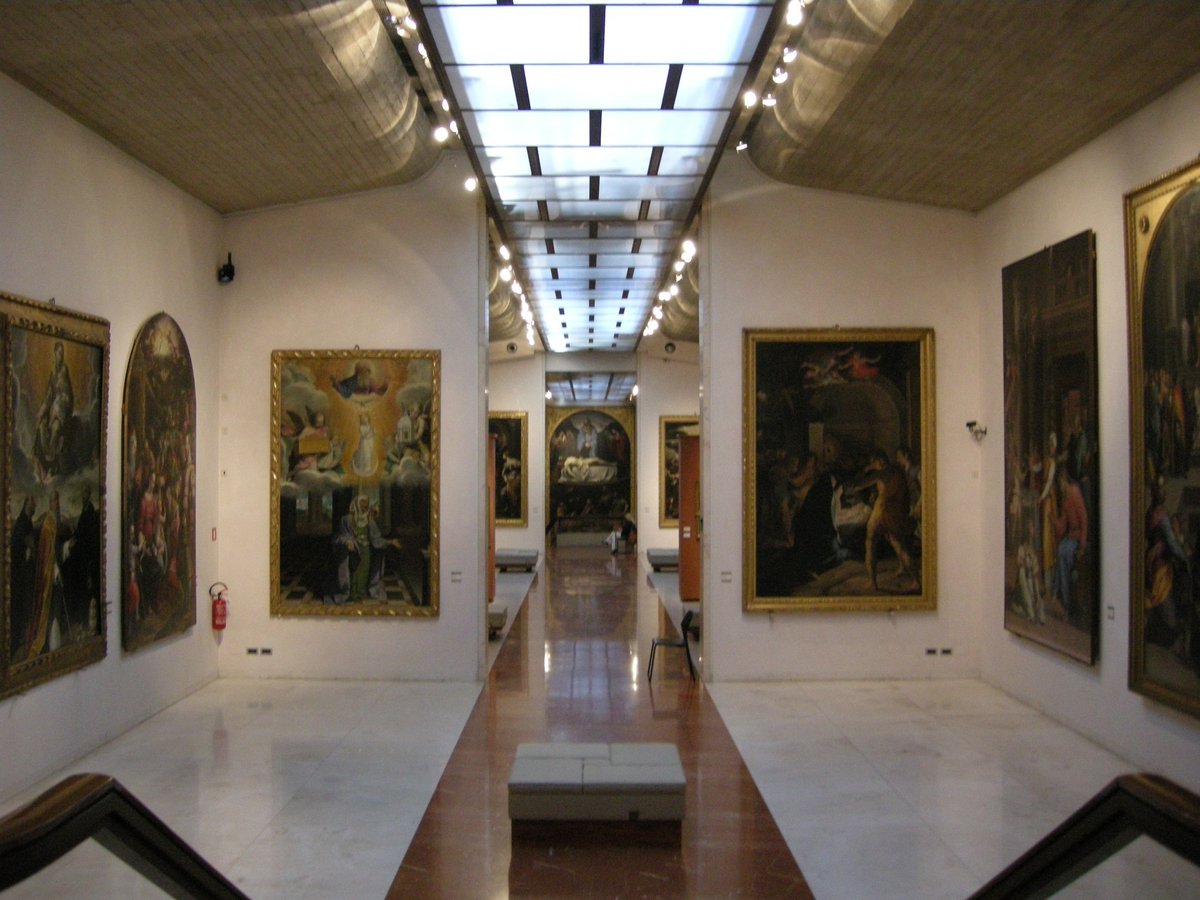 The National Art Gallery of Bologna is the city's most important art museum, housed in the former Jesuit Novitiate of Sant'Ignazio since 1885. The collection unfolds chronologically across 30 rooms, offering a journey spanning five centuries of Emilian painting. Among the absolute masterpieces are Vitale da Bologna's Santa Margherita Altarpiece, a rare example of 14th-century Bolognese painting, and Francesco del Cossa's Merchants' Altarpiece, showcasing the transition from Gothic to Renaissance. The section dedicated to the Carracci is fundamental: Ludovico Carracci's Assumption of the Virgin dominates an entire room, demonstrating the innovation of the Bolognese school against Mannerism. Another highlight includes works by Guido Reni, such as the famous Portrait of His Mother, and Guercino, with the dramatic Dead Christ Mourned by Angels. The Zambeccari Picture Gallery, acquired in 2011, enriches the collection with paintings by Tintoretto and Veronese. The museum also preserves a rich collection of detached frescoes, including those by Vitale from the Church of Santi Vitale e Agricola. For a complete visit, don't miss the room dedicated to Giuseppe Maria Crespi and the still lifes by Elisabetta Sirani. The modern layout allows for full appreciation of the works, with clear explanatory panels and carefully designed lighting. Its location in the university district makes the visit particularly enjoyable, set in the cultural heart of Bologna.
National Art Gallery of Bologna
Rocca Isolani
- Via Larga Castello, Minerbio (BO)
- Open in Google Maps
- View on Google Images
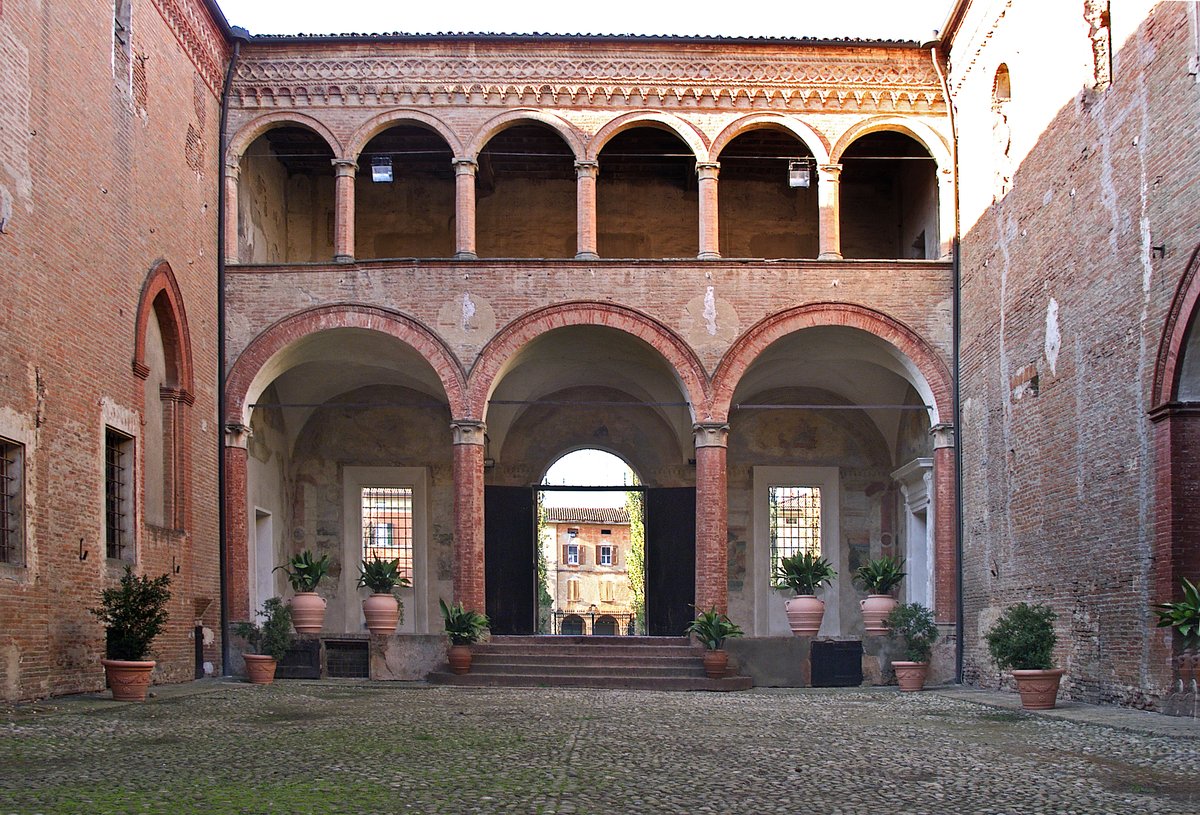 The Rocca Isolani in Minerbio is one of those places that makes you realize just how full of surprises the province of Bologna truly is. It's not just a castle, but a Renaissance complex that has dominated the plain since the 15th century. The original structure dates back to the Middle Ages, but it was completely transformed by the Isolani family between 1473 and 1481, becoming a perfect example of transitional architecture between Gothic and Renaissance styles. The crenellated tower is its most recognizable symbol, standing 33 meters tall and visible for kilometers across the countryside dotted with orchards and vineyards. The interior halls preserve original 15th-century frescoes, particularly notable are those in the Hall of the Giants with well-preserved mythological scenes. The family chapel dedicated to Saint John the Baptist contains sacred artworks that tell centuries of private devotion. Today the fortress is still inhabited by descendants of the Isolani family, a fact that makes it particularly authentic compared to other museum-castles. Guided tours take you through inner courtyards, monumental staircases, and grand halls where you can still breathe the atmosphere of ancient Emilian noble courts. The historic park surrounding it, with its tree-lined avenues and Italian-style gardens, completes the experience by offering picturesque glimpses of the Bolognese countryside. For those seeking a dive into history without the crowds of more famous sites, Rocca Isolani represents an intelligent and rewarding choice.
Rocca Isolani
Manzoli Castle
- Via Palio, San Martino in Soverzano (BO)
- Open in Google Maps
- View on Google Images
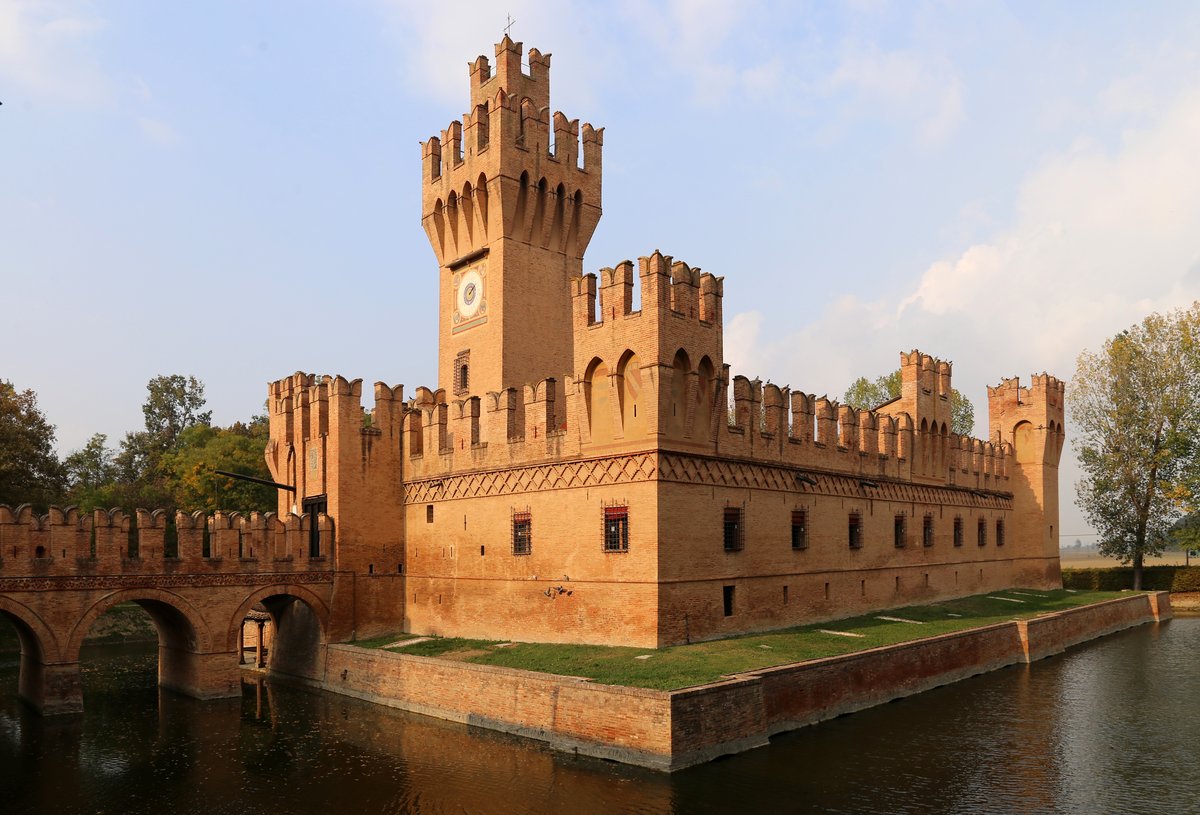 The Manzoli Castle in San Martino in Soverzano is an architectural surprise worth stopping for. Built in the 16th century, this manor maintains its original structure with corner towers and a moat that still surrounds the building today. Its unique feature lies in its dual nature: on one hand, the noble residence with frescoed halls, and on the other, the rural spaces that tell the story of peasant life in Emilia-Romagna. The private chapel preserves traces of 16th-century frescoes, while the cellars still house barrels for wine aging. Today the castle is open to visitors by reservation and during special events like FAI Open Days. The atmosphere is authentic: you can breathe in the history of the Manzoli family, who lived here for centuries. Perfect for those seeking a peaceful corner just a few kilometers from Bologna, the castle also offers local product tastings during the summer months. A concrete example of how Emilian historic architecture manages to combine elegance and functionality.
Manzoli Castle
MAGI'900 - Museum
- Via Circonvallazione Ponente, Pieve di Cento (BO)
- Open in Google Maps
- View on Google Images
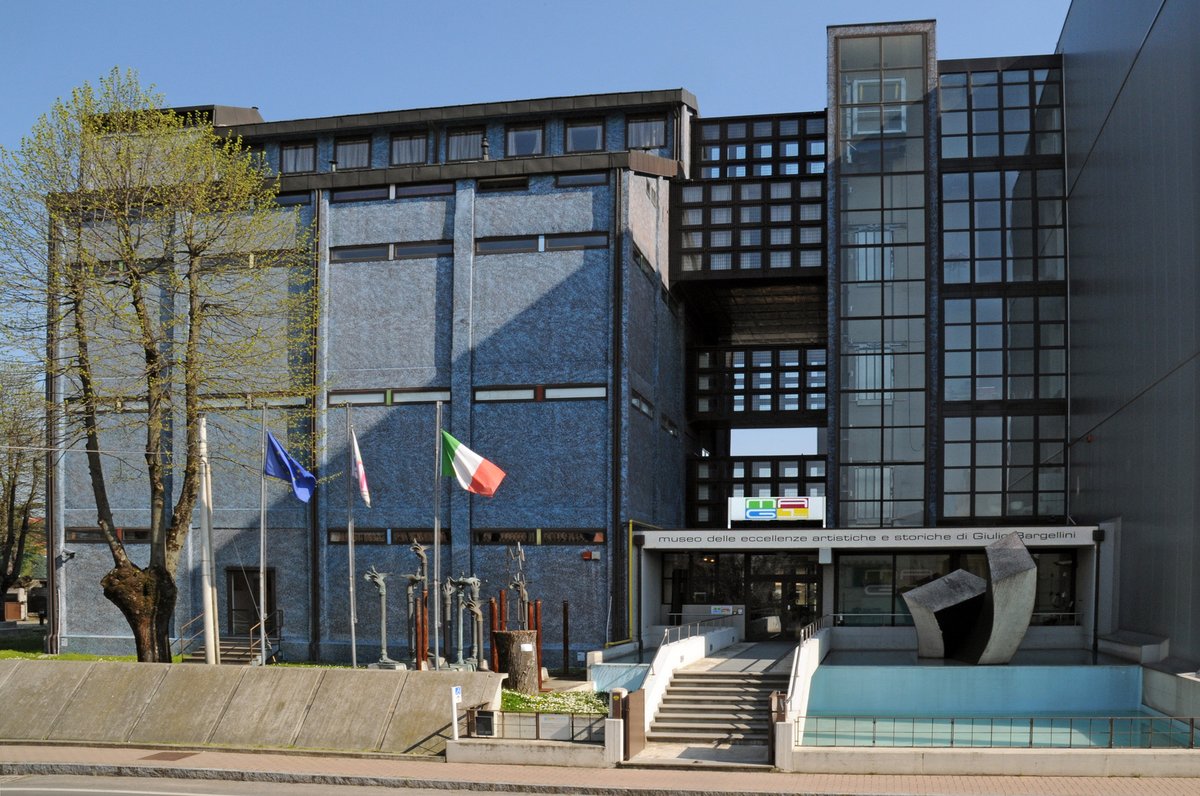 The MAGI'900 - Museum in Pieve di Cento is a cultural gem that will surprise you with its collection dedicated to 20th century Italian art. Born from the passion of collector Giulio Bargellini, the museum occupies a renovated former grain silo, an example of architectural restoration that blends industrial history with contemporary design. Here you'll find over 2,000 works, featuring names like Giorgio Morandi, Lucio Fontana, and Renato Guttuso, as well as Emilian-Romagnol artists such as Concetto Pozzati and Sergio Vacchi, making the experience truly unique. The galleries are organized by artistic movements: from Futurism to Arte Povera, passing through Metaphysical art, with paintings, sculptures, and installations that narrate a century of creativity. Particularly interesting is the section dedicated to graphics and multiples, showing how art can be accessible to everyone. The museum frequently organizes temporary exhibitions and educational workshops, ideal for families or enthusiasts looking to deepen their knowledge. Its location in the center of Pieve di Cento, a medieval village in the Bassa Bolognese area, makes it a perfect stop for a cultural itinerary off the beaten path. Admission is affordable and the atmosphere is welcoming, with staff available to explain the details of the works. If you love 20th century art, this is a place not to be missed: here you don't just breathe culture, but the living history of an era.
MAGI'900 - Museum
Castello della Giovannina
- Via Mulinazzo, San Giovanni in Persiceto (BO)
- Open in Google Maps
- View on Google Images
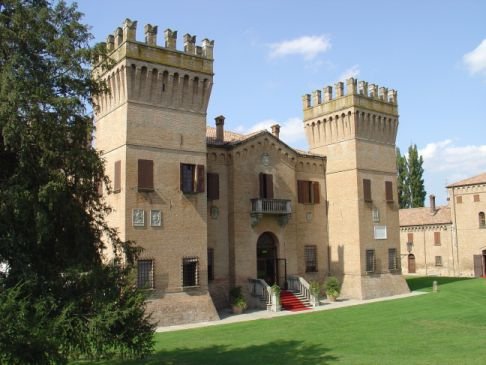 The Castello della Giovannina is located in San Giovanni in Persiceto, just a few kilometers from Bologna, and is one of those places that makes you understand why Emilia-Romagna is full of surprises. It's not a medieval castle as one might expect, but a fortified Renaissance villa built in the 16th century, blending elegance with defensive functionality. The structure, with its square layout and corner towers, is an example of noble architecture from that era, designed to oversee the surrounding agricultural land. Today, the castle is privately owned and not always accessible to the public, but it's worth admiring from the outside during a trip to the area. Its red bricks and stone-framed windows tell stories of noble families like the Bentivoglio, who left their mark on Bologna's history. If you're passing through San Giovanni in Persiceto, perhaps during local events like the San Giovanni Fair in June, stop by here: the contrast between the historic building and the flat countryside is a sight you won't forget. For those seeking an authentic atmosphere, away from tourist crowds, this is an ideal spot for a photo stop or a brief exploration.
Castello della Giovannina