
The Bottacin Museum in Padua’s historic center preserves the numismatic collection donated by Nicola Bottacin in 1865, one of the most significant in Italy. Housed within the Art Nouveau Palazzo Zuckermann, the museum offers a thematic and chronological journey through coins, medals, and decorative art objects.
- Collection of over 50,000 pieces including coins, medals, and seals
- Palazzo Zuckermann with Art Nouveau architecture and frescoed ceilings
- Roman coins, medieval Paduan coins, and coins from the Serene Republic of Venice
- Admission includes access to the Museum of Applied and Decorative Arts
Events nearby


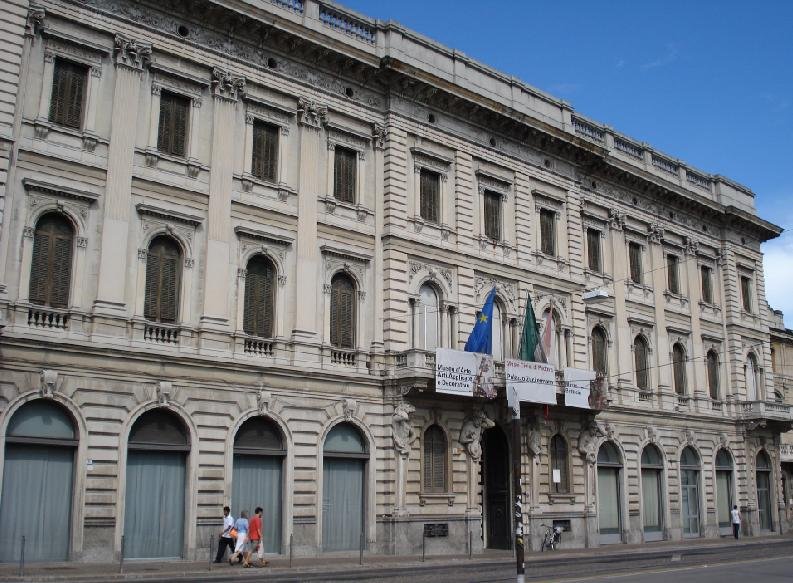
The Bottacin Museum in Padua houses a numismatic collection of over 50,000 pieces in the Art Nouveau Palazzo Zuckermann, featuring Roman, medieval, and Venetian coins. Admission includes access to the Museum of Applied Arts.
- https://padovamusei.it/it/musei/museo-bottacin/il-museo-bottacin
- museo.bottacin@comune.padova.it
- Corso Giuseppe Garibaldi 33, Padova (PD)
- +39 049 8205669
- Open in Google Maps
- View on Google Images Museo Bottacin a Padova
Good to know
Introduction
The Bottacin Museum in Padua is a hidden gem in the heart of the city, a place that surprises even those who think they know every corner of this Veneto capital. Located within Palazzo Zuckermann, a historic building that deserves attention in its own right, the museum houses one of Italy’s richest and most fascinating numismatic collections. Don’t expect a simple collection of coins: here, each specimen tells a story, an era, a character, turning the visit into a true journey through time. The atmosphere is intimate and evocative, perfect for immersing oneself in a world of precious metals and refined engravings. Whether you’re passionate about history, art, or simply curious to discover an unusual aspect of Padua, this museum will captivate you with its discreet elegance and unique heritage.
Historical Overview
The history of the Bottacin Museum is tied to two key figures: collector Niccolò Bottacin and architect Alessandro Zuckermann. Niccolò Bottacin, born in Padua in 1829, was a passionate numismatist who dedicated his life to collecting coins, medals, and art objects. Upon his death in 1900, he bequeathed his extraordinary collection to the city with the intention of making it public. To house it, Palazzo Zuckermann was chosen, built between 1912 and 1914 based on Alessandro Zuckermann’s design as a private residence in the Liberty style. The museum was officially inaugurated in 1905, finding its permanent home in the palace in the following years. Today, its halls not only display Bottacin’s treasures but also narrate Padua’s evolution through centuries of coinage and symbols.
- 1829: Niccolò Bottacin, the future collector, is born.
- 1900: Bottacin leaves his collection to the city of Padua.
- 1905: Inauguration of the Bottacin Museum.
- 1912-1914: Construction of Palazzo Zuckermann.
- Following years: Transfer of the collection to the palace.
The Numismatic Collection
Entering the Bottacin Museum means diving into a universe of over 50,000 pieces, including coins, medals, seals, and related objects. The collection is organized thematically and chronologically, allowing visitors to follow the evolution of coinage from ancient civilizations to the modern era. Among the most significant pieces are Roman coins, medieval Paduan coins, and Renaissance medals, many of which are linked to local history. Particularly interesting is the section dedicated to the coins of the Most Serene Republic of Venice, which offers a privileged glimpse into the power and art of the Dominant. Each display case is a window into an era: from Greek coins minted in Magna Graecia to Venetian gold ducats, and up to the issues of the Kingdom of Italy. The captions are clear and informative, but it is the quiet and intimate atmosphere that makes the difference, inviting visitors to linger on the details of each minting.
Zuckermann Palace: The Art Nouveau Frame
The museum is not only about its contents but also about its valuable container. Zuckermann Palace, which houses it, is a splendid example of Paduan Art Nouveau architecture, designed at the beginning of the 20th century as a private residence. The façade, with its sinuous lines and floral decorations, immediately captures attention, while inside, original details such as frescoed ceilings, monumental staircases, and marble floors can be appreciated. Visiting the Bottacin Museum thus means enjoying a dual experience: on one hand, the richness of numismatics, and on the other, the elegance of a perfectly preserved historic building. The palace also houses the Museum of Applied and Decorative Arts, accessible with the same ticket, which complements the offering with a collection of furniture, ceramics, and textiles. This combination makes the stop even richer, ideal for those who love art in all its forms.
Why Visit It
Visiting the Bottacin Museum is worthwhile for at least three concrete reasons. First, it’s a unique collection of its kind, allowing you to discover history through an everyday object like coins, offering fresh perspectives on eras and civilizations. Second, the location is exceptional: Palazzo Zuckermann is a little-known Art Nouveau gem often missed by hurried tourists, so you can enjoy a tranquil and authentic atmosphere. Third, the museum is compact and well-organized, ideal for a one- or two-hour visit without feeling crowded, perfect even for those with limited time who want a quality experience. Additionally, its proximity to other points of interest in Padua’s historic center makes it an easy stop to include in any itinerary.
When to Visit
The best time to visit the Museo Bottacin is during weekday mornings, when natural light filters through the palace windows and the atmosphere is quieter, allowing you to admire the details of the coins at your leisure. Avoid crowded weekends if you prefer a more intimate experience. In terms of seasons, autumn and winter are ideal: the cool weather invites you to explore indoor museums, and the soft light of these seasons enhances the cozy atmosphere of the halls. The proximity to the Christmas period can add an extra touch, with Padua adorned in decorations and markets, creating a charming backdrop for your visit.
In the Surroundings
After visiting the Bottacin Museum, take advantage of its central location to explore other gems of Padua. Just a few steps away is the Church of the Eremitani, famous for the frescoes by Andrea Mantegna, a Renaissance masterpiece that completes the historical-artistic journey. For a thematic experience related to numismatics, head to the Padua Mint, an ancient building where the city’s coins were minted, now visitable by appointment and rich in historical charm. Both places enrich the visit with insights into Paduan culture and tradition.
Itineraries nearby


💡 Did You Know…?
The collection includes coins dating from the Roman, Byzantine, medieval, and Renaissance periods, with extremely rare pieces like Venetian ducats. An interesting fact: some coins were discovered during archaeological excavations in the city, directly linking the museum to Padua’s history. The palace itself, with its frescoes and restored rooms, is worth the visit.