Castel Sismondo, also known as Rocca Malatestiana, is the Renaissance fortress commissioned by Sigismondo Pandolfo Malatesta, built from 1437 with the advice of Filippo Brunelleschi. After centuries of decay and use as a prison, today it houses the Fellini Museum, a multimedia journey recreating iconic sets such as the Trevi Fountain from La Dolce Vita. Hours: Tuesday to Sunday (vary by season). Ticket: full price €12, reduced €8. Address: Piazza Malatesta, historic center of Rimini.
What to expect:
• Renaissance fortress with sloping towers and dry moat
• Immersive museum dedicated to Federico Fellini
• Permanent exhibition on Malatesta castles
• Cultural events such as Estate al Castello
Introduction
Here stands Castel Sismondo, welcoming you with its mighty brick walls and an air of mystery. It’s more than a fortress—it’s a journey into 15th-century Rimini, among squared towers and silent courtyards. Recently it houses the Fellini Museum, an immersive museum that catapults you into the director’s dreams. Walking here means touching two eras: the power of the Malatesta and the Fellini imagination.
Introduction
Here stands Castel Sismondo, welcoming you with its mighty brick walls and an air of mystery. It’s more than a fortress—it’s a journey into 15th-century Rimini, among squared towers and silent courtyards. Recently it houses the Fellini Museum, an immersive museum that catapults you into the director’s dreams. Walking here means touching two eras: the power of the Malatesta and the Fellini imagination.
Historical Notes
Built at the behest of Sigismondo Pandolfo Malatesta starting in 1437, the castle was completed in 1446 (though work continued until 1454). Designed with the advice of Filippo Brunelleschi, it served both as a lordly residence and a military fortress. After the fall of the Malatesta, it became a papal fortress and later a prison from 1851 to 1967. Restored starting in 1999, it has been home to the Fellini Museum since 2021. Here are the key moments:
Historical Notes
Built at the behest of Sigismondo Pandolfo Malatesta starting in 1437, the castle was completed in 1446 (though work continued until 1454). Designed with the advice of Filippo Brunelleschi, it served both as a lordly residence and a military fortress. After the fall of the Malatesta, it became a papal fortress and later a prison from 1851 to 1967. Restored starting in 1999, it has been home to the Fellini Museum since 2021. Here are the key moments:
Historical Overview – Timeline
- 1437: Construction begins
- 1446: Official completion
- 1462: Sigismondo’s defeat
- 1500: Siege by Cesare Borgia
- 1821: Used as barracks
- 1851-1967: Prison
- 1999: Restoration begins
- 2021: Fellini Museum opens
Historical Overview – Timeline
- 1437: Construction begins
- 1446: Official completion
- 1462: Sigismondo’s defeat
- 1500: Siege by Cesare Borgia
- 1821: Used as barracks
- 1851-1967: Prison
- 1999: Restoration begins
- 2021: Fellini Museum opens
The Architecture of the Fortress
The castle spans 3,300 square meters and is divided into four parts: the Palazzo di Isotta, the central service block, the large courtyard, and the Maschio tower, with a spiral staircase. The sloping walls and square towers were once surrounded by a dry moat, now gone. The entrance prominently features the Malatesta coat of arms with an elephant, a rose, and a chessboard, symbols of the family. The original plaster alternated between green and red, the heraldic colors of the Malatesta.
The Architecture of the Fortress
The castle spans 3,300 square meters and is divided into four parts: the Palazzo di Isotta, the central service block, the large courtyard, and the Maschio tower, with a spiral staircase. The sloping walls and square towers were once surrounded by a dry moat, now gone. The entrance prominently features the Malatesta coat of arms with an elephant, a rose, and a chessboard, symbols of the family. The original plaster alternated between green and red, the heraldic colors of the Malatesta.
The Fellini Museum: A Dive into Dreams
Since 2021, the castle has housed part of the widespread museum dedicated to Federico Fellini. The Renaissance halls transform into film sets: relive the Trevi Fountain from La Dolce Vita, the fog from Amarcord, the pier from I Vitelloni, and the confessionals from 8½. Multimedia installations and projections envelop you in a unique sensory experience. Guided tours last 45 minutes and are fee-based.
The Fellini Museum: A Dive into Dreams
Since 2021, the castle has housed part of the widespread museum dedicated to Federico Fellini. The Renaissance halls transform into film sets: relive the Trevi Fountain from La Dolce Vita, the fog from Amarcord, the pier from I Vitelloni, and the confessionals from 8½. Multimedia installations and projections envelop you in a unique sensory experience. Guided tours last 45 minutes and are fee-based.
Why Visit It
Unique of its kind: there is no other place where Renaissance art and Fellini’s cinema merge. The permanent exhibition on the Malatesta castles, with models and interactive screens, is a plus for history enthusiasts. Moreover, the castle is in the center of Rimini, easily reachable on foot, and often hosts cultural events like ‘Estate al Castello’ with shows and night tours.
Why Visit It
Unique of its kind: there is no other place where Renaissance art and Fellini’s cinema merge. The permanent exhibition on the Malatesta castles, with models and interactive screens, is a plus for history enthusiasts. Moreover, the castle is in the center of Rimini, easily reachable on foot, and often hosts cultural events like ‘Estate al Castello’ with shows and night tours.
When to Go
The best time? Late spring and early autumn, when temperatures are mild and the afternoon light casts a charming glow on the walls. If you love the evening atmosphere, summer offers events and extended hours. Avoid the midday hours in peak season, when the heat can be intense in the inner courtyards. Tuesday or Wednesday are quieter days.
When to Go
The best time? Late spring and early autumn, when temperatures are mild and the afternoon light casts a charming glow on the walls. If you love the evening atmosphere, summer offers events and extended hours. Avoid the midday hours in peak season, when the heat can be intense in the inner courtyards. Tuesday or Wednesday are quieter days.
Nearby
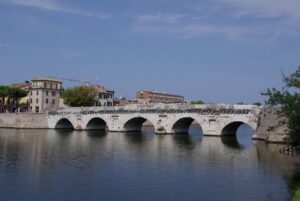
Just a few steps away you’ll find the Tempio Malatestiano, a masterpiece by Leon Battista Alberti, and the Arco d’Augusto, the oldest Roman arch still standing. For a stroll, the Ponte di Tiberio is another must-see. If you’re in the mood for cinema, also visit the Cinema Fulgor, the other venue of the Fellini Museum, where it all began for the great director.
Nearby
Just a few steps away you’ll find the Tempio Malatestiano, a masterpiece by Leon Battista Alberti, and the Arco d’Augusto, the oldest Roman arch still standing. For a stroll, the Ponte di Tiberio is another must-see. If you’re in the mood for cinema, also visit the Cinema Fulgor, the other venue of the Fellini Museum, where it all began for the great director.