San Fedele Church Milan: Luini’s Frescoes and Renaissance Architecture

San Fedele Church, built in the 16th century for the Jesuits, is an example of Lombard Renaissance architecture in the heart of Milan’s financial center. Designed by Pellegrino Tibaldi, it offers an intimate and serene atmosphere, with frescoes by Bernardino Luini and a Greek cross plan topped by a dome. Its central location makes it easy to include in a city itinerary, just steps from La Scala Theatre and the Galleria Vittorio Emanuele.

  • Frescoes by Bernardino Luini in the Chapel of Saint John the Baptist
  • Renaissance architecture by Pellegrino Tibaldi with Greek cross plan
  • Central location in the heart of Milan’s financial district, near Piazza della Scala
  • Serene and quiet atmosphere, away from tourist crowds


Events nearby


Copertina itinerario San Fedele Church Milan: Luini's Frescoes and Renaissance Architecture
16th-century church in Milan’s financial district, featuring works by Bernardino Luini and architecture by Pellegrino Tibaldi. Greek cross plan and intimate atmosphere near Piazza della Scala.

Good to know


Introduction

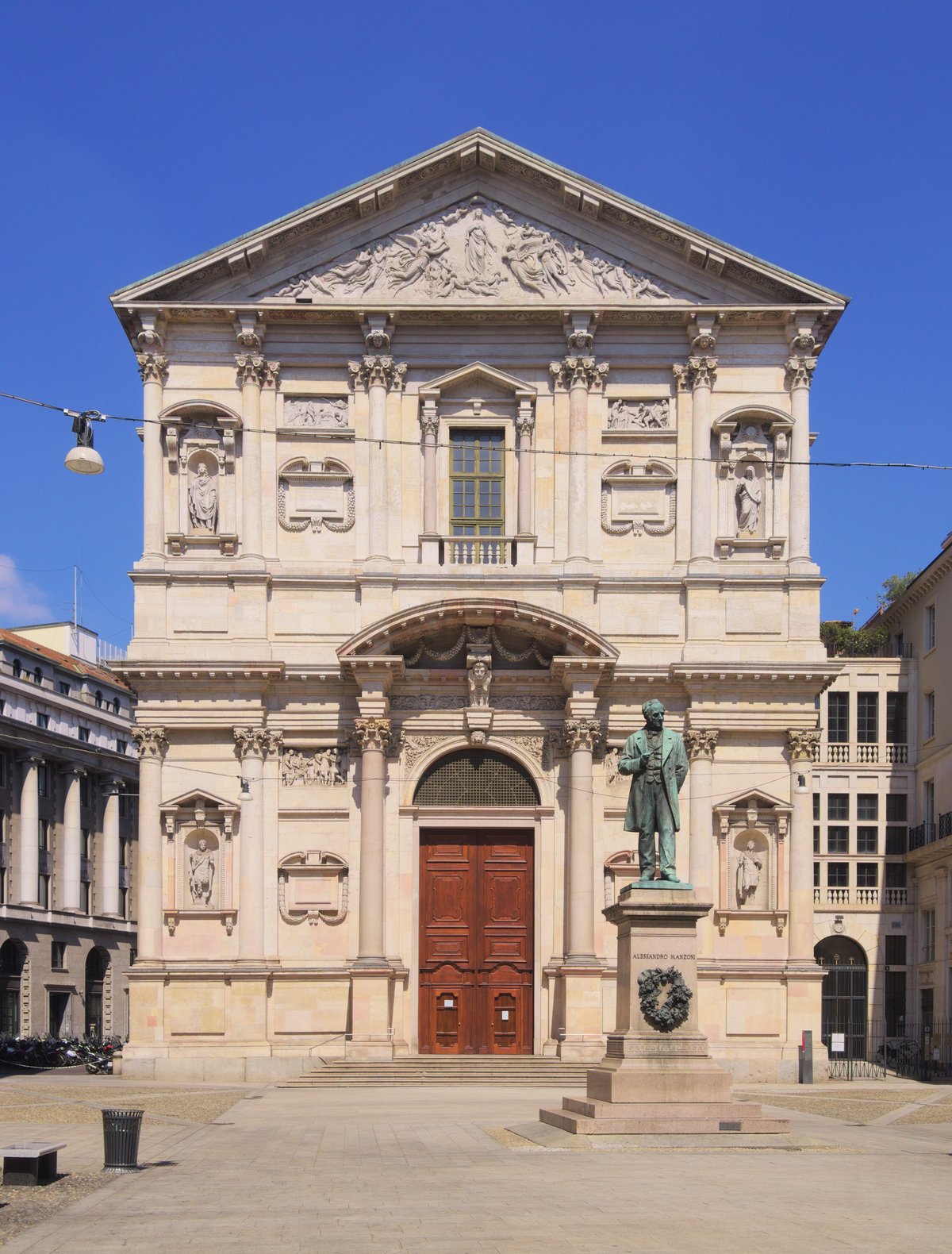
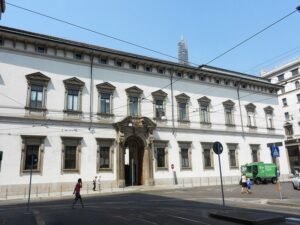
In the beating heart of Milan, among the skyscrapers of the financial district, hides a gem of Lombard Renaissance that surprises with its discreet elegance: the Church of San Fedele. Don’t expect a lavish facade, but prepare to cross the threshold and be left breathless. The interior, with its Greek cross plan and majestic dome, welcomes you into an atmosphere of refined solemnity, an oasis of silence and beauty just steps away from the frenzy of Piazza della Scala. It’s the perfect place for a cultural break that rejuvenates both sight and soul.

Historical Overview

The history of San Fedele is closely intertwined with that of the Jesuits in Milan. Construction began in 1569 based on a design by Pellegrino Tibaldi, the trusted architect of Saint Charles Borromeo, and continued for decades. The church was conceived as part of the adjacent Jesuit college and became an important center of the Counter-Reformation. Inside, artists of the caliber of Bernardino Luini worked, while the more sober facade was completed only in 1835. Today, it is a parish church of the Diocese of Milan, a custodian of centuries of art and faith.

  • 1569: Construction begins based on Pellegrino Tibaldi’s design.
  • 1579: Consecration of the church, although work continues.
  • 17th century: Completion of the interiors and side chapels.
  • 1835: Finalization of the main facade.

Art That Speaks: The Frescoes of Luini

One of the reasons San Fedele is a treasure is the presence of works by Bernardino Luini, a pupil of Leonardo. In the second chapel on the right, dedicated to Saint John the Baptist, you can admire his frescoes. Look for the intense gaze of the Baptist and the gentle, human figures that characterize his style. These paintings, created between 1510 and 1520, were transferred here from the destroyed Church of Santa Maria della Pace, saving them from oblivion. Observing them up close is like taking a leap into the most authentic Milanese Renaissance, far from the museum crowds.

Architecture and Symbols: The Greek Cross Plan

The central Greek cross plan, topped by a high dome, is not accidental. It reflects the architectural ideals of the Counter-Reformation, aiming to focus the attention of the faithful toward the main altar and preaching. Raising your gaze toward the dome, you’ll notice the lantern filtering a grazing light, creating chiaroscuro effects on the walls. This layout, also inspired by the Church of Santo Spirito in Florence, makes the space harmonious and intimate, perfect for meditation. It’s an example of how architecture can serve spirituality.

Why Visit

Visit San Fedele for three concrete reasons. First, to see masterpieces by Bernardino Luini in an original, non-museum context. Second, to experience the Counter-Reformation architecture of Pellegrino Tibaldi in one of his purest realizations in Milan. Third, because it’s a low-effort cultural stop: located just a two-minute walk from Piazza della Scala and La Scala Theatre, allowing you to easily include it in a historic center itinerary, perhaps before a concert or after visiting the Galleria Vittorio Emanuele II.

When to go

The best time for a visit is the early afternoon on a weekday. The light streaming through the side windows and the dome is particularly evocative, illuminating the frescoes and stuccoes without the harsh glare of midday. Additionally, you’ll avoid the weekend tourist crowds and any morning religious services. In winter, the intimate atmosphere of the church offers a cozy refuge from the Milanese cold.

In the Surroundings

Leaving San Fedele, you find yourself in the cultural heart of Milan. Just a few steps away awaits the Teatro alla Scala, one of the world’s temples of opera: even just admiring its exterior and museum is worthwhile. For a thematically connected experience, head to the Ambrosiana Art Gallery, which houses masterpieces by Leonardo, Caravaggio, and Raphael, completing your journey through Lombard Renaissance and Baroque art.

Itineraries nearby


💡 Did You Know…?

An ultra-realistic curiosity: in the right-hand chapel, dedicated to Saint Francis Xavier, there is a painting by Bernardino Luini depicting the Madonna and Child with Saints. Looking closely, you can see meticulous details in the drapery and facial expressions, typical of the Leonardesque style that influenced Luini. Additionally, the church was designed with exceptional acoustics, intended for Jesuit sermons: even today, during rare sacred music concerts, the sound spreads perfectly, creating a unique immersive experience.