Dante Alighieri Theatre Ravenna: Horseshoe-shaped Hall with Perfect Acoustics

The Dante Alighieri Theatre in Ravenna, inaugurated in 1852 and designed by the architects of Venice’s La Fenice, offers a unique cultural experience in the heart of the city. Its horseshoe-shaped hall with excellent acoustics and elegant interiors transport you to the 19th century. Check the online schedule for performances with accessible tickets.

  • Horseshoe-shaped hall with four tiers of boxes and excellent acoustics
  • Elegant interiors with golden decorations and red velvet in 19th-century style
  • Varied programming throughout the year with opera, symphony concerts, and drama theatre
  • Central location within walking distance from Piazza del Popolo, close to other attractions


Events nearby

Copertina itinerario Dante Alighieri Theatre Ravenna: Horseshoe-shaped Hall with Perfect Acoustics
Neoclassical theatre from 1852 featuring a horseshoe-shaped hall, golden decorations, and red velvet. A rich program of opera, symphony concerts, and drama throughout the year. Easily accessible on foot from the city centre.

Good to know


Introduction

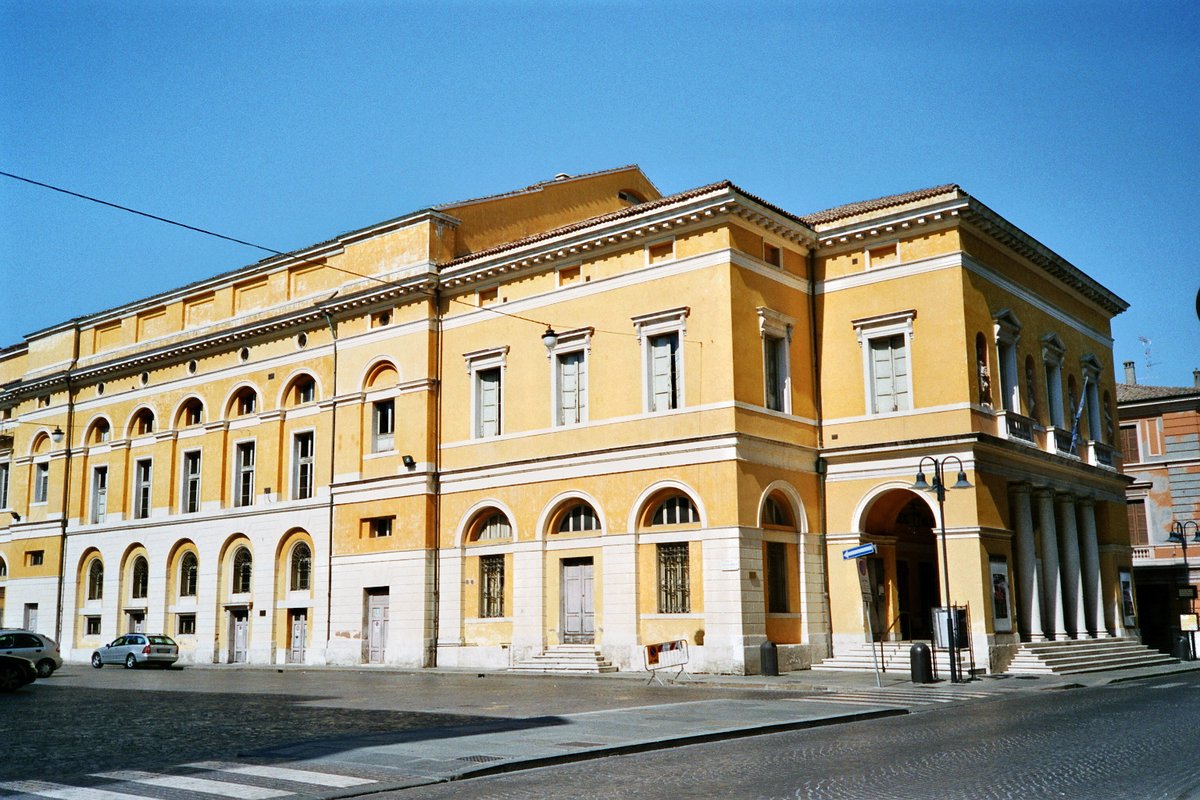
The Dante Alighieri Theatre in Ravenna is not just a building; it’s an experience that envelops you the moment you step inside. The neoclassical facade, simple yet elegant, welcomes you in Piazza Garibaldi, but it’s inside where the magic happens. Upon entering, you feel wrapped in an atmosphere of another era, with that blend of history and art that only historic theatres can offer. It’s not huge, but it has an intimate charm that makes you feel part of something special. I visited on a quiet afternoon and found myself imagining the voices of actors and the music that have echoed here for centuries. For culture lovers, it’s a must, even just to admire the architecture and breathe in the air of a place that has witnessed so many stories.

Historical Overview

The history of the Teatro Dante Alighieri begins in 1852, when it was inaugurated to replace the old Teatro Comunitativo, destroyed by a fire. Designed by architects Tommaso and Giovan Battista Meduna, the same architects behind Venice’s La Fenice, it has undergone various restorations, the last major one in 2012. Over the years, it has hosted operas, concerts, and theatrical performances, becoming a cultural landmark for Ravenna. Personally, I find it fascinating how it has withstood changes while preserving its soul. Here is a timeline of key moments:

  • 1852: Inauguration of the theater
  • Late 19th century: Golden age for opera
  • 2012: Complete restoration that brought original details to light
  • Today: Home to a rich program ranging from classical to contemporary

Architecture and Hidden Details

The interior of the theater is a continuous surprise. The horseshoe-shaped hall, with its four tiers of boxes, makes you feel at the center of the action. The dominant colors are red and gold, creating a warm and welcoming atmosphere. But what truly stands out are the details: the painted medallions on the ceiling, depicting characters from the commedia dell’arte, and the stucco decorations that seem almost alive. During my visit, I noticed how light filters through the windows, illuminating the boxes in a suggestive way. It’s not a gigantic theater, and perhaps that’s precisely its strength: it allows you to catch every detail, even from a distance. If you’re an architecture enthusiast, lose yourself in observing the curves and symmetries, which speak to the mastery of the craftsmen of the era.

Programming and Cultural Life

The Dante Alighieri Theatre is not a static museum, but a vibrant and lively place. The programming is varied and of high quality, with seasons of drama, opera, symphony concerts, and family events. I was fortunate enough to attend a contemporary dance performance, and the acoustics were perfect, almost rivalling more modern theatres. What I appreciate is that it doesn’t limit itself to classics but also experiments with innovative productions, attracting a younger audience. If you’re planning a visit, check the online calendar: there are often matinées or special events at affordable prices. For me, it was wonderful to see how the people of Ravenna experience this theatre, not just as tourists but as part of their daily cultural life.

Why Visit It

Visiting the Dante Alighieri Theatre is worthwhile for at least three concrete reasons. First, it is a well-preserved example of a historic Italian theatre, where you can experience the elegance of the 19th century without enduring endless queues. Second, it offers an authentic cultural experience: attending a performance here is different from a multiplex; you feel part of a tradition. Third, the location is extremely convenient, in the centre of Ravenna, so you can easily combine it with other attractions. I appreciated it because, even without being a theatre expert, I immediately understood the importance of this place for the city.

When to Go

The best time to visit the Teatro Dante Alighieri? I recommend going on a winter evening, when Ravenna is less crowded and the atmosphere in the theater becomes even more intimate. The warm glow of the chandeliers against the darkness outside creates a magical contrast. Alternatively, in spring, when the city awakens and there are often outdoor performances in the surrounding areas. Avoid the summer peaks if you want to enjoy it at a leisurely pace, but if you manage to catch an evening event, even summer can offer unique emotions. Personally, I preferred the tranquility of the colder months, when it feels like having the theater all to yourself.

In the Surroundings

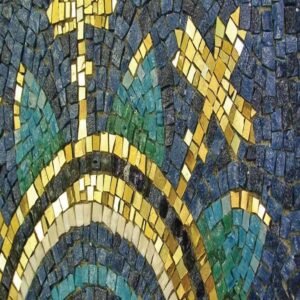
After the theater, explore the surroundings to enrich your day. Just a few minutes’ walk away, you’ll find the Basilica of San Vitale, with its Byzantine mosaics that are a world masterpiece. It’s an interesting contrast: from the neoclassical elegance of the theater to the ancient splendor of the mosaics. Another thematic experience is a visit to MAR – Ravenna Art Museum, which often hosts exhibitions related to local culture and completes the artistic journey. I did it this way, and it felt like traveling through centuries of history in just a few hours, without rushing.

Itineraries nearby


💡 Did You Know…?

During restoration works in 2012, a secret passage behind the stage was discovered, once used by actors for quick movements. Additionally, tradition holds that the ghost of an ancient orchestra conductor, Giuseppe Martucci, manifests with piano sounds during night rehearsals. The theatre has hosted important premieres, such as Zandonai’s ‘Francesca da Rimini’ in 1914, and today keeps the scene alive with local and national productions.