
If you have only one day to visit Terni, this walking itinerary takes you to discover contemporary art and Roman artifacts, immersed in nature. Start from the center: begin with the Archaeological Museum and the ruins of Sant’Andrea, then take a bus to the Marmore Falls (entrance fee, comfortable shoes). After the waterfall, continue to Carsulae, 10 km away, where the Roman amphitheater is the main attraction. Return to Terni for dinner. This itinerary Terni in 1 Day: A Walking Itinerary Between Contemporary Art and Roman Amphitheater is designed for those who combine history, nature, and culture. Perfect for a long weekend.
🗺️ Your trip at a glance
This one-day itinerary in Terni gives you a unique experience, combining the power of the Marmore Falls with the history of the Roman amphitheater of Carsulae. A walking route accessible to everyone, perfect for a day trip.
- Ideal for: travelers who want to discover Terni in a few hours, between nature and archaeology.
- Highlights: Marmore Falls, Carsulae, Archaeological Museum and ruins of Sant’Andrea, all reachable on foot with short transfers.
- Who it’s for: perfect for those with a day off who love walking among contemporary art and Roman artifacts.
Itinerary stops
Stop no. 1
Marmore Falls: A Masterpiece of Roman Engineering
 The day starts with a literal bang: the Marmore Falls, with its 165-meter drop divided into three spectacular leaps, is a Roman hydraulic work from 271 BC that still takes your breath away. Created by Consul Manius Curius Dentatus to drain the marshes, this giant of water is now surrounded by a park full of trails. We chose Trail 5, accessible even to people with disabilities, offering a unique perspective on the first leap. The atmosphere is humid and roaring, especially during water releases (twice daily, times vary – check the official website). Don’t miss the Balcony of Lovers, a panoramic terrace reachable with a guided tour, where the waterfall seems almost touchable. I recommend comfortable shoes and a light raincoat: the spray travels far!
- Go to the page: Marmore Falls: Europe’s Tallest, History and Nature
- sentiero 5, Terni (TR)
- Open in Google Maps
- View on Google Images

You should go if…
Stop no. 2
Carsulae: a journey through time along the Flaminian Way
 A few kilometers from Terni, along the ancient Via Flaminia, lies Carsulae, an archaeological site that plunges you straight into the Roman era. Abandoned as early as the 5th century, the city has undergone no later building overlays, preserving its original layout intact. You enter through the Arch of San Damiano, an imposing Augustan gateway with three arches, and immediately find yourself on the cardo maximus, paved with shiny basoli and flanked by sidewalks with drainage channels. The forum is the beating heart: travertine slabs, two Twin Temples (perhaps dedicated to the Dioscuri), the basilica, and remains of tabernae. Further ahead, the 1st-century AD theater and amphitheater are set against the hills, small but perfectly integrated into the landscape. Don’t miss the medieval church of Santi Cosma e Damiano, built into a Roman building, and the Antiquarium housed in a cistern. Walking among the olive trees, the silence is broken only by the rustle of the wind: you almost feel you can hear the echo of the merchants and legionaries who once thronged this road.
- Go to the page: Carsulae: The Ancient Roman City Brought to Light
- Via Flamina Vecchia, Terni (TR)
- Open in Google Maps
- View on Google Images
You should go if…
Stop no. 3
Roman Amphitheater of Terni
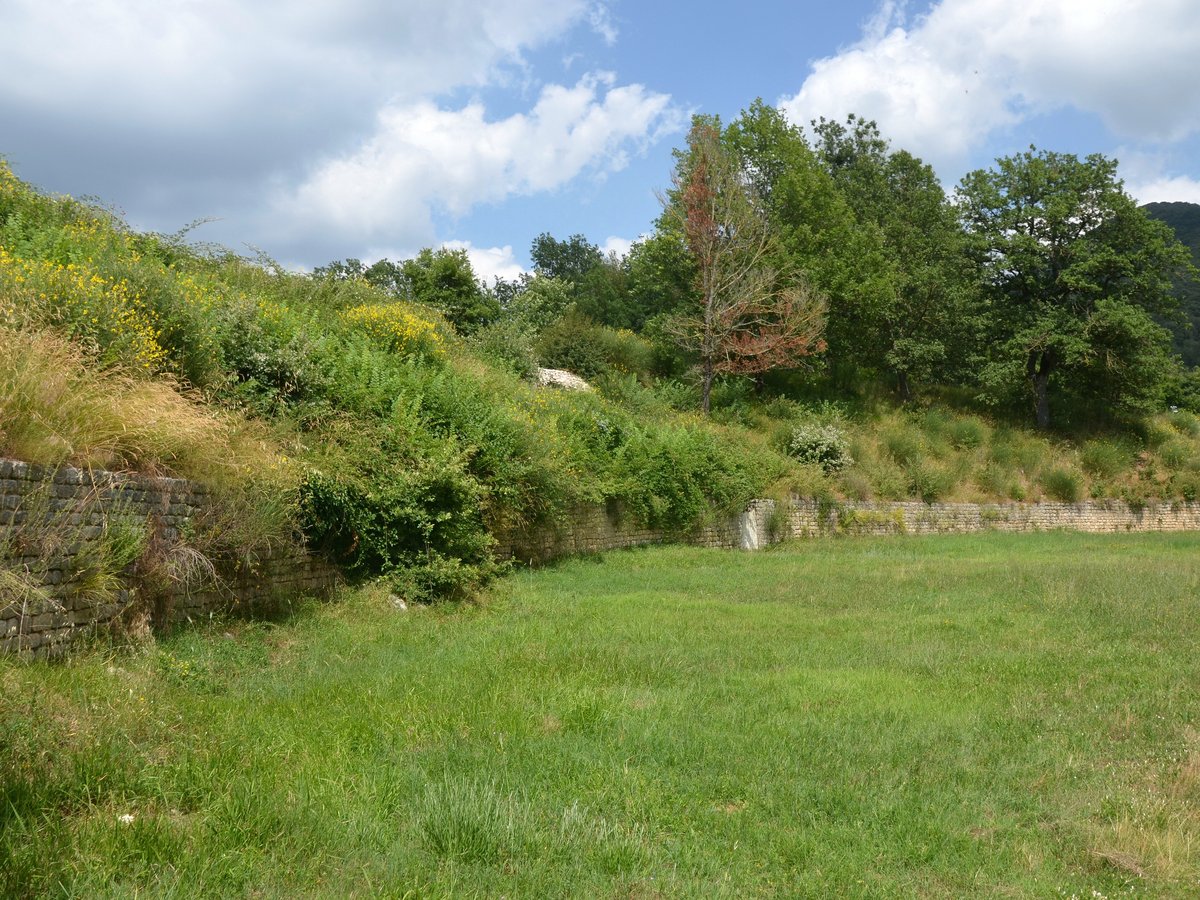 After Carsulae, the next stop awaits you in the city center: the Roman Amphitheater of Terni, a jaw-dropping gem. Built under Emperor Tiberius around 30-32 AD, it predates the Roman Colosseum – and you can tell immediately from the bichrome opus reticulatum construction technique. Its elliptical shape, measuring 96.5 x 73 meters, now holds about 10,000 spectators, but originally accommodated twice that. You walk in the Passeggiata park and suddenly it appears: the perimeter corridor, the radial rooms, wall fragments reaching ten meters high. If you look closely, you’ll notice that the bishop’s palace and the former Church of the Carmine have leaned against its walls, almost as if to protect the ancient arena. In summer, the place comes alive: concerts, theater performances, open-air cinema. To visit, book from Thursday to Sunday – I found the 4 PM slot perfect for enjoying the warm light on the stone.
- Decumanus Maximus, Terni (TR)
- Open in Google Maps
- View on Google Images
You should go if…
Stop no. 4
Archaeological Museum: A Dive into Terni’s Past
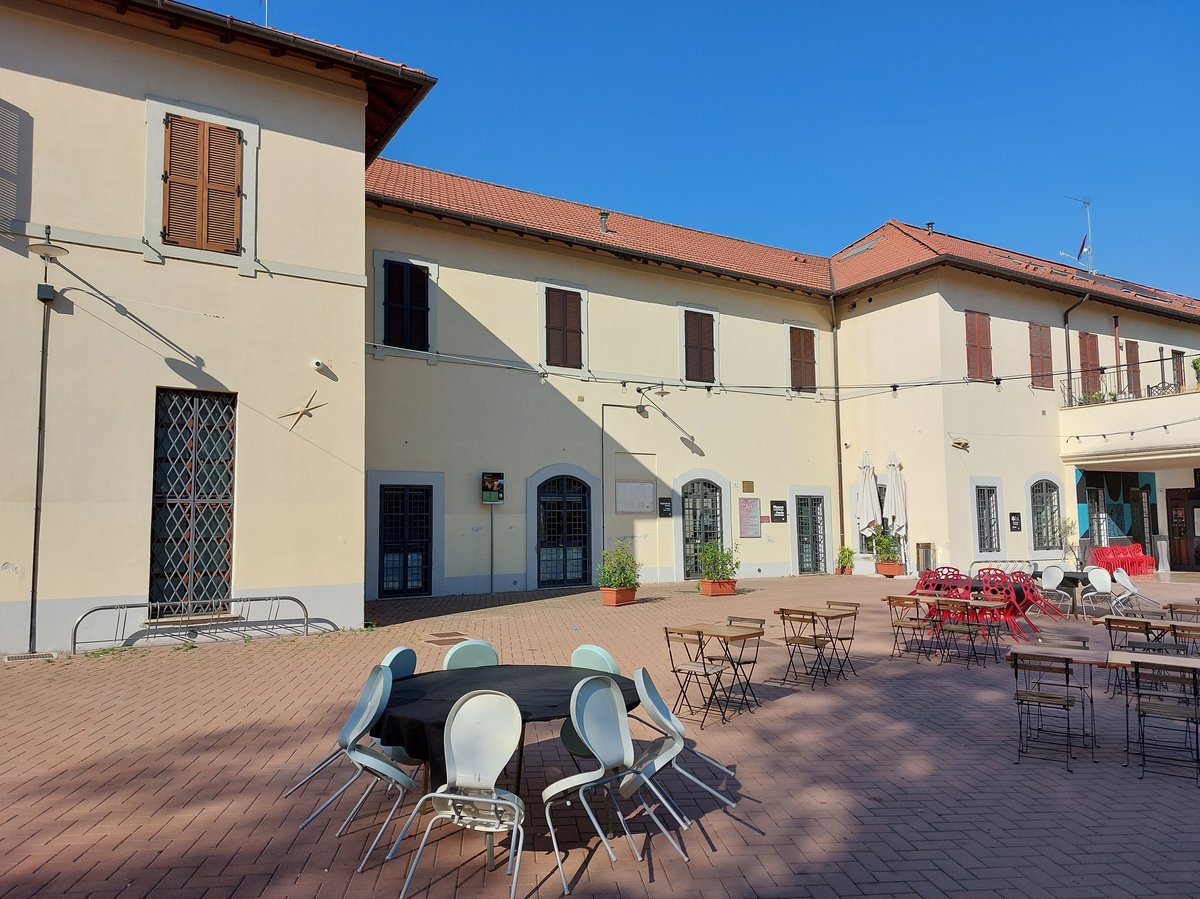 After exploring the amphitheater, it’s time to enter the Archaeological Museum, opened in 2004. It welcomes you on the ground floor of CAOS, a former industrial plant that has been repurposed. The route winds through 17 rooms divided into two sections: pre-Roman and Roman. In the first, the bisoma tomb from the Necropolis of Acciaierie stands out, dating back to the 8th-7th century BC, which tradition links to the young lovers Sabino and Serapia. In the Roman section, the epigraph of Faustus Titius Liberalis is key to understanding the origins of Interamna Nahars. Don’t miss the imposing marble Telamone, possibly from the Imperial age, and the artifacts from Carsulae. The museum is open from Thursday to Sunday, from 10:00 AM to 1:00 PM and 4:00 PM to 7:00 PM. A tip: take your time to admire the details of the burial assemblages and the virtual reconstructions.
- Via Montecucco, Terni (TR)
- Open in Google Maps
- View on Google Images
You should go if…
Stop no. 5
Sant’Andrea Ruins: A Dive into the Past
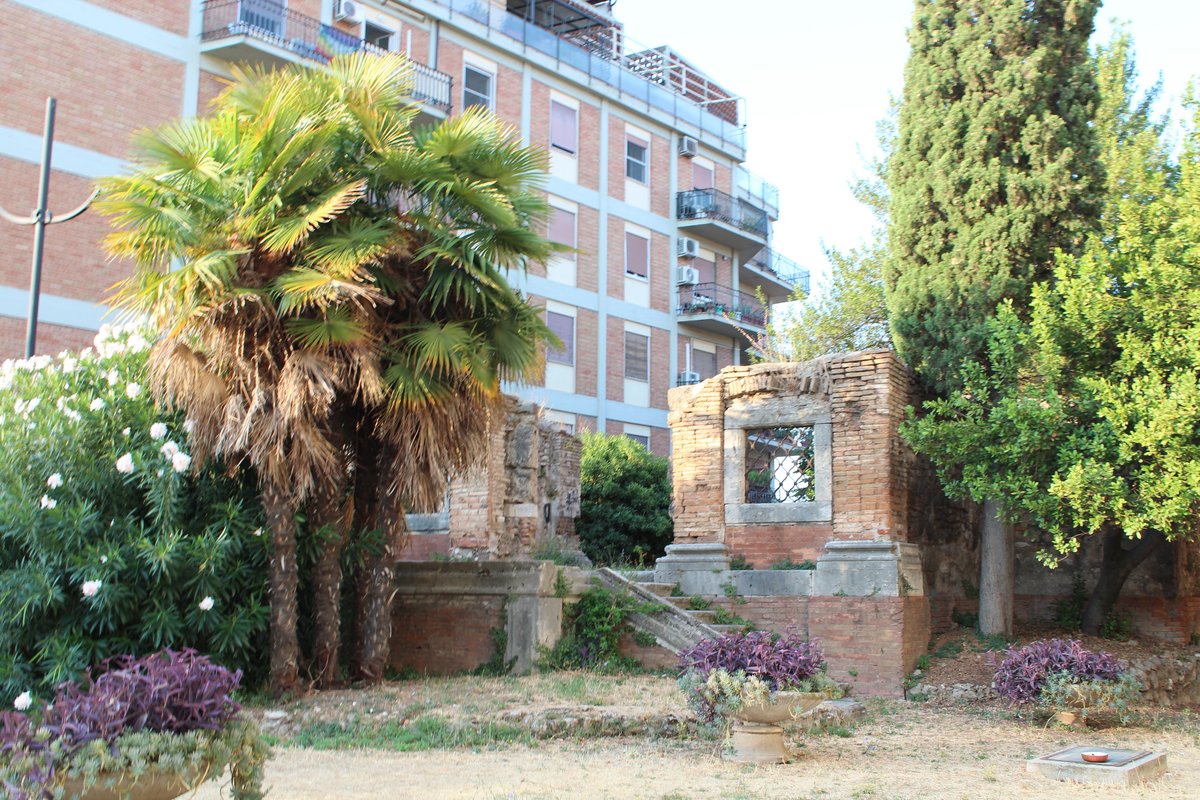 Continuing our itinerary, we arrive on Via Sant’Andrea, where the ruins of the namesake church stand. These remains are all that’s left of a sacred building once rich in frescoes and artworks, destroyed by the bombings of World War II. Today, amid vegetation and graffiti, you can still see two square windows with grates, part of the portal, and the stone stairs. A commemorative plaque from 2003 recalls its historical value. Despite its state of neglect, the ruins offer tangible testimony to the history of Terni and medieval Romanesque architecture. A place that invites reflection on the past and the city’s resilience.
- Via Sant’Andrea, Terni (TR)
- Open in Google Maps
- View on Google Images
You should go if…

