
🧭 What to Expect
- Ideal for a cultural weekend in the pedestrian historic center of Emilia-Romagna.
- Highlights: Tricolore Museum (birthplace of the Italian flag), Maramotti Collection (contemporary art), Ducal Palace (Renaissance architecture).
- Authentic experience among lively squares (Prampolini, San Prospero), historic theaters, and noble palaces.
- Practical structure: article with 15 described places, interactive map, and visit details.
Events nearby
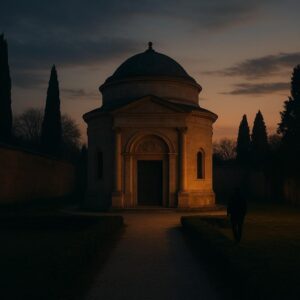
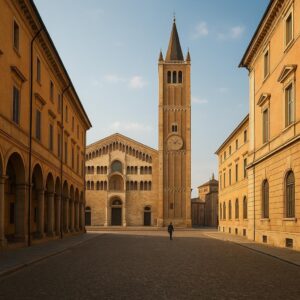
The City of Reggio Emilia welcomes you with its compact and well-preserved historic center, where every corner tells centuries of history. This is where the Italian Tricolour was born, a symbol you'll find at the Tricolour Museum. Strolling through squares like Piazza Prampolini and Piazza San Prospero, you'll notice the harmony of Renaissance and Baroque palaces, such as Palazzo Magnani and Palazzo Ducale. The city is also a reference point for contemporary art, with the Maramotti Collection displaying works by international artists. Don't miss the historic theatres, like the Romolo Valli Municipal Theatre, and urban parks such as Parco del Popolo, perfect for a relaxing break. Reggio Emilia combines tradition and innovation, with a vibrant cultural and food scene typical of Emilia-Romagna.
Overview
Itineraries nearby

Museum of the Tricolour
- Piazza Antonio Casotti 1, Reggio Emilia (RE)
- https://www.musei.re.it/collezioni/museo-del-tricolore/
- Open in Google Maps
- View on Google Images
- +39 0522 456477
 If you visit Reggio Emilia, the Museum of the Tricolour is an essential stop. It's not just a museum, but the very place where the Italian flag was born on January 7, 1797. You'll find yourself in the heart of Piazza Prampolini, inside the City Hall Palace, in what was once the Congress Hall of the Cispadane Republic. As you enter, you breathe in history: the first room welcomes you with the original document that adopted the tricolour as the national flag. Then, through explanatory panels, artifacts, and memorabilia, you'll discover the revolutionary context that led to the choice of green, white, and red. The flag on display is a faithful reconstruction based on period descriptions, with colours symbolising hope, faith, and charity. The route is short but intense, perfect for a one-hour visit. I recommend pausing at the section dedicated to the Risorgimento, with portraits and documents that tell how the tricolour became the symbol of Italy's unification. For those travelling through Emilia-Romagna, it's a unique opportunity to touch the roots of our national identity. Finish with a photo in the square, where the museum faces the Cathedral directly: a contrast between the sacred and patriotism that makes the experience unforgettable.
Ducal Palace
- Via Orfeo Becchi, Reggio Emilia (RE)
- Open in Google Maps
- View on Google Images
 If you're passing through Reggio Emilia, Ducal Palace is a stop you simply can't miss. This historic building, located right in the city center, tells centuries of history through its architecture and interior spaces. Built in the 17th century as the residence of the Este dukes, it now houses public offices but retains its original charm. The brick facade is an example of Renaissance elegance, while inside you'll find the porticoed courtyard and frescoed halls, like the Hall of the Giants. It's not a traditional museum, but you can visit some areas during events or temporary exhibitions. A little-known fact: this is where the famous architect Giuseppe Piermarini was born, the designer of Milan's Teatro alla Scala. If you love photography, the courtyard is perfect for atmospheric shots, especially in the afternoon light. To enter, check the opening hours on the City Council's website, as access is limited. In Emilia-Romagna, palaces like this are gems to be discovered at a leisurely pace.
Romolo Valli Municipal Theatre
- Piazza Martiri del 7 Luglio, Reggio Emilia (RE)
- https://www.iteatri.re.it/
- Open in Google Maps
- View on Google Images
 The Romolo Valli Municipal Theatre is the main cultural hub of Reggio Emilia, a place where art comes to life every evening. Inaugurated in 1857, this historic theatre is located in Piazza Martiri del 7 Luglio, in the heart of the city centre. Its neoclassical façade welcomes you with elegance, while the interior will surprise you with its rich decorations and perfect acoustics. Here you can enjoy performances of drama, opera and ballet, with a programme ranging from classics to contemporary productions. The main hall, with its golden boxes and frescoed ceiling, creates a magical atmosphere that makes every evening special. The theatre is also home to the I Teatri Foundation, which organises seasons full of events and collaborates with international artists. During your visit, don't miss the foyer, where temporary exhibitions related to the world of performing arts are often set up. For culture lovers, it's a must: check the online calendar and book tickets in advance, especially for the most popular shows. A practical tip: if you're visiting Reggio Emilia, combine an evening at the theatre with dinner at one of the typical restaurants in the centre, for a complete experience in the spirit of Emilia-Romagna.
Maramotti Collection
- Via Fratelli Cervi, Reggio Emilia (RE)
- Open in Google Maps
- View on Google Images
 If you think Reggio Emilia is just about great food, the Maramotti Collection will make you think again. This unique exhibition space was born from the conversion of the former Max Mara factory, transforming an industrial production site into a temple of contemporary art. The permanent collection, spanning from the 1950s to the present day, includes works by international artists such as Francis Bacon, Lucio Fontana, and Jannis Kounellis, offering a chronological journey that tells the story of the evolution of art in the second half of the 20th century. The temporary exhibitions, on the other hand, are always surprising and often dedicated to emerging artists, with a particular focus on the most innovative trends. The industrial architecture of the building, with its spacious areas and generous heights, creates a perfect dialogue with the exhibited works, providing an immersive visual experience. Admission is free, but booking is mandatory: a practical detail that saves you from queues and allows you to plan your visit perfectly. After admiring the artworks, don't miss the specialized bookstore, where you can find art catalogs and publications that are hard to come by elsewhere. For those traveling with children, there is also an educational workshop program that makes art accessible to everyone.
Palazzo Magnani
- Via Vicedomini, Reggio Emilia (RE)
- Open in Google Maps
- View on Google Images
 If you're looking for a place that tells the story and art of Reggio Emilia, Palazzo Magnani is an unmissable stop. This Renaissance palace, located on Corso Garibaldi, is a true treasure trove of culture. The facade, with its elegant rustication, welcomes you into an atmosphere of bygone eras. Inside, the frescoed halls transport you to the seventeenth century, with pictorial cycles celebrating the deeds of the Magnani family. Today the palace hosts high-level temporary exhibitions, often dedicated to modern and contemporary art, as well as cultural events and concerts. Don't miss the Tapestry Hall, where the textiles tell stories of hunting and mythology. Admission is often free or at a reduced price for current exhibitions, a detail you'll appreciate if you're traveling on a tight budget. For art lovers, it's an opportunity to discover how Reggio Emilia knows how to blend tradition and innovation. Remember to check opening hours on the official website, especially if you're visiting on holidays.
Camillo Prampolini Square
- Via Toschi, Reggio Emilia (RE)
- Open in Google Maps
- View on Google Images
 If you're looking for the true heart of Reggio Emilia, Camillo Prampolini Square is the essential starting point. Known to locals as Piazza Grande, this rectangular square has been the civic and social center of the city since the Middle Ages. At its center stands the statue of the Crucifix from 1773, a Carrara marble work that dominates the space. On the sides, Renaissance porticos create a cozy and sheltered atmosphere, perfect for a shaded break. The square hosts the Town Hall with its clock tower, symbol of civic power, and the Monte di Pietà Palace with its Baroque facade. Here you breathe history: it's the place where in 1797 the Italian Tricolore was born, the flag that united the country. Today the square is lively and bustling, with cafés under the porticos where you can taste a cappuccino with the typical erbazzone, the savory Reggio Emilia pie. On Saturday mornings it comes alive with the local produce market, while in the evening it becomes a meeting point for aperitifs. Perfect for a souvenir photo with the historic buildings as a backdrop, Prampolini Square authentically blends past and present.
Piazza San Prospero
- Piazza San Prospero, Reggio Emilia (RE)
- Open in Google Maps
- View on Google Images
 Piazza San Prospero is the elegant drawing room of Reggio Emilia, a place that breathes history and daily life. At its center, the Basilica of San Prospero, dedicated to the city's patron saint, welcomes you with its Renaissance facade and octagonal bell tower. Inside, admire the frescoes by Camillo Procaccini and the crypt containing the saint's relics. The square is surrounded by historic buildings like the Ducal Palace, now home to municipal offices, which once hosted the Este dukes. The true beating heart is the weekly market, every Tuesday and Friday morning, where stalls of fruit, vegetables, and typical Emilian products create a lively atmosphere. Here you can taste Parmigiano Reggiano or Lambrusco, perhaps sitting at the tables of a bar under the arcades. The square also hosts events like the San Prospero Fair in November, with artisan stalls and traditional sweets. Perfect for a break, it offers shaded benches and the view of the Fountain of the Two Lions, a symbol of protection. A tip: visit at sunset, when the warm light enhances the colors of the bricks and the atmosphere becomes more intimate.
Parmeggiani Gallery
- Piazza della Vittoria, Reggio Emilia (RE)
- Open in Google Maps
- View on Google Images
 If you're looking for a place that combines art, history, and a touch of mystery, the Parmeggiani Gallery is your destination. Located on Corso Cairoli, this gallery welcomes you into a neo-Gothic palace that seems straight out of a fairy tale. This isn't your typical museum: here the atmosphere is intimate, almost homely, and the works speak of travels and passions. Luigi Parmeggiani, an eclectic collector, assembled masterpieces ranging from the Middle Ages to the Renaissance, with unique pieces like the Castellani jewels and Spanish armor. Walking through the rooms, you'll notice Flemish paintings, wooden sculptures, and precious textiles, all original and well-preserved. The collection also includes works by local artists from Emilia-Romagna, a detail that makes it special compared to other museums in the region. Perfect for a quick visit, the gallery offers a concentrated experience: no queues, few tourists, and the feeling of discovering a secret. Tip: allow at least an hour to admire the details, such as the period furnishings that recreate the atmosphere of a house-museum. If you're in Reggio Emilia, skipping this gem would be a shame: it's ideal for those who love art without frills.
People's Park
- Reggio Emilia (RE)
- Open in Google Maps
- View on Google Images
 The People's Park is the green lung of Reggio Emilia's historic center, a place where the city breathes and recharges. Located just steps from Piazza Prampolini and the Duomo, this park welcomes you with its tree-lined avenues and well-kept flowerbeds, perfect for a refreshing break during your city exploration. It's not just a green space: here you'll find the Monument to the Fallen, an imposing work that commemorates the Reggio Emilia citizens who fell in war, becoming a symbol of collective memory. Its central location makes it ideal for a stop after exploring the city museums or before diving into the downtown shops. The locals love it for evening strolls and moments of relaxation under the shade of century-old plane trees. If you visit Reggio Emilia, don't miss this corner of tranquility where history and nature meet. Bring a book or simply enjoy the atmosphere: it's one of those places that captures the authentic essence of this Emilian city.
Ludovico Ariosto Theatre
- Corso Benedetto Cairoli, Reggio Emilia (RE)
- https://www.iteatri.re.it/
- Open in Google Maps
- View on Google Images
 The Ludovico Ariosto Theatre is an architectural gem in the historic centre of Reggio Emilia, located on Via Vasco Agosti. Built in 1927 based on architect Cesare Costa's design, it replaced the previous Teatro Ariosto destroyed by fire. The Art Nouveau facade with Neoclassical elements welcomes you with elegance, while the interior surprises with its perfect acoustics and horseshoe-shaped auditorium that creates an intimate atmosphere. Here you won't find just theatrical performances: the theatre hosts drama seasons, classical and contemporary music concerts, as well as festivals dedicated to children's theatre. The programming is curated by the Teatro Municipale Valli, ensuring quality and variety. Throughout the year, events like the 'Reggio Emilia Festival' bring international artists to the stage. The foyer, with its period chandeliers and decorations, is perfect for a pre-show break. I recommend checking the online calendar: there are often matinée performances at accessible prices. For those visiting Reggio Emilia, it's a must to understand the city's cultural vibrancy, along with the nearby Tricolour Museum.
San Giorgio Palace
- Via Malta, Reggio Emilia (RE)
- Open in Google Maps
- View on Google Images
 If you're looking for a historic corner in the center of Reggio Emilia, San Giorgio Palace is an unmissable stop. This Renaissance building, constructed in the 16th century, is located in Piazza Prampolini, right next to the Cathedral. Its red brick facade, typical of Emilian architecture, immediately catches the eye with its elegant portals and decorated windows. Today the palace houses the Prefecture, but don't be fooled: the entrance is accessible to the public and it's worth stepping inside to admire the internal courtyard. Here you'll find a portico with marble columns and cross vaults that transport you back in time. A fun fact? The palace takes its name from the ancient Church of San Giorgio, which stood nearby and was demolished in the 18th century. For the people of Reggio, this place is a symbol of power and tradition, having served as the seat of city government for centuries. If you visit Reggio on a sunny day, pause in the courtyard: the light filtering through the arches creates spectacular shadow plays, perfect for a souvenir photo. Remember that access is free, but check the opening hours as they may vary due to institutional events.
Palazzo dei Musei
- Via Lazzaro Spallanzani, Reggio Emilia (RE)
- Open in Google Maps
- View on Google Images
 The Palazzo dei Musei in Reggio Emilia is a true treasure trove of cultural heritage, housed in a historic building that was once the Convent of San Francesco. Today, it brings together various museum collections under one roof, offering a fascinating journey through local history and art. Inside, you'll find the Civic Museum of Natural History, with exhibits ranging from paleontology to zoology, perfect for families with curious children. But that's not all: here you'll also discover the Gallery of Marbles, which houses Roman and medieval sculptures from the Reggio Emilia area, tangible evidence of the city's past. One of the highlights is the archaeology section, with artifacts spanning from prehistory to the Roman era, including ceramics and coins that tell the story of daily life in ancient populations. The palace also hosts the Museum of the Tricolore, dedicated to the Italian flag that was born right here in Reggio Emilia in 1797. For art lovers, there's the opportunity to admire works by local and other artists, with paintings and sculptures covering several centuries. Admission is free, a significant detail for travelers on a limited budget. I recommend dedicating at least a couple of hours to explore all sections thoroughly, perhaps starting with the archaeological collections on the ground floor and then moving up to the upper floors for art and natural history. It's an ideal place for an in-depth cultural visit, away from the crowds of Emilia-Romagna's more touristy spots.
Santa Croce Gate
- Sottopassaggio pedonale di Viale Piave, Reggio Emilia (RE)
- Open in Google Maps
- View on Google Images
 If you're looking for an authentic piece of Reggio's history, Santa Croce Gate is a stop you can't miss. This ancient city gate, built in the 16th century, was one of the main entrances to Reggio Emilia's walls and today stands as an elegant brick arch that retains its Renaissance charm intact. The original structure dates back to 1546 and was part of the defensive system commissioned by Duke Ercole II d'Este, a detail that makes it particularly significant in the city's historical context. Walking beneath its vault, you'll immediately notice the characteristic red bricks typical of Emilian architecture, the noble coats of arms, and traces of the ancient shutters that once protected the city. Today Santa Croce Gate isn't just a monument to photograph, but a landmark for Reggio's residents. The surrounding area is lively and full of spots to stop for an aperitivo, just as the locals do. If you visit Reggio Emilia in spring or summer, take advantage of the sunset light: the rays filtering through the arch create spectacular light plays on the bricks. For those who love architectural details, it's worth observing up close the stone decorations and the corbels supporting the arch, testimony to the craftsmanship of 16th-century local artisans. A practical tip: combine your visit with a walk along what remains of the Este walls to fully immerse yourself in the city's historical atmosphere.
Bordello Tower
- Via Toschi, Reggio Emilia (RE)
- Open in Google Maps
- View on Google Images
 The Bordello Tower rises in the historic center of Reggio Emilia, just steps from Piazza Prampolini. It is one of the few surviving medieval towers, dating back to the 13th century. The curious name comes from its historical function: an ancient brothel was located here, managed by the Municipality to control prostitution. Today the tower is privately owned and not open to visitors inside, but it's worth admiring from the outside. The structure in red bricks typical of Emilia-Romagna stands out among the noble palaces. Notice the architectural details: the arched windows and the massive base. It's an example of how Reggio Emilia preserves traces of its medieval past, often hidden among the alleys. Perfect for a souvenir photo, especially at sunset when the warm light enhances the colors. A practical tip: combine it with a visit to the nearby Tricolore Museum for a dive into the city's history.
Piazza Antonio Fontanesi
- Piazza Antonio Fontanesi, Reggio Emilia (RE)
- Open in Google Maps
- View on Google Images
 Piazza Antonio Fontanesi is one of those places that makes you understand why Reggio Emilia is called the 'City of the Tricolour'. It's not a monumental square like others, but it has a discreet charm that wins you over. At its center, the monument to Antonio Fontanesi, the 19th-century painter it's named after, dominates the space with its understated elegance. Surrounding it, historic buildings in warm colours create an intimate atmosphere, perfect for a break away from the hustle and bustle. Here you won't find crowds of tourists, but rather locals meeting for a coffee or a chat. The square is pedestrianised, so you can stroll peacefully while admiring the architectural details, like the stone-framed windows and ancient doorways. It's an ideal spot to breathe in the authentic essence of Reggio Emilia, away from the more beaten paths. If you visit the city, don't skip it: it's an example of how lesser-known squares can offer genuine emotions. Try sitting on a bench and watching life go by: you'll understand why the locals love it.