Luigi Tonini City Museum of Rimini: Roman Mosaics and the Surgeon’s Domus

The Luigi Tonini City Museum of Rimini, located at Via Tonini 1 in the historic center, reveals local history from Roman times to the 20th century. It’s not just a collection of objects: here you’ll find archaeological artifacts like the mosaics from the Surgeon’s Domus and artworks by local artists often overlooked by tourist circuits. The museum is clearly organized with explanatory panels in Italian and English, offering a perfect cultural break to combine with a visit to the Malatesta Temple or a stroll through the center.

  • Surgeon’s Domus: unique archaeological site with original Roman surgical instruments in bronze and iron
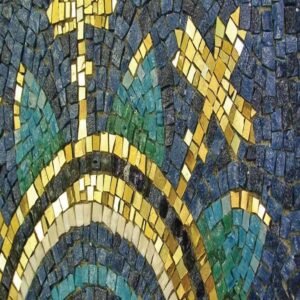
  • Roman mosaics: colorful floors with scenes of daily life and myths, well-preserved
  • Local artworks: paintings and sculptures from the Middle Ages to the modern era by Rimini artists
  • Central location: in the historic heart, easy to include in a visiting itinerary


Events nearby
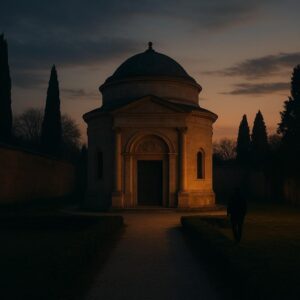

Copertina itinerario Luigi Tonini City Museum of Rimini: Roman Mosaics and the Surgeon's Domus
Museum in the historic center with Roman archaeological finds, mosaics from the Surgeon’s Domus, and artworks from the Middle Ages to the 20th century. Panels in Italian and English.

Good to know


Introduction

Rimini is not just beaches and nightlife. In the heart of the historic center, the Luigi Tonini City Museum welcomes you into an eighteenth-century palace that feels like an open book on local history. Upon entering, you breathe an atmosphere different from the tourist chaos: here, time stands still among Roman artifacts, colorful mosaics, and artworks that tell centuries of life on the Adriatic coast. Personally, I was struck by how this museum manages to be intimate and surprising, almost a well-kept secret among the alleys. Don’t expect a boring textbook experience: the rooms are curated with passion, and every object has a story to reveal. Perfect for those who, like me, seek a cultural break between a swim and an ice cream.

Historical Overview

The museum originated from the vision of Luigi Tonini, a 19th-century historian from Rimini who dedicated his life to collecting local artifacts. Over time, the collection has grown, particularly with archaeological discoveries from the 1980s during excavations for the Galli Theatre. Today, the exhibition spans from the Roman era to the Renaissance, featuring unique pieces like the House of the Surgeon, a Roman dwelling with original medical instruments that will leave you in awe. The timeline below gives you an idea of key moments:

  • 1st century AD: Roman Rimini (Ariminum) at its peak, evidenced by mosaics and artifacts.
  • 1860: Luigi Tonini begins the collection that would become the museum’s core.
  • 1990: The museum finds its permanent home in the former Jesuit college, after years of relocation.
  • 2007: Opening of the section dedicated to the House of the Surgeon, an archaeological gem.

Among Mosaics and Ancient Instruments

One of the rooms that truly captivated me is the one with the Roman mosaics, where colorful tesserae depict scenes of daily life and myths. The details are incredible: I spent minutes observing a floor with dolphins and tridents, almost hearing the sound of the ancient sea. Not far away, the Domus del Chirurgo section is a dive into archaeology: here, the surgical instruments in bronze and iron seem straight out of a medical manual from two thousand years ago. There’s something thrilling about seeing these objects so well-preserved, speaking of a distant yet still tangible past. I’m no expert, but the care with which they’re displayed makes everything accessible, even for someone like me who’s just curious.

A Museum That Breathes with the City

What makes this place special is its connection to Rimini. It’s not a museum closed in on itself: temporary exhibitions often link contemporary art and local history, creating unexpected dialogues. I noticed, for example, how works by modern artists are juxtaposed with ancient artifacts, stimulating reflections on time and memory. Additionally, the museum organizes workshops for children and guided tours that explore lesser-known corners, such as the inner courtyard with its medieval remains. It may not be perfect—some rooms could be better lit—but this authenticity makes it more human. It’s a place where you understand that culture here is alive, not preserved in formaldehyde.

Why Visit It

Three concrete reasons not to skip this museum: first, the Domus del Chirurgo is a unique archaeological site in Italy, allowing you to experience Roman life firsthand in a direct and fascinating way. Second, the collection of mosaics and frescoes is surprisingly beautiful, with colors that look freshly painted—ideal for photos and moments of contemplation. Third, the museum offers a refreshing break from the sun and crowds, in a cool, quiet environment where you can recharge before returning to the hustle and bustle. Personally, I found it a smart alternative to the usual attractions, perfect for those who want to delve deeper without stress.

When to go

Avoid the hottest hours in summer, when the historic center is overrun by tourists. The best time? An autumn afternoon or a winter morning, when the light filters gently through the windows and the atmosphere is more intimate. I visited in October, and the museum was almost deserted: I could linger over the details without rushing, enjoying the silence broken only by my footsteps. In summer, if you really must go, try the first opening hour—it’s less crowded and allows you to combine the visit with a cool stroll through the alleys. In any case, always check the hours online, as they sometimes close for special events.

In the Surroundings

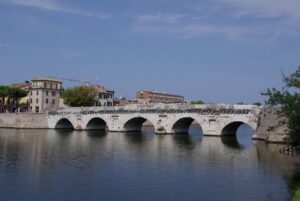
After leaving the museum, take a short walk to the Tiberius Bridge, a 1st-century Roman bridge still in use—it’s impressive to walk across it and think about all the history it has witnessed. Nearby, the Galli Theatre, rebuilt after the war, offers performances and guided tours that complete the city’s cultural narrative. If you’re in the mood for a themed experience, seek out the artisan workshops on Via Gambalunga, where you’ll find ceramics and objects inspired by the museum’s artifacts. These aren’t distant attractions: everything is within walking distance, making it easy to create a historical-themed itinerary without any hassle.

Itineraries nearby


💡 Did You Know…?

A little-known fact: the museum preserves the wooden model of the Galli Theatre, destroyed during World War II and only recently rebuilt. This detail allows you to see what one of the city’s most important theaters looked like before the bombings, a piece of history that connects to Rimini’s cultural rebirth. Additionally, in the rooms dedicated to the twentieth century, you’ll find testimonies of historic beach life, with photographs and objects showing how the Riviera’s tourist tradition was born and evolved. These elements make the visit not only a journey into the past but also a reflection on how Rimini has changed over time, always maintaining a strong connection to its identity.