MAR.TA Taranto: Gold of Taras and Magna Graecia Artifacts in Former Convent

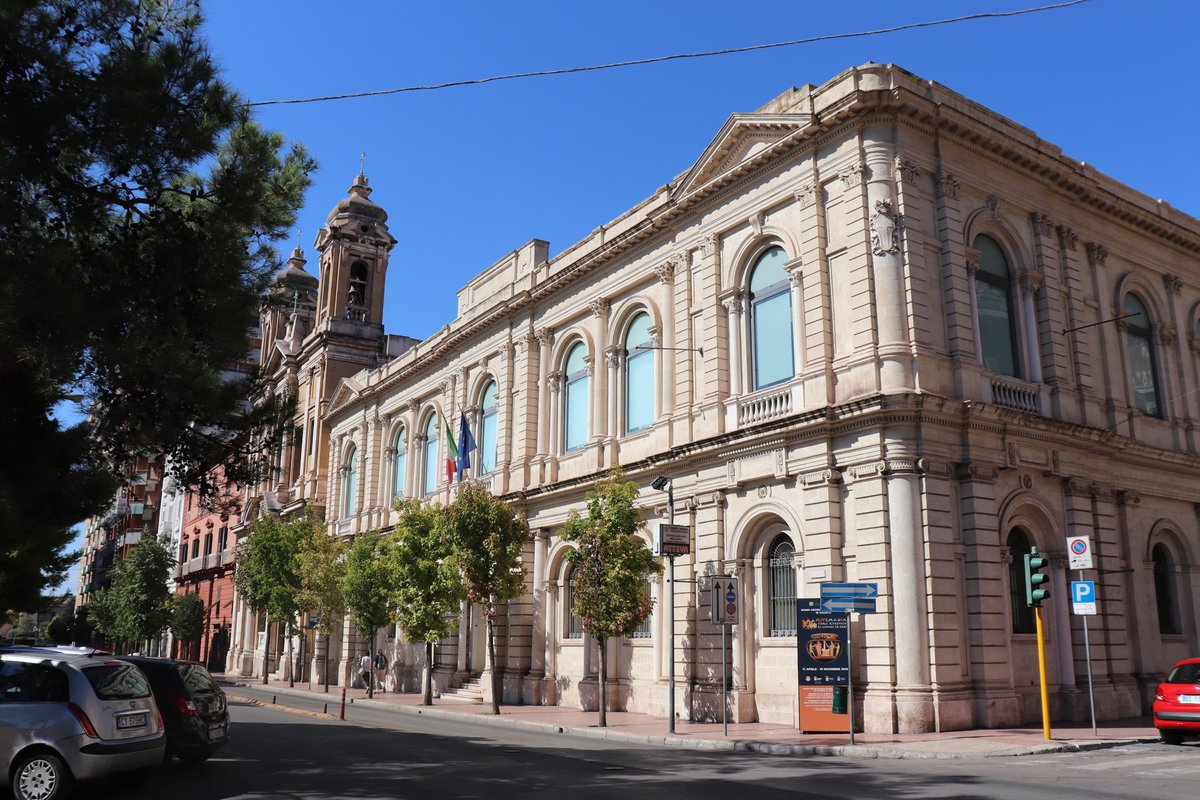
The MAR.TA National Archaeological Museum of Taranto preserves the millennial history of the city, from the Magna Graecia era to the Roman age. Located in the historic center in a former convent, it displays one of the most important collections in the Mediterranean with artifacts ranging from gold jewelry to painted ceramics. The well-organized exhibition path guides through centuries of history with clear explanatory panels.

  • Exquisitely crafted gold jewelry of Taras
  • Underwater artifacts recovered from the Ionian Sea depths
  • Section dedicated to the necropolis with funeral furnishings
  • Historic building in former convent of San Pasquale
Copertina itinerario MAR.TA Taranto: Gold of Taras and Magna Graecia Artifacts in Former Convent
National Archaeological Museum of Taranto with gold jewelry of Taras, underwater finds, and necropolis section. Magna Graecia collection in historic building in city center.

Good to know


Introduction

Entering the MAR.TA is like opening a door to Taranto’s glorious past. The Gold of Taras welcomes you with its gleam, telling stories of a city that was among the wealthiest in Magna Graecia. The modern, well-lit halls display artifacts that seem to speak: amphorae, jewelry, statues that bear witness to centuries of history. It’s not just a museum, but a journey through time where every display case reveals a piece of the identity of this land bathed by two seas. The atmosphere is immersive, almost as if you can hear the voices of the ancient Tarantines as you admire the treasures recovered from the sea and the land.

Historical Overview

MAR.TA was established to preserve the heritage of Taranto, founded as a Spartan colony in 706 BC and later becoming a pivotal center of Magna Graecia. The museum, founded in 1887, is housed in the former Convent of San Pasquale, a building that blends ancient and modern history. It holds artifacts ranging from prehistoric times to the Roman period, with its peak splendor in the 5th century BC, when Taranto was renowned for its production of ceramics and goldsmithing. The collection includes items unearthed from local necropolises and the surrounding sea, the result of ongoing excavation campaigns.

  • 706 BC: Foundation of Taranto as a Spartan colony
  • 5th century BC: City’s zenith in Magna Graecia
  • 1887: Establishment of the National Archaeological Museum
  • 2007: Reopening after major restoration

The Jewels of MAR.TA

One of the museum’s highlights is the section dedicated to goldsmithing, where the gold jewelry from the Taras collection stands out. Diadems, earrings, and necklaces showcase extraordinary craftsmanship, with details that reveal both Greek and local influences. Don’t miss the underwater artifacts room, featuring amphorae and objects recovered from the depths of the Ionian Sea, highlighting the city’s commercial importance. These well-preserved pieces will transport you to the ships that once sailed the Mediterranean, laden with goods and stories. It’s an experience that uniquely blends beauty and history.

The Thematic Rooms

The exhibition route is divided into sections that guide visitors through the centuries. In the room dedicated to daily life, discover weaving tools and pottery that illustrate the habits of ancient Tarantines. Then, the funerary section with tomb furnishings that reveal beliefs about the afterlife. Each environment is enriched by clear explanatory panels, ideal for those who want to delve deeper without getting lost. The arrangement of the artifacts, often accompanied by reconstructions, makes the visit accessible and engaging, even for those who are not archaeology experts.

Why Visit

Visit MAR.TA to admire the Gold of Taras, a unique treasure that symbolizes the wealth of the ancient city. Additionally, the museum offers a comprehensive overview of Magna Graecia, with artifacts you won’t find elsewhere, such as figured ceramics and ritual objects. It’s an opportunity to understand the roots of Taranto in a modern, well-curated context that brings history to life in a tangible way.

When to Go

The best time to visit is early afternoon, when natural light streams through the windows and illuminates the golden artifacts, creating a magical atmosphere. Avoid crowded weekends to enjoy the halls at your leisure, perhaps on a sunny day when the reflection of the gold appears even more brilliant.

In the Surroundings

After the museum, explore the historic center of Taranto, with the Aragonese Castle overlooking the sea and the alleys full of history. For a thematic experience, visit the archaeological area of the Greek necropolises, where you can see ancient tombs that complete the story of the MAR.TA.

💡 Did You Know…?

A fascinating detail: the museum preserves the famous Treasure of Taranto, including finely worked gold diadems, earrings, and necklaces, unearthed in local necropolises. These jewels, dated between the 4th and 3rd centuries BC, show Greek and indigenous influences, symbolizing the city’s cultural melting pot. It is said that some artifacts were discovered by chance during construction work in the historic center, adding a touch of mystery to their history.