Introduction
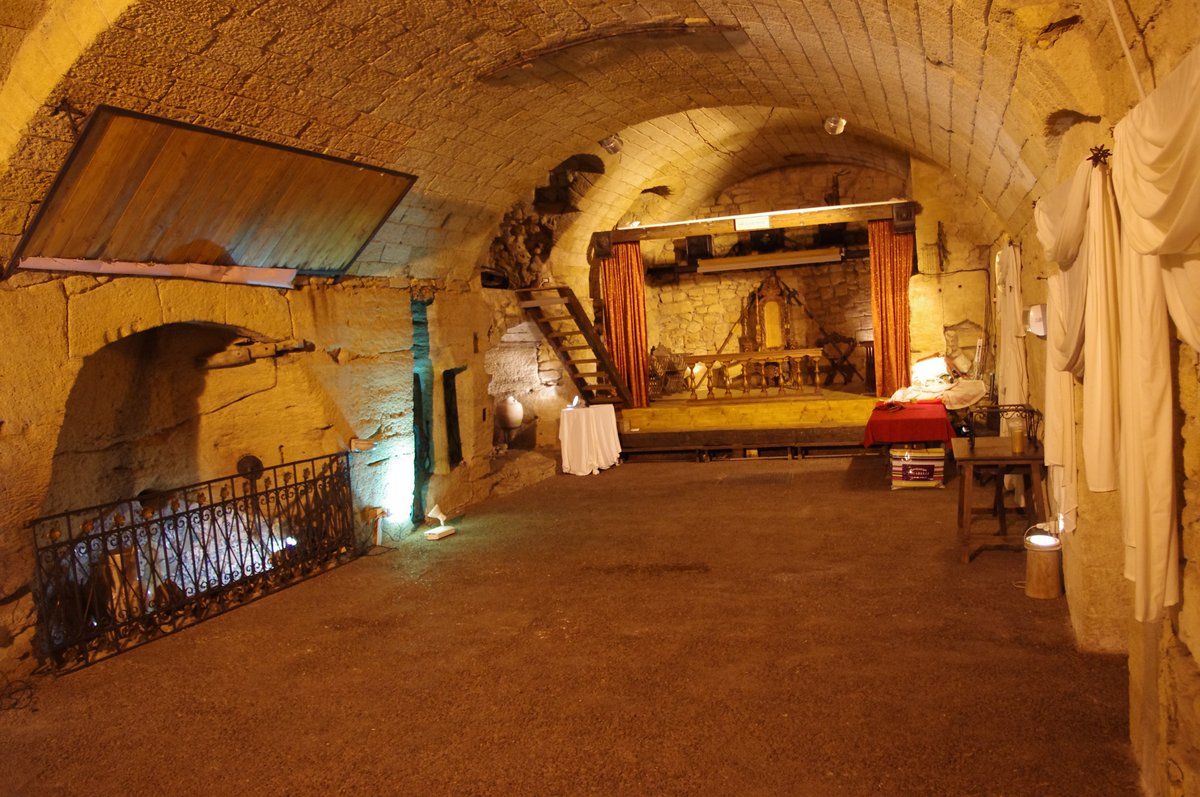
Imagine descending 16 meters beneath the streets of Taranto, 4 meters below sea level, and finding yourself in an underground world that tells 2,700 years of history. The Spartan Hypogeum Museum is all of this: 800 square meters of rock-hewn cavities, where each room reveals a different piece of the city’s past. Beneath the elegant Palazzo de Beaumont Bonelli, this unique hypogeum takes you from the Spartan foundation in 706 BC to the 17th century. It’s not just any museum: here, the walls speak of Greek walls, medieval cisterns, and a tunnel leading to the sea. An authentic experience, run with passion by the Bellacicco family.
Historical Background
It all begins in 706 BC, when the Spartans founded Taranto and quarried this cave to build temples and walls. Over the centuries, the hypogeum transformed: the Romans added structures in opus incertum, the Byzantines (under Nicephorus Phocas) built vaults, and in the Middle Ages, cisterns and a water system were constructed. The 17th century saw the construction of the noble palace above, while the underground became a cellar and storage. Restored and opened to the public in 2004, it is now a museum recognized by the Ministry of Cultural Heritage. Here are the key moments:
- 706 BC: Spartan founding and start of excavations
- Roman era: opus incertum
- 10th century AD: Byzantine vaults
- 17th century: construction of the de Beaumont Bonelli palace
- 2004: opening to the public after restoration
The Four Rooms
The hypogeum develops into four halls, 5 to 8 meters high, connected by stairways. The Etra Hall preserves the remains of Greek walls and blocks of calcarenite containing fossils. The Falanto Hall displays a Greek road, a medieval water collection system, and the entrance to the tunnel leading to the sea. The Filonide Hall is the largest (8 meters high), with a Greek column and niches; it hosts cultural events (up to 100 people). The Persephone Hall is the deepest: 16 meters below street level, carved into bedrock, traversed by an underground river that feeds the freshwater springs known as the “Citri”. Each hall is a piece of a millennia-old story.
The Secret Tunnel and Underground Waters
One of the most fascinating features is the tunnel that opens onto the Mar Grande. Starting from the Falanto Hall, it crosses the street and leads directly to the sea. It is unknown whether it was a secret passage or a drainage canal, but it adds an air of mystery. Furthermore, the Persephone Hall is crossed by a karst river that still flows today: its fresh waters, known as “Citri”, were used by the ancients. During the visit, you can also see 17th-century water pipes and a rainwater collection system. A blend of engineering and nature that makes the hypogeum unique.
Why Visit It
First: it’s the only place in Taranto where you can see all historical periods in one space, from Spartan foundation to the 18th century. Second: the atmosphere is authentic; run privately without public funding, you can feel the passion of the Bellacicco family. Third: the scale is impressive: 800 square meters at 16 meters deep, with huge halls and a tunnel leading to the sea. If you love archaeology or are looking for an extraordinary experience, it’s unmissable.
When to Go
The only chance is on Sunday morning at 11 am, with mandatory reservation. I recommend choosing spring or autumn: Taranto is cooler and the Borgo Antico is more enjoyable. Arrive a bit early to stroll along the waterfront before the visit. The hypogeum is cool all year round (constant temperature), so don’t worry about the summer heat. But Sunday is the only day, so plan your weekend around this experience.
Nearby
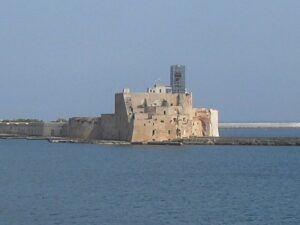
A few steps from the museum, in the historic old town, the Castello Aragonese (10th century, overlooking the sea) and the National Archaeological Museum (MarTa), one of the most important in Southern Italy for Greek artifacts, are worth a visit. Stroll through the narrow streets of the historic center, among noble palaces and artisan shops. If you have time, the waterfront offers a beautiful view of the Mar Grande and the swing bridge.