Introduction: The Medici Mausoleum
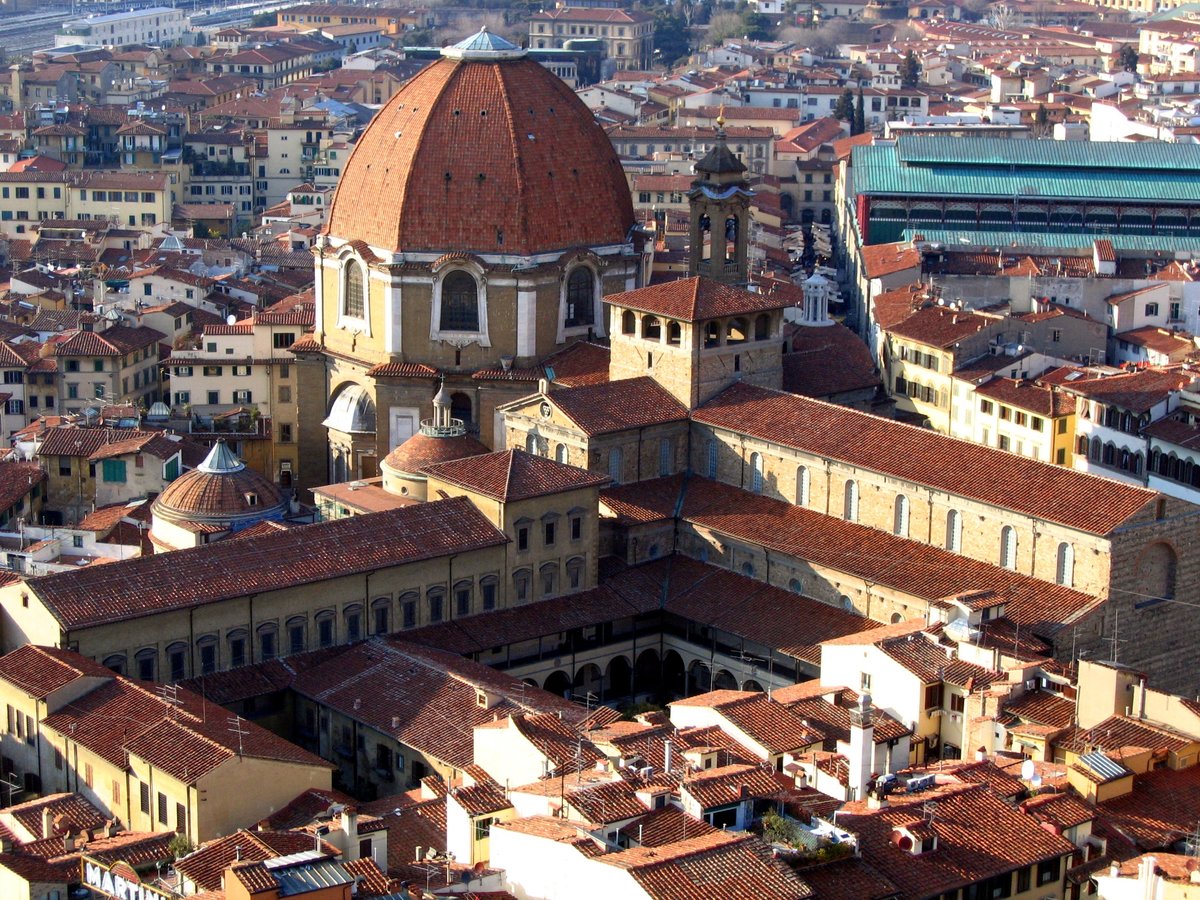
Stepping into the Medici Chapels is like diving into the history of power in Florence. Here, behind the unfinished façade of San Lorenzo, lies a monumental complex blending art, faith, and ambition. Michelangelo left his mark in the New Sacristy, while the Chapel of the Princes dazzles with its precious marbles. It’s not just a museum: it’s the resting place of 49 members of the Medici family, including Lorenzo the Magnificent. An experience that makes you feel small in the face of such greatness.
Introduction: The Medici Mausoleum
Stepping into the Medici Chapels is like diving into the history of power in Florence. Here, behind the unfinished façade of San Lorenzo, lies a monumental complex blending art, faith, and ambition. Michelangelo left his mark in the New Sacristy, while the Chapel of the Princes dazzles with its precious marbles. It’s not just a museum: it’s the resting place of 49 members of the Medici family, including Lorenzo the Magnificent. An experience that makes you feel small in the face of such greatness.
Historical Overview
The history of the Medici Chapels begins in 1429, when Giovanni de’ Medici was buried in the Old Sacristy. From there, San Lorenzo became the family’s burial place. In 1519, Pope Leo X entrusted Michelangelo with the New Sacristy, completed in 1534. The Chapel of the Princes, on the other hand, took shape between 1604 and 1640 under the design of Matteo Nigetti. The museum was officially founded in 1869, also incorporating the crypt with the tombs of the grand dukes. Here are the key moments:
Historical Overview
The history of the Medici Chapels begins in 1429, when Giovanni de’ Medici was buried in the Old Sacristy. From there, San Lorenzo became the family’s burial place. In 1519, Pope Leo X entrusted Michelangelo with the New Sacristy, completed in 1534. The Chapel of the Princes, on the other hand, took shape between 1604 and 1640 under the design of Matteo Nigetti. The museum was officially founded in 1869, also incorporating the crypt with the tombs of the grand dukes. Here are the key moments:
Historical Notes – Timeline
- 1429 – Burial of Giovanni de’ Medici in the Old Sacristy
- 1464 – Cosimo the Elder buried under the altar of San Lorenzo
- 1520-1534 – Michelangelo works on the New Sacristy
- 1604-1640 – Construction of the Princes’ Chapel
- 1869 – Opening of the state museum
Historical Notes – Timeline
- 1429 – Burial of Giovanni de’ Medici in the Old Sacristy
- 1464 – Cosimo the Elder buried under the altar of San Lorenzo
- 1520-1534 – Michelangelo works on the New Sacristy
- 1604-1640 – Construction of the Princes’ Chapel
- 1869 – Opening of the state museum
The New Sacristy: Michelangelo’s Genius
The New Sacristy is the jewel of the chapels. Michelangelo designed both the architecture and the sculptures, creating a masterpiece of balance. Here you will find the tombs of Giuliano, Duke of Nemours, and Lorenzo, Duke of Urbino, with the famous allegories of Day and Night, Dawn and Dusk. At the center, the Madonna and Child by Michelangelo himself. The atmosphere is intimate, almost mystical. The statues seem to glow with their own light, and you realize how much care the artist put into representing the passage of time and the fate of man.
The New Sacristy: Michelangelo’s Genius
The New Sacristy is the jewel of the chapels. Michelangelo designed both the architecture and the sculptures, creating a masterpiece of balance. Here you will find the tombs of Giuliano, Duke of Nemours, and Lorenzo, Duke of Urbino, with the famous allegories of Day and Night, Dawn and Dusk. At the center, the Madonna and Child by Michelangelo himself. The atmosphere is intimate, almost mystical. The statues seem to glow with their own light, and you realize how much care the artist put into representing the passage of time and the fate of man.
The Chapel of the Princes: Luxury and Power in Semi-Precious Stones
If the Sagrestia is poetry, the Chapel of the Princes is pure power. Octagonal and majestic, it is entirely covered in marbles and semi-precious stones: porphyry, lapis lazuli, mother-of-pearl, coral. The work lasted over two centuries, involving the Opificio delle Pietre Dure. The walls house six empty sarcophagi (the actual remains are in the crypt), and above those of Ferdinando I and Cosimo II shine gilded bronze statues by Pietro Tacca. The opulence is almost excessive, but it conveys the power the Medici wanted to display even after death.
The Chapel of the Princes: Luxury and Power in Semi-Precious Stones
If the Sagrestia is poetry, the Chapel of the Princes is pure power. Octagonal and majestic, it is entirely covered in marbles and semi-precious stones: porphyry, lapis lazuli, mother-of-pearl, coral. The work lasted over two centuries, involving the Opificio delle Pietre Dure. The walls house six empty sarcophagi (the actual remains are in the crypt), and above those of Ferdinando I and Cosimo II shine gilded bronze statues by Pietro Tacca. The opulence is almost excessive, but it conveys the power the Medici wanted to display even after death.
Why Visit It
1. Michelangelo’s original sculptures: no copies, you see the works just as the artist left them. 2. A journey into the power of the Medici: from the crypt to the halls, you understand their influence. 3. The unique craftsmanship of pietre dure: the Chapel of the Princes is a masterpiece of inlay work, created by Florentine masters. Add to that the ticket is free for under 18s and discounted for young Europeans: an opportunity to immerse yourself in history without spending a fortune.
Why Visit It
1. Michelangelo’s original sculptures: no copies, you see the works just as the artist left them. 2. A journey into the power of the Medici: from the crypt to the halls, you understand their influence. 3. The unique craftsmanship of pietre dure: the Chapel of the Princes is a masterpiece of inlay work, created by Florentine masters. Add to that the ticket is free for under 18s and discounted for young Europeans: an opportunity to immerse yourself in history without spending a fortune.
When to Go
The best time? Early in the morning, right when it opens, to enjoy the New Sacristy without too many crowds. The light filtering through the dome creates plays of shadow on the statues, and the atmosphere is more intimate. Avoid the first Sunday of the month (free entry) if you don’t like queues. In winter there are fewer visitors, but remember the museum closes early (1:50 PM or 4:50 PM depending on the season). A heartfelt tip: choose a weekday, away from holiday weekends.
When to Go
The best time? Early in the morning, right when it opens, to enjoy the New Sacristy without too many crowds. The light filtering through the dome creates plays of shadow on the statues, and the atmosphere is more intimate. Avoid the first Sunday of the month (free entry) if you don’t like queues. In winter there are fewer visitors, but remember the museum closes early (1:50 PM or 4:50 PM depending on the season). A heartfelt tip: choose a weekday, away from holiday weekends.
Nearby
The Chapels are in the heart of the Medici district. A stone’s throw away is the Basilica of San Lorenzo, with Brunelleschi’s Old Sacristy (separate entrance, but worth it). A little further, Palazzo Medici Riccardi tells the story of the family with stunning frescoes. If you have time, also visit the Mercato Centrale for a quick lunch: Tuscan flavors are a great way to end the morning.
Nearby
The Chapels are in the heart of the Medici district. A stone’s throw away is the Basilica of San Lorenzo, with Brunelleschi’s Old Sacristy (separate entrance, but worth it). A little further, Palazzo Medici Riccardi tells the story of the family with stunning frescoes. If you have time, also visit the Mercato Centrale for a quick lunch: Tuscan flavors are a great way to end the morning.