Villa Medicea di Coltano: Renaissance Ruin of Cosimo I in the Pisan Countryside

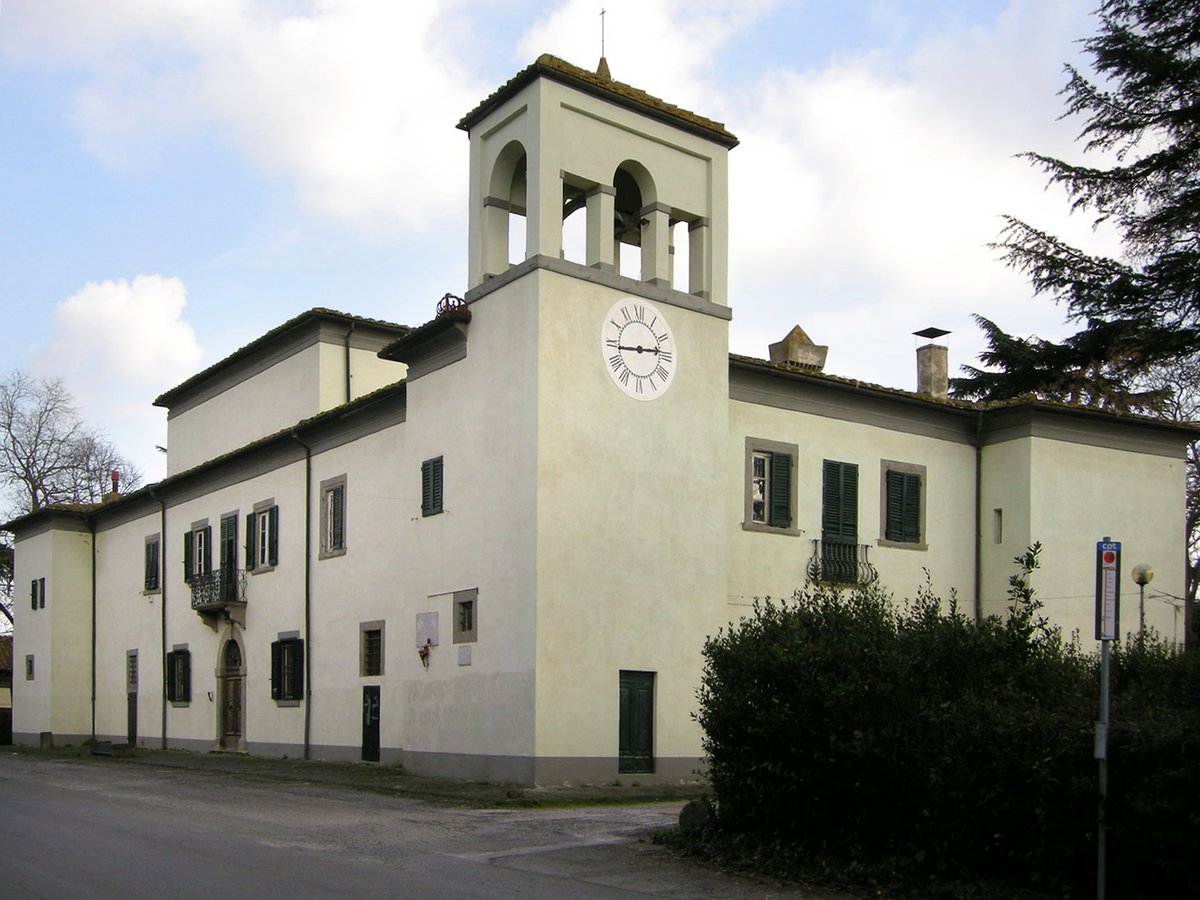
The Villa Medicea di Coltano, commissioned by Cosimo I de’ Medici in the 16th century, is a Renaissance gem in a state of ruin nestled in the Pisan countryside. It offers an authentic experience away from tourist crowds, with simple architecture and a melancholic atmosphere.

  • U-shaped Renaissance architecture with a red brick facade and symmetrical windows
  • Historic park with tree-lined avenues and centuries-old oaks in an agricultural setting
  • Medici hunting and representation residence with a history of abandonment after an 18th-century fire
  • Atmosphere of tranquility and discovery, ideal for walks in the surrounding countryside
Copertina itinerario Villa Medicea di Coltano: Renaissance Ruin of Cosimo I in the Pisan Countryside
Villa Medicea di Coltano in Pisa: A 16th-Century Hunting Lodge in Ruins, with U-Shaped Architecture and Historic Park Set in the Tuscan Countryside. Private Property, Externally Visible.

Good to know


Introduction

Have you ever stumbled upon a place that seems straight out of a Renaissance dream, yet almost no one knows about it? The Medici Villa of Coltano is just that: an architectural gem abandoned in the heart of the Pisan countryside, surrounded by fields and silence. The first time you see it, you’re struck by its melancholic grandeur: the red brick facade stands out against the green, with those symmetrical windows telling centuries of history. It’s not a perfectly restored villa like others in Tuscany, and perhaps that’s precisely its charm: you feel like an explorer uncovering a secret. The atmosphere is suspended, almost surreal, especially when the sunset light caresses the walls. I visited on an autumn afternoon, and the memory of that silence broken only by the wind through the trees has stayed with me. If you love places with a soul, you’ll find a powerful one here, even if it’s a bit asleep.

Historical Notes

The history of this villa is a tapestry of power, abandonment, and missed rebirths. It was commissioned by Cosimo I de’ Medici in the second half of the 16th century as a hunting lodge and a symbol of Florentine control over the Pisan territory. The architect? It’s believed to be Bernardo Buontalenti, that genius who also worked for the Medici family in Florence. Over the centuries, it passed to the House of Lorraine and then to the House of Savoy, but fate was cruel: a fire in the 18th century and progressive abandonment have left it in a state of ruin, despite some attempts at restoration. Today, it is privately owned, and you can see the marks of time everywhere: empty windows, crumbling plaster, but the structure still stands, a witness to a glorious past. The timeline helps understand the key passages:

  • 1550-1570: Construction commissioned by Cosimo I de’ Medici
  • 1700: Severe fire damages the structure
  • 1800-1900: Changes in ownership and progressive abandonment
  • Today: Privately owned, externally visible in a state of ruin

Architecture That Speaks

What strikes you, beyond the history, is how the architecture still tells a story of grandeur. The villa features a U-shaped layout typical of Medici country estates, with a central body and two side wings embracing what must have been a courtyard. Look closely at the details: the windows with sandstone frames, the remains of a monumental staircase inside (if you can peek through the openings), and that side turret that likely served as a belvedere. No frescoes or lavish decorations remain – time has stripped everything bare – but the structure itself is an example of sober Renaissance elegance. It reminded me of certain villas in Val di Noto, but here there’s a more rustic atmosphere, more tied to the land. An interesting detail: some say the symmetries were designed to align with the cardinal points, but I haven’t found definitive confirmation. The fact remains that, even in ruins, the harmony of proportions is palpable.

The Park and the Atmosphere

The villa does not stand alone: it is immersed in what remains of a historic park, now largely wild. There are tree-lined avenues glimpsed through the vegetation, centuries-old oaks, and a silence so profound it feels as if you can hear the past. Walking around, I noticed traces of old Italian-style gardens, perhaps with geometric flowerbeds, but nature has reclaimed everything. It’s a perfect spot for a slow stroll, perhaps with a book in hand, away from the crowds of Pisa. The atmosphere is melancholic but not sad: there is a rare peace, as if the place has accepted its destiny as a sleeping beauty. In spring, the surrounding fields fill with wildflowers, and the contrast with the red bricks is poetic. I recommend taking your time here: it’s not a stop to rush through in five minutes. I spent an hour sitting on a low wall, imagining how it must have been in its days of glory.

Why Visit It

Why is Coltano worth the detour? First, it’s an authentic experience off the tourist trail: you won’t find queues or souvenir shops, just pure history. Second, it’s a rare example of Medici architecture in a state of ruin, allowing you to see how time affects these structures—almost a living history lesson. Third, the landscape setting is enchanting: the Tuscan countryside here is still genuine, with gentle hills and rows of cypress trees in the distance. If you’re tired of the crowds in central Pisa, here you can breathe in an air of tranquility. And then, there’s that thrill of discovery: it feels like you’ve found a hidden treasure, even though it’s actually mentioned in some guidebooks. I added it to my trip almost by chance, and it became one of my most vivid memories.

When to Go

The best time? Late afternoon, especially in spring or autumn. The low-angled sunlight enhances the brick colors and creates long shadows that make everything more dramatic. In summer, it’s hot and you might encounter more insects, but if you go at dawn or dusk, the atmosphere is magical nonetheless. In winter, with fog enveloping the countryside, the place becomes even more mysterious – almost like a gothic film. Personally, I prefer the months of May or October: temperatures are mild, nature is lush or colorful, and you can enjoy the walk without strain. Avoid days of heavy rain, as the surrounding ground can be muddy. Once I visited on a cloudy November day, and that gray sky added a melancholy that, in a way, suited the place.

In the Surroundings

If you’re in Coltano, take the opportunity to explore other lesser-known corners of the Pisa province. A few kilometers away is San Piero a Grado, with its frescoed Romanesque basilica that stands where, according to tradition, Saint Peter landed. It’s a place of spirituality and art, with an intimate atmosphere. Alternatively, head towards the Colline delle Cerbaie: a protected natural area perfect for short hikes or bike rides, among woods and small lakes. If you prefer to stay on the theme of architecture, consider a visit to Villa di Corliano, also in the Pisa area, which is well-preserved and sometimes hosts events. I combined Coltano with San Piero a Grado in half a day, and the contrast between the ruins and the intact basilica was interesting. Remember: this area is full of surprises; you just need to stray a little from the classic routes.

💡 Did You Know…?

The villa is linked to a specific historical episode: it was here that, in 1581, Grand Duke Francesco I de’ Medici hosted the famous court composer and musician Emilio de’ Cavalieri, author of what are considered among the very first operas in the history of music. Imagine, within these walls, the first experiments of melodrama. Another ultra-realistic detail: the Coltano estate was famous for its hunting reserves, populated with fallow deer and wild boar, and for the vast marshes that were reclaimed precisely at the behest of the Medici, transforming an unhealthy territory into fertile farmland. Looking at the villa today, one still perceives that sense of power and control over the territory that was typical of the most influential family of the Tuscan Renaissance.