
The National Gallery of Parma, located in the Palazzo della Pilotta, offers a journey through Emilian painting with masterpieces by Correggio and Parmigianino. The intimate setting allows visitors to admire the works without the crowds typical of large museums, on a tour spanning from the Renaissance to the 19th century.
- Works by Correggio such as the Madonna of Saint Jerome and frescoes in the Camera di San Paolo
- Masterpieces by Parmigianino including the Turkish Slave and the Madonna with the Long Neck
- Thematic rooms like the Correggio Room and the Petitot Gallery with a chronological path
- Intimate and cozy atmosphere in the Palazzo della Pilotta, away from the crowds
Events nearby
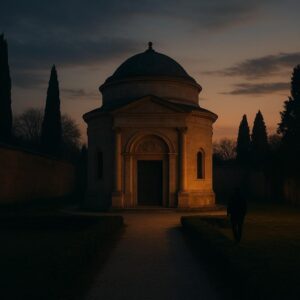
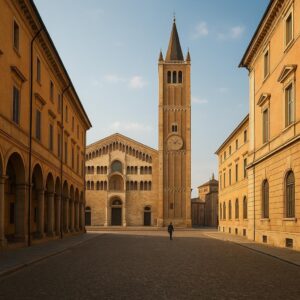

The National Gallery of Parma houses works by Correggio and Parmigianino in the Palazzo della Pilotta, featuring the Camera di San Paolo and Renaissance frescoes in an intimate atmosphere.
- Piazza della Pilotta 6, Parma (PR)
- Open in Google Maps
- View on Google Images Galleria Nazionale a Parma
Good to know
Introduction
Entering the National Gallery of Parma is like opening a Renaissance art book that comes to life. Located within the majestic Palazzo della Pilotta, this gallery welcomes you with an atmosphere that blends history and beauty in every room. It’s not just a museum, but a journey through centuries of creativity, where the works of Correggio and Parmigianino take center stage. Walking through these rooms makes you feel part of a unique heritage, with frescoes that seem to speak to you and paintings that capture your gaze. The environment is elegant yet accessible, perfect for those seeking a cultural experience without frills. Here, art isn’t distant but engages you directly, making every visit memorable.
Historical Overview
The National Gallery originated from the collection of the Farnese Dukes, who began gathering prestigious artworks in the sixteenth century. The Palazzo della Pilotta, constructed between 1583 and 1622, was commissioned by Ranuccio I Farnese as a symbol of ducal power. In the eighteenth century, under Filippo di Borbone, the collection expanded further, becoming a landmark for Emilian art. It officially opened to the public as a museum gallery in 1752, cementing its role as a guardian of masterpieces. Today, following restorations and reinstallations, it continues to shine as a cultural beacon, with works spanning from the Middle Ages to the nineteenth century.
- 1583-1622: Construction of the Palazzo della Pilotta
- 16th century: Formation of the Farnese collection
- 1752: Official public opening
- 19th-21st century: Restorations and collection expansions
Masterpieces by Correggio and Parmigianino
The true soul of the gallery lies in the works of Correggio and Parmigianino, two masters of the Emilian Renaissance. Don’t miss Correggio’s Madonna of Saint Jerome, known as ‘The Day’, where light envelops the figures with a unique tenderness. Parmigianino, on the other hand, will surprise you with the Turkish Slave, a portrait blending elegance and mystery, and with the Madonna with the Long Neck, a work that challenges conventions with its elongated forms. These paintings are not just to be admired, but to be ‘read’: every detail tells stories of devotion, beauty, and artistic innovation. The gallery displays them in dedicated rooms, where you can observe them up close, capturing the nuances that make them immortal.
Salt Rooms and Thematic Routes
The gallery unfolds across multiple levels, with rooms following a chronological and thematic path. Start from the noble floor, where you’ll find Renaissance works, then ascend to the sections dedicated to Baroque and Neoclassicism. Don’t miss the Correggio Room, with frescoes showcasing his genius in rendering light, and the Petitot Gallery, an eighteenth-century space housing portraits and landscapes. The route is well-marked, but I recommend taking your time to explore the less frequented corners as well, where you might discover minor yet equally fascinating works. The lighting is designed to enhance the paintings, creating atmospheres that change with the time of day.
Why Visit It
Visiting the National Gallery offers you three concrete advantages: first, access to unique masterpieces like those by Correggio and Parmigianino, which are rarely seen elsewhere in such high concentration; second, the opportunity to discover Emilian art in an authentic setting, away from the crowds of more famous museums; third, the intimate atmosphere of the Palazzo della Pilotta, which allows you to enjoy the artworks at your own pace, in a cozy and evocative environment. It’s ideal for those who want to delve deeper into Renaissance painting without distractions, while also gaining insights into the history of Parma and its dukes.
When to Go
The best time to visit is early afternoon, when the natural light streaming through the windows of the Palazzo della Pilotta magically illuminates the rooms, enhancing the colors of the paintings. Avoid the morning rush hours if you prefer a more tranquil experience. In terms of season, autumn is particularly enchanting: the warm colors of the season blend harmoniously with the hues of the artworks, and the atmosphere is more intimate, perfect for immersing yourself in art without background noise.
In the Surroundings
Complete your cultural day with a visit to the Baptistery of Parma, just a few minutes’ walk away, where you can admire the 13th-century frescoes and pink marble architecture. If you love art, don’t miss the Farnese Theatre, also located within the Palazzo della Pilotta: a 17th-century wooden jewel that transports you back to the era of ducal splendor. Both sites enrich your itinerary, showcasing other aspects of Parma’s artistic heritage.
Itineraries nearby

💡 Did You Know…?
Legend has it that Correggio, after completing the fresco of the dome of Parma Cathedral, said: ‘I too will be a painter.’ An anecdote that makes admiring his works here even more special. And don’t forget to look for the portrait of Maria Luigia of Austria, Duchess of Parma who loved this city so much.