Introduction
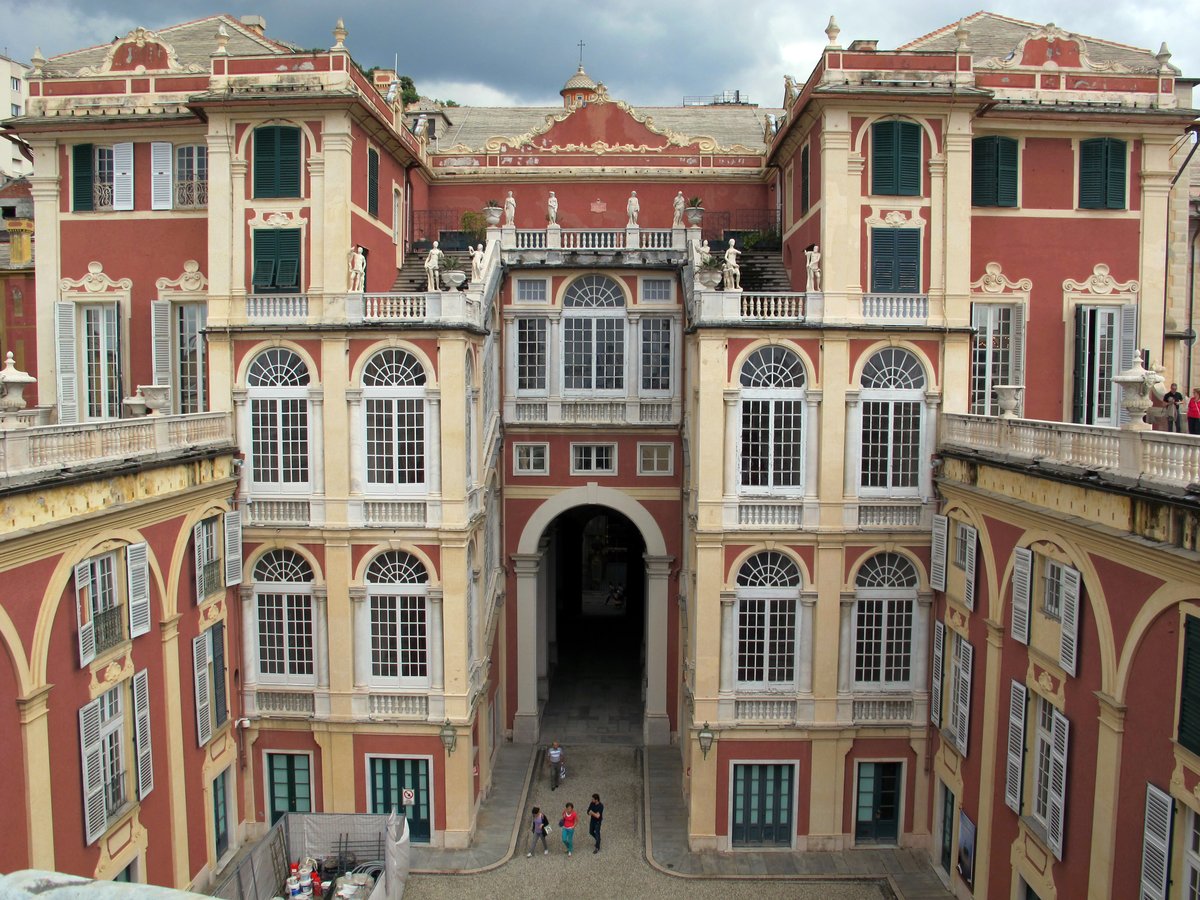
Entering the Royal Palace Museum of Genoa is like stepping back in time, into an era of opulence and power. It’s not just a museum, but a perfectly preserved aristocratic residence that envelops you with its Baroque atmosphere. You’ll find yourself walking through frescoed halls, mirrored galleries, and original furnishings, almost hearing the echo of the footsteps of the doges and kings who once lived here. What immediately strikes you is the feeling of living history, not just observing it. The view of the ancient harbor from the terrace is an unexpected gift that inextricably links the palace to the city.
Historical Overview
The palace’s history is an intricate tapestry woven by Genoese families and royalty. Construction began in 1618 for the Balbi family, then passed to the Durazzo family, who significantly expanded it. A pivotal moment came when
it became the royal residence of the House of Savoy following Liguria’s annexation to the Kingdom of Sardinia in 1815. King Charles Albert and Victor Emmanuel II both stayed here. Acquired by the Italian state in 1919, it opened as a museum in 1954. Each room tells a part of this story, from its mercantile origins to its institutional role.
- 1618: Construction begins for the Balbi family.
- 1705: Transfers to the Durazzo family, with major expansions.
- 1815: Becomes the royal residence of the House of Savoy.
- 1919: Acquired by the Italian state.
- 1954: Opens to the public as a national museum.
The Treasures of the Hall of Mirrors
If there’s one room that leaves you speechless, it’s the Hall of Mirrors. It’s not just beautiful—it’s an explosion of light and gold that seems to multiply the space infinitely. The frescoes by Bolognese artist Angelo Michele Colonna and Agostino Mitelli depict mythological and allegorical scenes, while the large Venetian mirrors reflect every detail. Walking through it is a disorienting experience: you feel observed by your own reflections and by the characters painted on the ceiling. Personally, I lost myself gazing at the details of the polychrome marbles on the sides, often overlooked. It’s the Baroque heart of the palace, and you immediately understand why it was used for grand occasions and to impress important guests.
The Picture Gallery and Hanging Gardens
In addition to the apartments, the museum houses an internationally significant picture gallery, featuring works by Van Dyck, Tintoretto, and Guercino. The collection is displayed in rooms that were once private apartments, allowing you to admire the paintings in their original context. But the real surprise, often overlooked, are the hanging gardens. Small and intimate, they offer a green oasis suspended above the city. From there, you can enjoy a unique view over Genoa’s rooftops and a glimpse of the port. In spring, with flowers in bloom, it’s a magical spot for a quiet break away from the noise of Via Balbi. You’re reminded that you’re in a city palace, yet with its own green lung.
Why Visit It
Visiting the Royal Palace is worthwhile for at least three concrete reasons. First, it is one of the few aristocratic residences in Genoa that is so comprehensively open to the public, with original furnishings that make you feel like you’re in a home, not a cold museum. Second, the art collection is focused and of high quality, without the fatigue of large museums. Third, the location is strategic: it’s in the heart of the historic center, just steps from Stazione Principe and other Rolli palaces. Perfect if you have little time but want to immerse yourself in the most authentic and lavish Genoa. Plus, there are often interesting temporary exhibitions in the smaller spaces.
When to Go
The best time? A winter afternoon, when the low-angled light filters through the windows and warms the halls. In summer, it can be muggy, and the crowds of tourists sometimes spoil the intimate atmosphere. In winter, however, there are fewer people, and the soft light enhances the gold and frescoes, creating spectacular plays of shadow. If you can, avoid weekends and holiday mornings. A candid tip: go around 3:00 PM, when the sun begins to set and the rays illuminate the Hall of Mirrors in a magical way. Autumn, with its clear days, isn’t bad, but winter has what it takes for a more intimate experience.
In the Surroundings
After leaving the palace, immediately immerse yourself in the system of the Rolli Palaces on Via Balbi and Via Garibaldi, a UNESCO World Heritage site. Just a few minutes’ walk away is Palazzo Rosso, with its panoramic terrace overlooking the city. For a complete thematic experience, make a stop at the Royal Palace Museum of Genoa – but wait, it’s the same one! All jokes aside, a stroll towards the Old Port, perhaps for a focaccia from Antica Sciamadda, perfectly rounds out the day between art and authentic flavors. If you appreciate contrast, the nearby Staglieno Cemetery, with its monumental sculptures, offers another facet of 19th-century Genoa.