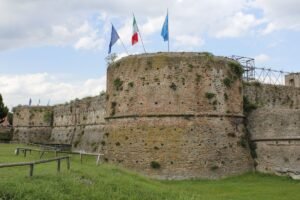
Salvaterra Castle: A Matildic Fortress with Panoramic Views over the Secchia Valley

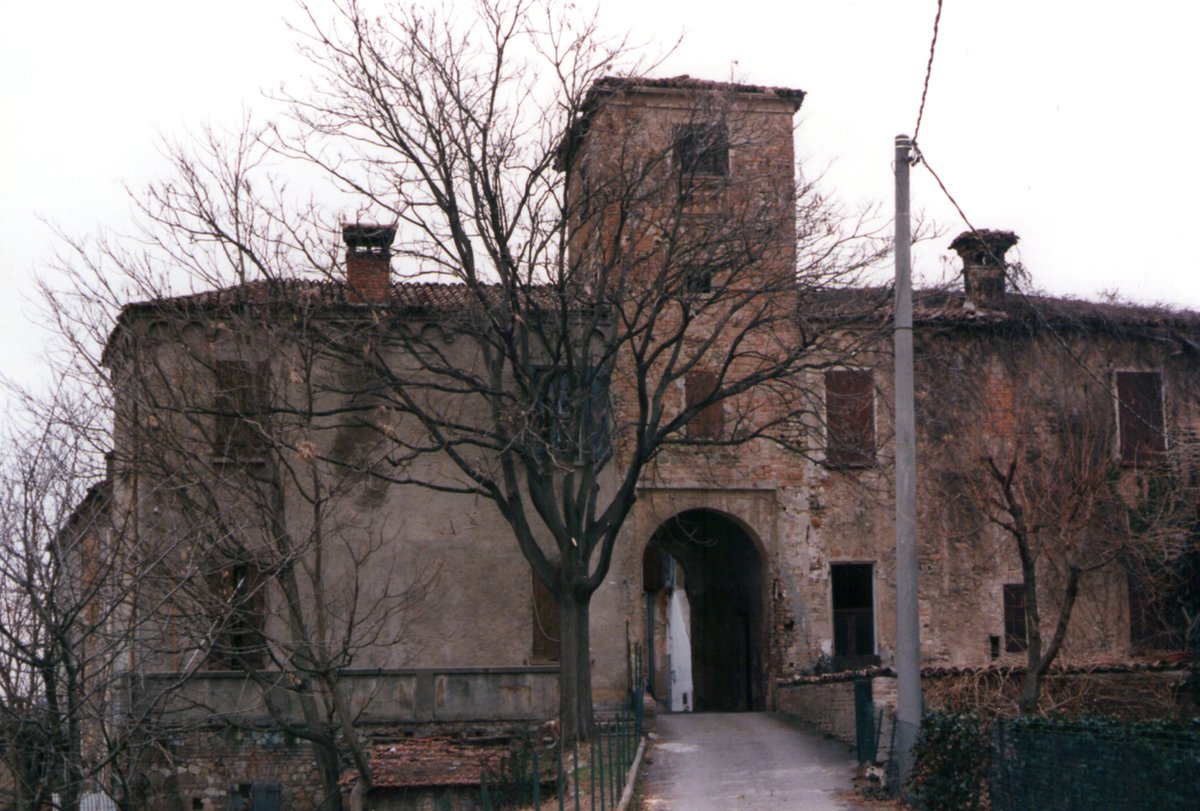
Salvaterra Castle in Casalgrande is an 11th-century medieval fortress, one of the best-preserved Matildic castles in the Reggio Emilia province. The main tower offers breathtaking 360-degree views over the Secchia Valley, while the inner courtyard retains its ancient atmosphere with its original well. The castle is open by appointment and frequently hosts cultural events and weddings, making it ideal for those seeking history without crowds, just minutes from the A1 motorway.

  • 25-meter-high main tower with panoramic views extending to the Apennines
  • Inner courtyard with original well and Renaissance architecture
  • One of the best-preserved Matildic castles in the Reggio Emilia province
  • Open by appointment and venue for cultural events and weddings


Events nearby
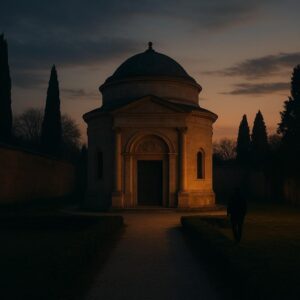

Copertina itinerario Salvaterra Castle: A Matildic Fortress with Panoramic Views over the Secchia Valley
11th-century medieval fortress with a 25-meter-high tower, inner courtyard featuring an original well, and views of the Apennines. Open by appointment, it hosts cultural events and weddings.

Good to know


Introduction

Arriving at Salvaterra Castle is like stepping back in time. This medieval fortress dominates the hill of Casalgrande with its imposing stone structure, offering breathtaking views of the Secchia Valley. It’s not just a monument, but an experience that makes you feel part of Matildic history. The strategic position, perched above the river, makes every photograph an unforgettable memory. The panorama stretches from the Emilian countryside to the first hills of the Apennines, creating a perfect contrast between nature and architecture. Ideal for those seeking an authentic corner away from the chaos, the castle captures attention with its main tower and well-preserved walls. Walking here is a plunge into the past, with that sense of mystery that only ancient places can offer.

Historical Overview

Salvaterra Castle has deep medieval roots, closely linked to the powerful Countess Matilda of Canossa. Built between the 11th and 12th centuries as a defensive outpost, it controlled the communication routes between Reggio Emilia and Modena. In the 14th century, it came under the rule of the Este family, who strengthened its fortifications. During the Renaissance, it lost its military function and became a noble residence, undergoing architectural modifications that softened its appearance. Today, after careful restoration, it is a visitable cultural heritage site that tells centuries of Emilian history.

  • 11th century: first records as a Matildic fortress
  • 12th-13th centuries: expansion under feudal control
  • 14th century: Este dominion and military reinforcement
  • 15th-16th centuries: transformation into a noble residence
  • 21st century: restoration and opening to the public

Tower and Panoramas

The main tower of the castle is the focal point of the visit. Climbing its narrow stone steps leads you to the summit, where you can enjoy a 360-degree view over the Secchia valley and beyond. On clear days, your gaze reaches as far as the peaks of the Tuscan-Emilian Apennines. The structure, standing about 20 meters high, still preserves the original arrow slits used for defense. Inside, the vaulted ceilings and thick walls speak of an era where every detail had a practical function. It’s here that you understand why the feudal lords chose this rocky spur: visual control of the territory was absolute. A tip? Bring your camera: the contrast between the grey stone and the green valley creates unique glimpses, especially at dawn or dusk.

Courtyard and Architecture

The inner courtyard of Salvaterra Castle is a masterpiece of balance between military function and Renaissance elegance. Surrounded by loggias with pointed arches, it once housed stables and service quarters. Today, it’s the vibrant heart of visits, with its still-functioning central well and river cobblestone pavements. You’ll notice decorative details on the columns, evidence of its transformation into a noble residence. The adjacent rooms, when accessible, showcase monumental fireplaces and traces of frescoes recalling court life. It’s a place where you breathe in history: imagine knights preparing for battles or nobles feasting under these vaults. The courtyard’s acoustics amplify every sound, adding an almost theatrical atmosphere.

Why Visit It

Three concrete reasons not to miss Salvaterra Castle: first, the panoramic view from the tower is among the most spectacular in the Reggio Emilia province, perfect for photos and moments of contemplation. Second, the tangible Matildic history: here you can literally touch the origins of medieval power in Emilia-Romagna, without needing complex explanations. Third, the accessibility: it’s reachable with a short walk from Casalgrande, ideal even for those with limited time. Plus, it’s a less crowded alternative compared to other castles in the area, allowing for a peaceful visit. Wear comfortable shoes to explore every corner and don’t forget a water bottle on hot days.

When to Go

The best time to visit the castle is during the autumn sunset, when the warm light enhances the stone colors and the Secchia valley turns golden. In summer, the long days allow you to enjoy the panorama until late, but avoid the midday hours if it’s hot. In spring, the cherry blossoms in the surrounding area add an extra touch of poetry. The atmosphere is particularly evocative on days with light mist, which envelops the manor in mystery. Always check the opening hours before you go, especially in the winter months when the days are shorter.

In the Surroundings

Complete your trip with a visit to the Scandiano Ceramics Museum, just a few kilometers away, where you’ll discover the local craft tradition through historical objects and live demonstrations. For a culinary experience, stop at one of the wineries in the Casalgrande hills, where you can sample Lambrusco and other typical wines paired with Emilian cured meats. Both locations enrich your journey with authentic culture and flavors, while staying true to the historical-rural theme of the area.

Itineraries nearby


💡 Did You Know…?

According to legend, the name Salvaterra comes from a miracle: during a siege, the defenders saw the Madonna appear, who made water spring from the well, saving the castle. The well, still visible, is considered blessed. Furthermore, it is said that a secret passage connected the castle to the nearby Rocca di Sassuolo, used by the lords to escape in case of danger.