Teano Roman Theater: Seating for 10,000 Spectators and Polychrome Marbles

The Teano Roman Theater, dating back to the 1st century BC, is an archaeological gem in the province of Caserta with a cavea that could accommodate 10,000 spectators. Its panoramic location offers breathtaking views of the Campanian plain, while the well-preserved remains allow visitors to imagine ancient performances.

  • Perfectly preserved semicircular cavea with stone seating tiers
  • Stage decorated with polychrome marbles, a rare luxury for the time
  • Natural acoustics that allow even a whisper from the stage to be heard
  • Panoramic location at the foot of Mount Santa Croce with valley views

Copertina itinerario Teano Roman Theater: Seating for 10,000 Spectators and Polychrome Marbles
The Roman theater of Teano, built during the Augustan era, features a well-preserved semicircular cavea, polychrome marbles on the stage, and perfect natural acoustics. Visit this panoramic site at the foot of Mount Santa Croce.

Good to know


Introduction

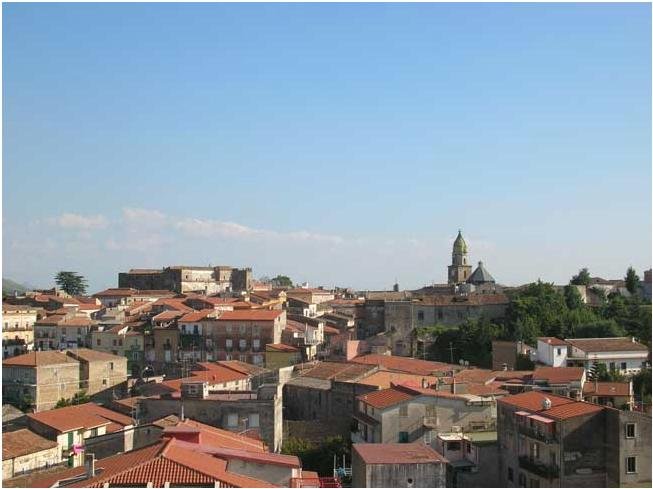
Just outside the town of Teano, the Roman Theatre emerges as an archaeological gem that takes your breath away. Built in a panoramic position, it offers a breathtaking view of the valley and the Trebulani Mountains. It’s not just a historical site, but a sensory experience: imagine sitting on the stone steps, listening to the wind that seems to still carry the echo of ancient performances. This theatre, with its perfectly preserved semicircular cavea, makes you feel part of a thousand-year-old story. It’s a place that combines architectural grandeur with an intimate atmosphere, ideal for those seeking authentic emotions away from the crowds. You’ll discover why Teano, the ancient city of the Sidicini, was a crucial cultural crossroads in Roman times.

Historical Overview

The Roman Theatre of Teano dates back to the 1st century BC, during the Augustan era, and was built at the behest of the powerful local Mamurra family, who were closely linked to Julius Caesar. It served as a vital centre for Sidicine and Roman culture, hosting theatrical performances and public assemblies. In the Middle Ages, parts of the structure were repurposed for rural buildings, but modern excavations have uncovered the orchestra, stage, and much of the cavea. Its history intertwines with pivotal events, such as the Social War of 91–88 BC, which saw Teano side with the Romans. Today, it stands as one of the best-preserved Roman theatres in Campania, a symbol of resilience and identity.

  • 1st century BC: Construction during the Augustan era
  • Roman period: Used for performances and political gatherings
  • Middle Ages: Partially repurposed for agricultural use
  • Modern excavations: Full recovery from the ruins

Architecture and Unique Details

What makes this theatre special are the polychrome marbles that decorated the stage, a rare luxury for the era, testifying to Teano’s opulence. The cavea, partially carved into the hillside, takes advantage of natural acoustics: even a whisper on stage reaches the upper tiers clearly. Observe the vomitoria, the side passages that allowed for orderly crowd flow, a Roman engineering innovation. The remains of the frons scaenae (the stage facade) show niches that once housed statues of deities. Strolling among the seats, you’ll notice Latin inscriptions commemorating local benefactors. It’s an example of how Roman architecture combined functionality and beauty, with materials sourced from nearby quarries in the Trebulani Mountains.

The Timeless Atmosphere

Visiting the Roman Theatre of Teano is not just a history lesson, but an immersion in a suspended atmosphere. On quiet days, the silence is broken only by birdsong and the rustling of the surrounding olive groves. The sunset light caresses the ancient stones, creating plays of shadow that highlight the curves of the cavea. Here, it’s easy to imagine masked actors performing Plautus’ comedies or the audience applauding tragedies. The site is rarely crowded, allowing you to explore every corner at your leisure, from the underground corridors to the panoramic viewpoints. It’s a place that invites reflection, ideal for taking evocative photos or simply sitting and absorbing the energy of a still-vivid past. An experience that connects you with the essence of ancient Campania.

Why Visit It

Three concrete reasons not to miss this gem: first, accessibility is total, with an easy and well-marked path that makes it suitable for everyone, including families with children. Second, the panoramic location offers unique views of the Caserta countryside, perfect for memorable photographs. Third, it’s an authentic and non-commercial site, where you can experience archaeology without distractions, touching Roman history firsthand in a preserved context. Additionally, the information panels explain details such as construction techniques and artifacts found during excavations, enriching the visit without the need for a guide.

When to Go

The best time to visit is the early afternoon, when the low-angled sunlight enhances the stone reliefs and creates a golden atmosphere. Avoid the midday summer hours, which can be muggy. In terms of season, late spring is ideal: the surrounding vegetation is lush, and the mild climate allows you to enjoy every detail at a leisurely pace. If you prefer solitude, weekdays are perfect for exploring in peace, away from the crowded weekends.

In the Surroundings

Complete your experience with a visit to the Archaeological Museum of Teano, which houses artifacts from the theater excavations, including Sidicine statues and ceramics. For a nature immersion, explore the Suio Thermal Baths, known for their sulfurous waters and wellness paths, located a short distance away. Both sites enrich the journey, seamlessly blending history and relaxation into a coherent itinerary.

Itineraries nearby


💡 Did You Know…?

Here in 306 BC, the meeting between Garibaldi and Vittorio Emanuele II took place after the Battle of the Volturno, an event that marked Italian unification. The theatre was accidentally discovered during agricultural work in the 1950s and systematically excavated only from the 1980s onwards. The seating tiers were clad in African marble, and the statues that decorated the stage are now preserved in the Teano Archaeological Museum.