
The Vulci Naturalistic Archaeological Park in Canino combines ancient history and pristine nature across 120 hectares in the Viterbo province. Walk among Etruscan and Roman ruins overlooking the Fiora River, cross the medieval bridge suspended over a canyon, and visit the museum in the Abbey Castle with unique artifacts.
- Millennia-old Etruscan ruins and Roman remains such as the Forum and the Great Temple
- The Abbey Bridge, a Roman bridge modified in medieval times, spanning the Fiora River canyon
- National Archaeological Museum in the Abbey Castle featuring Etruscan bronzes, vases, and jewelry
- Nature trails through ancient oaks, flowering meadows, and protected wetland areas with wildlife
Events nearby


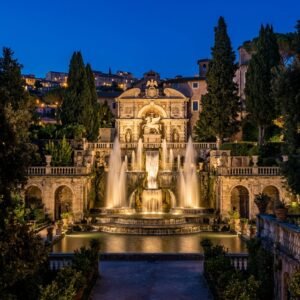

Vulci Naturalistic Archaeological Park in Canino: Etruscan and Roman ruins, the Abbey Bridge over the canyon, National Museum with Etruscan artifacts, and nature trails in the Maremma region of Lazio.
Good to know
Introduction
The Vulci Archaeological and Natural Park welcomes you with a unique footprint in Lazio: here, millennia-old Etruscan ruins blend with wild, untouched nature. Walking among the remains of the ancient city of Vulci, overlooking the Fiora River, is an experience that strikes you with the contrast between the silence of the monuments and the bustling life around. The park, spanning 120 hectares, gives you the thrill of discovering a site where Etruscan and Roman history can be touched firsthand, while the Lazio Maremma envelops you with the scents of Mediterranean scrub. It’s not just an archaeological visit: it’s a plunge into a landscape that seems suspended in time, ideal for those seeking authenticity away from the crowds.
Historical Overview
Vulci was one of the most powerful Etruscan city-states, flourishing between the 7th and 3rd centuries BC, renowned for its trade in metals and ceramics. Conquered by the Romans in 280 BC, it maintained its importance until the medieval decline. Nineteenth-century excavations uncovered necropolises and artifacts now displayed in the Abbey Castle, while the archaeological site reveals the Roman Forum and the Great Temple. Its strategic position on the Fiora River made it a crossroads of cultures, as evidenced by findings of Greek and Phoenician objects.
- 8th century BC: Birth of the Etruscan settlement
- 280 BC: Roman conquest
- 19th century: Systematic archaeological excavations
- Today: Natural-archaeological park open to the public
The Abbey Castle and the Bridge
The Abbey Castle, with its majestic silhouette dominating the Fiora gorge, houses the National Archaeological Museum of Vulci. Here you’ll admire unique artifacts such as Etruscan bronze statuettes and Attic ceramics, while the view of the medieval humpback bridge will leave you breathless. The bridge, built in Roman times and modified during the Middle Ages, connects the two riverbanks and is perfect for breathtaking photographs. Crossing it means walking the same path traveled by merchants and pilgrims centuries ago, with the sound of the Fiora’s waters accompanying every step.
Nature and Trails in the Park
Beyond archaeology, Vulci is a paradise for nature lovers. Well-marked trails lead you through flowering meadows, oak woodlands, and wetlands where herons and mallards nest. The route along the Fiora River is particularly scenic: here, clear water flows between volcanic rocks, creating small waterfalls and natural pools. The variety of habitats supports rich biodiversity, with protected species like the freshwater crab and rare plants of the Mediterranean scrubland. It’s ideal for a refreshing walk, perhaps with binoculars to observe the local wildlife.
Why Visit
Visit Vulci for three concrete reasons: first, experience Etruscan history firsthand in an authentic setting, far from reconstructions; second, immerse yourself in a natural oasis where archaeology and biodiversity blend seamlessly, perfect for a day outdoors; third, discover unique photo opportunities like the medieval bridge over the Fiora River or the ruins of the Great Temple, which will give you unforgettable memories without needing special equipment.
When to Go
The most enchanting time to visit Vulci is in spring, when meadows burst with wildflowers and the weather is perfect for comfortable walks without the summer heat. Avoid the midday hours in summer: early morning or late afternoon are better, when the slanting light enhances the colors of the ruins and the park is cooler. In autumn, the warm tones of the vegetation create picture-perfect atmospheres, with fewer visitors around.
In the Surroundings
Complete your experience with a visit to the village of Canino, famous for its DOP olive oil and the remains of Luciano Bonaparte’s residence, Napoleon’s brother. Nearby, Lake Bolsena offers tranquil beaches and boating opportunities, perfect for a picnic after your archaeological discovery.
Itineraries nearby

💡 Did You Know…?
A local legend says that beneath the Abbadia Bridge lies an Etruscan treasure, never found. In reality, the true treasure is the sunset view, when the sun paints the ancient stones and the canyon in shades of red. If you’re lucky, you might encounter foxes or wild boars along the less-traveled paths, adding a touch of wilderness to your visit.