Introduction
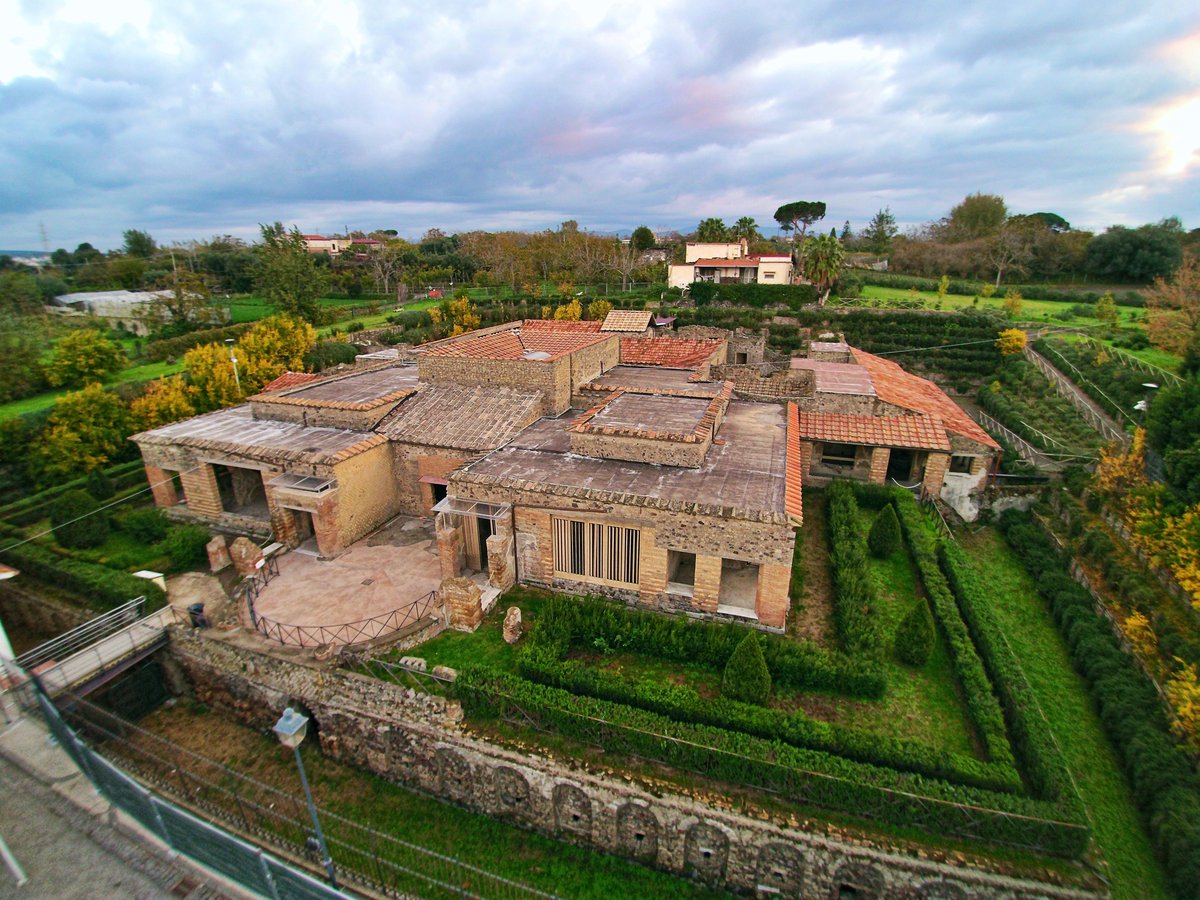
If there’s one place in Pompeii that leaves you breathless, it’s the Villa of the Mysteries. Just outside the city walls, on a hill overlooking the Gulf of Naples, this Roman villa is a gem of art and mystery. Its name comes from the incredible frescoes in the triclinium: life-sized scenes of Dionysian rites, with that vivid Pompeian red that looks freshly painted. Stepping inside is like diving into the past, among mythological figures, ecstatic dances, and sacred symbols. It’s not just a museum; it’s an enveloping experience.
Introduction
If there’s one place in Pompeii that leaves you breathless, it’s the Villa of the Mysteries. Just outside the city walls, on a hill overlooking the Gulf of Naples, this Roman villa is a gem of art and mystery. Its name comes from the incredible frescoes in the triclinium: life-sized scenes of Dionysian rites, with that vivid Pompeian red that looks freshly painted. Stepping inside is like diving into the past, among mythological figures, ecstatic dances, and sacred symbols. It’s not just a museum; it’s an enveloping experience.
Historical Overview
Built in the 2nd century BC as a villa for leisure (otium), the Villa of the Mysteries reached its peak between 80 and 70 BC, when the triclinium was decorated. After the earthquake of 62 AD, it was converted into a rustic villa for wine production. The eruption of Vesuvius in 79 AD buried it under ash and lapilli. It was rediscovered between 1909 and 1930 thanks to the excavations of Amedeo Maiuri. The original name was Villa Item, later changed. During World War II it suffered bomb damage, but the frescoes survived. Here is a timeline:
Historical Overview
Built in the 2nd century BC as a villa for leisure (otium), the Villa of the Mysteries reached its peak between 80 and 70 BC, when the triclinium was decorated. After the earthquake of 62 AD, it was converted into a rustic villa for wine production. The eruption of Vesuvius in 79 AD buried it under ash and lapilli. It was rediscovered between 1909 and 1930 thanks to the excavations of Amedeo Maiuri. The original name was Villa Item, later changed. During World War II it suffered bomb damage, but the frescoes survived. Here is a timeline:
The Dionysian Cycle
The absolute masterpiece is the fresco cycle of the triclinium: 17 meters long and 3 meters high, running across all four walls. The scenes, to be read clockwise, depict an initiation rite into the Mysteries of Dionysus. Female figures, satyrs, a boy reading a scroll, a priestess, and at the center Dionysus with Ariadne. The sequence culminates in an ecstatic dance and a ritual flagellation. The colors are dominated by Pompeian red, using buon fresco technique and delicate chiaroscuro. Every detail is designed to convey a mystical and sacred atmosphere.
The Dionysian Cycle
The absolute masterpiece is the fresco cycle of the triclinium: 17 meters long and 3 meters high, running across all four walls. The scenes, to be read clockwise, depict an initiation rite into the Mysteries of Dionysus. Female figures, satyrs, a boy reading a scroll, a priestess, and at the center Dionysus with Ariadne. The sequence culminates in an ecstatic dance and a ritual flagellation. The colors are dominated by Pompeian red, using buon fresco technique and delicate chiaroscuro. Every detail is designed to convey a mystical and sacred atmosphere.
Daily Life and Recent Discoveries
Beyond the frescoes, the villa offers a glimpse into Roman daily life. In the pars rustica is the torcularium, a wine press adorned with a ram’s head. Kitchens, ovens, and slave quarters complete the picture. Then there are the recent discoveries: a cocciopesto bench where clientes waited for their patron, and graffiti with dates and names. The original monumental entrance, rooms in Third Style Pompeian, and a stretch of paved road have also emerged. These finds provide insight into social life and the contrast between luxury and labor.
Daily Life and Recent Discoveries
Beyond the frescoes, the villa offers a glimpse into Roman daily life. In the pars rustica is the torcularium, a wine press adorned with a ram’s head. Kitchens, ovens, and slave quarters complete the picture. Then there are the recent discoveries: a cocciopesto bench where clientes waited for their patron, and graffiti with dates and names. The original monumental entrance, rooms in Third Style Pompeian, and a stretch of paved road have also emerged. These finds provide insight into social life and the contrast between luxury and labor.
Why Visit
1. World-unique frescoes: the Dionysian cycle is among the best-preserved from antiquity, with colors that look fresh from the day. 2. Breathtaking view: from the terrace, you can enjoy a panorama that embraces Pompeii and the Gulf of Naples, especially at sunset. 3. A menu of recent history: the 2023 discoveries add a piece to daily life, with the bench of the clientes humanizing the archaeological site.
Why Visit
1. World-unique frescoes: the Dionysian cycle is among the best-preserved from antiquity, with colors that look fresh from the day. 2. Breathtaking view: from the terrace, you can enjoy a panorama that embraces Pompeii and the Gulf of Naples, especially at sunset. 3. A menu of recent history: the 2023 discoveries add a piece to daily life, with the bench of the clientes humanizing the archaeological site.
When to Visit
If you want to enjoy the villa in peace, choose early morning or late afternoon. The raking light illuminates the frescoes, making the colors even more vivid. Avoid the middle hours (11am-2pm) when the crowd is largest. Spring and autumn have ideal weather, but winter also offers fewer tourists. And, if you can, plan for sunset: the view over the Gulf from here is pure poetry.
When to Visit
If you want to enjoy the villa in peace, choose early morning or late afternoon. The raking light illuminates the frescoes, making the colors even more vivid. Avoid the middle hours (11am-2pm) when the crowd is largest. Spring and autumn have ideal weather, but winter also offers fewer tourists. And, if you can, plan for sunset: the view over the Gulf from here is pure poetry.
Nearby
Just a few steps away, still within the archaeological site, don’t miss the Forum of Pompeii with its temples and basilicas, or the House of the Faun with the Alexander Mosaic. If you have time, visit the Archaeological Museum of Naples (MANN) which houses many artifacts from Pompeii, including statues and mosaics. Alternatively, just outside, stop by the Villa of Diomedes, another suburban villa with a beautiful garden.
Nearby
Just a few steps away, still within the archaeological site, don’t miss the Forum of Pompeii with its temples and basilicas, or the House of the Faun with the Alexander Mosaic. If you have time, visit the Archaeological Museum of Naples (MANN) which houses many artifacts from Pompeii, including statues and mosaics. Alternatively, just outside, stop by the Villa of Diomedes, another suburban villa with a beautiful garden.