Introduction
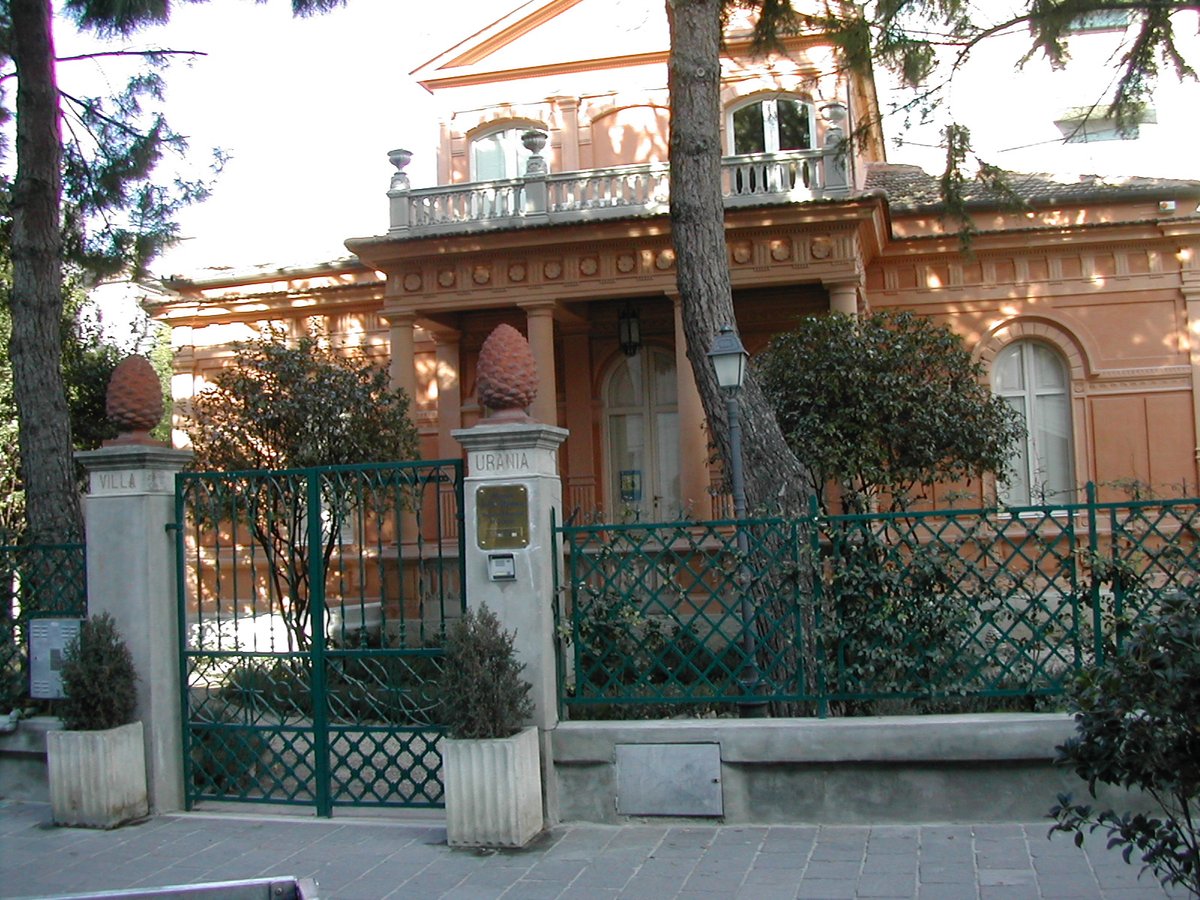
Walking along Via Regina Margherita, just steps from the center of Pescara, you might stumble upon an unexpected oasis. Villa Urania isn’t just a historic residence; it’s a sight that makes you stop in your tracks. Its Art Nouveau architecture, with those curved lines and floral stucco decorations, feels like an invitation to another era. And then there are those gardens, tended with a dedication that’s immediately noticeable. It’s not a closed museum but a corner of the city that breathes, perfect for a cultural break away from the chaos. I assure you, even if you’re not an architecture enthusiast, the discreet elegance of this place leaves a lasting impression.
Historical Overview
The villa was built at the beginning of the twentieth century, a golden age for Art Nouveau architecture in Abruzzo. It was constructed as a private residence for a wealthy family from Pescara’s bourgeoisie. It never hosted kings or famous figures from the history books, and perhaps that is precisely its charm: it tells a local, intimate story. Over the years, it changed owners and purposes but always maintained its elegant identity. Today, after careful restoration, it has regained its splendor as a cultural and representative space, open to the city. A timeline to outline key moments:
- Early 1900s: Construction of the villa in Art Nouveau style.
- Last century: Use as a private residence and subsequent changes in ownership.
- Recent years: Conservative restoration and opening to the public as a city cultural asset.
The Details That Tell a Story
What strikes you, upon closer inspection, are the details. The wrought-iron railings with scroll and floral motifs—each balcony resembles lacework. And the stained-glass windows? When the light plays through them, they create incredible color effects inside. Then there are the original graniglia floors, a mosaic of small pebbles that speaks to the craftsmanship of a bygone era. Even the fireplaces, when you see them, have their own decorated grandeur. It’s not a sterile museum-house; you can feel it has been lived in. Sometimes I wonder who walked through those rooms and what they saw from the same windows.
The Garden, a Green Living Room
The real secret of Villa Urania, in my opinion, lies outside. The garden is not just a lawn; it’s a project. Tree-lined avenues invite a leisurely stroll, geometric flowerbeds with seasonal blooms that change their color palette every few months. There are ancient trees that provide precious shade in summer. It’s the perfect place to read a book, have a quiet chat, or simply take your eyes off the asphalt. I find it much more authentic than many public parks because of its meticulous care. In winter, with the sunset lights, it takes on a melancholic and beautiful atmosphere.
Why Visit It
I recommend it for three concrete reasons. First: it’s a concentration of accessible Art Nouveau beauty, with no entrance fee for the exterior. Second: it offers an oasis of silence and greenery in the heart of the city, something rare in Pescara. Third: it’s a perfect example of how a historic property can come back to life without becoming a relic, but remaining part of daily life. It’s not a destination for hours, but for that quarter of an hour that rejuvenates you during a city stroll.
When to Go
The best time? Late afternoon, especially in spring or early autumn. The low-angle sunlight enhances the colors of the facade and gardens, creating long shadows and a truly enchanting atmosphere. In summer, midday can be very hot, while in winter the garden is more bare but still elegant. If you want to see the flowers in full bloom, April and May are fantastic. But even an early Saturday morning, when there are few people, has its charm.
In the Surroundings
After leaving Villa Urania, you have two interesting thematic options. If the Liberty architecture impressed you, take a short trip to the Museum of the People of Abruzzo, not far away. In addition to the ethnographic collections, the building itself (the former slaughterhouse) is a piece of the city’s industrial history with interesting stylistic references. Alternatively, for a total contrast, walk to the Pescara seafront and its sea bridge. You’ll go from the intimacy of a historic garden to the open spectacle of the Adriatic Sea, a nice change of scenery.