
🧭 What to Expect
- Ideal for a cultural weekend in Emilia-Romagna, blending Malatesta history and city life.
- Highlights: the UNESCO Malatestiana Library unique in the world, the Rocca with views over the plain, the 19th-century Bonci Theatre.
- Includes an interactive map with all stops and routes in the pedestrian historic center.
- Discover Renaissance corners like the Masini Fountain in Piazza del Popolo and the Veneziana Loggia.
- Complete the tour with museums, archaeological parks, and impeccably preserved historic residences.
Cesena welcomes you with its perfectly preserved medieval historic center, where every stone tells centuries of history. The city is famous for the Malatesta Library, the only example in the world of a perfectly preserved humanistic conventual library in its building, structure, and book collection, recognized by UNESCO. The Malatesta Fortress dominates the skyline from Garampo hill, offering breathtaking views of the city and the plain. Strolling through the city center streets, you'll discover the Masini Fountain in Piazza del Popolo, a Renaissance masterpiece, and the Alessandro Bonci Theatre, a temple of opera and drama. Cesena isn't just history: it's a living city, with its markets, artisan workshops, and Romagna food and wine traditions that you can feel in every corner.
Overview
Malatestiana Library
- Go to the page: Malatestiana Library Cesena: 348 Illuminated Codices from 1454 in the UNESCO Hall
- Piazza Maurizio Bufalini 1, Cesena (FC)
- Open in Google Maps
- View on Google Images
 The Malatestiana Library in Cesena is a breathtaking gem not only for its beauty, but for being the only humanist library in the world that has reached us completely intact. Entering the original reading room from 1454 means taking a leap back in time: the dark wooden desks, manuscripts still chained to the writing tables, the suspended atmosphere that preserves the scent of history. Here you can see with your own eyes how Renaissance scholars studied, with the 348 codices still in their places, including precious texts on medicine, law, and philosophy. The structure commissioned by Malatesta Novello is a perfect example of Renaissance architecture, with the central nave ending in the famous small temple containing the most valuable collection. Observe the details: the column capitals, the terracotta flooring, the windows filtering light just as they did five centuries ago. To understand the importance of this place, one fact suffices: it was the first Italian cultural asset included in UNESCO's Memory of the World Register. This is not a static museum, but a living place where scholars still consult manuscripts today, maintaining that continuity of use that makes it unique in Emilia-Romagna and the world. The guided tour is essential to grasp every detail, from binding techniques to the Malatesta symbols hidden among the pages.
Malatesta Fortress
- Go to the page: Malatesta Fortress of Cesena: Towers, Walkways and Panoramic View over Romagna
- Via Malatesta Novello, Cesena (FC)
- Open in Google Maps
- View on Google Images
 The Malatesta Fortress is the symbol of Cesena, a medieval stronghold that rises on Garampo Hill, dominating the entire city. Built in the 15th century at the behest of Domenico Malatesta Novello, it represents one of the best-preserved examples of Renaissance military architecture in Emilia-Romagna. The structure consists of two main sections: the Main Tower, standing 30 meters high, and the Keep, connected by a patrol walkway that offers a 360-degree panoramic view over the Romagna plain. Climbing the tower reveals clear views of the historic center's rooftops, the Malatestiana Library - another Malatesta gem - and on clear days, you can even see the Adriatic Sea. Inside the fortress is the Museum of Agricultural History, which documents the rural traditions of the Cesena area through original tools and reconstructions. Particularly interesting is the section dedicated to vine cultivation, with specific references to local wines like Sangiovese di Romagna. The fortress regularly hosts temporary exhibitions and cultural events, maintaining its role as a community hub. Access to the complex is easy thanks to an elevator that reaches the main courtyard level, while climbing to the top of the tower requires navigating a spiral staircase of 115 steps. The entrance ticket includes museum admission and access to all areas of the fortress.
Alessandro Bonci Theatre
- Go to the page: Cesena's Bonci Theatre: Perfect Acoustics and Gilded Boxes Since 1846
- Piazza Mario Guidazzi, Cesena (FC)
- Open in Google Maps
- View on Google Images
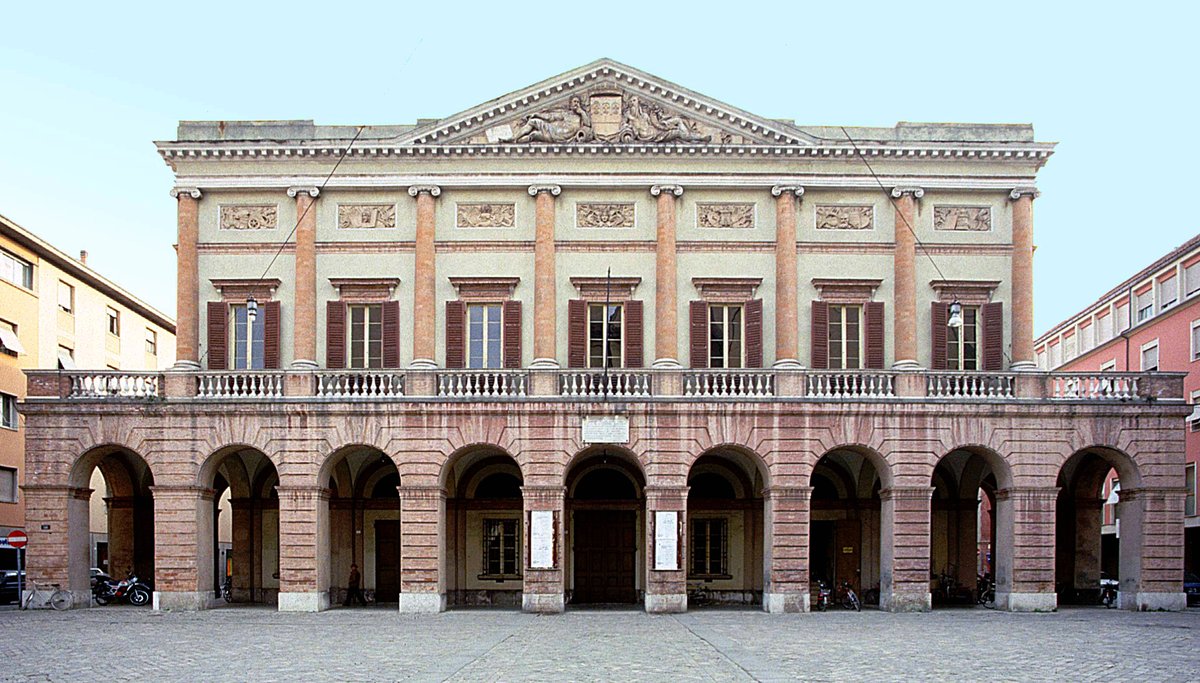 The Alessandro Bonci Theatre stands as one of the most significant historic theatres in Emilia-Romagna, constructed between 1843 and 1846 based on architect Vincenzo Ghinelli's design. Its Neoclassical facade, crafted from Cesena brick, is distinguished by the elegance of its forms and the sobriety of its lines, characteristic of 19th-century theatre architecture. Upon entering, visitors are captivated by the horseshoe-shaped hall with four tiers of boxes and the gallery, accommodating approximately 800 spectators. The ceiling is adorned with Giovanni Folli's painting depicting Apollo and the Muses, while the historic curtain portrays Julius Caesar founding the city of Cesena. What makes this theatre truly unique is its exceptional acoustics, the result of meticulous design that allows every note to be fully appreciated during operatic performances and concerts. Today, the Bonci is recognised as a theatre of tradition by the Ministry of Culture, featuring a season that spans from opera to drama, ballet to symphonic concerts. Its programming also includes showcases dedicated to emerging talents and family-friendly performances, maintaining a strong connection with the local community through collaborations with cultural institutions such as the Malatestiana Library. Guided tours are available for visitors, offering anecdotes about its history, including the inaugural performance of Alessandro Nini's opera 'Luisa Strozzi' and the restorations that have preserved the original stucco decorations and gilding.
Masini Fountain
- Salita Matteo Nuti, Cesena (FC)
- Open in Google Maps
- View on Google Images
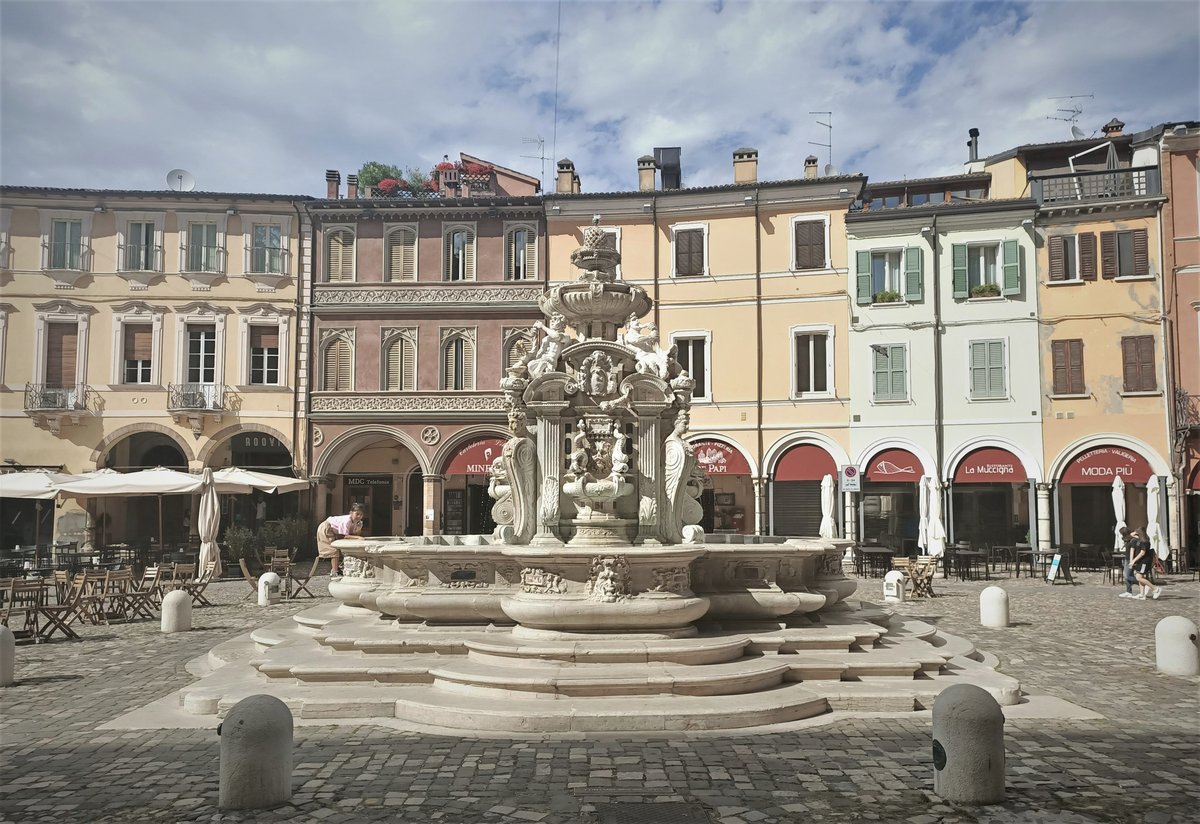 The Masini Fountain stands in Piazza del Popolo, Cesena's elegant main square, and is not just a fountain but a true symbolic monument of the city. Built in 1591 by architect Francesco Masini, it represents one of the best-preserved examples of Renaissance art in Emilia-Romagna. The octagonal structure, made of white Verona marble and Istrian stone, is adorned with four dolphins spouting water into the basins below, while a central column rises topped by a statue of St. John the Baptist, Cesena's patron saint. The sculptural details, such as the masks and scrolls, show the typical Tuscan influence of the period. The fountain has always been a gathering point for the people of Cesena: here horses were watered, water was drawn, and today it's the perfect spot for a break while exploring the historic center. Its location, facing the City Hall and near the Venetian Loggia, makes it ideal for immersing yourself in the city's Renaissance atmosphere. Known as the 'Public Fountain', it has been restored several times, most recently in 2018, preserving its elegance intact. Observe it at sunset, when the warm light enhances the marble's chiaroscuro, or in the morning when the square is quieter. It's a concrete example of how art can integrate into daily life, much like the historic fountains of Bologna or Ferrara.
Municipal Art Gallery
- Vicolo Morsiani, Cesena (FC)
- Open in Google Maps
- View on Google Images
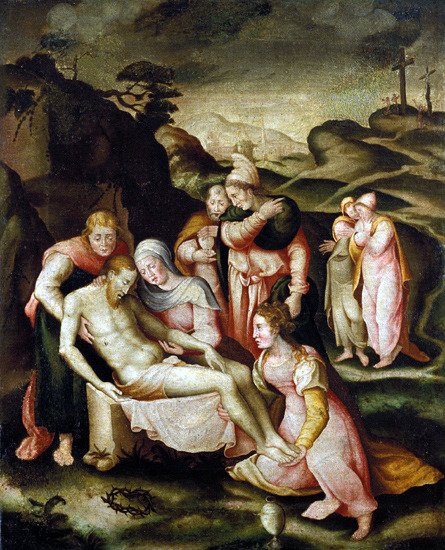 The Municipal Art Gallery of Cesena is a true hidden gem in the heart of the historic centre, housed within the Palazzo del Ridotto overlooking Piazza del Popolo. This museum collects artworks mainly from suppressed churches and convents in the Cesena area, offering a journey spanning from the Middle Ages to the 18th century. Among the most significant pieces stand out the panels by Cristoforo da Bologna, a 14th-century Emilian artist known for his refined technique and intense colours, and the polyptych by Jacobello di Bonomo which testifies to the artistic links between Romagna and Venice. The collection also includes works by Marco Palmezzano, a Forlì painter who worked extensively in Cesena, and a section dedicated to wooden sculpture with medieval crucifixes and madonnas. Particularly interesting is the collection of ex-votos and devotional objects that narrate local popular religiosity. The art gallery unfolds across several thematic rooms, with a display that enhances both major works and minor artefacts, creating a dialogue between sacred art and city history. The visit concludes with the 18th-century section, where canvases by Romagnol artists influenced by contemporary Bolognese painting stand out.
Venetian Loggia
- Via Fra' Michelino, Cesena (FC)
- Open in Google Maps
- View on Google Images
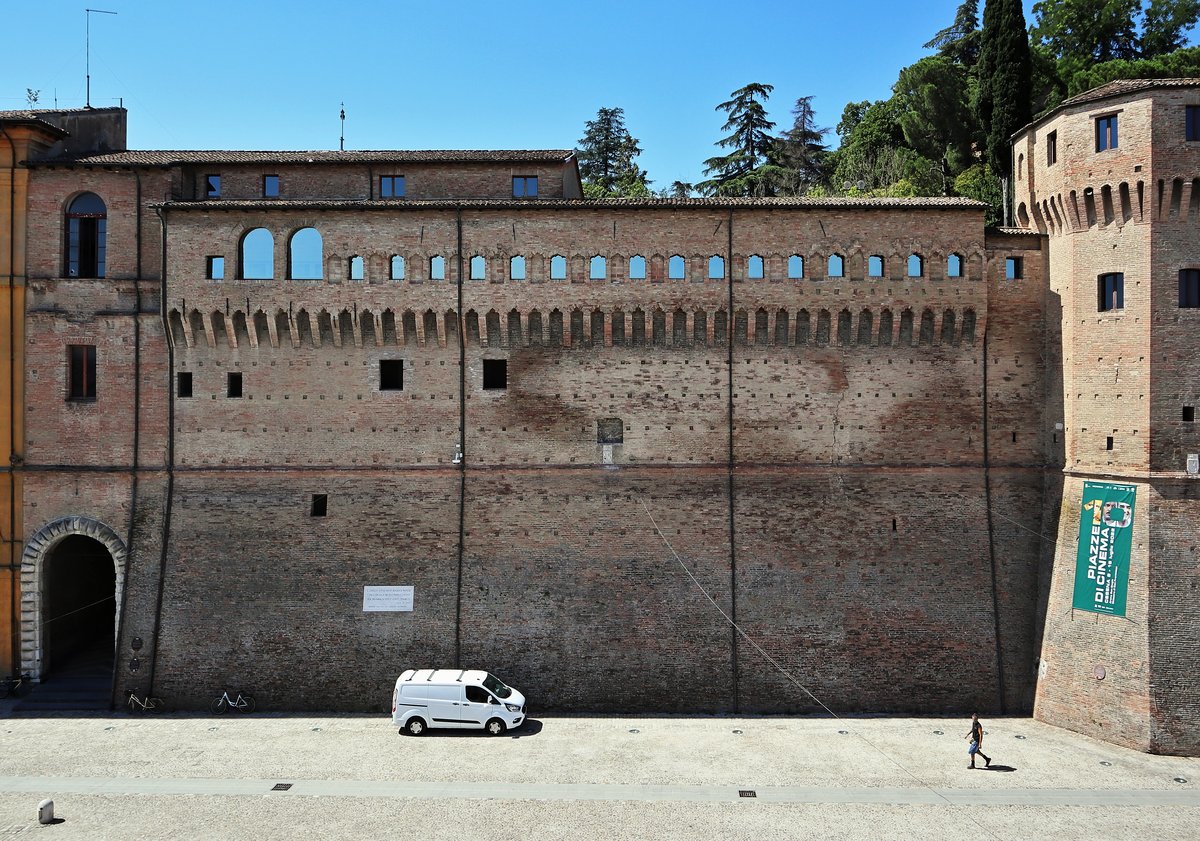 The Venetian Loggia is one of those places that surprises you with its discreet elegance, nestled within Cesena's urban fabric like an architectural jewel. Located in Piazza del Popolo, right opposite the majestic Rocca Malatestiana, this structure dates back to the 16th century and represents a rare example of Venetian influence in Emilia-Romagna. It was built as the seat of the Venetian governor during the brief rule of the Serenissima over Cesena, between 1500 and 1509. Its architecture stands out for its sober lines and Renaissance balance, with rounded arches and stone decorations reminiscent of Venetian palaces. Today, the loggia hosts temporary exhibitions and cultural events, maintaining its original vocation as a meeting point. Observe it up close: you'll notice the details of the carved capitals and the perfect symmetry that distinguishes it from the surrounding buildings. It's a place that tells a specific chapter of Cesena's history, when the city became a Venetian outpost in Romagna. Its central location makes it a must-see stop during your visit to the historic center, ideal for a break before climbing up to the fortress or exploring the nearby Malatestiana Library. As an example of Renaissance architecture in Emilia-Romagna, the Venetian Loggia demonstrates how cultural influences intertwined in the region, creating a unique and recognizable heritage.
Cesena Archaeological Museum
- Via Cesare Montalti, Cesena (FC)
- Open in Google Maps
- View on Google Images
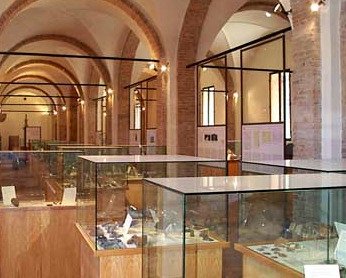 The Cesena Archaeological Museum is located in the heart of the historic center, within the former monastery of Santa Maria del Monte, a building that's worth visiting in its own right. The exhibition guides you through a chronological journey starting from the Neolithic period, with artifacts discovered in the Garampo Hill area, all the way to the Roman and medieval ages. Among the most significant pieces are the Attic ceramics from the Pievesestina necropolis, which testify to the area's trade networks even in ancient times, and materials from the Via Strinati excavation, which revealed traces of a Roman settlement. The section dedicated to the Malatesta period includes everyday objects and coins that help reconstruct life in 15th-century Cesena. The museum is small but well-organized, with clear explanatory panels and some reconstructions that make the artifacts more immediately understandable. If you visit the nearby Garampo Hill Archaeological Park, you'll find a direct connection with what you've seen in the museum. Admission is affordable and often included in combined tickets with other city sites, such as the Malatestiana Library.
Guerrini Bratti Palace
- Via Chiaramonti, Cesena (FC)
- Open in Google Maps
- View on Google Images
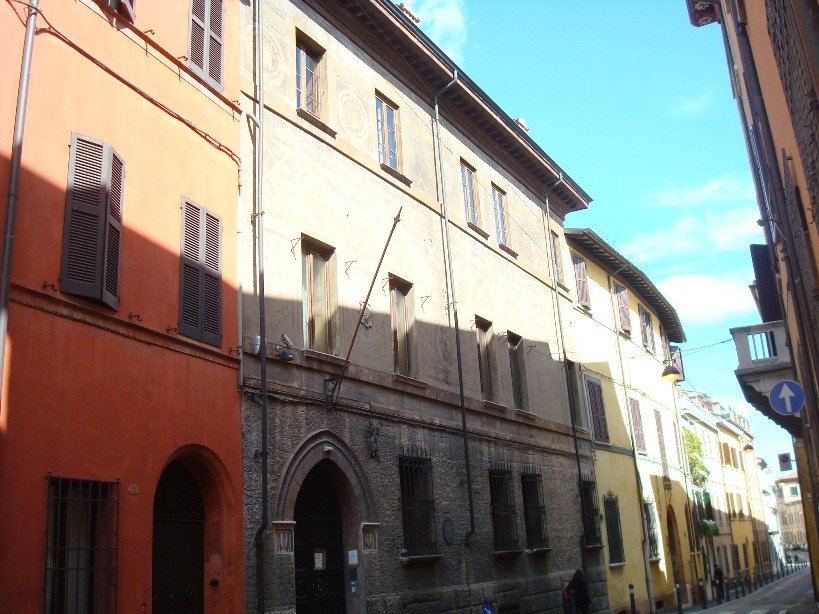 If you're looking for a corner of Cesena's history that speaks of art and power, Guerrini Bratti Palace is the perfect stop. This Renaissance building, located on Via Montalti, stands out for its brick facade and architraved windows that tell centuries of city life. Built in the 16th century, it was the residence of the Bratti family, local notables linked to the commercial activities of Romagna. Today, it houses public offices, but access to the internal courtyards is generally permitted: here, you'll immediately notice the Istrian stone portal, a detail that recalls Venetian influence in the region. Inside, the spaces preserve coffered ceilings and traces of frescoes, although they're not always visitable without a reservation. For architecture lovers, it's an example of how Emilian-Romagnol noble residences combined elegance and practicality, with spaces designed for daily life and social relations. If you pass by here, stop to observe the decorative details on the frames: small signs that make this palace unique, away from tourist flows but central to understanding Cesena.
Garampo Hill Archaeological Park
- Via Garampa, Cesena (FC)
- Open in Google Maps
- View on Google Images
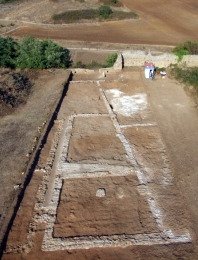 The Garampo Hill Archaeological Park is a place that transports you directly to the heart of medieval Cesena. Located right in the historic center, this site preserves the remains of the Old Fortress, the stronghold that preceded the current Malatesta Fortress. Walking along the park's paths, you can observe the foundations of the ancient walls and towers that protected the city between the 12th and 14th centuries. What makes this place special is its historical stratification: excavations have uncovered artifacts ranging from the Roman era to the Middle Ages, offering a comprehensive view of Cesena's urban development. A concrete example is the discovery of ceramics and coins that testify to the city's trade with other centers in Emilia-Romagna, such as Bologna and Ravenna. The park is perfect for a relaxing visit: the trails are well-marked and benches allow you to pause while admiring the city panorama. On weekends, guided tours are often organized that delve deeper into the site's history, with explanations about the construction techniques of the period. For those who want to understand Cesena's origins, this is an essential starting point, more intimate and less crowded than the nearby Malatesta Fortress.
Porta Montanara
- Via Malatesta Novello, Cesena (FC)
- Open in Google Maps
- View on Google Images
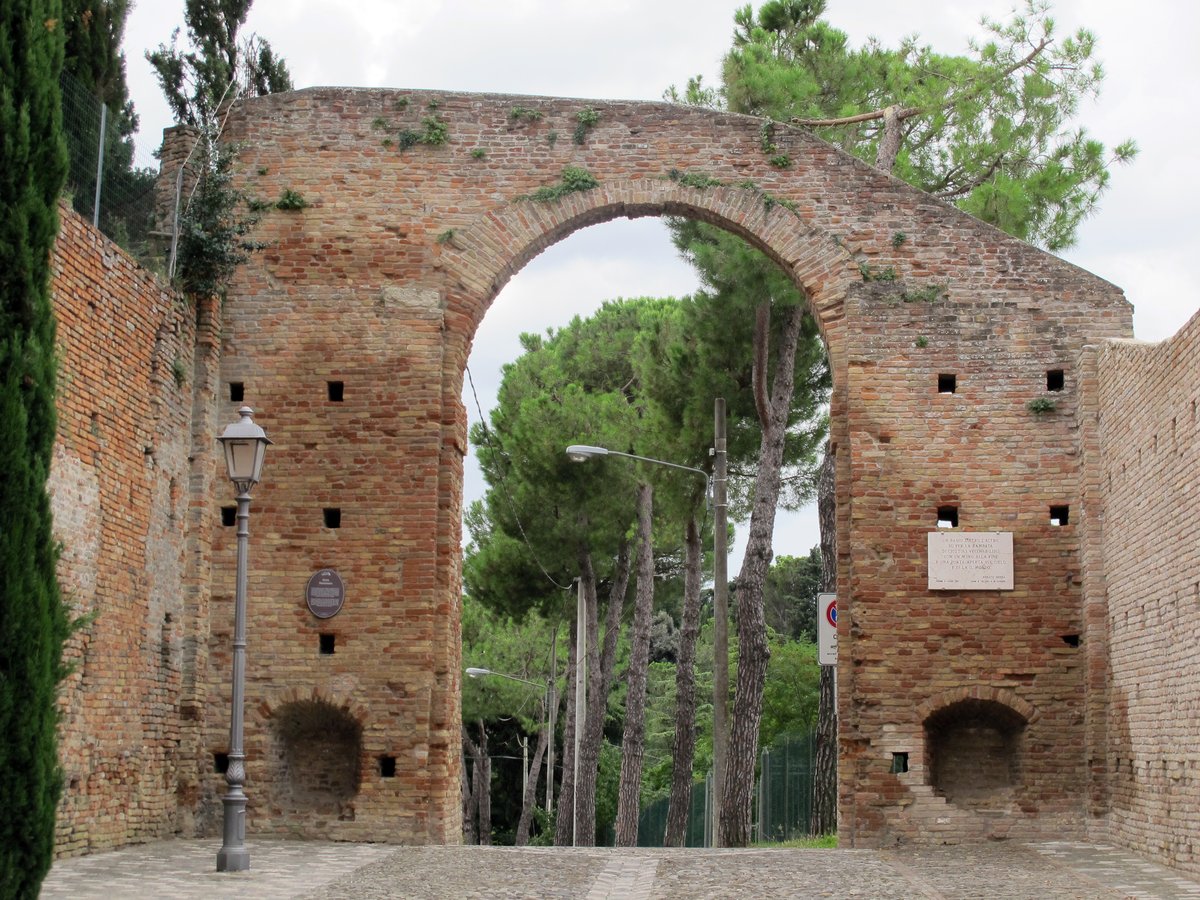 If you arrive in Cesena from the south, Porta Montanara is the first monument to welcome you. This medieval gate from the 14th century was part of the Malatesta walls that protected the city. It's not just a stone arch: it's a historical entry point that immediately makes you aware you're in a place with centuries of history behind it. The original structure featured a drawbridge and a defense system that you can imagine today by observing the architectural details. The gate gets its name because it was the access route for those coming from the Apennines, evidence of the commercial connections between the Romagna plain and the mountain areas. Today it's perfectly integrated into the urban fabric, with houses and shops surrounding it, yet it maintains an authentic atmosphere. Observe the squared stone blocks and the pointed arch: these are details that tell the story of when Cesena was a strategic center under the Malatesta rule. If you visit the nearby Rocca Malatestiana, Porta Montanara gives you a preview of that period. It's a place that doesn't require much time, but is worth photographing and observing carefully to appreciate the transition between ancient and modern.
Renato Serra House Museum
- Viale Giosuè Carducci 29, Cesena (FC)
- Open in Google Maps
- View on Google Images
- 0547 355730-40
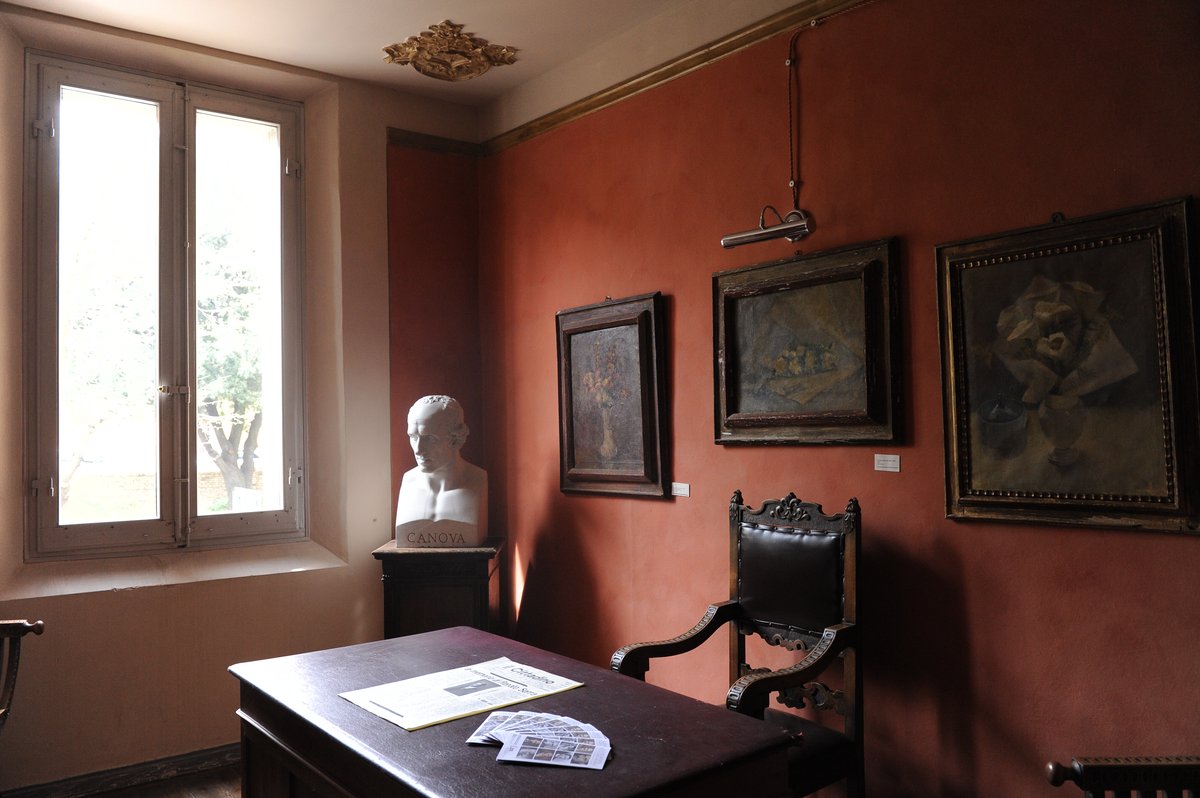 The Renato Serra House Museum welcomes you into a second-floor apartment of a historic building in Cesena, where the celebrated literary critic lived from 1909 to 1915. Upon entering, you can still breathe the atmosphere of those years: the original furnishings have been carefully preserved, from the bookshelves filled with volumes to the desk where Serra wrote his essays. The visit is a plunge into the intellectual life of the early twentieth century: you can admire autograph manuscripts, letters exchanged with friends like Giuseppe Prezzolini, and first editions of his most famous works, such as 'Scritti critici'. The personal library contains over 4,000 volumes, many of which are annotated in the margins by Serra himself, offering a unique glimpse into his study methods. The museum is not just a collection of objects, but a place that tells the story of one man's passion for culture—a man who, despite his short life (he died at age 31 in World War I), left a profound mark on Italian literary criticism. As an example of his influence, consider that his writings on authors like Carducci and Pascoli are still reference points for scholars today. The house is just a few steps from the Malatestiana Library, another gem of Cesena, creating a perfect cultural itinerary in the heart of the city.
Natural Science Museum
- Piazza Pietro Zangheri, Cesena (FC)
- Open in Google Maps
- View on Google Images
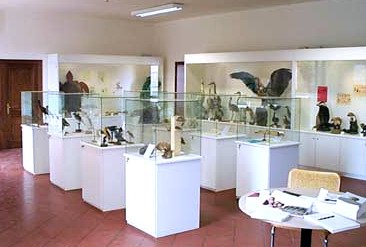 The Natural Science Museum of Cesena welcomes you on a journey that starts from the local territory, with a collection spanning from geology to zoology. The paleontological section includes Miocene fossils discovered in the nearby quarries of Savignano sul Rubicone, such as shells and remains of marine mammals that testify to the ancient sea that once covered the Po Valley. The mineralogical collection features specimens from the Apuan Alps and the Tuscan-Emilian Apennines, including quartz and gypsum typical of the region. The historical herbarium, with samples of wild flora collected between the 19th and 20th centuries, documents species like Bertoloni's violet, endemic to the Forlì Apennines. The rooms dedicated to local fauna display stuffed birds and mammals such as badgers and porcupines, which can be observed in the Cesena countryside. The museum also organizes educational workshops for schools and families, with activities like rock identification or animal track analysis using original specimens. The simple yet well-curated exhibition allows you to experience the natural diversity of Emilia-Romagna firsthand, without traveling far. A concrete example? The casts of fossil footprints found in the Po Delta Park, which show how the region was a crossroads of ancient ecosystems.
Remembrance Park
- Cesena (FC)
- Open in Google Maps
- View on Google Images
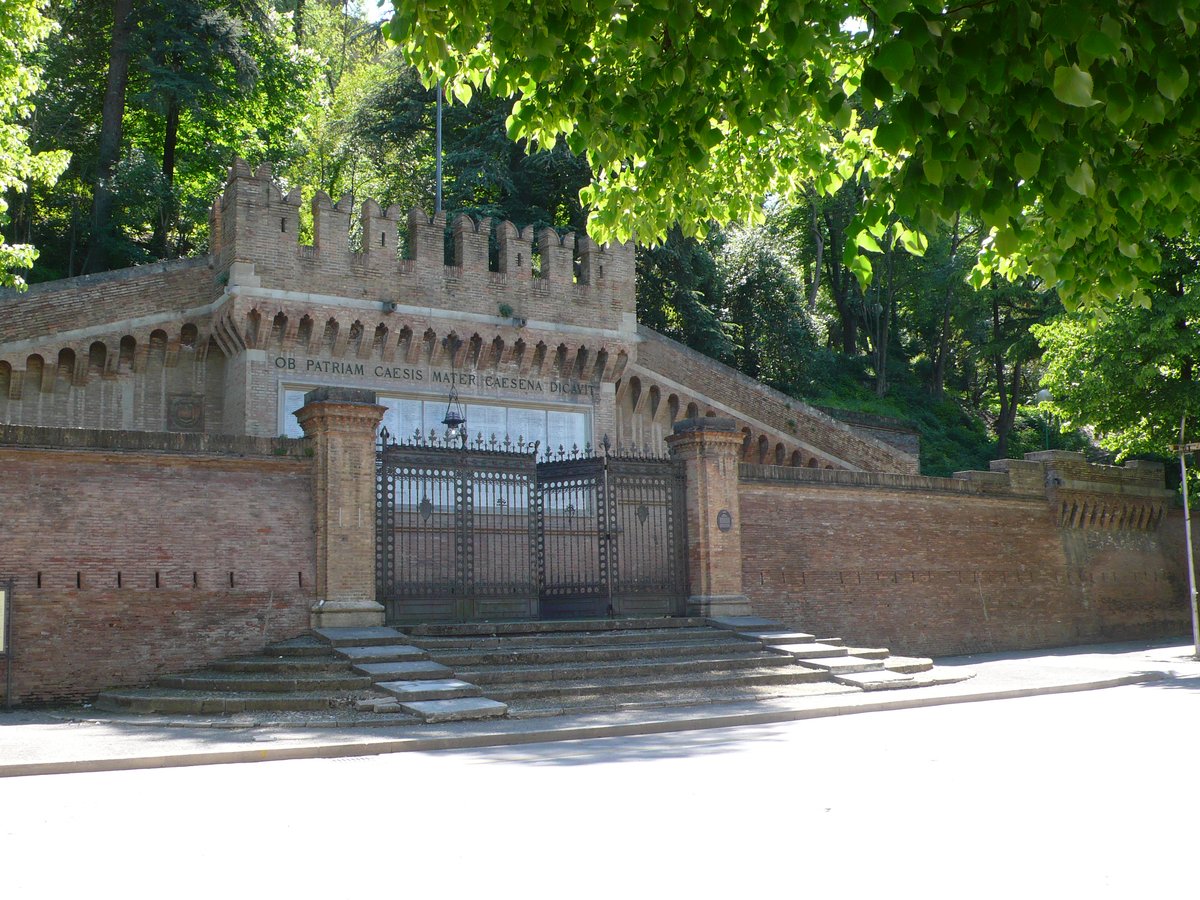 Cesena's Remembrance Park is one of those places that surprises you with its ability to blend historical memory with urban relaxation. Located right in the city center, just steps away from the famous Malatestiana Library, this park was originally created as a memorial for the fallen of World War I. Today, it serves as a green lung frequented by locals and tourists seeking a restorative break. The main feature consists of the tree-lined avenues that develop around the central monument, where each tree symbolically represents a fallen soldier. The park unfolds across multiple levels, with well-maintained paths leading to panoramic viewpoints over the city. Particularly evocative is the route that leads toward the Malatesta Fortress, offering unique glimpses of the historic walls. The vegetation is typical of Emilia-Romagna, with centuries-old oaks, pines, and cypresses creating perfect shaded areas for a summer stop. The park also includes a children's playground, making it family-friendly. During spring, the cherry blossoms provide moments of particular beauty, while in autumn, the foliage creates suggestive atmospheres. Many locals visit for their daily walks or to read a book on the benches, taking advantage of the tranquility it offers despite its central location. It's an example of how Cesena knows how to enhance its green spaces, keeping historical memory alive through a place that's lived in daily.