
🧭 What to Expect
- Ideal for history and art enthusiasts looking for a complete cultural experience.
- Combines medieval architecture (Swabian Castle, cobblestone alleys) with contemporary art (Bilotti Open-Air Museum).
- Offers specialized museums like the Brettii and Enotri Museum and the National Gallery.
- Includes diverse points of interest: historic theater, city park and commemorative monuments.
Cosenza welcomes you with its perfectly preserved medieval historic center, where cobblestone alleys intertwine among noble palaces. The Swabian Castle dominates the city from above, offering a panoramic view over the Crati Valley. Don't miss the Museum of the Brettii and Enotri to discover the ancient roots of Calabria, and the National Gallery with works from the Middle Ages to the 20th century. The Rendano Theatre, a 19th-century gem, and the Bilotti Open-Air Museum with contemporary sculptures along Corso Mazzini complete the cultural offering. A destination where history and art merge in a vibrant urban setting.
Overview
Swabian Castle of Cosenza
- Via del Castello, Cosenza (CS)
- Open in Google Maps
- View on Google Images
 The Swabian Castle of Cosenza stands majestically on the hill of the historic center, offering a unique panoramic view of the city and the Crati Valley. Originally built by the Normans in the 11th century and later expanded by Frederick II of Swabia in the 13th century, the castle represents one of the most important symbols of Cosenza's history. The structure features its square towers and imposing walls that tell centuries of dominations and battles. Inside, visitors can admire the remains of the noble halls and courtyards, as well as participate in temporary exhibitions that often animate the fortress spaces. Particularly evocative is the keep tower, from which one enjoys a panorama ranging from the rooftops of the historic center to the mountains of Sila. The castle has undergone significant restoration works that have enhanced its original architecture while preserving its medieval charm intact. During the visit, one can still notice the marks of the different eras that characterized the structure, from Norman to Swabian elements, up to subsequent modifications. The strategic location of the castle, situated in the heart of Cosenza's historic center, makes it easily accessible on foot through the characteristic cobblestone alleys. Today the Swabian Castle is not only a monument to visit but also a living cultural hub that hosts events, concerts, and manifestations throughout the year, keeping the city's historical tradition alive.
Swabian Castle of Cosenza
Museum of the Bruttii and the Oenotrians
- Via Vallone di Rovito 3, Cosenza (CS)
- https://www.museodeibrettiiedeglienotri.it/
- Open in Google Maps
- View on Google Images
- museo@comune.cosenza.it
- +39 0984 23303
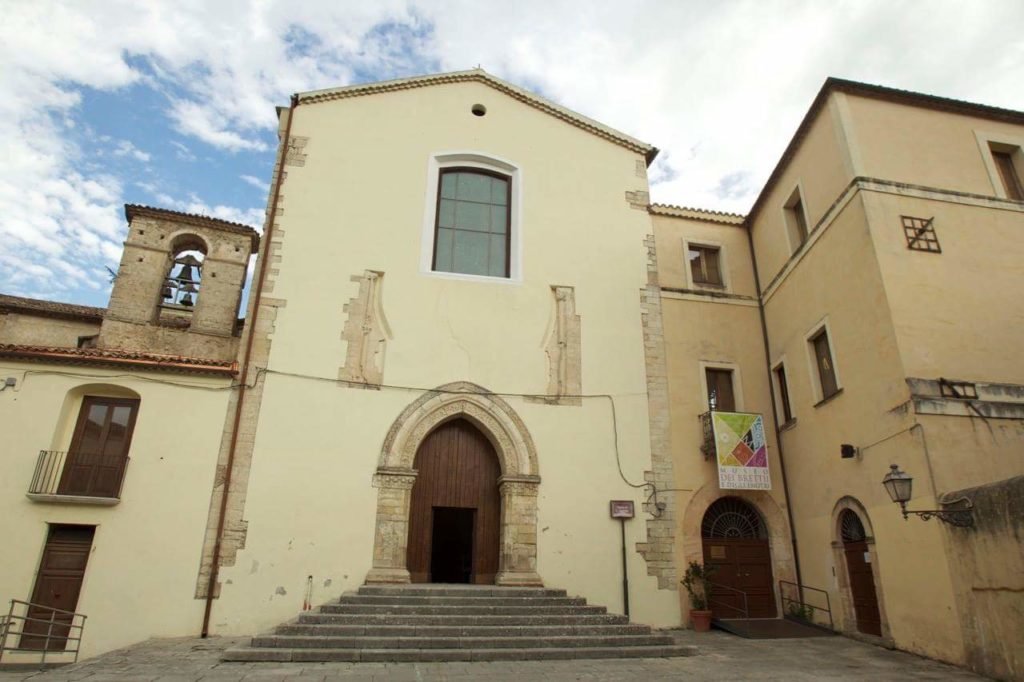 The Museum of the Bruttii and the Oenotrians is located in the heart of Cosenza, housed in the former convent of Sant'Agostino, a historic building that alone is worth a visit. This archaeological museum tells the story of the peoples who inhabited Calabria before the Romans, with a collection spanning from the 9th century BC to the Roman era. The artifacts mainly come from excavations at Torre Mordillo, Thurii, and Petelia, fundamental sites for understanding the ancient history of the region. Among the most significant pieces are the bronze weapons of the Bruttii, an Italic population that fiercely opposed Roman domination, and the funerary goods of the Oenotrians, with painted vases and everyday objects that tell the story of life over 2500 years ago. The section dedicated to the necropolis of Torre Mordillo is particularly interesting, with tombs that still preserve the original skeletons and grave goods. The exhibition route is well-organized and accessible, with clear explanatory panels that guide visitors through the different eras. The locally produced red-figure pottery demonstrates the high artistic level achieved by these civilizations, while the coins minted by the Bruttii testify to their economic autonomy. For those who want to delve deeper, the museum periodically organizes themed guided tours and educational workshops. Its central location, just steps from Corso Mazzini, makes it easy to include in a city sightseeing itinerary.
Museum of the Bruttii and the Oenotrians
National Gallery of Cosenza
- Via Gian Vincenzo Gravina, Cosenza (CS)
- https://www.beniculturali.it/mibac/opencms/MiBAC/sito-MiBAC/Luogo/MibacUnif/Luoghi-della-Cultura/visualizza_asset.html?id=150288&pagename=157031
- Open in Google Maps
- View on Google Images
- pm-cal.gallerianaz-cs@beniculturali.it
- +39 0984 795639
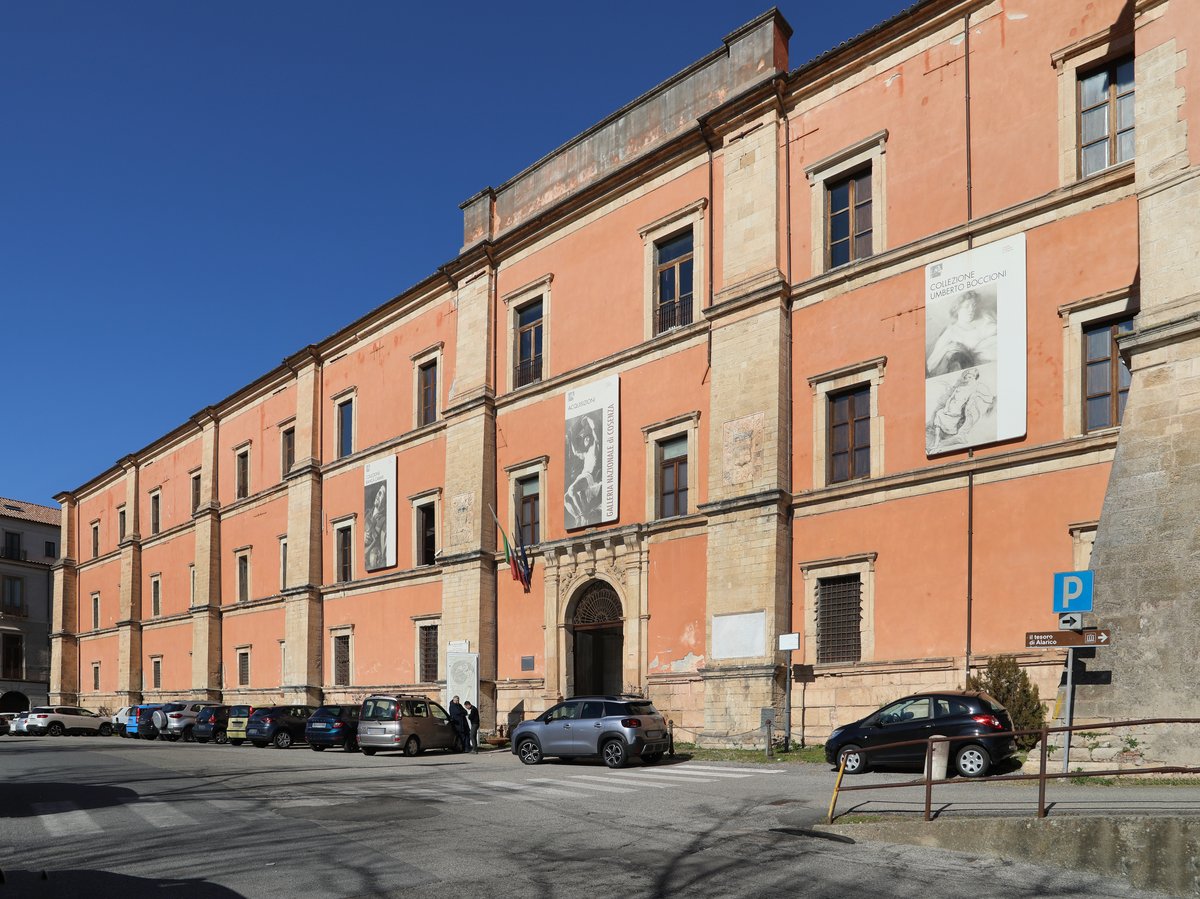 The National Gallery of Cosenza is located in the heart of the historic center, within the prestigious Palazzo Arnone, home to the Superintendency for Historical and Artistic Heritage of Calabria. This museum represents an essential reference point for those wishing to deepen their knowledge of Calabrian art from the Middle Ages to the 20th century. The permanent collection spans two floors and includes highly valuable works, such as paintings by Mattia Preti, known as the Calabrian Knight, and other local artists who have marked the history of regional art. Among the most significant pieces are the canvases by Francesco Jerace and the sculptures by Achille Capizzano, which testify to the stylistic and cultural evolution of Calabria. The exhibition path is organized into thematic and chronological sections, with particular attention to 19th and early 20th-century painting. The Gallery also hosts temporary exhibitions and cultural events, constantly enriching its offerings. The building itself, Palazzo Arnone, is a 16th-century architectural gem, with internal courtyards and restored spaces that enhance the displayed artworks. The visit is an immersive experience that allows you to discover not only the art but also the history and traditions of Cosenza and its province. The entrance ticket is affordable and includes access to all sections of the museum. I recommend dedicating at least an hour to the visit to fully appreciate the masterpieces and details that make this place unique in its kind.
National Gallery of Cosenza
Rendano Theatre
- Go to the page: Teatro Rendano: Perfect Acoustics and Historic Curtain in the Heart of Cosenza
- Salita Carmine Garofalo "Mimmo", Cosenza (CS)
- Open in Google Maps
- View on Google Images
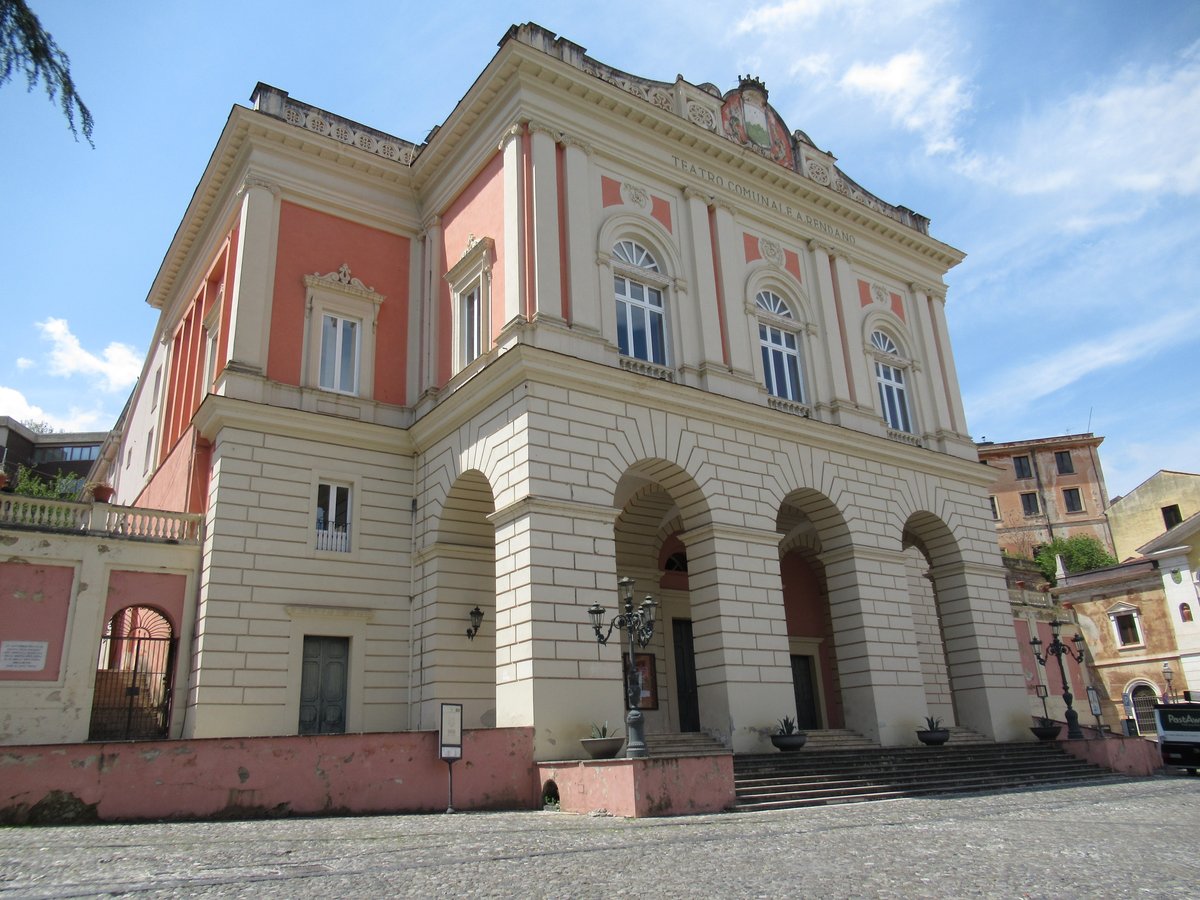 The Rendano Theatre is an architectural jewel in Cosenza's historic centre, inaugurated in 1909 and named after the Cosenza-born musician Alfonso Rendano. Its neoclassical façade, made of local stone, overlooks Piazza XV Marzo, creating an immediate impression of elegance. Upon entering, visitors are welcomed by the majestic horseshoe-shaped hall with four tiers of boxes, capable of seating around 800 spectators. The ceiling, adorned with frescoes, and the grand central chandelier contribute to the refined atmosphere. Today, the theatre is an active cultural hub: it hosts drama seasons, classical and contemporary music concerts, ballet performances, and family-friendly events. The programme ranges from operas to modern dance shows, featuring both local and national artists. During guided tours, visitors can access the backstage and discover fascinating details about its history, such as the damage it sustained during World War II and its subsequent restoration. Its central location makes it easily accessible on foot, ideal for a cultural break while exploring the city. I recommend checking the online calendar so you don't miss scheduled events: there are often matinées at affordable prices.
Rendano Theatre
Bilotti Open-Air Museum
- Go to the page: Bilotti Museum Cosenza: 24 Contemporary Sculptures for Free in the Historic Center
- Corso Giuseppe Mazzini, Cosenza (CS)
- Open in Google Maps
- View on Google Images
 The Bilotti Open-Air Museum transforms Cosenza's historic center into an open-air art gallery. Established in 2005 through the vision of entrepreneur and patron Carlo Bilotti, this diffuse museum features over 30 works by contemporary artists along Corso Mazzini and the surrounding streets. Among the most iconic sculptures are 'The Great Cardinal' by Giacomo Manzù, a bronze figure over three meters tall that dominates the square, and 'The Warrior' by Pietro Consagra, with its geometric forms and distinctive red color. Strolling through the center's alleyways, you'll also encounter works by Mimmo Rotella, Emilio Greco, and other masters of the 20th century. Access is completely free and available 24/7, offering a unique cultural experience that seamlessly integrates with the city's historic architecture. The placement of the works is designed to create a dialogue between ancient and modern: contemporary sculptures stand out against medieval buildings and Baroque churches, providing surprising photographic opportunities. The route mainly winds between Piazza dei Bruzi and Via Padolisi, pedestrian areas easily explored on foot. To best appreciate the works, I recommend visiting the museum during daylight hours, when natural light enhances the sculptures' details. This project represents an exemplary model of how art can regenerate urban spaces, making Cosenza one of the few Italian cities with a permanent open-air museum of this scale.
Bilotti Open-Air Museum
Diocesan Museum of Cosenza
- Corso Bernardino Telesio 16, Cosenza (CS)
- https://www.museodiocesanocosenza.it/
- Open in Google Maps
- View on Google Images
- info@museodiocesanocosenza.it
- 0984 6877 30
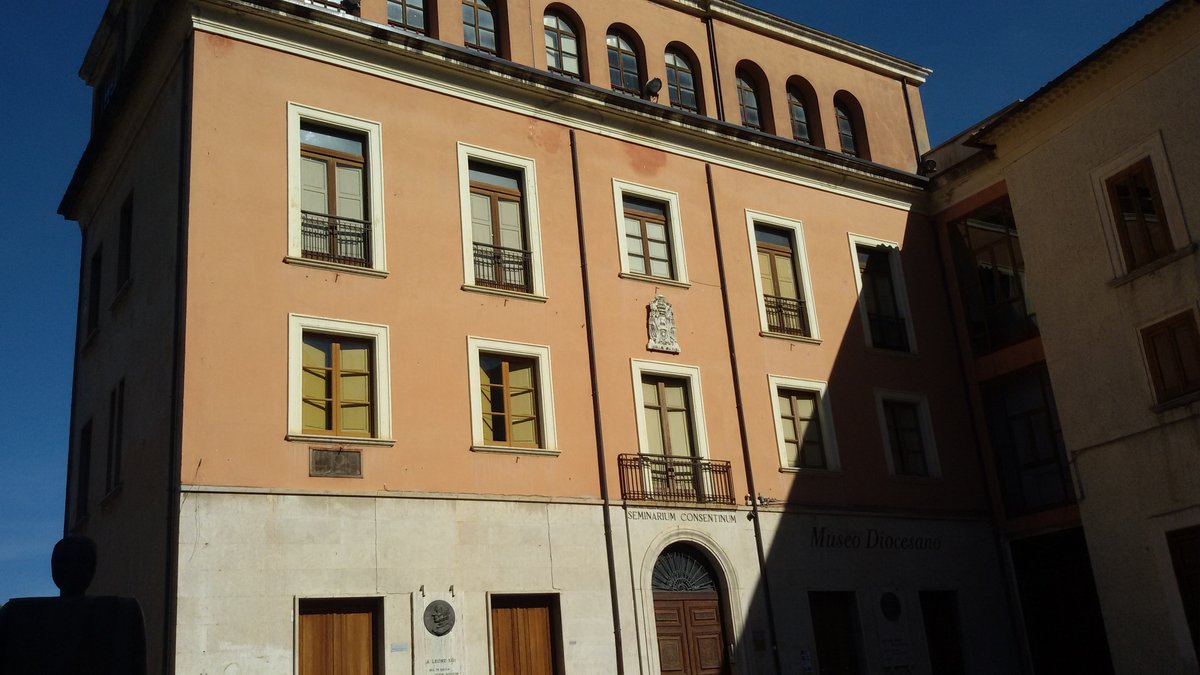 The Diocesan Museum of Cosenza is one of those places that surprises you with the richness it holds. Located in the heart of the historic center, next to the Cosenza Cathedral, it occupies the spaces of the former Archbishop's Seminary. Entering here means taking a leap back in time through centuries of Calabrian religious and artistic history. The collection spans from the Middle Ages to the 18th century, with works that tell the story of local devotion and culture. Among the most significant pieces stands out the Cope of Louis III of Anjou, a 14th-century liturgical vestment of extraordinary craftsmanship, embroidered in gold and silk. Then there are the wooden sculptures from the medieval period, such as the 12th-century Crucifix, and panel paintings that show the evolution of painting in Calabria. There are also sacred silverware, illuminated manuscripts, and vestments that testify to the splendor of religious celebrations. The exhibition route is well organized and guides you through the different sections: sacred art, goldsmithing, textiles. Special mention goes to the room dedicated to archaeological finds discovered during the restoration works of the Cathedral, which include fragments from the Roman and Byzantine eras. The museum is not just a collection of objects, but a living place, where temporary exhibitions and cultural activities are organized. The atmosphere is intimate, ideal for a quiet visit away from the crowds. The entrance ticket is affordable and often includes access to the Cathedral. If you love sacred art or want to discover a lesser-known aspect of Cosenza, this museum is an unmissable stop.
Diocesan Museum
Villa Vecchia
- Cosenza (CS)
- Open in Google Maps
- View on Google Images
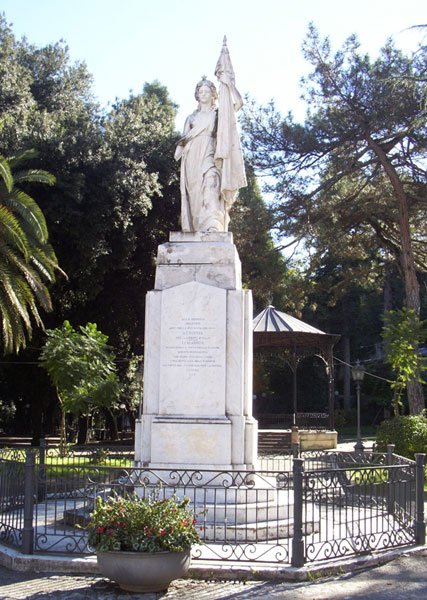 Villa Vecchia is one of Cosenza's most beloved green lungs, a public garden extending through the historic center, just steps from the Swabian Castle and Corso Mazzini. This space, originally established in the 19th century as a botanical garden, is now a place of encounter and tranquility for both locals and tourists. Strolling along the tree-lined avenues, you'll notice native plant species like holm oaks and pines, as well as exotic plants that recall the garden's origins. At the center, the monumental fountain with water features offers a cool retreat, while the wrought-iron benches invite you to pause and observe daily life. Villa Vecchia isn't just about nature: it frequently hosts outdoor cultural events, such as poetry readings or small concerts, especially in spring and summer. Its elevated position provides panoramic views over the rooftops of the historic center and the surrounding hills, perfect for photography. Ideal for a refreshing break after visiting nearby museums like the Museo dei Brettii, it's freely accessible and easily reachable on foot from most central attractions. An interesting detail: here you'll find a centuries-old magnolia specimen, one of the city's oldest, which blooms abundantly in April.
Villa Vecchia
Altar of the Bandiera Brothers
- Via Vallone di Rovito, Cosenza (CS)
- Open in Google Maps
- View on Google Images
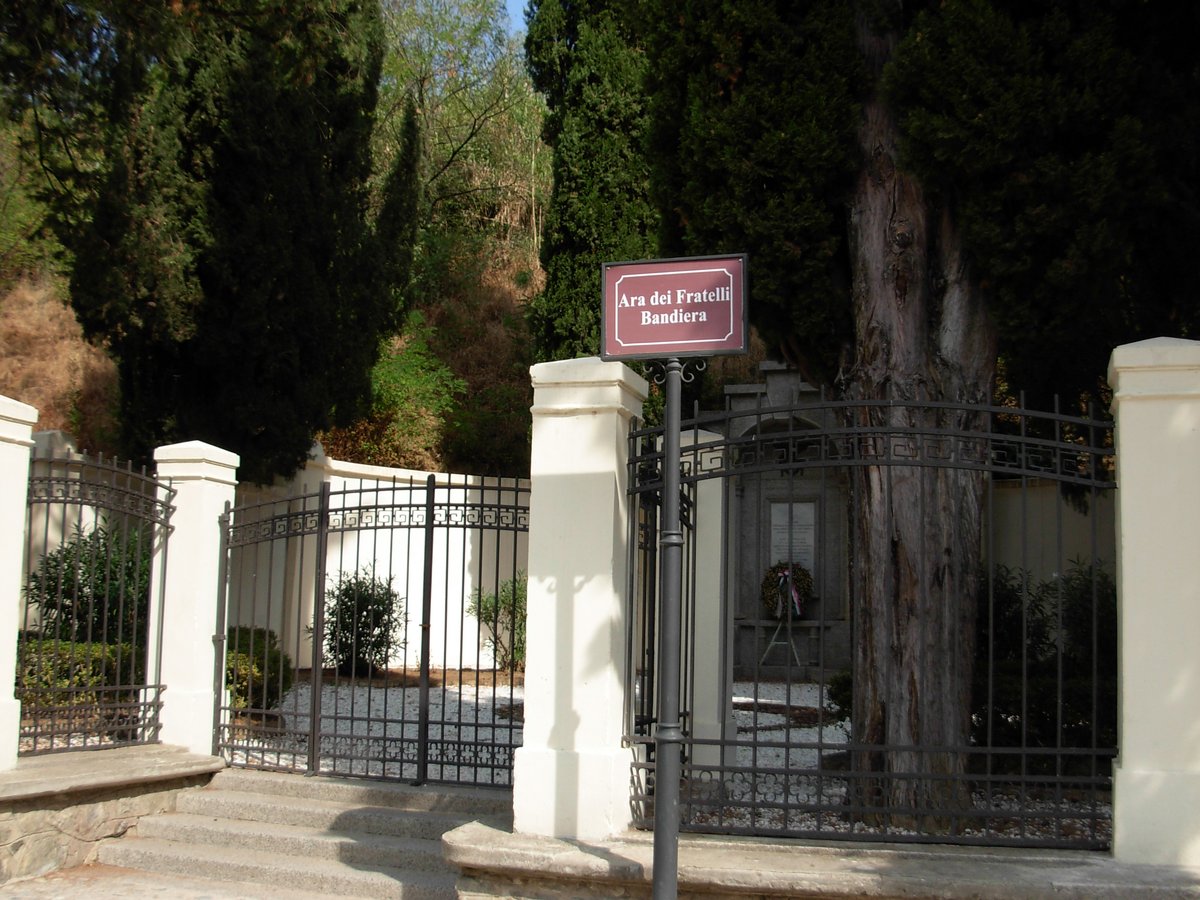 The Altar of the Bandiera Brothers is a memorial site that strikes you with its simplicity. Located in Piazza XV Marzo, right opposite the Rendano Theatre, this commemorative stele remembers Attilio and Emilio Bandiera, two Austrian navy officers who in 1844 led an expedition to liberate the Kingdom of the Two Sicilies. Their story is dramatic: captured after landing in Calabria, they were executed by firing squad in the Vallone di Rovito. The altar, made of local stone, bears an inscription commemorating their sacrifice for the unity of Italy. Visiting it means understanding the roots of the Calabrian Risorgimento. The monument is centrally located, easily accessible during a stroll through the historic centre. Observing the simplicity of the stele, you perceive the symbolic value of this place: it is not showy, but conveys a profound message about the price of freedom. The surrounding square, with its historic buildings, completes the atmosphere, making the visit a moment of reflection on Italian history.
Altar of the Bandiera Brothers