
🧭 What to Expect
- Ideal for art and architecture enthusiasts, featuring Palladian villas, Renaissance frescoes, and contemporary architecture.
- Highlights: Palladian Villas (Maser, Emo), historic villages (Asolo, Conegliano), UNESCO Prosecco Hills, and an interactive map with all stops.
- Ideal for hikers and nature lovers, with trails in the Bosco delle Penne Mozze, caves, and functioning 17th-century mills.
- Highlights: Molinetto della Croda (17th-century mill), Grotta dei Breda (limestone formations), Bosco delle Penne Mozze (open-air memorial).
- Ideal for those seeking authenticity and food and wine experiences, with Prosecco tastings, radicchio, local cheeses, and food festivals.
- Highlights: Medieval castles (Castelfranco, Conegliano), historic centers (Treviso with its canals), food and wine events, and typical products.
Events nearby


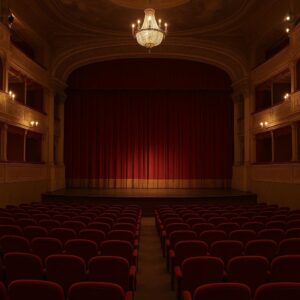
The Province of Treviso is a land rich in history and beauty, where Venetian villas alternate with medieval villages and hilly landscapes. In Treviso, the capital, you walk among porticoes and canals, discovering the Fontana delle Tette and the Palazzo dei Trecento. Nearby, Castelfranco Veneto preserves Casa Giorgione and Villa Bolasco, while Asolo, the 'village of villages', enchants with the Rocca and the Castle. The Prosecco hills, a UNESCO World Heritage site, offer routes among wineries and breathtaking panoramas, such as in Valdobbiadene and Conegliano, where you can visit the Castle and Palazzo Sarcinelli. Unmissable are the villas of Maser and Emo, examples of Palladian architecture, and the Molinetto della Croda in Pieve di Soligo, a seventeenth-century mill still in operation. For nature lovers, the Bosco delle Penne Mozze in Cison di Valmarino and the Grotta dei Breda in Fregona offer unforgettable excursions. The province is also a land of food and wine events, with festivals and tastings of local products such as radicchio and Morlacco cheese.
Overview
- Villa di Maser
- Villa Emo in Vedelago
- Conegliano Castle
- Asolo Fortress
- Giorgione House
- Molinetto della Croda
- Fountain of the Breasts
- Palazzo dei Trecento
- Castelbrando: The Millennial Fortress Among the Prosecco Hills
- Brion Tomb: A Masterpiece by Carlo Scarpa
- Forest of the Broken Quills
- Breda Cave
- Villa Bolasco
- Palazzo Sarcinelli
- Asolo Castle
Itineraries nearby


Villa di Maser
- Go to the page: Villa di Maser: Veronese's Frescoes and Palladian UNESCO Architecture
- Via Barbaro, Coste di Maser (TV)
- https://www.villadimaser.it/
- Open in Google Maps
- View on Google Images
 If you're looking for a place where art and nature blend in perfect harmony, Villa di Maser is the destination for you. Designed by the great architect Andrea Palladio in 1560, this Venetian villa welcomes you with its classical facade and harmonious proportions that have made it famous worldwide. But the real treasure lies inside: Paolo Veronese's frescoes adorning the villa's walls and ceilings are considered among the absolute masterpieces of the Italian Renaissance. Take a close look at the central hall with its mythological scenes that almost seem to come to life—an experience that will leave you breathless. Don't forget to explore the surrounding gardens, where you can admire the barchessa (the attached agricultural building) and the small private chapel. The villa is still privately owned today but open for visits: I recommend checking the official website for opening hours before you go, as they may vary by season. The admission ticket includes access to the interiors and gardens, a unique opportunity to immerse yourself in 16th-century aristocratic life. Whether you're passionate about architecture or simply love places that tell stories, Villa di Maser will give you unforgettable emotions.
Villa Emo in Vedelago
- Go to the page: Villa Emo: Zelotti's Frescoes and Palladian Architecture in Vedelago
- Via Stazione, Vedelago (TV)
- Open in Google Maps
- View on Google Images
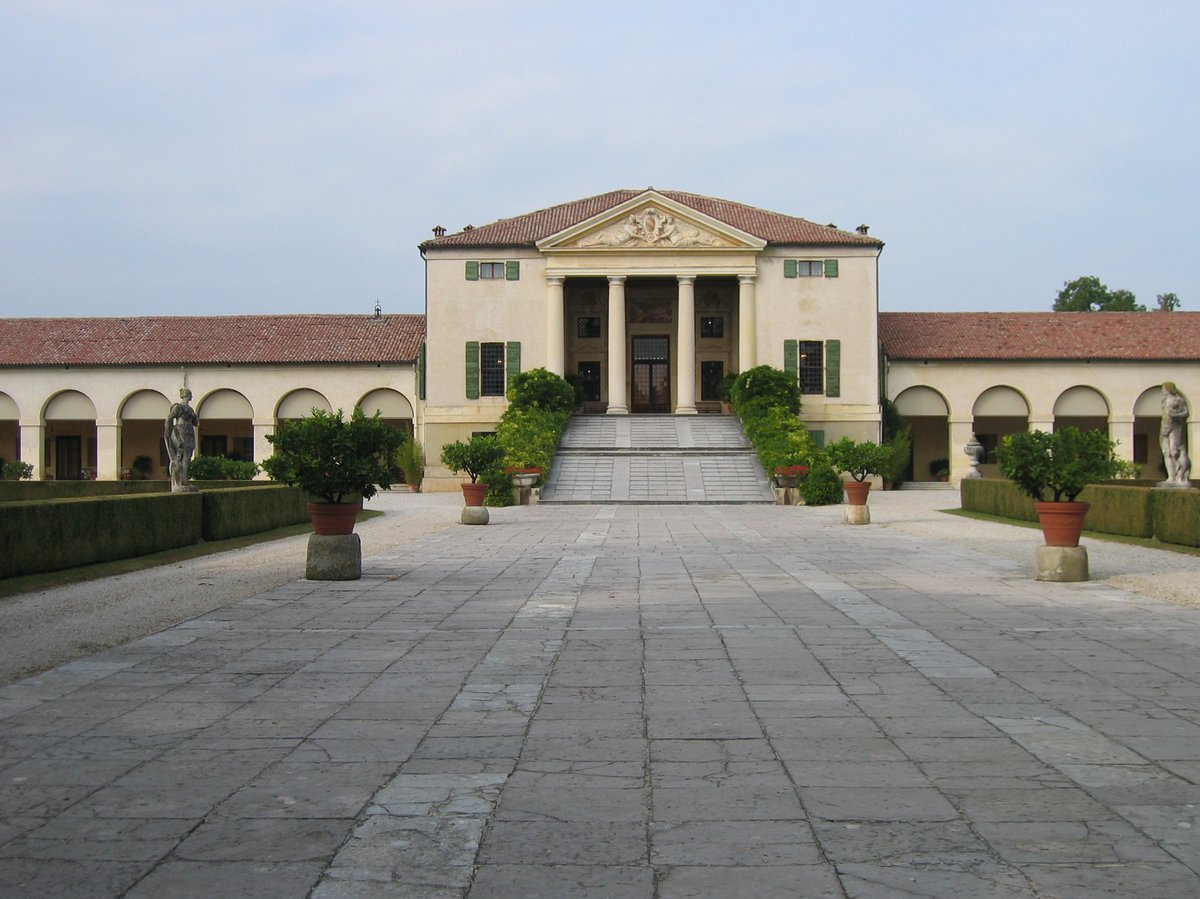 If you're looking for an experience that combines Renaissance architecture with country living, Villa Emo is the perfect destination. Designed by Andrea Palladio in the 16th century, this Venetian villa is located in Vedelago, surrounded by cultivated fields and vineyards. The structure is an excellent example of how architecture can harmoniously integrate with the agricultural landscape. Inside, the frescoes by Giovanni Battista Zelotti adorn the main halls, telling mythological and allegorical stories that celebrate rural life. The villa is still inhabited by descendants of the Emo family, which adds a touch of authenticity to the visit. You can explore the interior spaces, admire the symmetry of the façades, and stroll through the surrounding park. Practical tip: check the opening hours on the official website, as they vary depending on the season and private events. If you visit in spring or summer, take advantage of the gardens for a relaxing break. Villa Emo is not just a monument, but a living place that makes you feel part of Venetian history.
Conegliano Castle
- Via Coderta, Conegliano (TV)
- Open in Google Maps
- View on Google Images
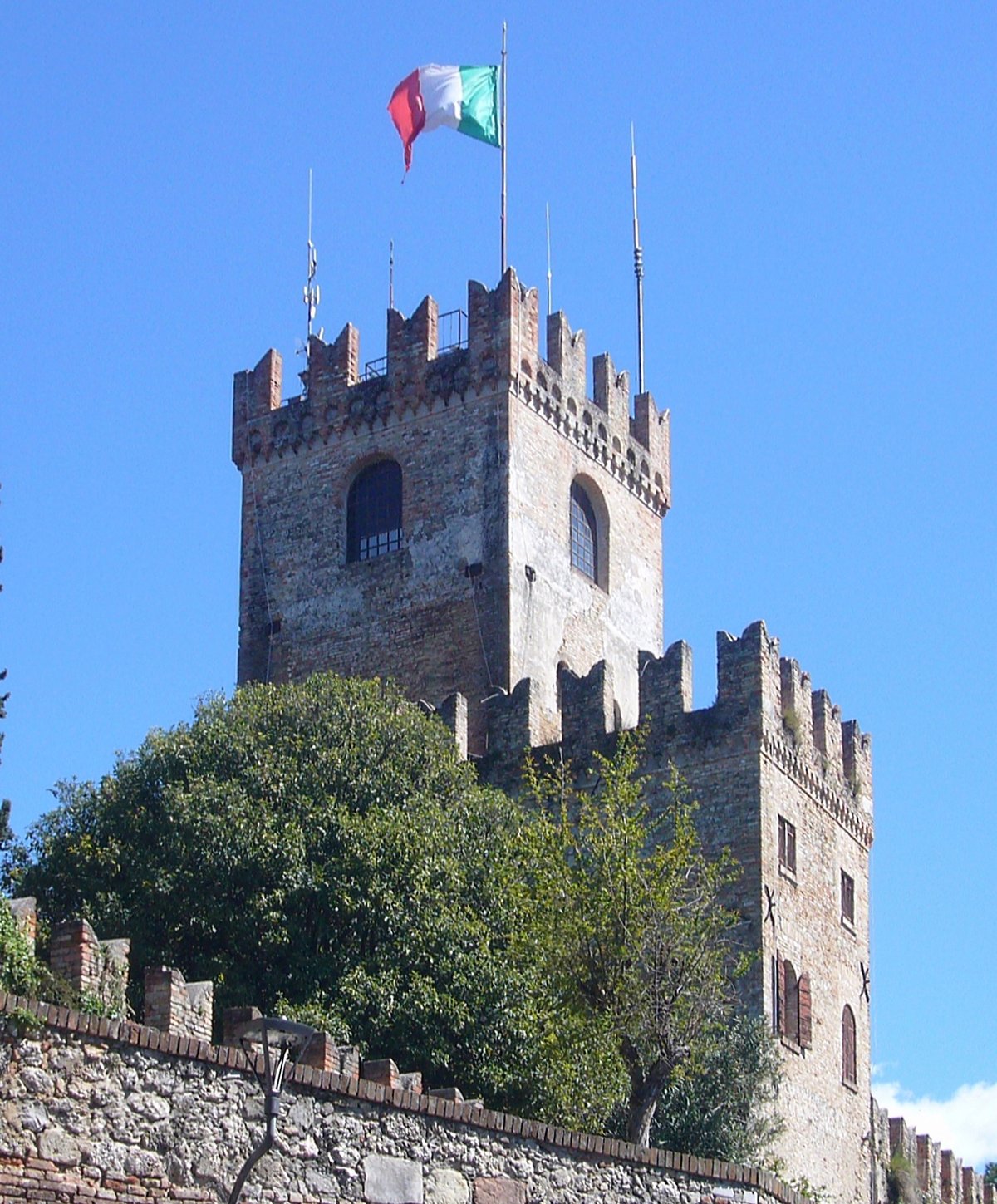 The Conegliano Castle overlooks the city from the hilltop, offering one of the most beautiful views of the entire Venetian plain. Built between the 10th and 12th centuries, this fortified complex represents the historic heart of the city and retains its medieval atmosphere intact. The Sala dei Battuti, inside the castle, houses 15th-century frescoes that tell biblical stories with extraordinary chromatic vibrancy. Nearby, the Civic Museum of the Castle displays works by Cima da Conegliano, the Renaissance painter who made the city famous. Climbing the Bell Tower is an unmissable experience: from here, the view stretches from the Prealps to the Prosecco Hills, a UNESCO World Heritage site. The castle also hosts cultural events and tastings of local wines, perfect for those who want to combine culture and taste. For a complete visit, don't miss the Giovanni Battista Cima House Museum, located in the village below, where the artist was born. The route through the castle walls and rooms is easy, suitable even for families with children. I recommend visiting in the morning to enjoy the best light on the frescoes and avoid the crowds.
Asolo Fortress
- Via Rocca, Asolo (TV)
- Open in Google Maps
- View on Google Images
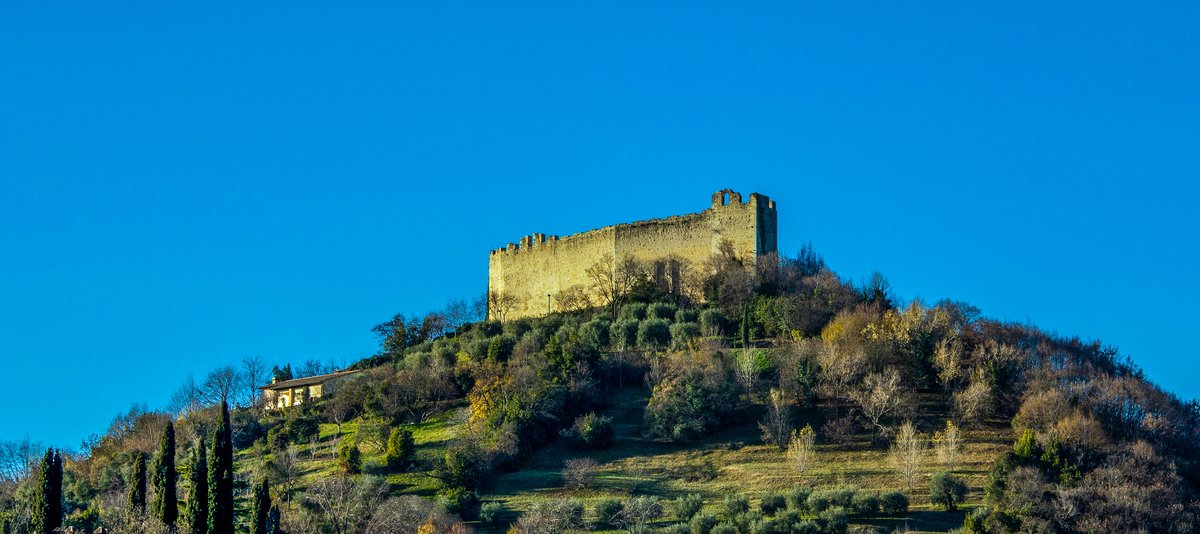 The Asolo Fortress dominates the village from its 320-meter height, offering one of the most spectacular panoramas in the province of Treviso. This medieval fortress, built between the 12th and 13th centuries, was part of the defensive system of the Serene Republic of Venice. Today it stands as an imposing stone structure with its characteristic square tower rising above the hill. Climbing up to the fortress is an experience that's well worth the effort: the walk along the paved path takes about 15-20 minutes and rewards you with increasingly beautiful glimpses as you ascend. Once at the top, the 360-degree view spans across the Asolo Hills, Montello, and on clearer days, you can even spot the Dolomites. The remains of the perimeter walls and the cistern testify to the strategic importance of this location. The entrance ticket costs only €3 and includes access to the Asolo Civic Museum. I highly recommend visiting the fortress at sunset, when the golden light envelops the landscape creating a magical atmosphere. Remember to wear comfortable shoes because the path, although well-maintained, is uphill and paved with stone.
Giorgione House
- Piazza San Liberale, Castelfranco Veneto (TV)
- https://www.museocasagiorgione.it
- Open in Google Maps
- View on Google Images
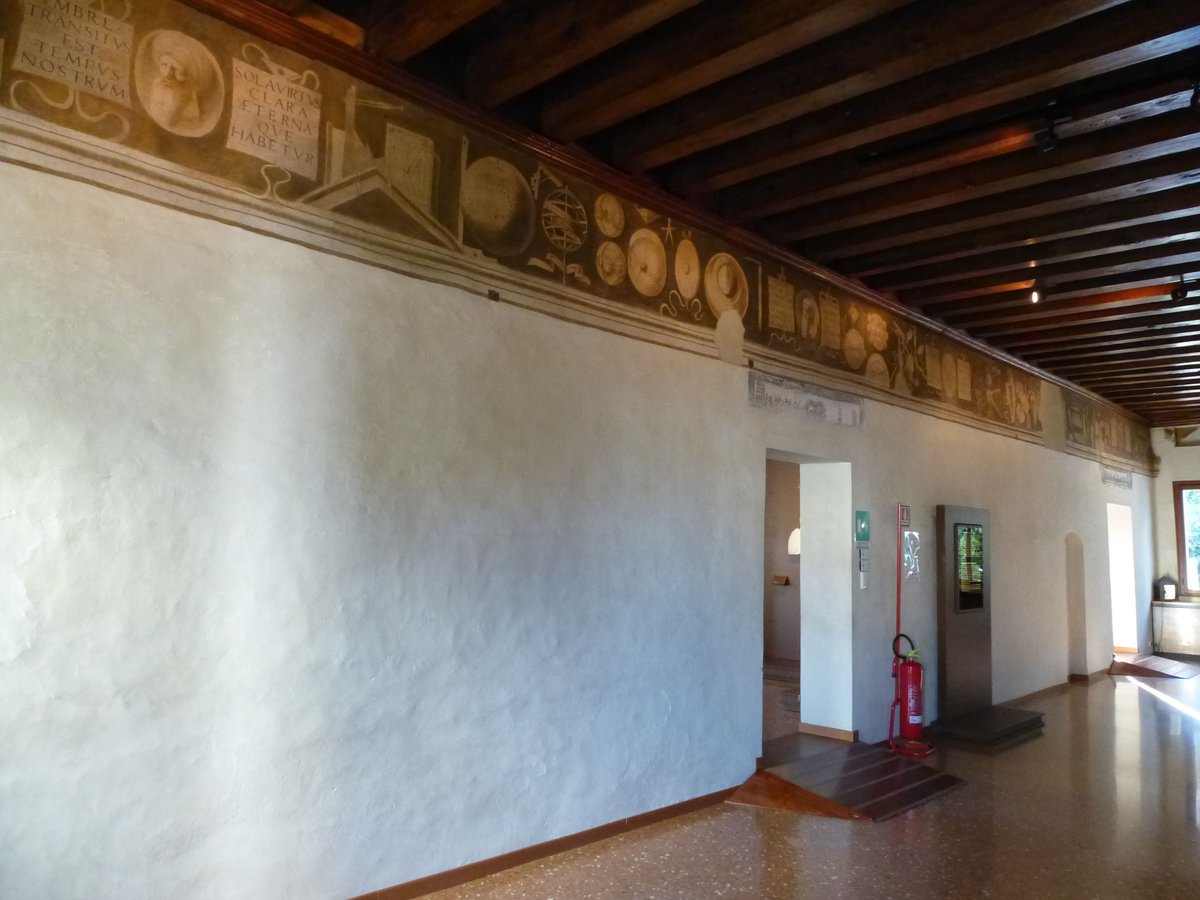 If you're passing through Castelfranco Veneto, Giorgione House is an unmissable stop for Renaissance art lovers. This museum is housed in the building where Giorgio da Castelfranco, better known as Giorgione, one of the masters of 16th-century Venetian art, lived and worked. The visit takes you through carefully reconstructed spaces where you can admire reproductions of famous works like the Castelfranco Altarpiece, preserved in the nearby Cathedral. The rooms also display musical instruments from the period, as Giorgione was known for his passion for music, and artifacts that tell the story of daily life during the Renaissance. The route is well-marked and includes explanatory panels that illustrate painting techniques and historical context. I recommend combining your visit with the Cathedral to see the original Altarpiece, giving you a complete experience. Admission is charged, but there are often discounts for students and groups. If you're an art enthusiast, don't miss the temporary exhibitions that explore lesser-known aspects of his work. Giorgione House is a gem that lets you breathe the atmosphere of a golden age, away from the crowds of major museums.
Molinetto della Croda
- Via Francesco Fabbri, Pieve di Soligo (TV)
- www.molinettodellacroda.it/
- Open in Google Maps
- View on Google Images
- +390438978199
 The Molinetto della Croda is one of those places that makes you feel like you've discovered a hidden treasure. This 17th-century water mill sits right against the rock face, from which it takes its name 'della Croda' (of the crag), and rises along the Lierza stream, a tributary of the Soligo. What immediately catches the eye is its structure: the building is literally embedded in the rocky wall, creating a unique scenic effect that seems straight out of a fairy tale. The mill is still operational, and during guided tours you can witness the grinding of wheat with the original stone millstones—an experience that transports you back in time. Inside, besides the mill mechanism, you'll find a small museum with period farming tools and historical photos that tell the story of rural life in the past. The place is steeped in a magical atmosphere, especially when the stream is in full flow and the water rushes vigorously beneath the wheels. Perfect for a day trip, Molinetto della Croda is easily accessible with a short walk from the parking area, and admission is free. I recommend visiting in spring or autumn, when the surrounding landscape, with the hills of the Prosecco Superiore DOCG, is at its most splendid. Don't forget your camera: the views of the mill and the stream are among the most photographed in the area.
Fountain of the Breasts
- Galleria della Strada Romana, Treviso (TV)
- Open in Google Maps
- View on Google Images
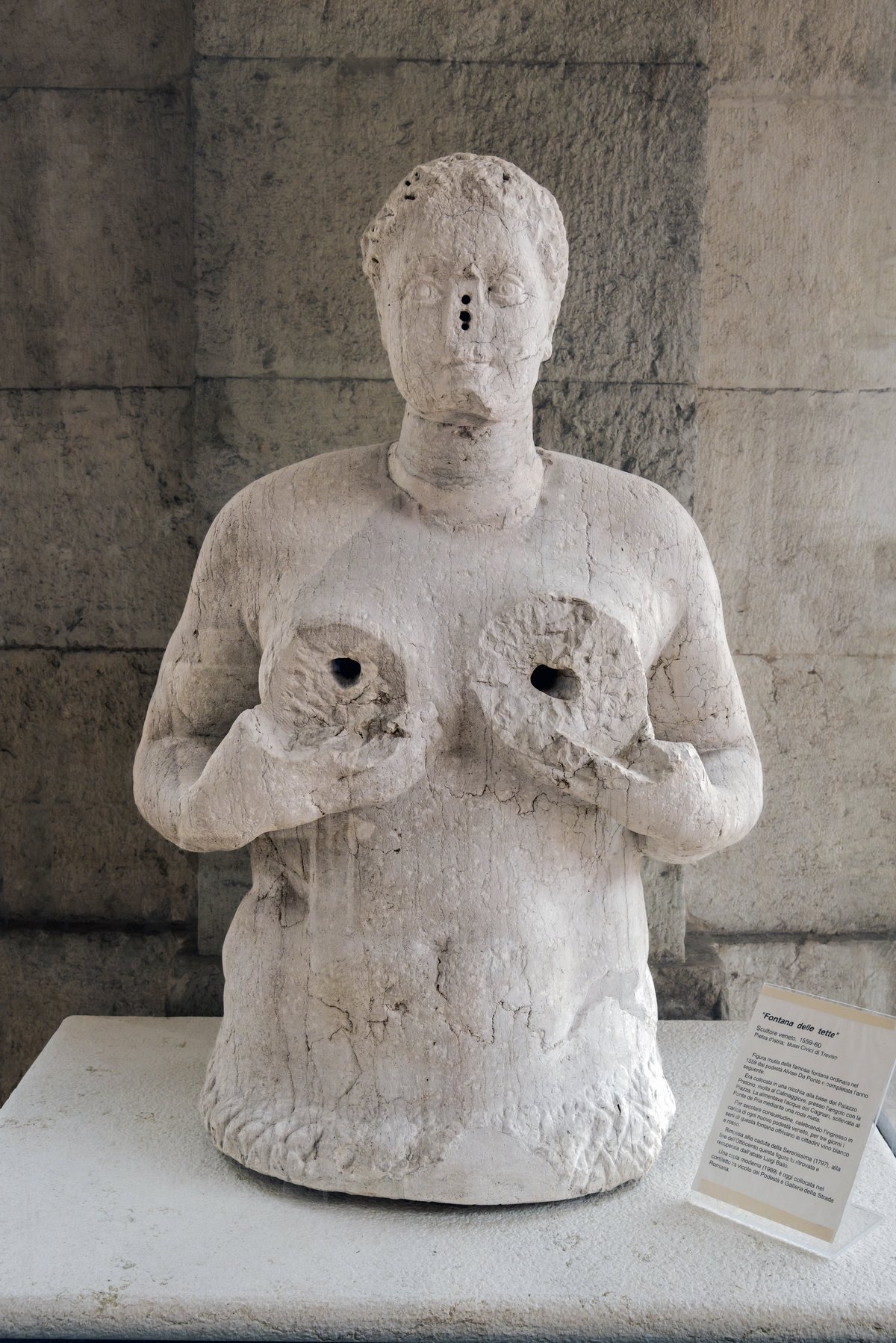 The Fountain of the Breasts is one of the most curious and historically rich monuments you'll encounter in Treviso. Located in Calle delle Tette, in the heart of the historic center, this fountain dates back to the 16th century and owes its unusual name to the sculpture of a woman with two breasts from which wine once flowed. Tradition has it that during celebrations for the election of a new podestà, red wine would flow from one breast and white from the other, symbolizing abundance and prosperity for the city. Today, although no longer dispensing wine, the fountain remains a symbol of Renaissance Treviso and an attraction that draws visitors for its unique history. The sculpture, made of Istrian stone, is set in a niche under an arch, creating a picturesque corner among the cobblestone alleys. I recommend looking for it during a stroll through the center: it's easy to find near Piazza dei Signori, but its somewhat hidden location makes it a delightful discovery. Remember that the fountain is always accessible and free, perfect for a quick stop while exploring Treviso's canals and porticoes. Bring your camera: the details of the sculpture and the atmosphere of the alley deserve a shot.
Palazzo dei Trecento
- Go to the page: Palazzo dei Trecento: Council Hall with 14th-century frescoes and medieval porticoes
- Piazza Giannino Ancilotto, Treviso (TV)
- Open in Google Maps
- View on Google Images
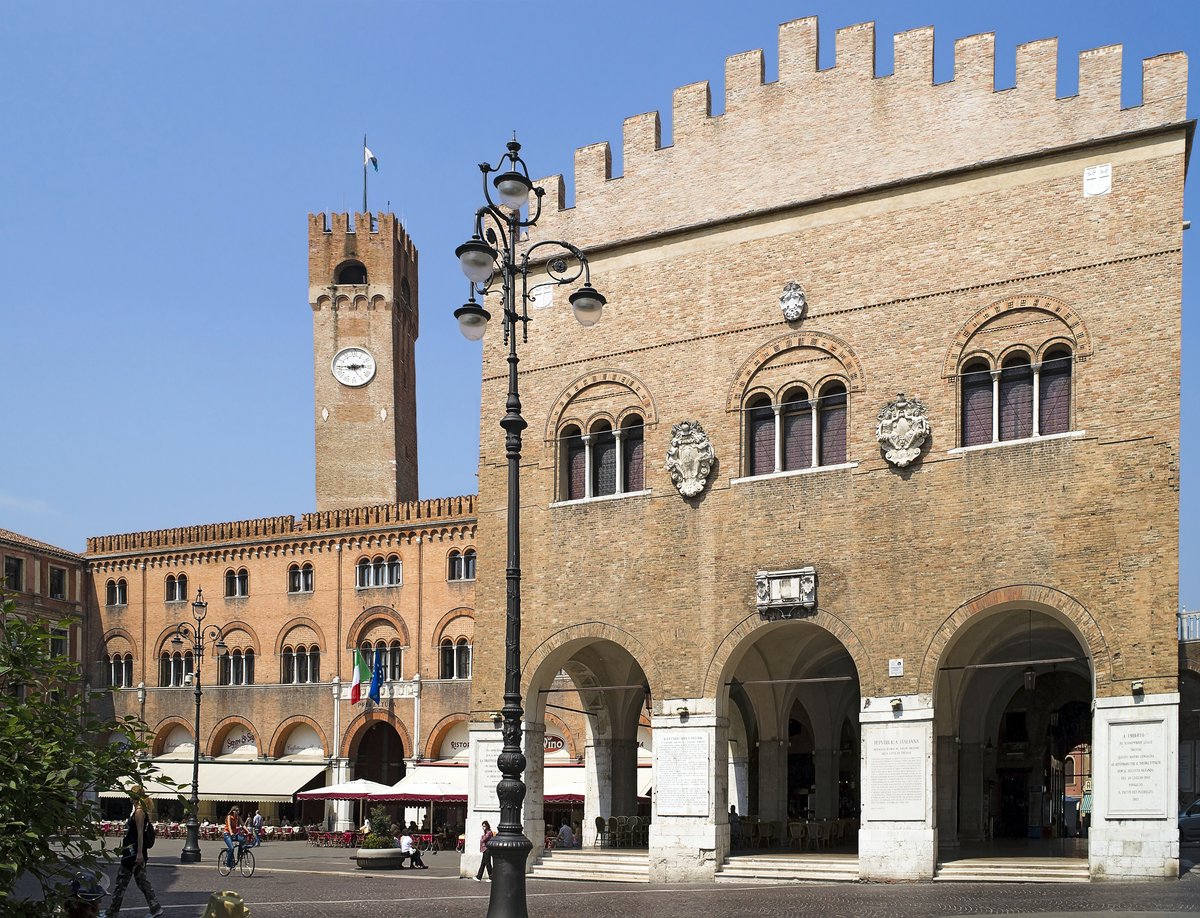 The Palazzo dei Trecento is the symbol of medieval civil power in Treviso, built in the 13th century as the seat of the Council of the Three Hundred, the city's ancient government. Located in Piazza dei Signori, the beating heart of the city, this red brick building impresses with its grandeur and the elegant pointed arches that characterize the ground-floor portico. Ascending to the first floor, you access the Council Hall, a majestic space with coffered ceilings and Renaissance frescoes depicting stories of justice and governance. Public assemblies were held here, deciding the city's fate. During World War II, the palace was severely damaged by bombings, but careful restoration has returned it to its former glory, preserving visible traces of the past like the original Istrian stone columns. Today it hosts temporary exhibitions and cultural events, but its true magic lies in the atmosphere: sitting under the porticoes, perhaps with a coffee, makes you feel part of a centuries-old history. One detail not to miss: look at the biforate windows on the first floor, typical of 14th-century Venetian architecture, which filter golden light into the interiors. Perfect for a break between visiting the Duomo and a stroll along the city walls, the palace is freely accessible during exhibition opening hours.
Castelbrando: The Millennial Fortress Among the Prosecco Hills
- Go to the page: Castelbrando: 10th-Century Medieval Castle with Panoramic Restaurant and Prealps Views
- Via Brando Brandolini, Cison di Valmarino (TV)
- Open in Google Maps
- View on Google Images
 Arriving at Castelbrando is like opening a living history book. This imposing castle dominates Cison di Valmarino from atop a morainic hill, and its view takes your breath away even before you cross the entrance. What makes it special? It's one of Europe's oldest manor houses, with origins dating back to Roman times. Today, after careful restoration, it's not just a monument to admire but a living place where you can spend an unforgettable day. Inside, the tour route takes you through centuries of history: from medieval prisons to frescoed Renaissance halls, all the way to the papal apartments. Don't miss the Museum of Peasant Civilization, which tells the story of rural life in the Marca Trevigiana with authentic objects. But Castelbrando isn't just about the past: here you can taste local wines in the historic cellar, sample alpine cheeses in the restaurant, or simply get lost among the vineyards surrounding the hill. A practical tip: book the guided tour to access areas normally closed to the public, like the ancient kitchens. And if you want an even more special experience, check the events calendar: it often hosts historical reenactments and artisan markets that make the visit unique.
Brion Tomb: A Masterpiece by Carlo Scarpa
- Via Brioni, San Vito di Altivole (TV)
- Open in Google Maps
- View on Google Images
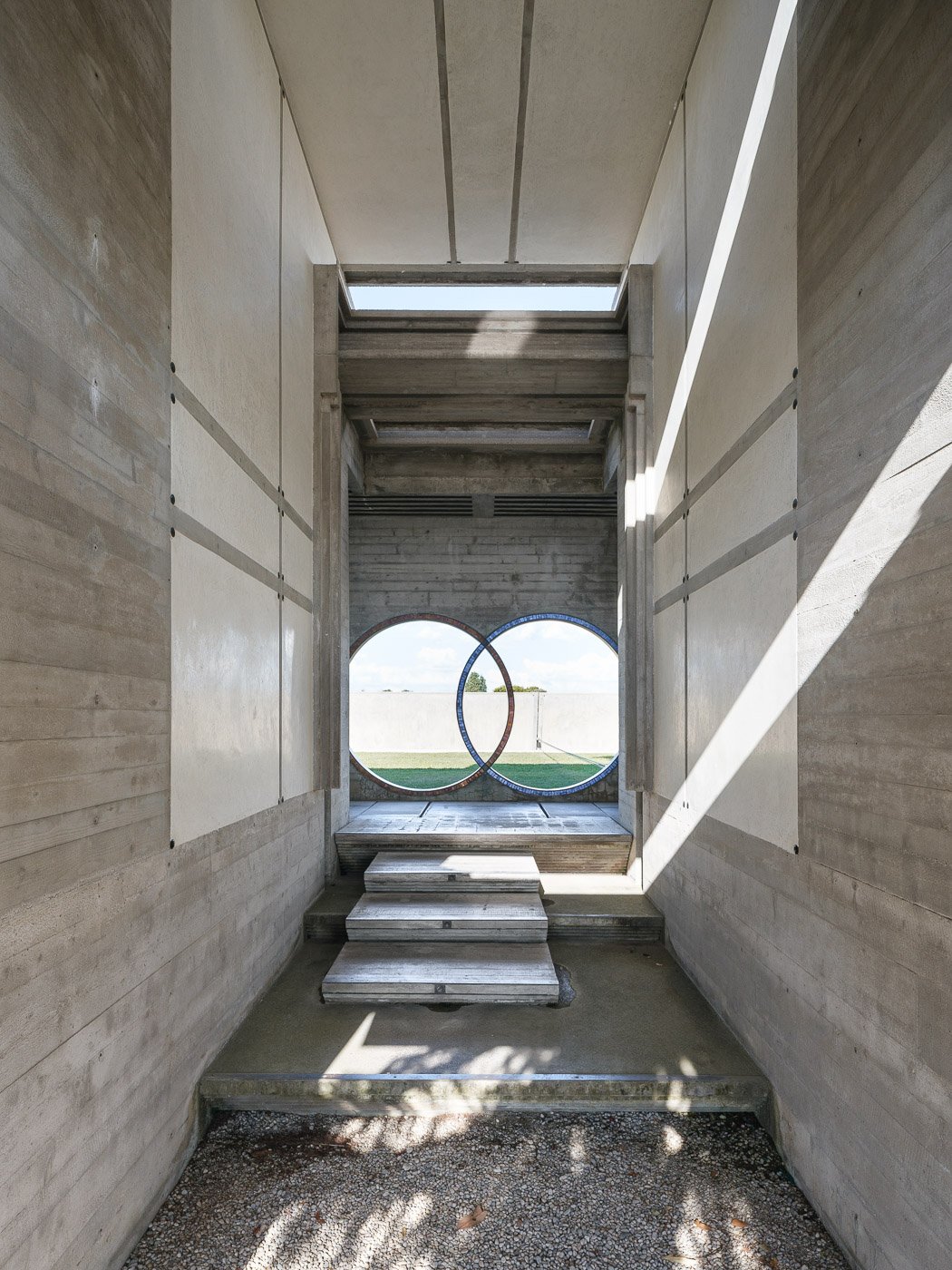 The Brion Tomb in San Vito di Altivole is one of those places that strikes you with its unique essence. Designed by Venetian architect Carlo Scarpa between 1969 and 1978, this monumental tomb is a true masterpiece of contemporary architecture. It's not just a cemetery, but an emotional journey that winds through water, concrete, and vegetation. The entrance is marked by an arch leading to a labyrinth of pathways, where every element holds deep meaning: the bridge symbolizing the passage between life and death, the water basin reflecting the sky, and the meditation pavilion, a place of silence and contemplation. The materials used – reinforced concrete, mosaics, and stone – dialogue with the surrounding landscape, creating an atmosphere suspended in time. Admission is free and accessible year-round, but I recommend going early in the morning or at sunset, when the slanting light enhances the geometries and shadows, offering moments of pure poetry. Bring a camera: every corner is an inspiration.
Forest of the Broken Quills
- Via Tofane, Cison di Valmarino (TV)
- https://www.cison.it/attivita_desc.asp?id=28
- Open in Google Maps
- View on Google Images
 The Forest of the Broken Quills in Cison di Valmarino is not just a forest, but an open-air memorial dedicated to the fallen of all wars. You'll find yourself walking among over 20,000 trees, each with a plaque bearing the name of a deceased Italian soldier. The route follows a circular path of about 2 km, suitable for everyone, starting from the parking lot near Castelbrando. Along the way, informational panels share specific stories of soldiers, making the visit personal and moving. The forest was planted in the 1990s on the initiative of the National Alpini Association, and the tree species include beeches, firs, and oaks, typical of the prealpine area. Wear comfortable shoes because the terrain can be uneven after rain. Access is free and open year-round, but spring and autumn offer spectacular colors. There are no facilities on site, so bring water and a snack if you plan to stay. It's an experience that combines nature and history, perfect for quiet reflection away from the crowds.
Breda Cave
- Via Grotte del Caglieron, Fregona (TV)
- Open in Google Maps
- View on Google Images
 The Breda Cave in Fregona is one of the most accessible and captivating speleological experiences in the Treviso province. Nestled at the foot of Monte Pizzoc, this karst cavity extends for about 200 meters with a 15-meter elevation difference, making it perfect for a first introduction to the underground world. What makes it unique is the presence of limestone formations still in development, with stalactites and stalagmites slowly growing before your eyes. The entrance is wide and easily reachable with a short walk from the parking area, but I recommend bringing non-slip shoes and a flashlight as the ground can be damp and slippery. Inside, you'll find spacious chambers alternating with narrower passages, where you can observe up close the rock formations shaped by water over millennia. The internal temperature remains constant year-round at around 10-12 degrees Celsius, making it an excellent destination even on the hottest days. For a safe visit, always contact the Fregona Speleological Group, which organizes guided tours and provides necessary equipment. The cave is set within the natural context of the Regional Natural Park of the Ampezzo Dolomites, so you can combine your exploration with a walk along the surrounding trails. Remember that access is only permitted with an authorized guide to preserve this fragile underground ecosystem.
Villa Bolasco
- Borgo Treviso, Castelfranco Veneto (TV)
- Open in Google Maps
- View on Google Images
 If you're visiting Castelfranco Veneto, Villa Bolasco is an unmissable stop that will immerse you completely in the elegance of Venetian Neoclassicism. Built in the second half of the 19th century based on a design by architect Francesco Bagnara, the villa stands out for its understated yet refined façade, with a central portico that invites you inside. Inside, frescoed halls and period furnishings transport you to an aristocratic atmosphere, but it's the park that steals the show: designed by Bagnara himself, it spans over 9 hectares and blends Italian and English-style elements. Stroll along tree-lined paths, discover the pond with its little island, and admire the perfectly preserved 19th-century greenhouses. The park is open to the public and often hosts cultural events, such as exhibitions and concerts, which bring the green spaces to life. Perfect for a relaxing day out, bring your camera: the views of the English lawn and the minor architectures, like the ice house, are ideal for memorable shots. If you're traveling with children, the park offers plenty of space to run and play, while history enthusiasts will appreciate the architectural details, such as the statues and stone bridges. Practical tip: check the opening hours on the official website, especially if you plan to attend special events. Villa Bolasco is easily reachable on foot from the center of Castelfranco, so you can combine your visit with the Duomo and Casa Giorgione for a complete itinerary.
Palazzo Sarcinelli
- Via XX Settembre, Conegliano (TV)
- Open in Google Maps
- View on Google Images
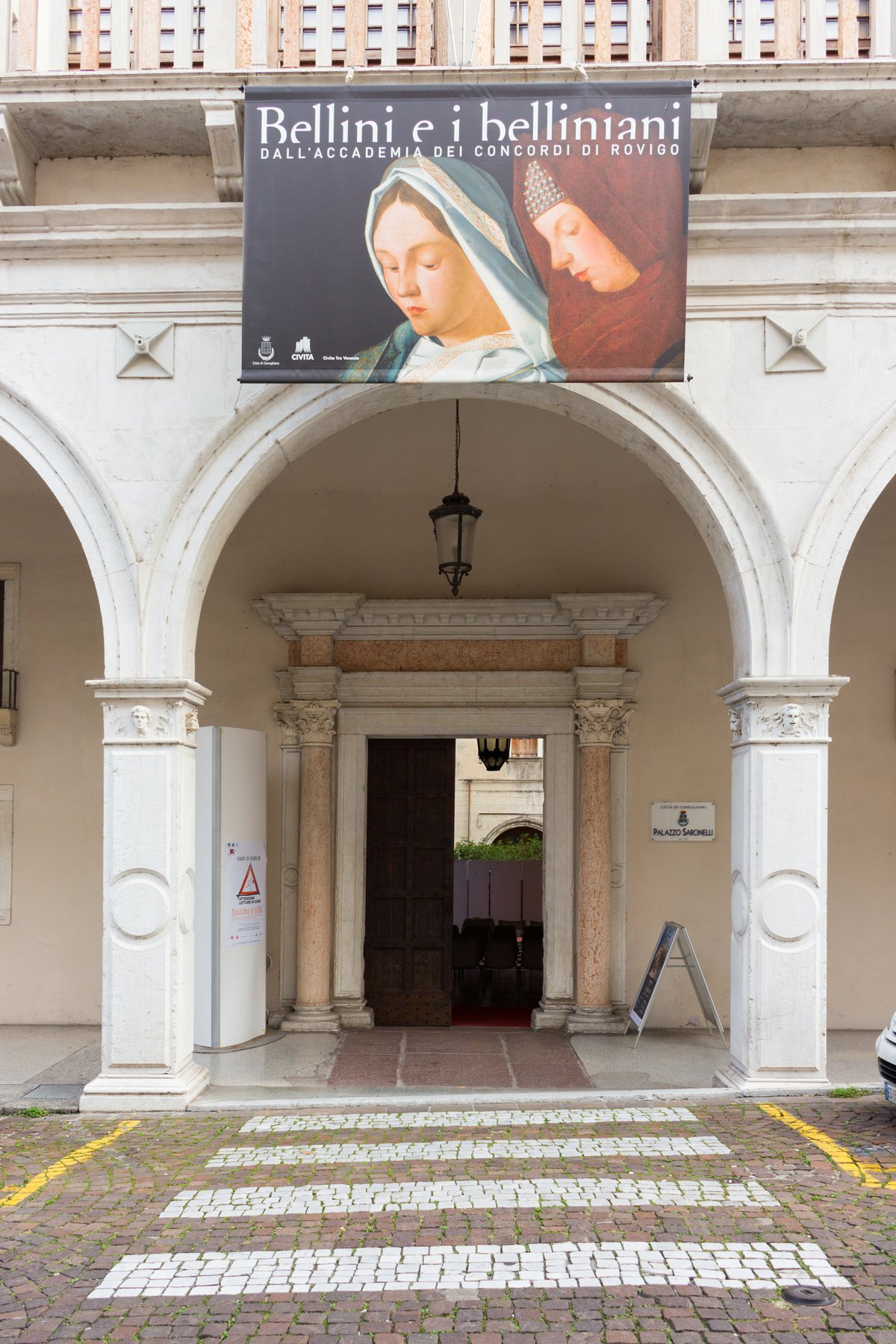 If you're visiting Conegliano, Palazzo Sarcinelli is an absolute must-see. This splendid Renaissance building from the 16th century is located right in the historic center, just steps away from the Castle and the Cathedral. Its Istrian stone facade immediately catches the eye with its elegance and decorations, featuring bifora windows that recall Venetian style. Today the palace houses the Gallery of Modern and Contemporary Art, but it's not just a museum: it's a vibrant venue hosting high-level temporary exhibitions, cultural events, and concerts. Inside, the spaces have been skillfully restored while preserving the original atmosphere, with coffered ceilings and frescoes that are well worth admiring. An interesting fact: the palace takes its name from the Sarcinelli family, who commissioned its construction and have ties to the city's history. If you're an art enthusiast, you'll find works by Venetian and national artists here, as well as international offerings. Admission is charged, but there are often days with reduced rates or free entry. I recommend checking the official website for opening hours and current exhibitions. Perfect for a one- to two-hour visit, especially if it's raining or hot. After your visit, take the opportunity to stroll along Via XX Settembre, Conegliano's main street, full of shops and places to sample Prosecco DOC, the area's typical wine.
Asolo Castle
- Via Sottocastello, Asolo (TV)
- Open in Google Maps
- View on Google Images
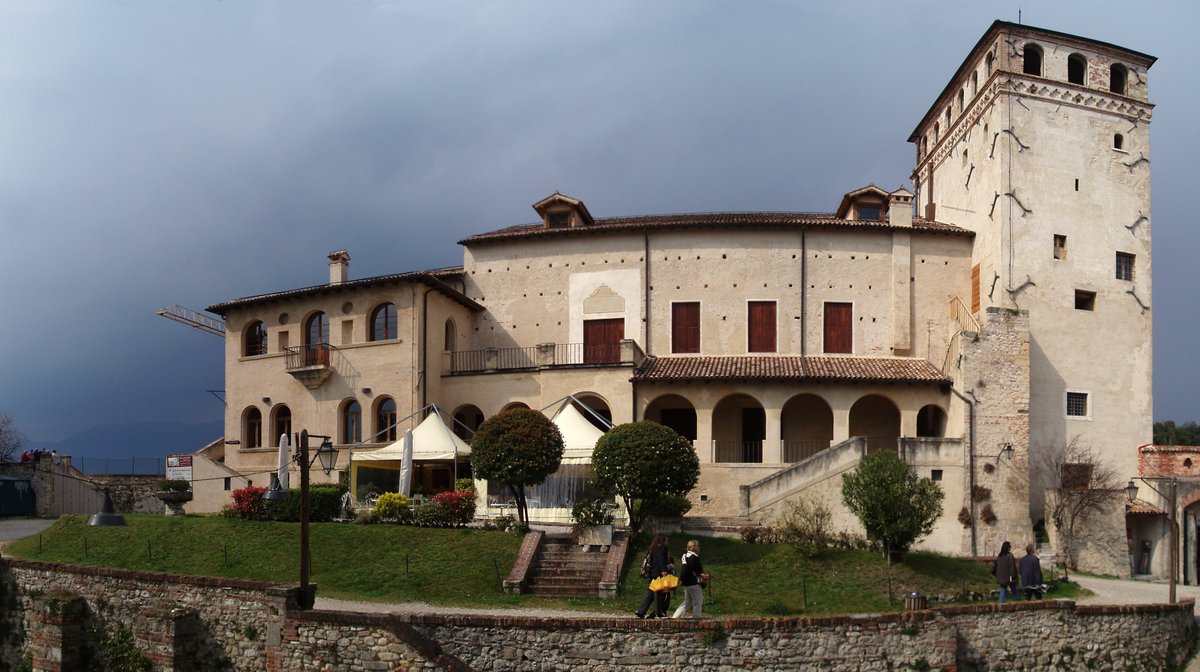 Asolo Castle, also known as the Rocca, is the undisputed symbol of this medieval town that Caterina Cornaro transformed into a Renaissance court. Perched on the hill overlooking the historic center, the castle offers one of the most spectacular views of Asolo and the Treviso plain. Climbing to the top of the tower, at 320 meters above sea level, you can take in a panorama stretching from the Prealps to the Venetian lagoon. The structure, of medieval origin, preserves parts of the walls and the main tower, which is perfectly accessible. The visit route is an immersive experience: you walk among the remains of the ancient fortifications, observe the architectural details of the curtain walls, and reach the summit for that breathtaking view that alone makes the trip worthwhile. The castle is open year-round and admission is free, a significant detail. I recommend going up at sunset, when the golden light caresses the terracotta roofs of the town and the surrounding hills. Bring a camera because taking memorable photos from here is almost mandatory. To reach the Rocca, you follow an uphill path of about 10 minutes from the center, perfectly walkable. There are no facilities inside, so bring water and something to eat if you plan to stay for a while.