
The Ducal Palace of Modena, built in 1634 for Francesco I d’Este, is a majestic Baroque building dominating Piazza Roma. It houses the Estense Gallery with Renaissance masterpieces and the Civic Museum with local archaeological finds, offering a journey into the opulence of the Este court. Located in the historic center, it’s just steps away from the Cathedral and Ghirlandina Tower.
- Estense Gallery with works by Cosmè Tura, El Greco, and the Bustino of Francesco I
- Civic Museum with Roman archaeological finds and musical instrument collection
- Staircase of Honor and ducal apartments with 18th-century frescoes
- Inner courtyard and Tapestry Hall with historical textiles
Events nearby
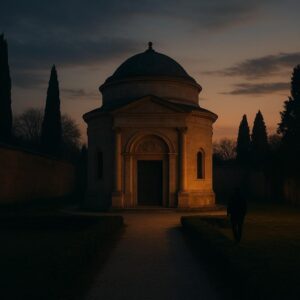
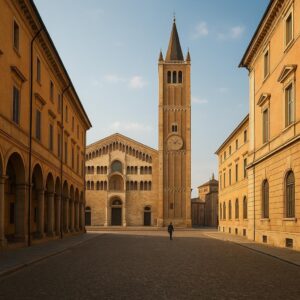
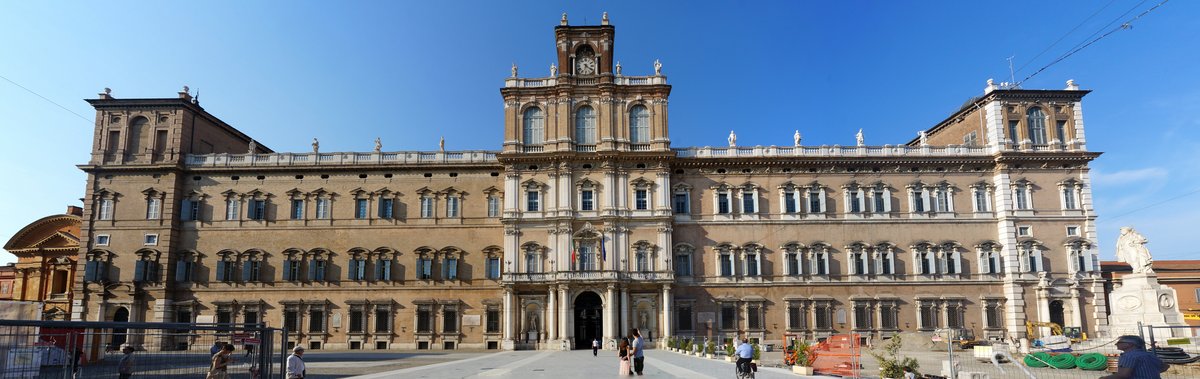
Ducal Palace of Modena: 17th-century Este residence with pink marble facade. Visit the Estense Gallery with works by Cosmè Tura and the Civic Museum with archaeological finds. Admire the Staircase of Honor and ducal apartments in the historic center.
- Corso Camillo Benso di Cavour, Modena (MO)
- Open in Google Maps
- View on Google Images Palazzo Ducale a Modena
Good to know
Introduction
As soon as you pass through the gate of the Ducal Palace of Modena, you immediately understand you’re in a special place. It’s not just a palace, but the beating heart of Este history, with that majestic pink marble facade welcoming you in Piazza Roma. Inside, the Civic Museum and the Este Gallery await you, treasures that tell centuries of art and power. Walking through its halls is like flipping through a living history book, with frescoes that leave you breathless and details that speak of dukes and duchesses. If you love Renaissance art and want to immerse yourself in the atmosphere of an ancient court, this is the right place. Don’t miss the grand staircase, a masterpiece of elegance that takes you straight back to the 18th century.
Historical Overview
The Ducal Palace was built in 1634 at the behest of Francesco I d’Este, who desired a residence worthy of his power. For decades, it served as the heart of the Duchy of Modena and Reggio, hosting lavish celebrations and political decisions. In 1860, with the unification of Italy, it became home to the Military Academy, yet it has preserved its original splendour intact. Today, in addition to the museum, it hosts temporary exhibitions that attract enthusiasts from across the region.
- 1634: Construction begins for Francesco I d’Este
- 18th Century: Expansions under the Este dynasty
- 1860: Becomes the Military Academy
- Today: Home to the Civic Museum and Estense Gallery
Artistic Treasures Within the Walls
The Estense Gallery is the crown jewel, with works by artists like Cosmè Tura and El Greco that transport you through time. These aren’t just any paintings: here you’ll find the Bust of Francesco I, a portrait so realistic it seems to speak, and Bernardo Daddi’s Madonna and Child, a fourteenth-century gem. At the Civic Museum, discover local archaeological finds, like the Roman jars unearthed in the province, telling you what life was like here before the dukes. Every room has a story: in the Throne Room, imagine court receptions, while in the ancient library you breathe the scent of old paper. If you’re an enthusiast, pause to admire the stucco details: they’re signed by Modenese craftsmen of the era.
Secrets and curiosities not to be missed
Beyond the masterpieces, the palace conceals lesser-known yet equally fascinating corners. Seek out the inner courtyard, where the dukes once hosted tournaments: today it’s a peaceful oasis in the city center, perfect for a break. Then, don’t overlook the spiral staircases leading to the upper floors: they’re an example of 18th-century engineering and offer unique views of the frescoes. If you’re visiting with a group, ask about the Tapestry Hall, with its fabrics depicting historical battles. And for a touch of mystery, read the Latin inscriptions on the fireplaces: some quote local poets like Ludovico Ariosto. These are the details that make the visit personal and memorable.
Why Visit It
First, for the concentration of art and history in one place: here you can see both the paintings of the Estense Gallery and the artifacts of the Civic Museum, without having to rush around. Second, for the authentic atmosphere: it’s not a cold museum, but a palace that has lived, with rooms that still seem inhabited. Third, for the central location: it’s in Piazza Roma, just steps from the Cathedral and typical local spots, ideal for a walking itinerary. If you want to understand Modena beyond balsamic vinegar, this is the starting point. Bring your camera: the ceiling frescoes alone are worth the ticket.
When to Go
The best time is early afternoon, when natural light filters through the high windows and illuminates the frescoes, creating shadow plays that enhance the details. Avoid weekend peak hours if you prefer tranquility. In autumn, with leaves falling in Piazza Roma, the atmosphere becomes even more romantic. In summer, take advantage of special evening openings: the palace comes alive with themed guided tours. In winter, the heating in the halls makes you feel like a guest of the court.
In the Surroundings
After your visit, take a short walk to the Modena Cathedral, a UNESCO World Heritage site just minutes away: its Romanesque facade is an unmissable masterpiece. Then, if you’re in the mood for a local taste, head to a traditional vinegar cellar nearby, where you can discover the secrets of Modena DOP balsamic vinegar. It’s an experience that combines culture and flavor, typical of the Emilia-Romagna region. If you prefer something else, the Museum of Figurines is just a short distance away, with curious collections that appeal to both adults and children.
Itineraries nearby

💡 Did You Know…?
In the Hall of Honor, you’ll notice the ceiling frescoed by Marco Antonio Franceschini celebrating the deeds of Francesco I d’Este. Fun fact: here you’ll find the statue of Ciro Menotti, a Modenese patriot, and the palace was home to the Military Academy until 1943. The inner courtyard, with its monumental well, was the heart of court life.