Teatro La Fenice: Perfect Acoustics, Backstage Tours, and a Story of Rebirth

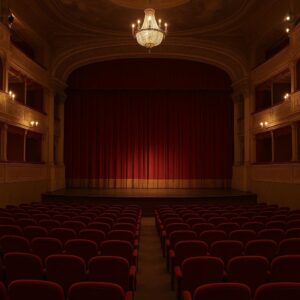
Teatro La Fenice in Venice offers a unique cultural experience with its perfect acoustics, considered among the best in the world, and backstage tours that allow visitors to explore the main stage and historic dressing rooms. Located in the San Marco district, the theater is a symbol of rebirth, faithfully reconstructed after two fires, and features neoclassical architecture with sumptuous interiors.

  • Perfect acoustics: Architectural design that distributes sound evenly throughout the hall.
  • Backstage tours: Access to the stage, historic dressing rooms, and the Apollinea Hall, normally closed to the public.
  • Story of rebirth: Reconstructed after fires in 1836 and 1996, using traditional techniques such as hand-applied gold leaf.
  • Neoclassical architecture: Interiors with gilding, red velvet, and frescoes that recount centuries of musical history.


Events nearby


Copertina itinerario Teatro La Fenice: Perfect Acoustics, Backstage Tours, and a Story of Rebirth
Teatro La Fenice in Venice: Among the world’s best acoustics, guided tours with access to stage and historic dressing rooms, neoclassical architecture with gilded interiors and red velvet. Symbol of rebirth after two fires.

Good to know


Introduction

The Teatro La Fenice is not just an opera house: it’s the beating heart of Venetian culture, a place where history can be felt with every step. As soon as you cross the threshold, you’re welcomed by a magical atmosphere, made of red velvet, gilding, and that silence heavy with anticipation that precedes the performance. Here, within walls that have seen masterpieces like Verdi’s La Traviata come to life, you understand why Venice has been synonymous with elegance and art for centuries. The feeling is that of entering a historic drawing room, where every detail tells a story. It doesn’t matter if you’re an opera enthusiast or simply curious: La Fenice captivates you with its unique aura, making you feel part of something special. It’s an experience that goes beyond a visit, becoming an unforgettable moment in your journey to Venice.

Historical Notes

The history of Teatro La Fenice is a succession of rebirths, just as its name suggests. Founded in 1792, it has suffered two devastating fires: the first in 1836 and the most severe in 1996, which reduced it almost to ashes. Each time, however, it has risen more beautiful than before, thanks to philological reconstructions that have preserved its original appearance. Here, fundamental works of the Italian repertoire premiered, signed by composers such as Rossini, Bellini, and Donizetti. The theater has always maintained a visceral connection with the city, becoming a symbol of Venetian resilience. Today, after its last reopening in 2003, it continues to be one of the most prestigious opera houses in the world, keeping the musical tradition alive in an architectural context of rare beauty.

  • 1792: Inauguration of the theater with the opera “I Giuochi d’Agrigento”
  • 1836: First fire and reconstruction in just 11 months
  • 1996: Devastating fire that destroys most of the structure
  • 2003: Reopening after a reconstruction faithful to the original

Perfect Acoustics

One of the most extraordinary aspects of Teatro La Fenice is its perfect acoustics, considered among the best in the world. This is not by chance but the result of an architectural design meticulously planned down to the smallest details. The horseshoe shape of the hall, the materials used, and even the decorations all contribute to distributing sound evenly to every corner. During guided tours, a test is often conducted: a person whispers from the stage and can be clearly heard even in the last row of the gallery. This feature makes every performance an exceptional auditory experience, maximizing the voices of the artists and the orchestra’s music. For enthusiasts, attending a concert here means enjoying music exactly as Verdi’s contemporaries would have heard it, in an environment that is unparalleled.

Behind the Scenes

The true magic of La Fenice is revealed through the behind-the-scenes tour, an experience that takes you to areas normally reserved for artists. You’ll access the main stage, where you can imagine singers preparing for performances, and visit the historic dressing rooms, still furnished with period furniture. Particularly interesting is the Apollinea Hall, a neoclassical space used for rehearsals and side events. During the tour, guides share curious anecdotes about theater life, such as singers’ traditions or stage tricks used in the 19th century. Seeing the theatrical machinery and working spaces up close offers a completely new perspective on what happens before the curtain rises, revealing the backstage of a cultural institution that remains very much alive.

Why Visit It

Visiting La Fenice Theatre is worthwhile for at least three concrete reasons. First: it’s a unique opportunity to walk on a historic stage where the greatest opera artists have performed. Second: the guided tour offers access to areas normally closed to the public, such as dressing rooms and rehearsal halls, giving a complete idea of how an opera theatre works. Third: even if you can’t attend a performance, the theatre often organizes open rehearsals or daytime concerts at affordable prices, allowing you to experience the thrill of live music in an extraordinary setting. Additionally, the bookshop sells special editions of scores and books on the theatre’s history, perfect as cultural souvenirs.

When to Go

The most enchanting time to visit Teatro La Fenice is in the early morning hours, when natural light filters through the windows and illuminates the hall’s gilded decorations, creating spectacular plays of light. During this time, there are also fewer visitors, allowing you to enjoy the atmosphere in relative tranquility. As for the time of year, autumn is particularly captivating: the opera season has just begun, the air is crisp, and the city is less crowded than in summer. Additionally, themed tours related to the scheduled operas are often organized during this period, further enriching the experience.

In the Surroundings

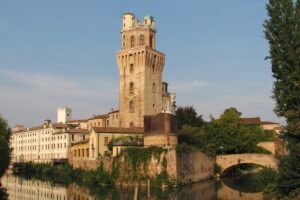
After visiting La Fenice Theatre, continue your immersion in Venice’s cultural scene with two nearby experiences. Just a short walk away is the Scala Contarini del Bovolo, a cylindrical tower featuring a spectacular spiral staircase that offers a unique panoramic view over the city’s rooftops. For a deeper musical exploration, head to the Museum of Music at the Church of San Maurizio, where ancient instruments and original scores tell the story of Venetian music. Both sites are accessible with a brief stroll through calli and bridges, allowing you to discover less-trodden corners of the San Marco district.

Itineraries nearby


💡 Did You Know…?

A little-known detail: during the reconstruction after the 1996 fire, Venetian artisans worked for years using traditional techniques, such as hand-applied gold leaf, to restore the theater to its former glory. Additionally, La Fenice hosted the world premieres of famous operas like Verdi’s ‘La Traviata’ in 1853, and even today, during rehearsals, you can hear the perfect echo of voices thanks to the original acoustic design. An interesting anecdote: the name ‘Fenice’ was not chosen by chance; it symbolizes Venice’s ability to rise from adversity, a theme that repeats throughout the city’s history.