Introduction
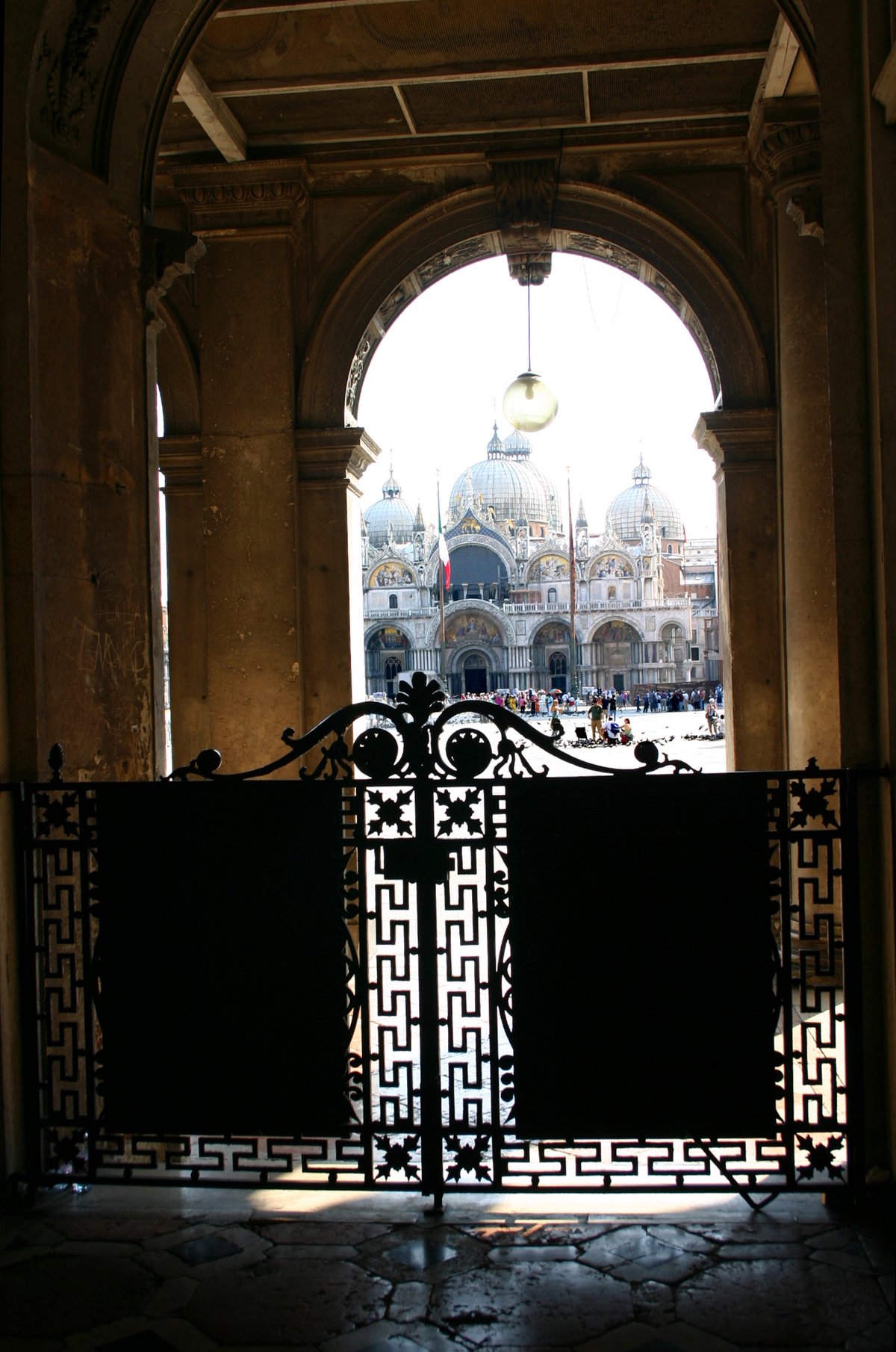
The Correr Museum is not just a museum: it’s the beating heart of Venice, a place where the history of the Serenissima comes to life within the walls of St. Mark’s Square. While crowds flow towards the Basilica or the Doge’s Palace, here you’ll find an oasis of culture, silence, and beauty. Upon entering, you’re greeted by a solemn atmosphere, with rooms that preserve centuries of art, documents, and everyday objects. It’s the perfect spot for those who want to truly understand Venice, beyond the tourist clichés. The view of the squares from the museum windows is an unexpected gift that makes you feel part of the city.
Historical Overview
The museum originates from the collection of Venetian nobleman Teodoro Correr, who bequeathed his vast collection of artworks and artifacts to the city in 1830. Initially housed in the Ca’ Corner della Regina, it found its permanent home in 1922 in the Napoleonic Wing of St. Mark’s Square, a neoclassical building commissioned by Napoleon. The museum narrates the history of Venice from its foundation to the fall of the Republic in 1797, with a particular focus on art and daily life. A special section is dedicated to Antonio Canova, featuring his sketches and plaster models.
- 1830: Teodoro Correr donates his collection to the city.
- 1922: The museum moves to the Napoleonic Wing.
- Today: It houses works from the Middle Ages to the 19th century, including masterpieces by Bellini and Carpaccio.
The Canova Room: A Hidden Treasure
One of the most exciting surprises at the Correr Museum is the Canova Room, dedicated to the great Neoclassical sculptor. Here you’ll find not only finished works but also plaster sketches, preparatory models, and drawings that reveal the artist’s creative process. The models for The Three Graces and the Funerary Monument of Maria Christina of Austria stand out. The room, with its soft lighting and intimate atmosphere, allows you to approach Canova in a personal way, almost as if you were in his studio. It’s a rare experience, far from the clamor of major exhibitions, that art enthusiasts shouldn’t miss.
The Rooms of Venetian Life
Beyond art, the Correr Museum offers a fascinating journey into the daily life of historic Venice. The rooms display objects such as coins, medals, scientific instruments, jewelry, and even period clothing. Particularly interesting are the collections of ancient maps, which illustrate how Venetians viewed the world, and everyday ceramics. These sections, often overlooked by hurried visitors, tell stories of merchants, navigators, and citizens, giving a human face to the grandeur of the Serenissima. It’s like flipping through the city’s family album.
Why Visit It
Visit the Correr Museum for three practical reasons. First, you avoid the queues at the busiest spots in St. Mark’s Square, enjoying a stress-free cultural experience. Second, with a single ticket you also gain access to the Doge’s Palace and the Marciana Library, optimizing both time and budget. Third, here you’ll find clear information and historical context that help you better understand the rest of the city, from artworks to architecture. It’s the ideal starting point to explore Venice with awareness.
When to Go
The best time to visit the Correr Museum is early morning, right after opening, when the halls are still half-empty and natural light filters through the windows overlooking the squares. Alternatively, during autumn or winter months, when mass tourism subsides, you can enjoy the museum more peacefully. Avoid summer weekends or peak season days if possible for a more intimate experience. The afternoon light, however, creates warm atmospheres in the neoclassical halls.
In the Surroundings
After the Correr Museum, explore the Doge’s Palace to delve deeper into Venice’s political history, or visit the nearby Sansovinian Library in the Marciana Library, with its frescoed ceilings. For a break, stop by Caffè Florian in St. Mark’s Square, one of Europe’s oldest historic cafés, perfect for savoring the Venetian atmosphere with a coffee or a small drink. These places, just a few steps away, complete the picture of the cultural and social life of the Serenissima.