Monfalcone Shipbuilding Museum: Original Ship Models and CRDA Shipyard Memorabilia

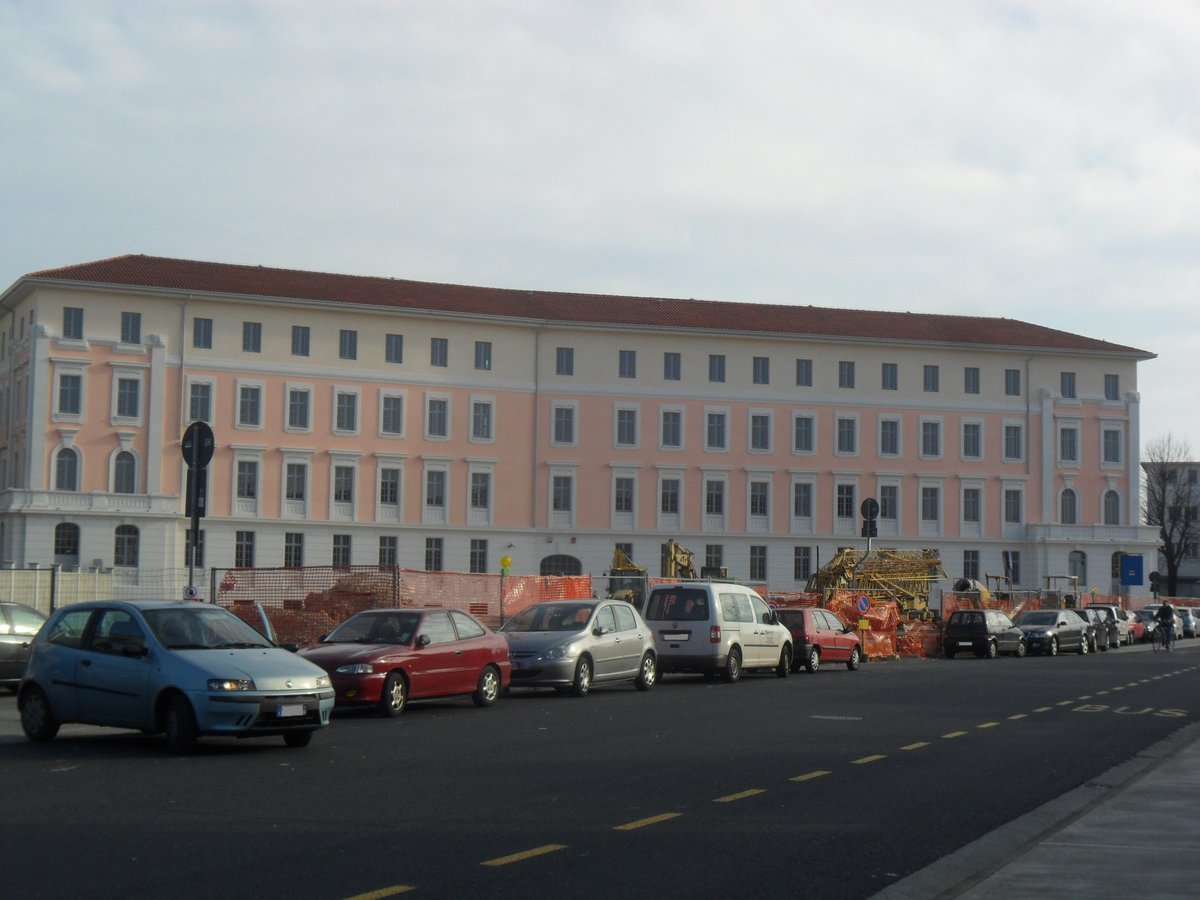
The Monfalcone Shipbuilding Museum, housed in the former Workers’ Hotel, preserves the memory of the Cantieri Navali Riuniti dell’Adriatico (CRDA). Through original ship models, authentic memorabilia, and historical photographs, relive the industrial saga that built famous transatlantic liners and military vessels.

  • Original scale ship models used in the shipyard, such as the transatlantic liner Saturnia and the Blue Riband-winning Rex.
  • Everyday memorabilia of shipyard workers: work overalls, tools, photographs, and personal documents.
  • Section dedicated to submarines with unique artifacts on submarine construction.
  • Modern and engaging exhibition route in the historic building of the former Workers’ Hotel.
Copertina itinerario Monfalcone Shipbuilding Museum: Original Ship Models and CRDA Shipyard Memorabilia
The museum displays original models of transatlantic liners like the Saturnia and Rex, shipyard workers’ memorabilia, and tells the history of the Cantieri Navali Riuniti dell’Adriatico from 1908. Housed in the former Workers’ Hotel.

Good to know


Introduction

As soon as you step into the Monfalcone Shipbuilding Museum, you’re greeted by an atmosphere that smells of the sea and hard work. This isn’t your typical dusty museum: here you breathe the living history of the shipyards that made Italy great. The tour guides you through ship models so detailed they seem ready to set sail, authentic relics that tell stories of workers and engineers, and installations that make you feel part of that era. The real surprise? Discovering how Monfalcone, seemingly an inland city, has a soul deeply connected to the sea through its shipbuilding industry. The museum is housed in the former Workers’ Hotel, a historic building that once welcomed shipyard workers, adding an extra layer of authenticity to your visit.

Historical Overview

The museum’s history is intertwined with that of the Cantieri Navali Riuniti dell’Adriatico (CRDA), which built legendary ships in Monfalcone from 1908. During your visit, you quickly realize this isn’t just about boats, but a fundamental piece of Italy’s industrial identity. The museum was established in 2018 precisely to preserve this memory, collecting artifacts that would otherwise have been lost. Through vintage photographs, work tools, and original designs, you’ll relive the evolution of local shipbuilding, from transatlantic liners to military vessels, and on to modern units.

  • 1908: Foundation of the Cantieri Navali Triestini, later CRDA.
  • 1930s-1950s: Golden era with construction of transatlantic liners like the Saturnia.
  • 2018: Official opening of the Shipbuilding Museum.

Ship Models: Miniature Masterpieces

The most fascinating section is undoubtedly the one dedicated to scale ship models, crafted with meticulous precision. These are not mere reproductions: many are the original models used in shipyards to design real vessels, such as the transatlantic Saturnia or the motor ship Ausonia. Observing them up close, you notice every detail, from portholes to decks, and understand the craftsmanship behind these works. Some models are so large they occupy entire display cases, creating a remarkable visual impact. It’s like having a miniature fleet before your eyes, ready to recount decades of Italian naval innovation. For children (and not only) it’s a true spectacle that sparks curiosity.

Relics and Human Stories

Beyond the ships, the museum shines with the everyday relics that tell the story of the shipyard workers’ lives. You’ll see worn work overalls, original tools, black-and-white photographs depicting workers on the job, and even personal documents like ID cards and diaries. These objects give a face to history, transforming it from abstract to profoundly human. A section is dedicated to submarines, with unique artifacts related to submarine construction in Monfalcone. Reading the workers’ testimonies or seeing their tools helps you appreciate the effort and pride behind every launched ship. It’s a dive into the collective memory of a community that made shipbuilding its pride.

Why Visit It

First: it’s a unique museum in Friuli-Venezia Giulia, dedicated exclusively to shipbuilding, so you won’t find it elsewhere. Second: the visit is engaging for all ages, with clear routes and accessible explanations that require no prior knowledge. Third: it offers an authentic glimpse into a lesser-known aspect of Italian industrial history, away from the usual tourist clichés. Plus, its location in the heart of Monfalcone makes it easy to combine with other explorations in the city. If you love history, the sea, or simply want to discover something different, you won’t be disappointed here.

When to Go

The best time to visit is an autumn or winter afternoon, when the cooler weather invites exploration of indoor spaces. During these seasons, the soft light filtering through the windows of the former Albergo Operai creates a particularly evocative atmosphere, enhancing the historical aura of the place. Avoid days of heavy rain if you also want to explore the surroundings on foot, but for the museum itself, any time is suitable thanks to the well-organized indoor spaces. The tranquility of the less crowded months allows you to enjoy the exhibits calmly, without rush.

In the Surroundings

After the museum, take a quick trip to Monfalcone’s Rocca Park, a short walk offering a panoramic view of the city and the still-active shipyards, ideally connecting past and present. For a thematic experience, visit the Monfalcone Great War Museum, which delves into the area’s wartime events, completing the historical picture of the region. Both sites are within walking distance from the center, enriching your day with different perspectives on local history.

💡 Did You Know…?

Not everyone knows that among the memorabilia on display is the original model of the transatlantic liner ‘Rex’, winner of the Blue Riband in 1933. Looking at it up close, you can appreciate the craftsmanship of the era. Additionally, some archival photos show workers on the job in the 1950s, taken right inside the Monfalcone shipyards, offering a unique glimpse into daily life. The visit often concludes with the screening of original historical footage, making the experience even more vivid.