Introduction
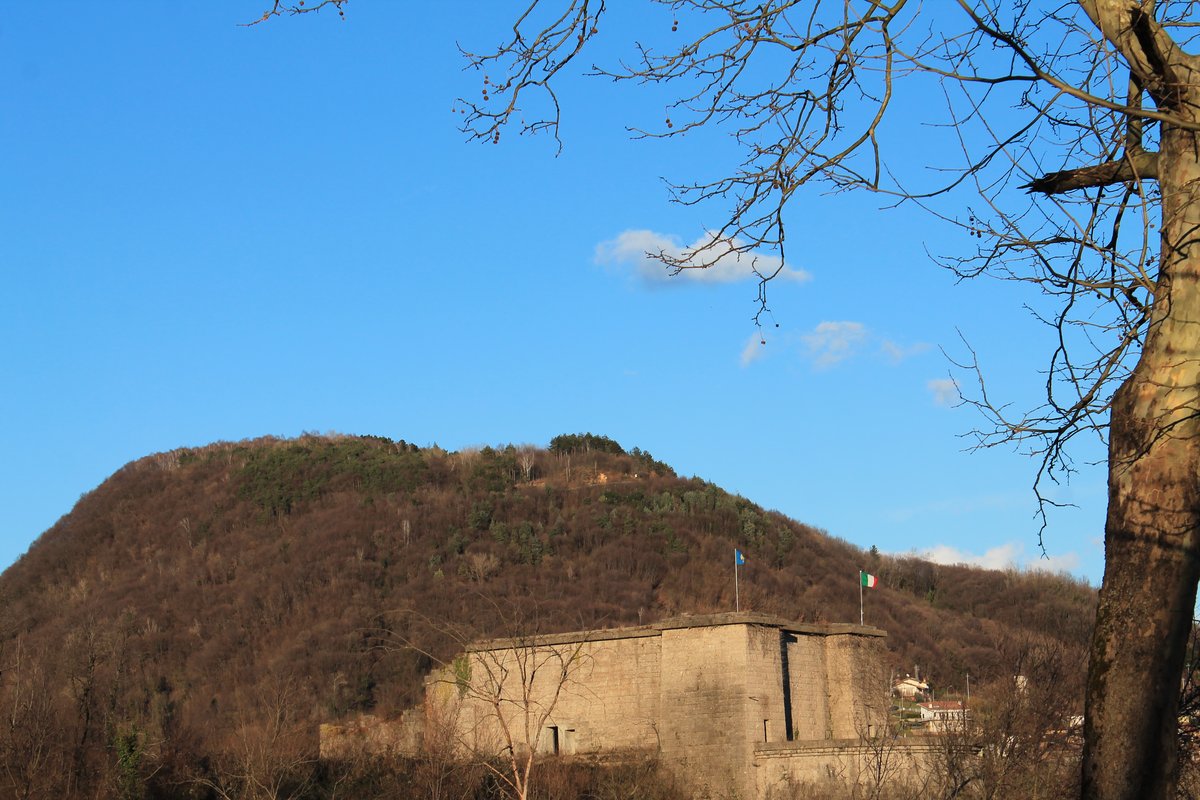
The Unfinished Sacrario of Pinzano al Tagliamento is a place that strikes with its essence suspended between memory and nature. Not a completed monument, but a reinforced concrete structure that stands out on the hill, with a breathtaking view of the Tagliamento River below. Here, silence speaks louder than words: you breathe a unique atmosphere, made of respect and contemplation. It is a spot that invites you to stop, observe the landscape, and reflect. Its raw and incomplete architecture, surrounded by greenery, creates a powerful contrast that remains impressed. Perfect for those seeking an experience off the usual tourist circuits, it offers an authentic and touching moment of pause.
Historical Notes
The Shrine originated from a 1960s project designed to honor the fallen of all wars, but it was never completed. Its construction was halted, leaving what now appears as a structure suspended in time. This ‘unfinished’ state has made it a powerful symbol of collective memory, a warning against the horrors of war. It is not dedicated to a single military event but represents a universal tribute. Its strategic hilltop location is no coincidence: it overlooks the Tagliamento Valley, a historic crossroads and front line during World War I. Its history is intertwined with that of the territory, making it an identity-forming place for the local community.
- 1960s: Design of the shrine begins.
- Late 1960s/early 1970s: Construction starts and is subsequently interrupted.
- Today: The site is preserved as a place of memory and is open to visitors.
Architecture of Memory
What makes this memorial unique is precisely its unfinished state. You won’t find elaborate statues or monumental inscriptions, but concrete pillars reaching toward the sky, beams that don’t support a roof, and structures that seem halted mid-construction. This ‘incompleteness’ is rich with meaning: it represents memory itself, always evolving, and the unfinished nature of peace. Walking among these raw architectural elements, with grass growing through the cracks, is a visual and tactile experience. Sunlight filtering through the pillars creates evocative plays of shadow, changing the appearance of the place depending on the time of day. It’s a continuous dialogue between human work, interrupted, and nature slowly embracing it.
The Path of Memory
The visit to the memorial is often combined with a short, easy walk starting from the village of Pinzano. A well-marked trail, suitable for everyone, gently climbs the hill through a small woodland. This approach on foot is not only practical but adds emotional value: it gradually prepares you for the encounter with the monument. Along the way, discreet informational signs briefly recount the history of the place and the surrounding area. Reaching the top on foot, perhaps in silence, and seeing the concrete structure suddenly appear against the sky is a moment of great impact. The path itself becomes an integral part of the experience, a bridge between the lively village and the hilltop place of reflection.
Why Visit It
Visit the Unfinished Memorial for three concrete reasons. First, for an authentic and non-touristy experience: it’s a place cherished by the community, away from the crowds. Second, for the exceptional view over the Tagliamento gorge and its famous bridges, a panorama that alone is worth the trip. Third, for its uniqueness: it’s rare to find in Italy a memorial monument intentionally left incomplete, which stimulates personal reflection more than any traditional museum. It’s a place that speaks to the heart and mind, without needing lengthy explanations.
When to Go
The best time to visit is undoubtedly in the late afternoon, especially during the shoulder seasons like spring or early autumn. The low-angled sunlight illuminates the concrete structures, creating long shadows and accentuating textures, offering truly evocative atmospheres. During these hours, the day’s heat subsides, and the silence deepens further. Avoid the midday hours in summer if you dislike strong sun, as the site is completely exposed. A visit on a clear-sky day will reward you with a sharp, unforgettable view of the river and the Prealps.
In the Surroundings
The visit to the shrine can easily be combined with other thematic experiences in Pinzano. Not far away, you can admire up close the imposing Pinzano Bridge, an engineering feat spanning the Tagliamento River, rebuilt after the war. For a more traditional historical exploration, in the center of Pinzano village, you’ll find the Great War Museum, which preserves artifacts and documents from the Tagliamento front, providing precise context to the memory that the shrine evokes in a more abstract way.