
🧭 What to Expect
- Ideal for those seeking authentic destinations that are not overcrowded, lovers of history and nature.
- Highlights: Roman Gold Ecomuseum, panoramic medieval castles, sanctuaries immersed in greenery, and territorial museums.
- Perfect for travelers who want to explore on foot or by car, with a structured itinerary and interactive map available.
Events nearby
The Province of Biella is a land of contrasts, where the industrial heritage of wool mills blends with a surprising historical and natural heritage. Here you'll find the Santuario di Nostra Signora della Brughiera in Bulliana, a pilgrimage destination surrounded by greenery, and the Cathedral of Santo Stefano in the heart of Biella, with its Romanesque bell tower dominating the city. Don't miss the Bessa Gold Ecomuseum in Vermogno, where you discover ancient Roman extraction techniques, and the numerous castles such as those of Zumaglia and Verrone dotting the hills. The Giardini Zumaglini offer an oasis of peace in the city center, while the Museo del Territorio Biellese tells centuries of local history. It's the perfect place for those seeking art, nature, and authentic traditions, away from mass tourism.
Overview
- Shrine of Our Lady of the Moorland
- Shrine of Our Lady of the Moorland
- Santo Stefano Cathedral
- Santo Stefano Cathedral
- The Bessa Gold Ecomuseum
- Castello di Zumaglia
- Museum of the Biellese Territory
- Verrone Castle
- Zumaglini Gardens
- Gold and Stone Workshop Museum
- Cerreto Castle
- Castellengo Castle
- Monte Barone
- Monte Barone
- Biella Botanical Garden
- Megalithic Circle of Cavaglià
- Wheel Factory
- Castello la Rocchetta
Itineraries nearby


Shrine of Our Lady of the Moorland
- Go to the page: Brughiera Sanctuary: 17th-Century Marian Fresco and Panoramic Trail in the Elvo Valley
- Strada dell'Incoronata, Bulliana (BI)
- Open in Google Maps
- View on Google Images
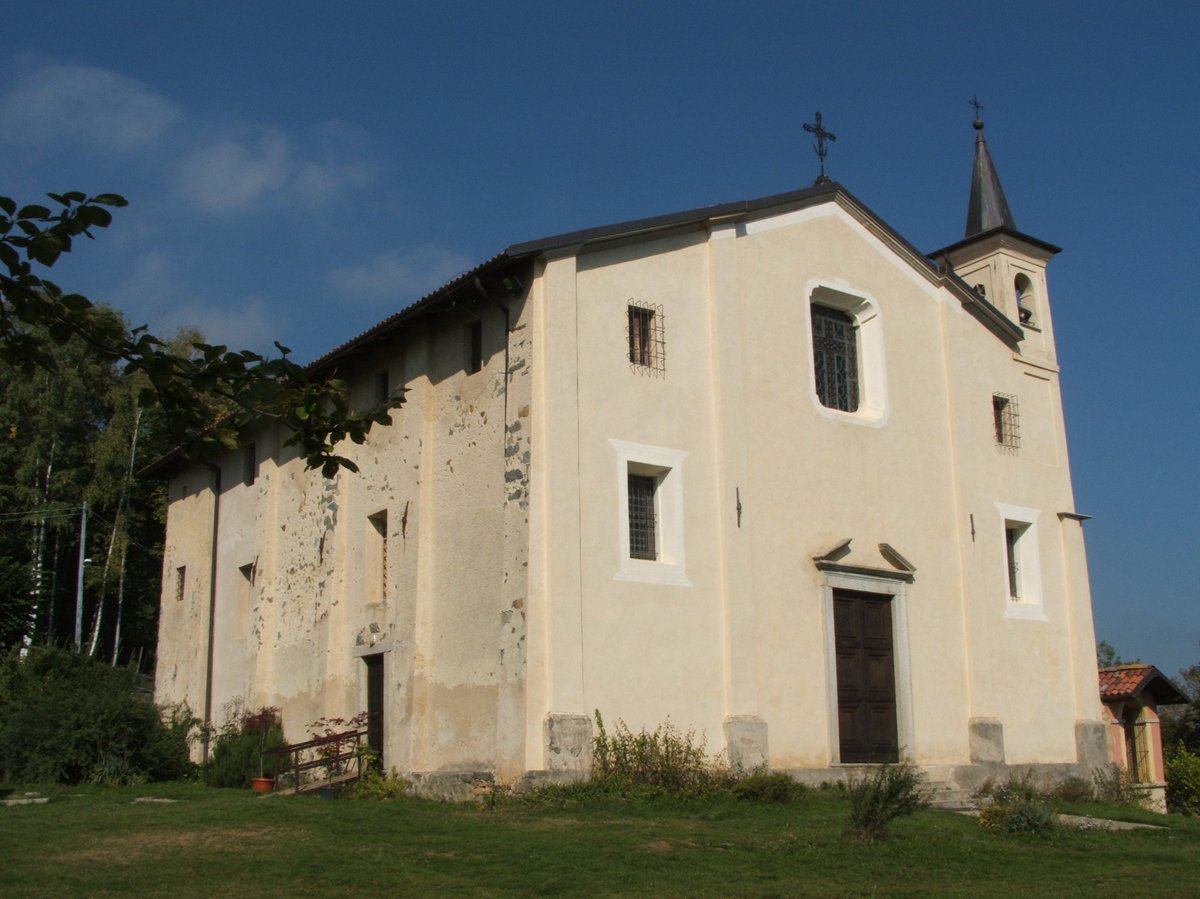 The Shrine of Our Lady of the Moorland in Bulliana is a hidden gem among the Biella hills, a place that remarkably combines devotion and landscape. Its origins date back to the 17th century, when according to tradition, the Madonna appeared to a deaf-mute shepherdess who miraculously regained her speech. This event has made the shrine a pilgrimage destination for centuries, especially during the feast on September 8. The building strikes for its simplicity: a sober facade of local stone blends with the surroundings, while inside there is an atmosphere of contemplation. Notable are the preserved votive offerings, tangible testimonies of popular faith expressed here over time. The shrine stands in a secluded location, surrounded by meadows and woods of beech and chestnut trees, ideal for a quiet pause away from the chaos. It is worth observing the small bell-gable and the statue of the Madonna placed outside, a landmark for the faithful. For visitors, I recommend combining the stop with a walk in the area, perhaps along the trails that branch off towards nearby hamlets. Admission is free and the site is open year-round, although in summer it is easier to find someone to tell local stories. Bring a camera: the light filtering through the trees creates unique plays of light, especially at sunset.
Shrine of Our Lady of the Moorland
- Go to the page: Shrine of Our Lady of the Moor: Between Miracles and Baroque
- Strada dell'Incoronata, Bulliana (BI)
- Open in Google Maps
- View on Google Images
The Shrine of Our Lady of the Moorland in Bulliana is a hidden gem among the Biella hills, a place that remarkably combines devotion and landscape. Its origins date back to the 17th century, when according to tradition, the Madonna appeared to a deaf-mute shepherdess who miraculously regained her speech. This event has made the shrine a pilgrimage destination for centuries, especially during the feast on September 8. The building strikes for its simplicity: a sober facade of local stone blends with the surroundings, while inside there is an atmosphere of contemplation. Notable are the preserved votive offerings, tangible testimonies of popular faith expressed here over time. The shrine stands in a secluded location, surrounded by meadows and woods of beech and chestnut trees, ideal for a quiet pause away from the chaos. It is worth observing the small bell-gable and the statue of the Madonna placed outside, a landmark for the faithful. For visitors, I recommend combining the stop with a walk in the area, perhaps along the trails that branch off towards nearby hamlets. Admission is free and the site is open year-round, although in summer it is easier to find someone to tell local stories. Bring a camera: the light filtering through the trees creates unique plays of light, especially at sunset.Santo Stefano Cathedral
- Go to the page: St. Stephen's Cathedral in Biella: Medieval Frescoes and 10th-Century Romanesque Bell Tower
- Piazza Monsignor Carlo Rossi, Biella (BI)
- Open in Google Maps
- View on Google Images
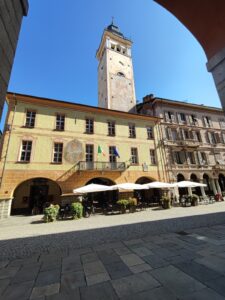
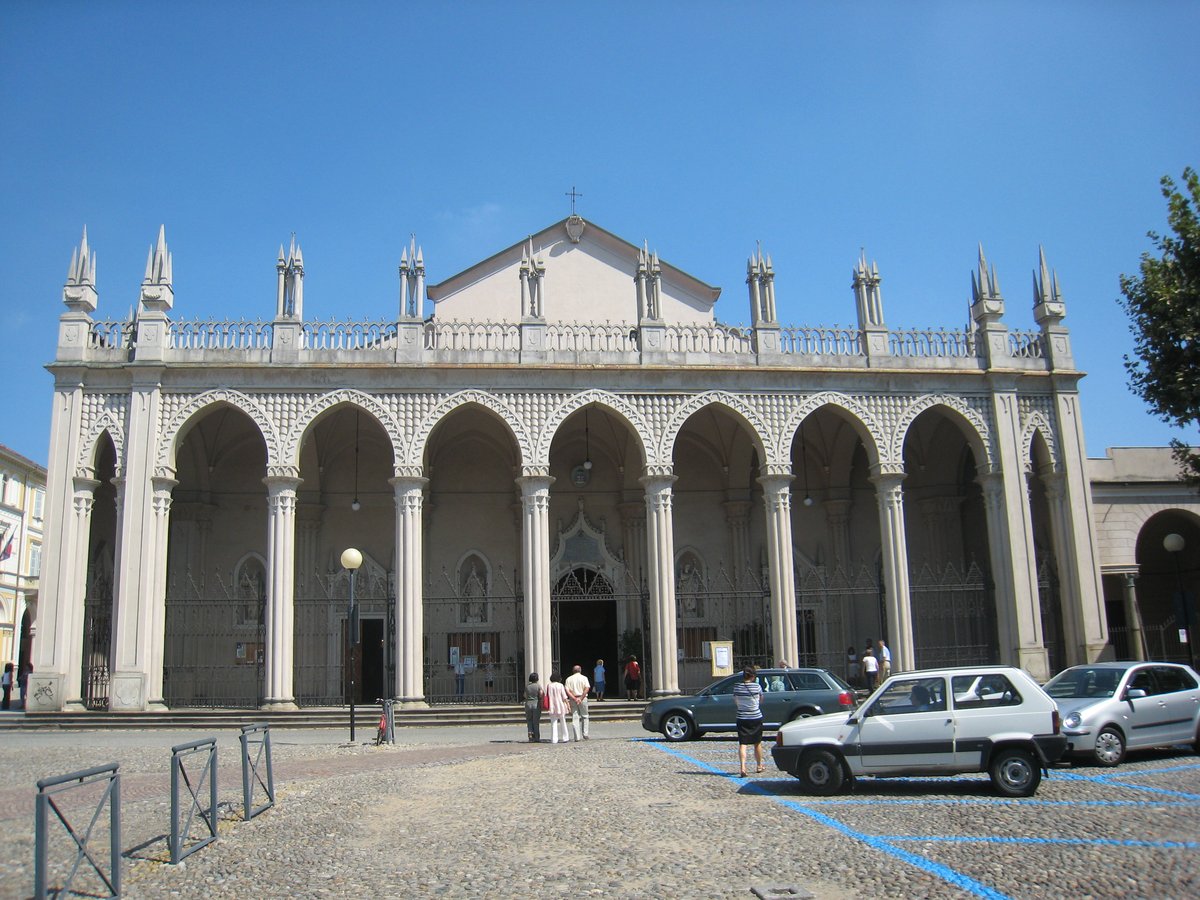 The Santo Stefano Cathedral dominates the historic center of Biella with its imposing stone façade. Built between the 11th and 12th centuries, it is an example of Piedmontese Romanesque architecture. Inside, the serizzo columns and carved capitals with plant and animal motifs immediately catch the eye. The crypt, accessible from side staircases, preserves traces of 14th-century frescoes and a quiet atmosphere. Notable is the bell tower, 40 meters high, offering panoramic views of the city and the Prealps. Inside, look for the polyptych by Defendente Ferrari in the side chapel, with scenes from the life of Saint Stephen. The cathedral is still an active place of worship: if you visit on Sunday, you might attend mass with the choir. Admission is free, but check the hours as they vary depending on services. For a break, the adjacent gardens are ideal for sitting in the shade. I recommend combining the visit with the nearby Baptistery of San Giovanni Battista, separate from the cathedral but part of the same religious complex.
Santo Stefano Cathedral
- Go to the page: St. Stephen's Cathedral in Biella: A Journey Between Faith and Artistic Treasures
- Piazza Monsignor Carlo Rossi, Biella (BI)
- Open in Google Maps
- View on Google Images
The Santo Stefano Cathedral dominates the historic center of Biella with its imposing stone façade. Built between the 11th and 12th centuries, it is an example of Piedmontese Romanesque architecture. Inside, the serizzo columns and carved capitals with plant and animal motifs immediately catch the eye. The crypt, accessible from side staircases, preserves traces of 14th-century frescoes and a quiet atmosphere. Notable is the bell tower, 40 meters high, offering panoramic views of the city and the Prealps. Inside, look for the polyptych by Defendente Ferrari in the side chapel, with scenes from the life of Saint Stephen. The cathedral is still an active place of worship: if you visit on Sunday, you might attend mass with the choir. Admission is free, but check the hours as they vary depending on services. For a break, the adjacent gardens are ideal for sitting in the shade. I recommend combining the visit with the nearby Baptistery of San Giovanni Battista, separate from the cathedral but part of the same religious complex.The Bessa Gold Ecomuseum
- Go to the page: Bessa Gold Ecomuseum: Ancient Roman Mine with 10-Meter-High Pebble Mounds
- Via Luciano Debernardi, Vermogno (BI)
- Open in Google Maps
- View on Google Images
- +39 015 351128
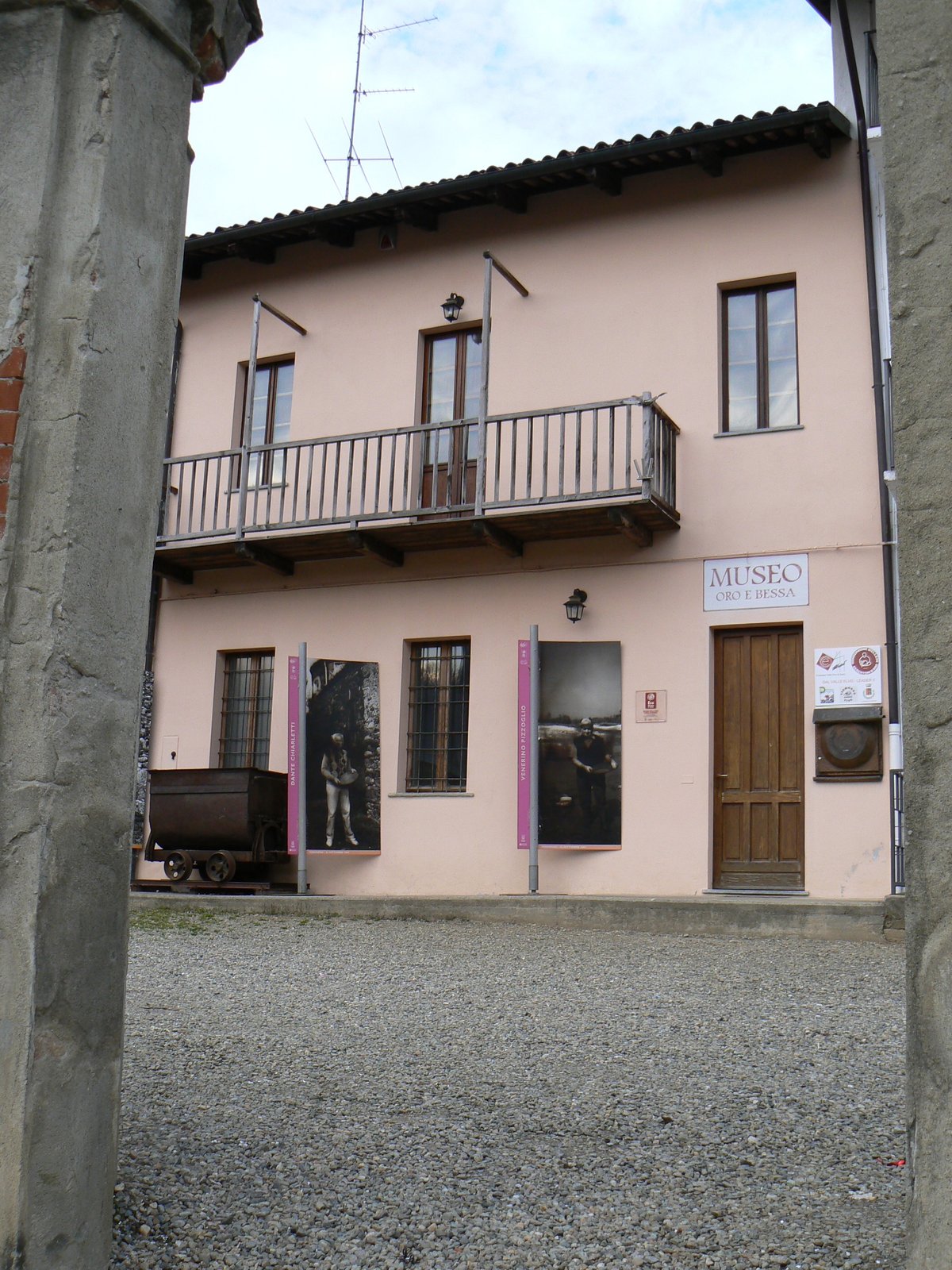 The Bessa Gold Ecomuseum in Vermogno takes you straight into the heart of one of the largest open-pit gold mines of antiquity. Here the Romans extracted gold from the 1st century BC, leaving a unique landscape of pebble mounds stretching for kilometers. Walking among these stone walls up to 10 meters high is an experience that makes you feel like an explorer. The site covers about 10 km² and is a true monument of industrial archaeology in the open air. Its uniqueness lies in the fact that you can touch history: the pebble mounds are the result of the washing of gold-bearing materials carried out by the Romans. Today, the trail winds along well-marked paths that guide you through this expanse of ancient stones. Observation points allow you to appreciate the entire extent of the site. The area is equipped with explanatory panels that tell the story of Roman extraction techniques and the lives of miners. The visit is suitable for everyone, with trails of varying lengths. The best time to enjoy the view is at sunset, when the raking light accentuates the shapes of the pebble mounds. Remember to wear comfortable shoes because the terrain is uneven. Entry is free and the site is always accessible, but I recommend checking the weather conditions before going.
Castello di Zumaglia
- Via Castello, Zumaglia (BI)
- Open in Google Maps
- View on Google Images
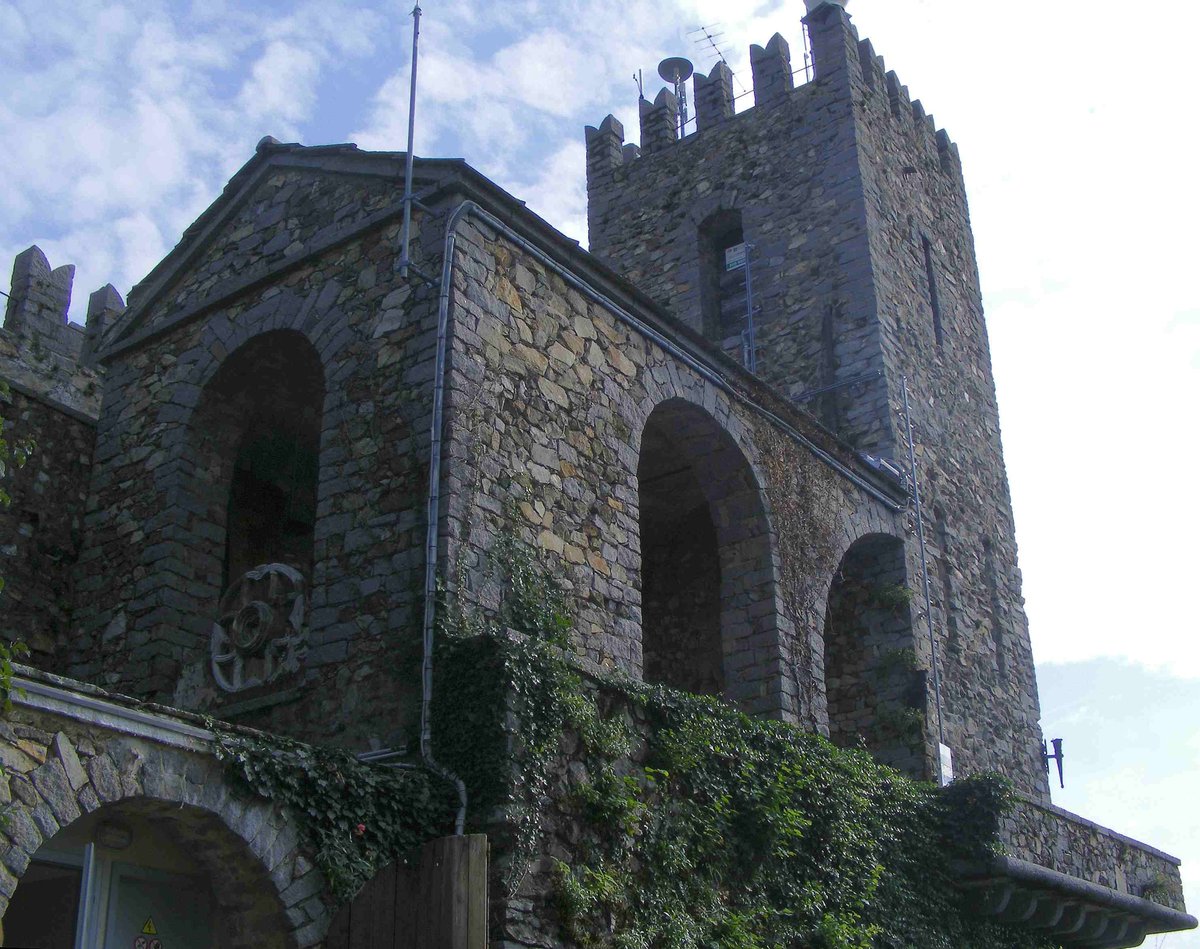 The Castello di Zumaglia rises on a hill at 593 meters above sea level, offering a stunning panoramic view of the Biella plain and the Alpine arc. Built between the 12th and 13th centuries, this manor has preserved its original structure despite later renovations. Its strategic position makes it a prime vantage point, with the square tower towering impressively over the surrounding landscape. Access to the castle is via a path through the woods, which already offers suggestive glimpses during the climb. Inside, you can admire the restored halls that occasionally host exhibitions and cultural events. The surrounding park is perfect for a relaxing break, with benches where you can sit and enjoy the silence broken only by birdsong. The internal chapel, dedicated to San Grato, still preserves traces of the original frescoes. The peculiarity of this castle is its dual nature: on one side the defensive structure with well-preserved perimeter walls, on the other the noble residence with its refined rooms. The best time to visit is early afternoon, when the warm sunlight enhances the colors of the ancient stones. I recommend always checking the opening hours because the castle is not always open to the public.
Museum of the Biellese Territory
- Via Gera, Biella (BI)
- https://www.museodelterritorio.biella.it/
- Open in Google Maps
- View on Google Images
- museo@comune.biella.it
- +39 015 2529345
 The Museum of the Biellese Territory is an essential reference point for anyone wanting to truly understand this area of Piedmont. Located in the center of Biella, it occupies the spaces of the former convent of San Sebastiano, a historic building that alone merits a visit. The permanent collection is organized into thematic sections ranging from archaeology to art, including ethnography and local history. Among the most significant artifacts are the materials from the Bessa, the ancient Roman gold mine, and the rich collection of medieval finds. The rooms dedicated to the wool tradition are particularly interesting: here you discover how the Biellese became one of the most important textile districts in Europe. The museum is not just display cases and labels: it regularly organizes temporary exhibitions, educational workshops, and themed guided tours. The layout is modern and accessible, with clear explanatory panels and a special focus on multimedia. I recommend dedicating at least a couple of hours to visit it calmly, focusing especially on the archaeological section and the one dedicated to local sacred art. The bookshop offers specialized publications on the history of the area, while the inner cloister is an oasis of tranquility for a break.
Verrone Castle
- Via della Valletta, Verrone (BI)
- Open in Google Maps
- View on Google Images
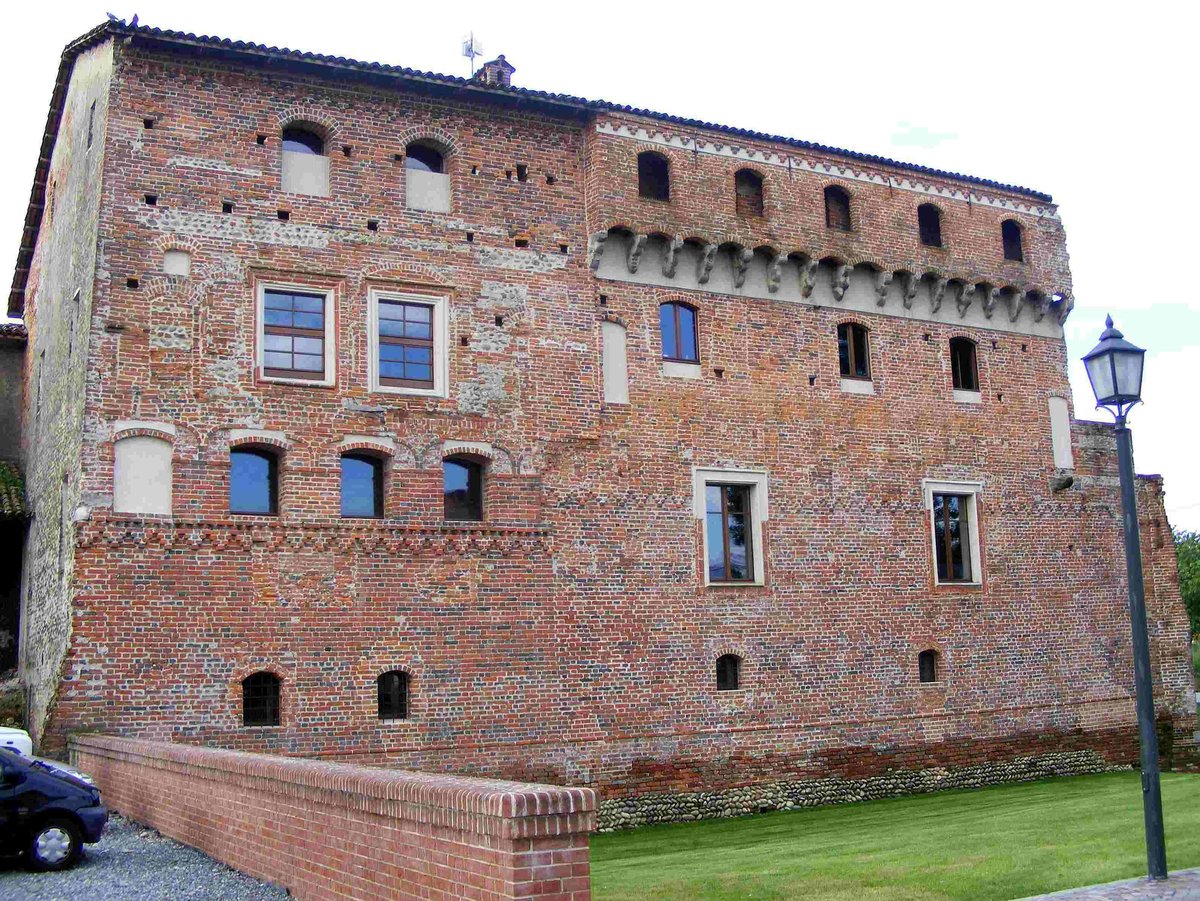 The Verrone Castle rises on a hilltop overlooking the town, offering spectacular views of the Biella hills and the surrounding plain. Its structure dates back to the 10th century, with later modifications in medieval and Renaissance times. Its strategic position made it an important territorial control point for centuries. Today the castle is privately owned but can be visited on special occasions and during cultural events. The building retains original architectural elements such as the crenellated towers and stone perimeter walls. Inside, visitors can admire halls with vaulted ceilings and monumental fireplaces. The surrounding park, with its ancient centuries-old trees, completes the evocative atmosphere. For those visiting the province of Biella, Verrone Castle is a must-see stop to immerse oneself in local history and enjoy unique panoramas of the Biella Prealps. Its well-preserved medieval military architecture makes it a significant example of the Biella area's historical heritage.
Zumaglini Gardens
- Biella (BI)
- Open in Google Maps
- View on Google Images
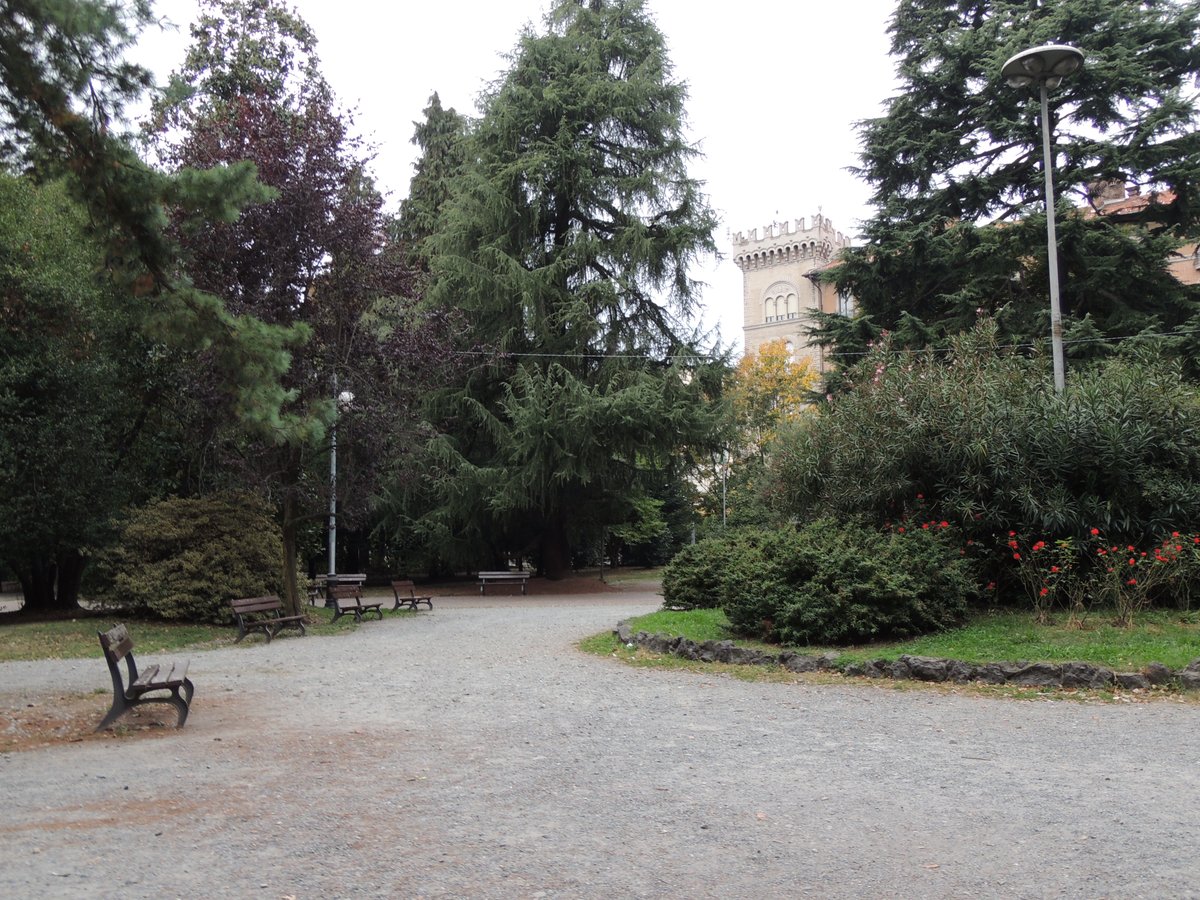 The Zumaglini Gardens are the green lung of Biella's historic center, a place where the city breathes. Located between Piazza Martiri della Libertà and Via Italia, these public gardens offer a refreshing break amid historic buildings and shopping streets. The park takes its name from Michele Zumaglini, a 19th-century Biella physician and botanist, and retains a romantic feel with well-kept paths, geometric flowerbeds, and ancient trees. Here you'll find wrought-iron benches under horse chestnuts and lindens, perfect for a shady rest. At the center stands the circular fountain, a meeting point for families and students. The gardens are ideal for a leisurely stroll, a quick picnic, or people-watching. In summer, the area is lively but never chaotic, with children playing and seniors chatting. It's a corner of Biella that blends nature and history without straying from the center. Bring a book or simply soak in the atmosphere: the Zumaglini Gardens are a simple yet essential stop for anyone visiting the city.
Gold and Stone Workshop Museum
- Via Duca d'Aosta 7, Vigellio (BI)
- http://www.museolaboratoriosalussola.org/
- Open in Google Maps
- View on Google Images
- +39 389 5134956
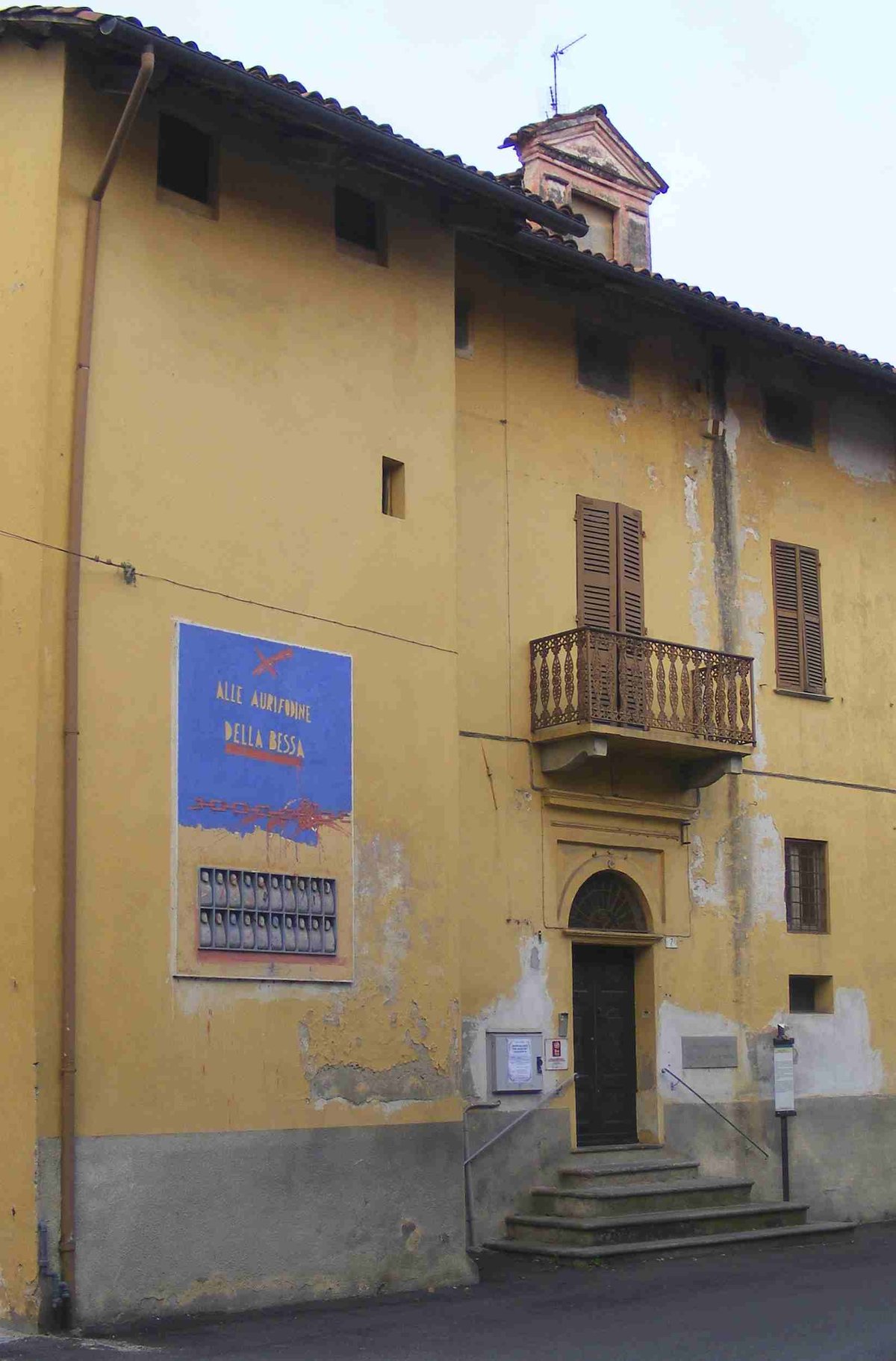 The Gold and Stone Workshop Museum in Vigellio is a hidden gem that tells the story of Biella's goldsmith tradition through a hands-on, engaging approach. Don't expect a traditional museum: here you step into a real workshop where you can still smell the metals and see the original tools used by local artisans. The collection includes gold-bearing minerals from the nearby Elvo and Oropa streams, along with casting and working tools that show how raw materials were transformed into jewelry. Particularly interesting is the section dedicated to Biella's hard stones, such as serpentine and quartz, used to create unique ornaments. The route winds through preserved workbenches, precision scales, and wooden molds for lost-wax casting. You immediately understand that this is not just a place of preservation but a living space where practical demonstrations are occasionally organized. The setup is essential, without frills, just as those seeking authenticity like it. Perfect for anyone wanting to discover a less known but fundamental aspect of local craftsmanship.
Cerreto Castle
- Via Roma, Quaregna Cerreto (BI)
- Open in Google Maps
- View on Google Images
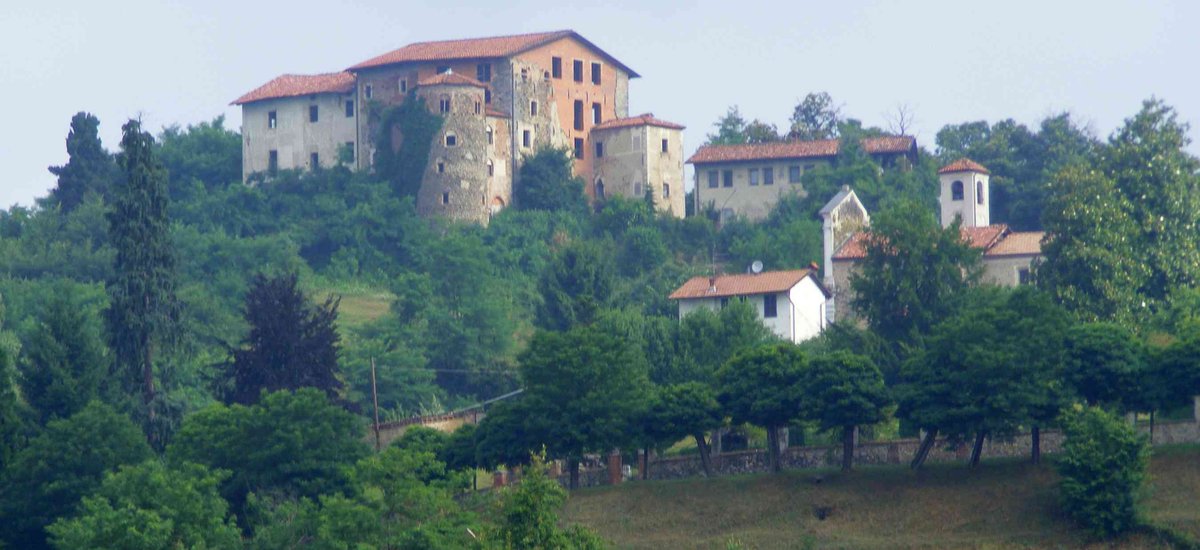 Cerreto Castle stands on a hilltop in Quaregna Cerreto, offering one of the most spectacular views over the entire province of Biella. Built between the 11th and 12th centuries, this manor retains its medieval charm despite later renovations. The structure is organized around a porticoed inner courtyard with brick arches, while the square tower dominates the entire complex. The interior rooms preserve monumental fireplaces and exposed beam ceilings that recount centuries of history. Particularly interesting is the private chapel, dedicated to San Grato, with 15th-century frescoes still visible. The castle is surrounded by a centuries-old park where ancient oaks and rare plants alternate. Today the manor is privately owned but opens to the public on special occasions and for cultural events. The strategic location offers a panorama that stretches from the Biella Prealps to the Vercelli plain. To visit, it's best to check the opening schedule on the municipality's website or contact the Biella tourist office. Access is convenient by car or on foot, with a path starting from the center of Quaregna.
Castellengo Castle
- Via Castello, Cossato (BI)
- https://www.castellengo.it/
- Open in Google Maps
- View on Google Images
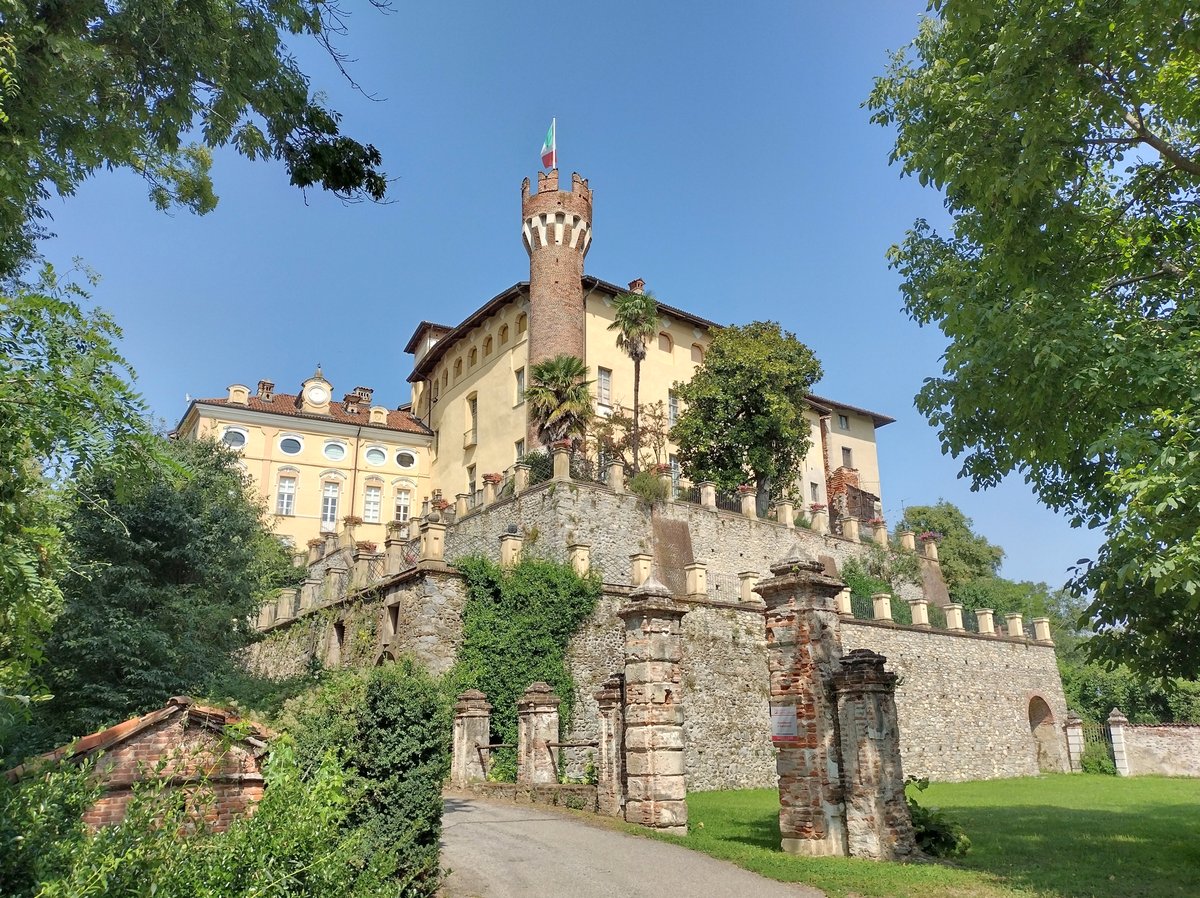 The Castellengo Castle stands on a hilltop in Cossato, overlooking the rolling hills of the Biella province. Built between the 11th and 12th centuries, this medieval stronghold has preserved its original structure with crenellated towers and sturdy walls that tell centuries of history. Once owned by the Avogadro family, the castle is an example of Piedmontese fortified architecture, with well-preserved Romanesque and Gothic elements. Inside, you can admire frescoed halls and period furnishings that evoke the courtly life of the past. The inner courtyard, with its central well, offers a charming atmosphere, perfect for souvenir photos. The castle is surrounded by a centuries-old park, where ancient oaks and chestnut trees provide natural shade, ideal for a relaxing break. Throughout the year, the manor hosts cultural events such as art exhibitions and historical reenactments, bringing the spaces to life with music and costume performances. Its elevated location offers a panoramic view of the Biella Prealps and the surrounding plain—a sight worth the visit alone. Access is possible through guided tours, often organized by reservation, revealing anecdotes and curiosities about the noble family and the castle's transformations over time. A perfect place for history enthusiasts and those seeking a quiet corner away from the crowds.
Monte Barone
- Go to the page: Monte Barone in Coggiola: 360° Panorama over Valsessera and Stone Hamlets
- Strada Vicinale della Pianaccia, Coggiola (BI)
- Open in Google Maps
- View on Google Images
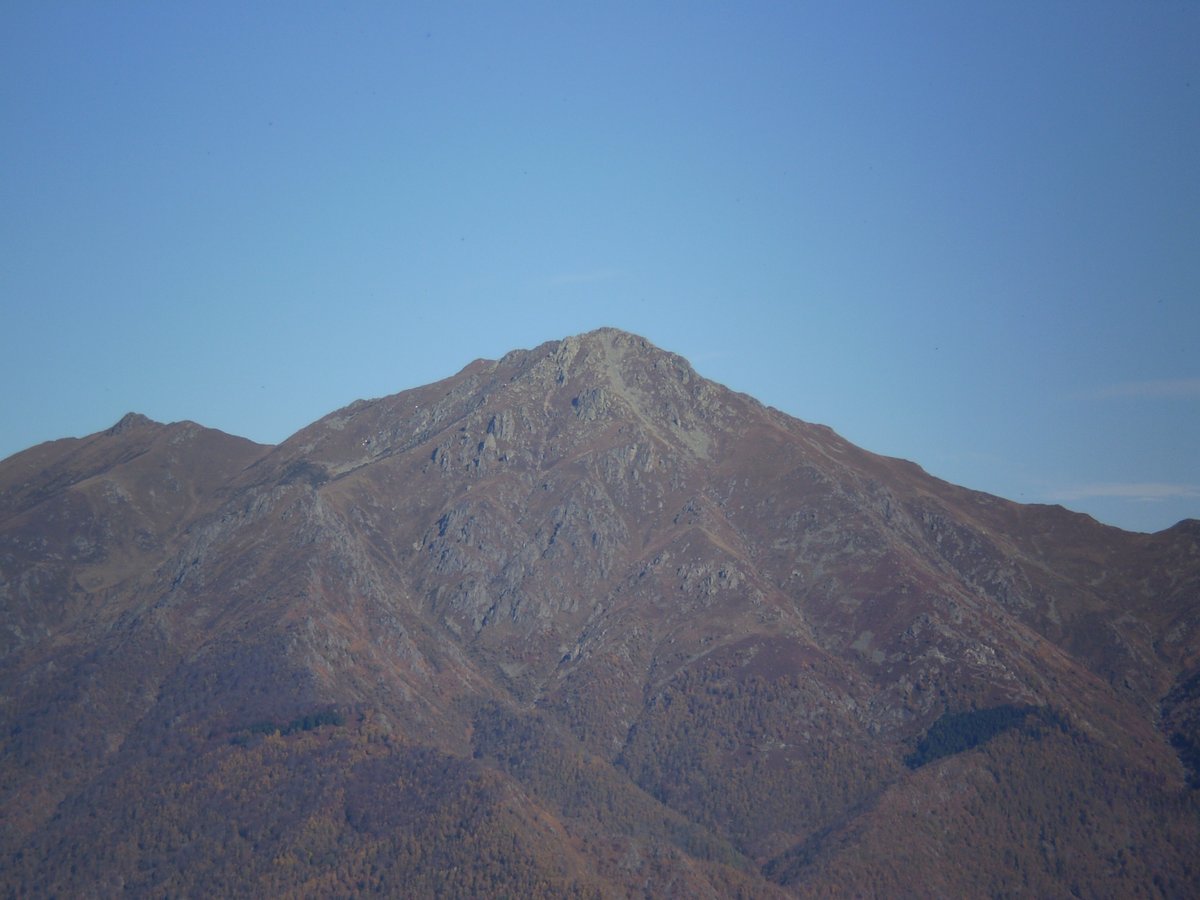 Monte Barone is one of the most accessible and scenic peaks in the province of Biella, located in the municipality of Coggiola. Reachable via a medium-difficulty hike starting from the town center, it offers breathtaking views of the Sessera valley and the surrounding Alps. The well-marked trail winds through beech and fir forests, with steep sections that reward you with a 360-degree panorama at the summit. At 1,211 meters altitude, the peak is a prime spot for observing Monviso, Monte Rosa, and the Biella Prealps. The route is ideal for beginner hikers or families with children used to walking, thanks to its manageable length and lack of technical sections. At the top, besides the metal cross, there are wooden tables for a picnic with a view. I recommend bringing water and a snack, as there are no refreshment points along the trail. Access is free all year round, but in winter, slip-resistant boots are necessary for any icy stretches. For those seeking a short but rewarding hike, Monte Barone is a perfect choice.
Monte Barone
- Go to the page: Monte Barone: the symbolic peak of Valsessera
- Strada Vicinale della Pianaccia, Coggiola (BI)
- Open in Google Maps
- View on Google Images
Monte Barone is one of the most accessible and scenic peaks in the province of Biella, located in the municipality of Coggiola. Reachable via a medium-difficulty hike starting from the town center, it offers breathtaking views of the Sessera valley and the surrounding Alps. The well-marked trail winds through beech and fir forests, with steep sections that reward you with a 360-degree panorama at the summit. At 1,211 meters altitude, the peak is a prime spot for observing Monviso, Monte Rosa, and the Biella Prealps. The route is ideal for beginner hikers or families with children used to walking, thanks to its manageable length and lack of technical sections. At the top, besides the metal cross, there are wooden tables for a picnic with a view. I recommend bringing water and a snack, as there are no refreshment points along the trail. Access is free all year round, but in winter, slip-resistant boots are necessary for any icy stretches. For those seeking a short but rewarding hike, Monte Barone is a perfect choice.Biella Botanical Garden
- Go to the page: Biella Botanical Garden: 400 Alpine Species, Tropical Greenhouse, and Sensory Path
- Strada alla Teleferica, Biella (BI)
- http://www.gboropa.it/
- Open in Google Maps
- View on Google Images
- info@gboropa.it
- +39 015 2523058
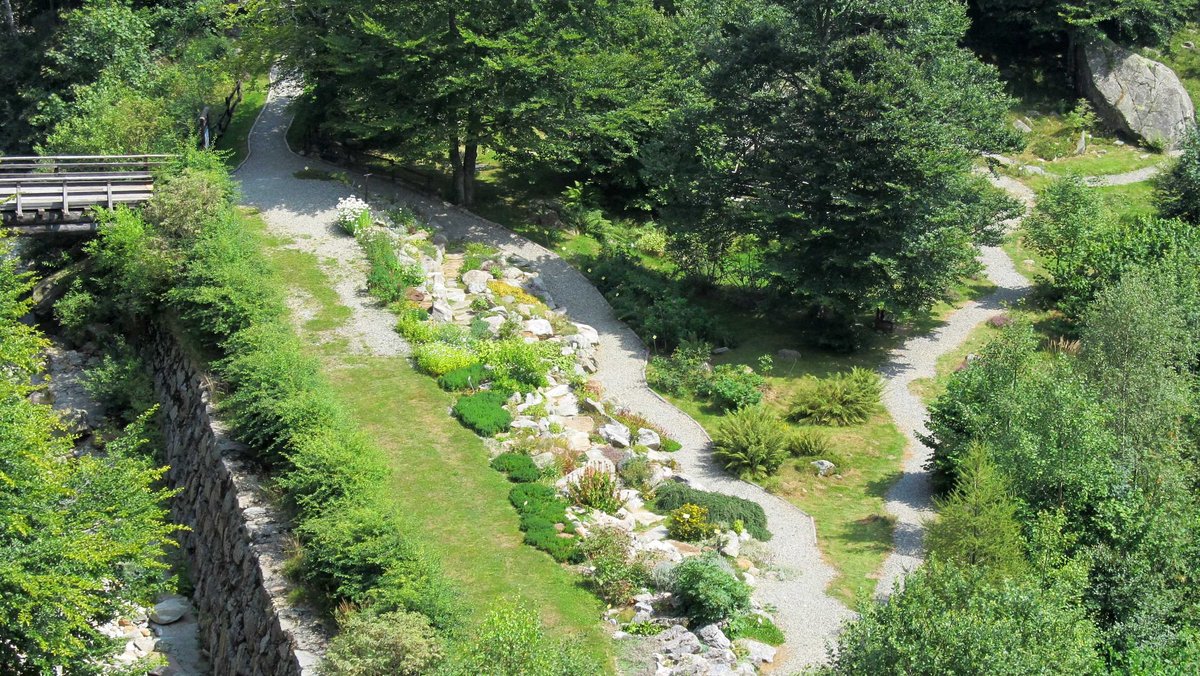 The Biella Botanical Garden is a passionately curated natural corner, located on Via Aldo Moro, just a stone's throw from the historic center. It's not just a park, but a true open-air museum where you can discover native plants and rare species from the Biella region. The collection includes specimens of beech, maple, and oak, as well as an area dedicated to medicinal herbs, with explanatory signs detailing their traditional uses. Strolling along the well-maintained paths, you'll encounter themed flowerbeds and a greenhouse with tropical plants, perfect for a relaxing break. The garden is especially appreciated for its educational workshops aimed at schools and families, turning the visit into an interactive experience. Admission is free, and opening hours vary by season: it's best to check the official website before going. I recommend bringing a water bottle and a camera to capture the most curious details, such as the natural sculptures integrated into the landscape. It's a place to breathe clean air without straying too far from the city, ideal for a relaxing day or for those looking to deepen their knowledge of local botany.
Megalithic Circle of Cavaglià
- Via San Giovanni Bosco, Cavaglià (BI)
- Open in Google Maps
- View on Google Images
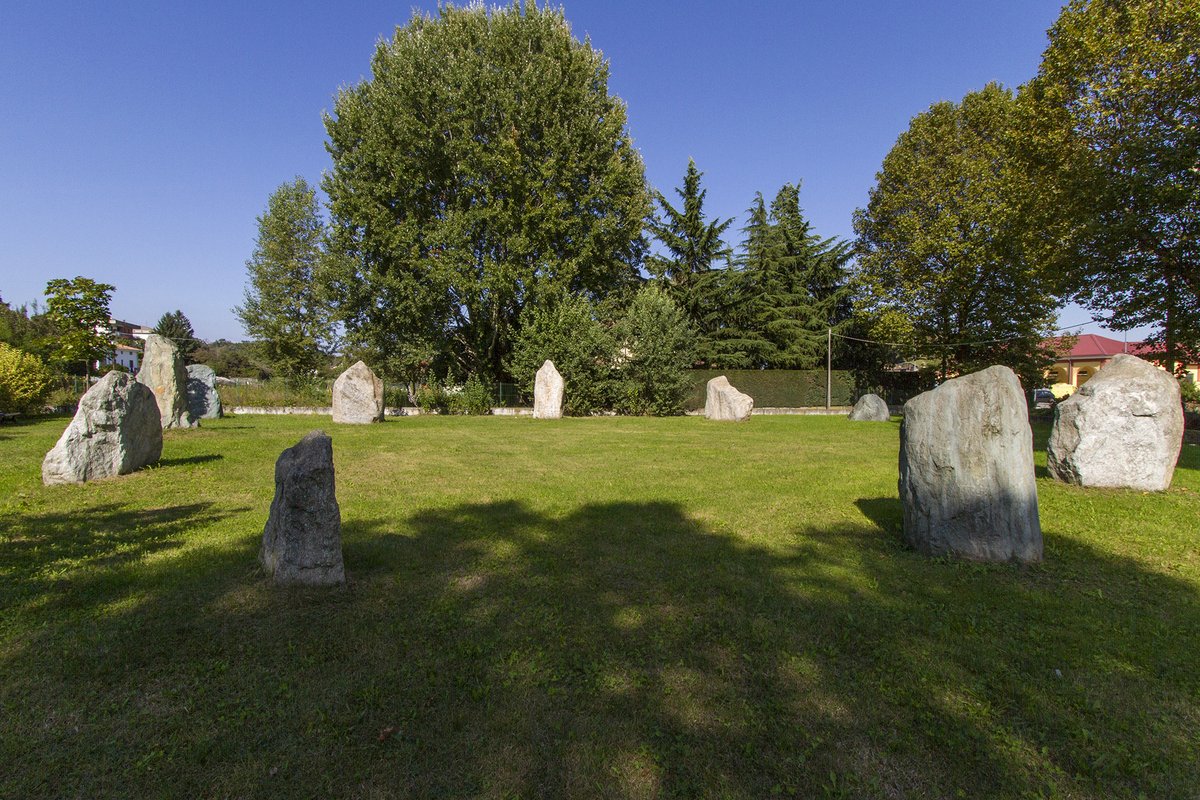 The Megalithic Circle of Cavaglià is one of the most fascinating archaeological sites in the Biella area, a place that transports you directly to the Bronze Age. Discovered by chance during agricultural work, this complex is made up of a series of stones arranged in a circle that form a unique ritual structure. The peculiarity of this circle lies in its strategic position on the morainic hill, from which you enjoy a panoramic view of the surrounding plain. The stones, some of which have cup marks and carvings, suggest an astronomical and ceremonial use. Visiting is an immersive experience: walking among these ancient stones makes you feel the weight of millennia. The site is easily accessible via a well-marked path starting from the center of Cavaglià, perfect for a one-hour walk. There is no entrance fee and you can visit freely at any time of day. Bring a camera because the sunsets here are spectacular, with shadows playing among the megaliths creating magical atmospheres. If you are passionate about archaeology or simply curious to discover an unusual corner of Piedmont, this is a must.
Wheel Factory
- Via Valle Fredda, Pray (BI)
- https://www.docbi.it/modules/smartsection/item.php?itemid=90
- Open in Google Maps
- View on Google Images
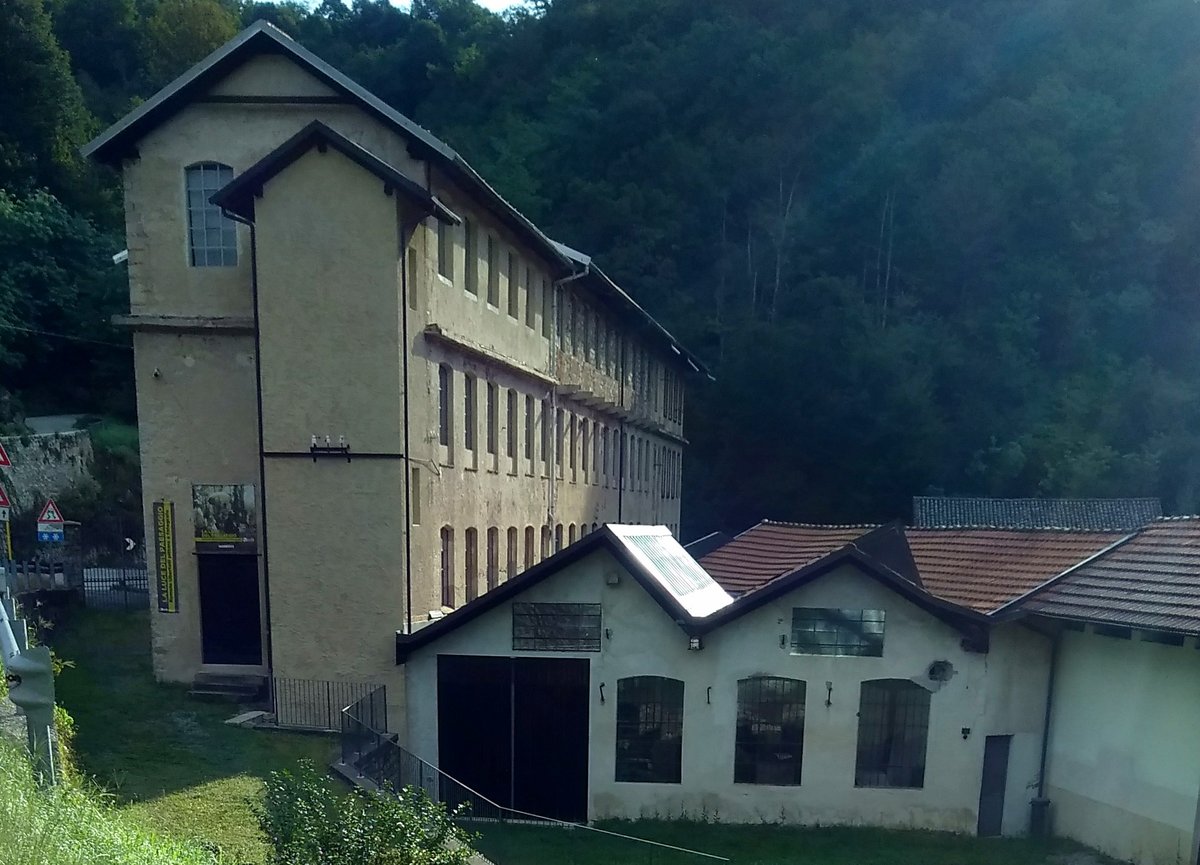 The Wheel Factory in Pray is a place that tells stories of work and ingenuity. This ancient water mill, completely restored, stands along the Cervo stream and preserves its original wooden water wheel intact. Upon entering, you can feel the atmosphere of when grain was ground here for local communities. The original millstones, wrought iron mechanisms, and water collection tanks are still in place, as if time had stood still. The guided tour is an opportunity to discover how a traditional Biellese mill worked, with hands-on demonstrations that engage adults and children alike. The museum pathway also explains the link between water and the industrial development of the area, with educational panels illustrating milling techniques. Outside, the botanical garden along the stream banks offers a peaceful corner, with native plants and a small bridge providing suggestive views. Admission is free, but it is advisable to book for group visits. The mill is active during special events, such as the Threshing Festival, when the millstones turn again. An authentic experience, away from the busiest tourist circuits.
Castello la Rocchetta
- Via Casale, Sandigliano (BI)
- Open in Google Maps
- View on Google Images
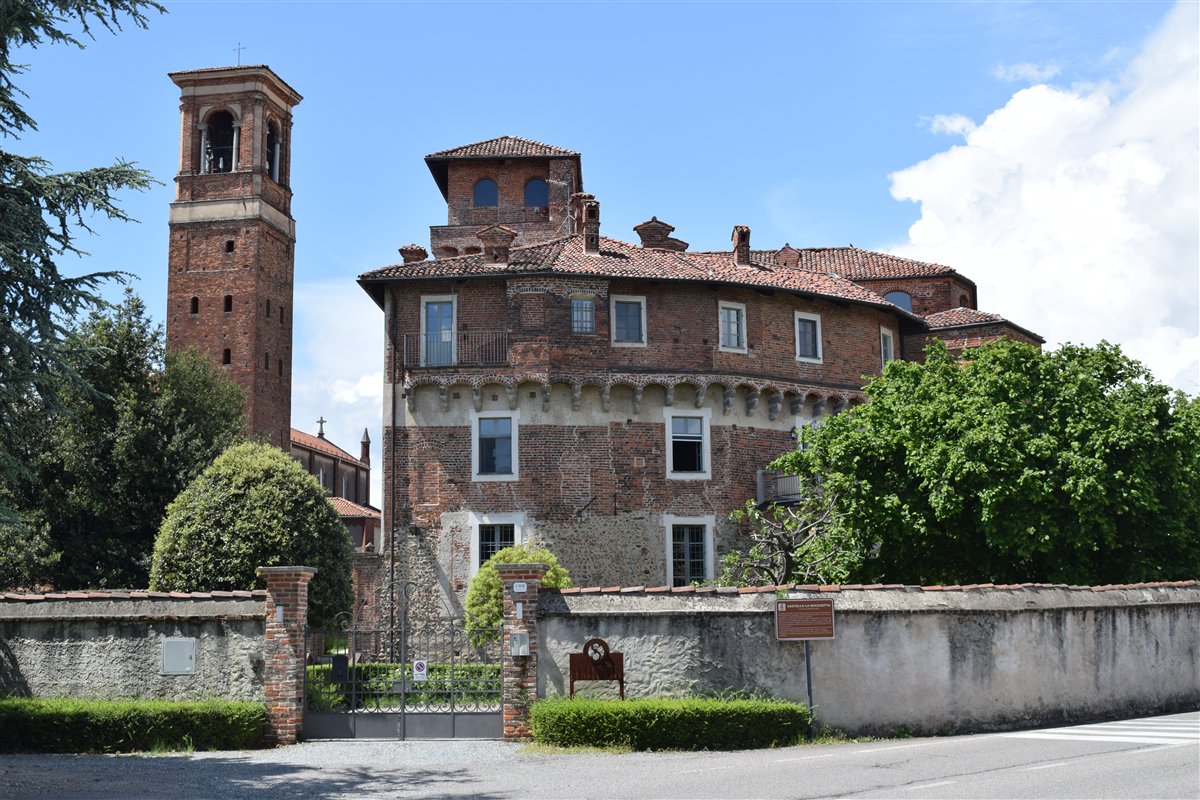 The Castello la Rocchetta in Sandigliano is one of the best-preserved medieval fortresses in the Biellese area. Built between the 13th and 14th centuries, it dominates the plain with its imposing stone and brick structure. Its strategic position on a small hill makes it a privileged vantage point over the surrounding area. Inside, you can admire frescoed halls and monumental fireplaces that tell centuries of local history. The castle is surrounded by a century-old park with tall trees, perfect for a relaxing walk. The quadrangular tower stands out, a symbol of feudal power, accessible during guided tours. Today, the manor often hosts cultural events and weddings, keeping its connection with the community alive. To visit, it is advisable to check the opening hours, which vary according to the season and scheduled events. A perfect place for those seeking an authentic experience, away from the busiest tourist routes.