Brunnenburg in Tirol: Castle with Agricultural Museum and Ezra Pound’s Room

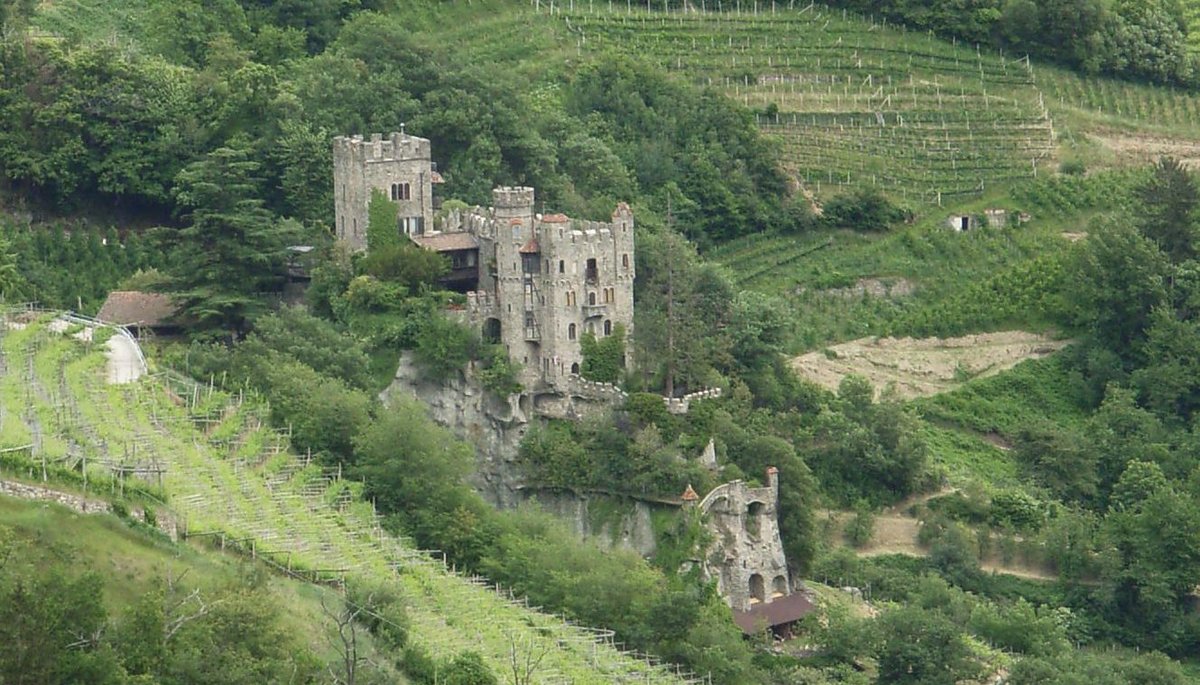
Brunnenburg in Tirol is a medieval castle transformed into a living agricultural museum, featuring a collection of farming tools and the room of poet Ezra Pound. It offers an authentic perspective on rural life in South Tyrol and the literary history of the twentieth century, with a breathtaking view of the valley.

  • Unique agricultural museum with authentic tools like wooden plows and apple presses.
  • Ezra Pound’s room preserved as it was, with the poet’s desk and personal items.
  • Panoramic view of the Adige Valley and Merano from the rocky spur.
  • Family-run management that shares personal anecdotes, creating an authentic and intimate atmosphere.

Copertina itinerario Brunnenburg in Tirol: Castle with Agricultural Museum and Ezra Pound's Room
Brunnenburg is a medieval castle above Tirol that houses an agricultural museum with authentic farming tools and the preserved room of poet Ezra Pound. Panoramic view of the Adige Valley.

Good to know


Introduction

Brunnenburg is not just a medieval castle; it’s a place that immediately makes you feel part of Tyrol’s history. Perched on a rocky spur above Tirolo, with breathtaking views of the Adige Valley and the rooftops of the village below, this manor welcomes you with its authentic and intimate atmosphere. The sensation is that of entering a home still alive, where every stone tells centuries of agricultural and cultural life. Don’t expect a cold, distant museum: here you breathe the soul of the place, among ancient walls, farming tools, and traces of an American poet who chose this refuge for his final years. It’s precisely this unique combination of agriculture, history, and literature that makes Brunnenburg special.

Historical Background

The history of Brunnenburg begins in the 13th century, when it was built as a fortified residence for the noble Fuchs von Fuchsberg family. For centuries it served as an agricultural center in the area, until 1959 when it was purchased by the family of American poet Ezra Pound. His daughter, Mary de Rachewiltz, transformed it into an agricultural museum, saving it from decay. Today the castle is managed by the family and maintains its dual character: on one hand it showcases South Tyrolean rural life, on the other it preserves the room where Pound lived and worked.

  • 13th century: Construction of the castle by the Fuchs von Fuchsberg family.
  • 1959: Purchase by Ezra Pound’s family.
  • Second half of the 20th century: Transformation into an agricultural museum and preservation of the poet’s legacy.
  • Today: Family-run as a living museum.

The Agricultural Museum: A Dive into Rural Life

Visiting the Brunnenburg Agricultural Museum means taking a tangible journey into the daily life of South Tyrol’s farming past. These are not just objects displayed in cases, but authentic tools used for centuries in the valley: from the wooden plough to apple presses, from flax processing implements to sleds for mountain transport. The collection, passionately assembled by Mary de Rachewiltz, is organized to immediately convey the cycles of the seasons and the work of the fields. The reconstructed environments stand out, such as the ‘black kitchen’ with its central hearth, which directly transports you to an era where everything was produced at home. It’s a section that fascinates adults for its authenticity and children for its tangible nature.

Ezra Pound’s Room: A Sanctuary for Poetry

Ascending to the upper floor leads to a completely different yet equally evocative space: the room that once belonged to Ezra Pound. The American poet lived here from 1958 to 1972, finding in this Tyrolean castle a place of tranquility and inspiration. The room has been preserved as it was, with its desk, books, photographs, and personal belongings. It is not a sterile museum reconstruction, but an intimate corner that retains the atmosphere of its inhabitant. Reading his poems while gazing out the window at the same landscape that inspired many of his verses is a unique experience. This blend of rural culture and 20th-century literature is what makes Brunnenburg a place without equal in South Tyrol.

Why Visit It

Brunnenburg is worth visiting for three concrete reasons. First, it’s a living, family-run museum, where you often meet descendants who share personal anecdotes. Second, it offers an authentic perspective on local history, far from the usual tourist clichés: here you understand how life truly was in a rural court. Third, the combination of agriculture and literature is rare: in one hour, you go from haymaking tools to the desk of a modernist poet, a contrast that sparks curiosity for everyone, from families to culture enthusiasts.

When to Go

The most enchanting time to visit Brunnenburg is early afternoon on a late spring or early autumn day. The warm sunlight perfectly illuminates the castle stones and the valley below, creating a magical atmosphere. During these seasons, with the mild climate, you can fully enjoy the approach walk and the panoramic views. Avoid the midday hours on the hottest summer days, when the heat can make the climb less pleasant. In winter, if the castle is open, the atmosphere is cozy and intimate, perfect for immersing yourself in history.

In the Surroundings

A visit to Brunnenburg can easily be combined with other thematic experiences in Tirolo. Just a few minutes’ walk away is Castel Tirolo, home to the Provincial Historical-Cultural Museum, which delves into the medieval history of the region with artifacts and exhibitions. For a contrast with rural life, head to the nearby Trauttmansdorff Castle Gardens in Merano, with its botanical trails and exotic greenhouses—an immersive sensory experience in nature. Both sites perfectly complement the historical and landscape picture of the area.

💡 Did You Know…?

The visit to Brunnenburg offers a touching and little-known detail: Ezra Pound’s room. The poet lived here in the last years of his life, as a guest of his daughter Mary and son-in-law. The room is preserved as it was, with his desk, books, and personal belongings. It’s a corner of intimacy that tells of Pound’s deep connection to this place, where he found refuge and inspiration, far from the world’s clamor. A fragment of world literary history set within the walls of a South Tyrolean castle.