Grinzane Cavour Castle: Wine Cellar with 300 Wines and Literary Award in the Langhe

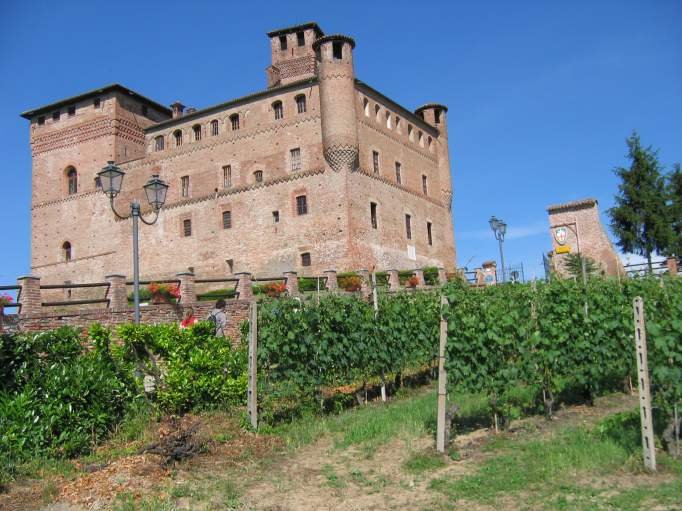
Grinzane Cavour Castle, the historic residence of Camillo Benso Count of Cavour, blends history, literature, and winemaking in the heart of the UNESCO-listed Langhe. It houses the Piedmont Regional Wine Cellar with over 300 local labels and the prestigious Grinzane Cavour Literary Award. The visit offers breathtaking views over the Barolo and Barbaresco vineyards, with historic cellars that narrate centuries of winemaking tradition.

  • Regional Wine Cellar with over 300 Piedmontese wine labels
  • Grinzane Cavour Literary Award, a nationally significant cultural event
  • Historic cellars with tastings of Barolo DOCG and local wines
  • Views over the UNESCO-listed Langhe hills


Events nearby


Copertina itinerario Grinzane Cavour Castle: Wine Cellar with 300 Wines and Literary Award in the Langhe
Visit the medieval Cavour Castle with historic cellars, Barolo tastings, and the renowned Literary Award. UNESCO vineyard views.

Good to know


Introduction

The Castle of Grinzane Cavour dominates the Langhe hills with its unmistakable silhouette, a blend of medieval and Renaissance architecture that tells centuries of Piedmontese history. It’s not just a monument, but a living symbol: here, within these walls, Camillo Benso, Count of Cavour, personally managed his wine estates, uniquely combining politics and agriculture. Today, the castle hosts the Grinzane Cavour Literary Prize, attracting writers and readers from all over Italy, transforming a historic site into a cultural crossroads. The panoramic view over the surrounding vineyards, especially at dawn or dusk, offers intense emotions, with the rows of vines stretching as far as the eye can see towards Alba and the nearby hills. Visiting means immersing yourself in an atmosphere where past and present merge, perfect for those seeking authenticity without sacrificing beauty.

Historical Overview

The castle’s origins date back to the 13th century, when it was built as a defensive fortress, but its golden age arrived in the 19th century with Camillo Benso, Count of Cavour, who purchased it and transformed it into a cutting-edge agricultural center, experimenting with winemaking techniques that influenced the entire region. In 1967, the castle became home to the Grinzane Cavour Literary Prize, an event that made it nationally famous. Today, it is publicly owned and open to visitors, with rooms preserving period furnishings and historical documents.

  • 13th century: construction as a medieval fortress
  • 19th century: acquisition and renovation by Cavour
  • 1967: establishment of the Grinzane Cavour Literary Prize
  • Today: active museum and cultural hub

The Wineries and Wine

The historic cellars of the castle are a gem for wine enthusiasts, with wooden barrels storing local wines like Barolo and Dolcetto, produced in the surrounding vineyards. This is not just a simple cellar: Cavour himself promoted innovations in winemaking here, and today visitors can taste selected labels, often accompanied by explanations of traditional Langhe techniques. Guided tours frequently include tastings of Barolo DOCG, with notes on how the terroir influences the flavor. It’s a hands-on experience that combines history and taste, ideal for those who want to understand why this area is world-famous. The cellars are accessible year-round, but in autumn, during the harvest, the atmosphere is particularly vibrant.

The Literary Award

The Grinzane Cavour Literary Award is not just an event, but an institution that has animated the castle for decades, attracting Italian and international authors. It takes place every year, usually in spring or autumn, with ceremonies that fill the halls with discussion and creativity. Visitors can sometimes attend readings or meetings, even outside the award period, thanks to collateral initiatives. This cultural aspect makes the castle a dynamic place, where literature dialogues with history, offering unique insights compared to other similar monuments. It’s an additional reason to plan a visit, especially if you love writing or are looking for a corner of reflection among the hills.

Why Visit It

Visiting Grinzane Cavour Castle is worthwhile for three concrete reasons: first, the panoramic view over the Langhe region, which alone justifies the trip, with photogenic vistas in every season; second, the opportunity to taste local wines directly in the cellar, an authentic experience that connects history and oenology; third, the chance to immerse yourself in a culturally vibrant place, thanks to the Literary Prize and related events, which distinguish it from purely museum-like castles. It’s ideal for those seeking a mix of beauty, taste, and entertainment, without having to travel long distances.

When to Visit

The most enchanting time for a visit is autumn, when the vineyards turn shades of red and gold, and the crisp air makes walks in the surrounding area delightful. During this season, events related to the grape harvest or the Literary Prize often coincide, adding a touch of liveliness. The sunset hours are also magical, with the light gently caressing the ancient stones and creating unforgettable atmospheres. Avoid days of heavy rain, as the outdoor paths can be slippery, but generally, the castle is accessible year-round at its own pace.

In the Surroundings

Just a short drive away, Alba, the capital of the Langhe region, offers a medieval historic center with towers and gourmet food markets, perfect for continuing your exploration of the area. Another recommended stop is the Fontanafredda Estate in Serralunga d’Alba, with its wineries and nature trails that complement the wine experience. Both locations are easily accessible and enrich your trip with additional cultural insights and delicious discoveries.

Itineraries nearby


💡 Did You Know…?

In 1978, the castle became home to the Grinzane Cavour Award, one of Italy’s most prestigious literary prizes, which has featured authors such as Umberto Eco and Margaret Atwood. Legend has it that Cavour himself planted the first Nebbiolo vine cuttings in the surrounding lands, initiating the Piedmontese wine revolution. The medieval dungeons still preserve the ancient wooden presses used for wine production.