Introduction
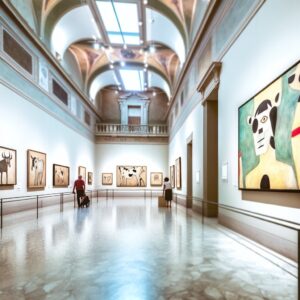
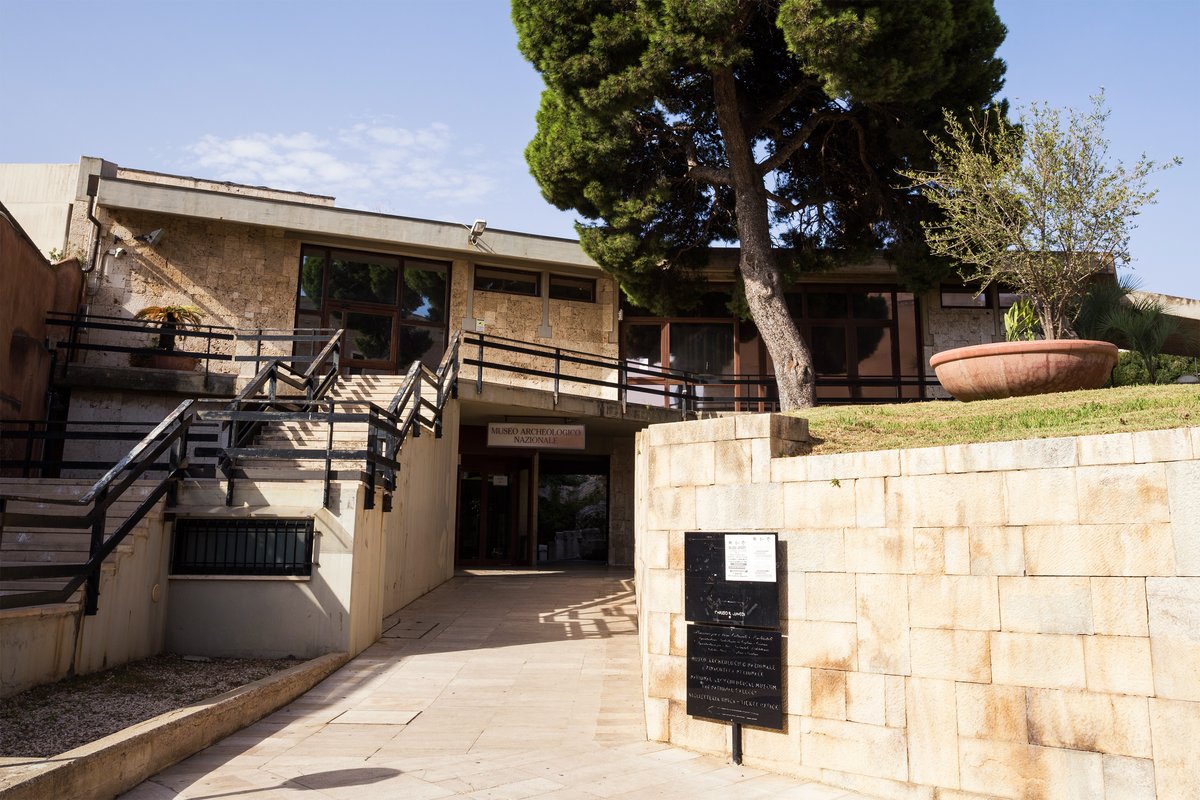
As soon as you cross the threshold of the National Archaeological Museum of Cagliari, you are greeted by a silence thick with stories. It’s not just a museum; it’s a journey back in time that takes you by the hand. The natural light filtering through the large windows illuminates artifacts that almost seem to speak, telling tales of distant civilizations. The feeling is like walking through the pages of a living history book, where every display case hides a secret. The location itself, within the Cittadella dei Musei, adds a touch of grandeur. Personally, I lost myself observing the details of the Nuragic statuettes—there’s a precision that takes your breath away. It’s a place you don’t expect to be so engaging, especially if you think of museums as dusty places.
Historical Overview
The museum has a complex history that began in the 19th century, when its collections were scattered across various buildings.
The current location in the Cittadella dei Musei was inaugurated in 1993, after decades of planning and relocations. Prior to that, the most important artifacts were housed in places like the University or the City Palace. The real turning point came with the scientific reorganization of the collections, which allowed unique pieces such as Nuragic bronzes or Phoenician ceramics to be properly showcased. I discovered that some objects were found during urban excavations in Cagliari almost by chance—imagine what stories might be hidden beneath our feet! The timeline below gives you a clear idea of the key milestones.
- 1800s: First archaeological collections scattered throughout the city
- 1993: Opening at the current location in the Cittadella dei Musei
- 2000s: Reorganization and expansion of exhibition halls
The Giants of Mont’e Prama
One of the rooms that struck me the most is the one dedicated to the Giants of Mont’e Prama, Nuragic statues discovered in the 1970s in a field near Cabras. They stand over two meters tall and have enigmatic faces, with concentric circle eyes that seem to gaze at you from millennia ago. They are not just stones—they tell of a civilization that sculpted its spirituality with incredible mastery. The museum’s arrangement makes them appear almost like a silent procession. I read that they are among the oldest examples of full-round statuary in the Mediterranean, and seeing them up close helps you understand why. It’s an experience that stays with you, especially when you consider that they were reassembled from thousands of fragments. Some say they represent warriors or ancestors, but in my opinion, they have a mysterious aura that leaves room for imagination.
The Phoenician-Punic Collection
If you appreciate artisanal details, don’t miss the Phoenician-Punic section. Here, the terracotta masks and amulets stand out—small objects that reveal a culture rich in trade and symbolism. I lingered over a mask with an almost mocking smile—wondering who it belonged to and what stories it witnessed. The Phoenicians, who founded Karaly (ancient Cagliari), left traces of daily life that are surprisingly vivid, such as perfume vessels or coins with intricate engravings. The jewelry display is a treasure trove of curiosities, with pendants and bracelets that look modern despite their age. This corner of the museum shows how the past can be extraordinarily alive, making you appreciate the skill of artisans who worked without today’s technologies. Personally, I find these rooms give a human face to history, far from grand events.
Why Visit It
Visiting this museum is worthwhile for at least three concrete reasons. First, it’s a concentration of Sardinian history in one place – from the Nuragic to the Roman era, without having to travel around the island. Second, the captions are clear and accessible, perfect even if you’re not an expert (I’m not, and I understood everything!). Third, the layout is modern and engaging, with lights and pathways that guide you without making you feel lost. Additionally, there are often temporary exhibitions that delve into specific themes, like recently one on daily life in Roman times. It’s a place that suits both a quick visit, perhaps to see the most famous pieces, and a slower exploration. And, last but not least, the staff are available to share anecdotes – once a guide explained to me the story of a bronze figurine found in a private garden!
When to Go
The best time? A winter afternoon, when the low sunlight streams through the windows and creates shadow plays on the statues. In summer, it can get crowded, especially during peak hours – early morning or near closing time are better, when the atmosphere is more intimate. I’ve noticed that in spring and autumn, there’s moderate foot traffic, ideal for enjoying the rooms at a leisurely pace. I’d avoid days of heavy rain, not because of the museum itself (it’s indoors!), but because the surrounding area can be damp and less pleasant to reach. A personal tip: if you go on a Saturday, there’s often a livelier vibe, with families and curious visitors animating the spaces. But generally, any time is good – the important thing is to take your time to savor the details, without rushing.
In the Surroundings
After the museum, I recommend exploring the Castello district, the ancient part of Cagliari perched on a hill. It’s just a short walk away, and among its cobblestone alleys and historic buildings, you can see the Pisan walls and towers that tell stories of other eras. Another thematic experience is the visit to the Roman Amphitheatre, also within the city – it’s not huge, but walking among the ruins where performances once took place gives you a tangible sense of Roman Cagliari. If you’re in the mood for some greenery, Monte Urpinu Park offers a panoramic view of the city and the sea, perfect for reflecting on what you’ve seen at the museum. These are all places that complete the historical picture without needing to venture far.