
The Trieste Campo Marzio Railway Museum is currently closed for restoration, but its story deserves to be told. Housed in the former Art Nouveau station built between 1901 and 1906, the museum collects memorabilia, models, and historic rolling stock that testify to the railway evolution of Friuli-Venezia Giulia. Despite the closure, the redevelopment project will transform it into a national railway museum, complete with a themed hotel and a panoramic restaurant. Here’s what makes it special:
• Art Nouveau station from 1906 rich in Central European atmosphere, used as a film set.
• Collection of steam locomotives, electric engines, and vintage trams, including a German armored vehicle from World War II.
• Models and dioramas reconstructing historic railway lines, such as the Opicina junction of 1910.
• Future national museum with reopening expected between late 2026 and early 2027.
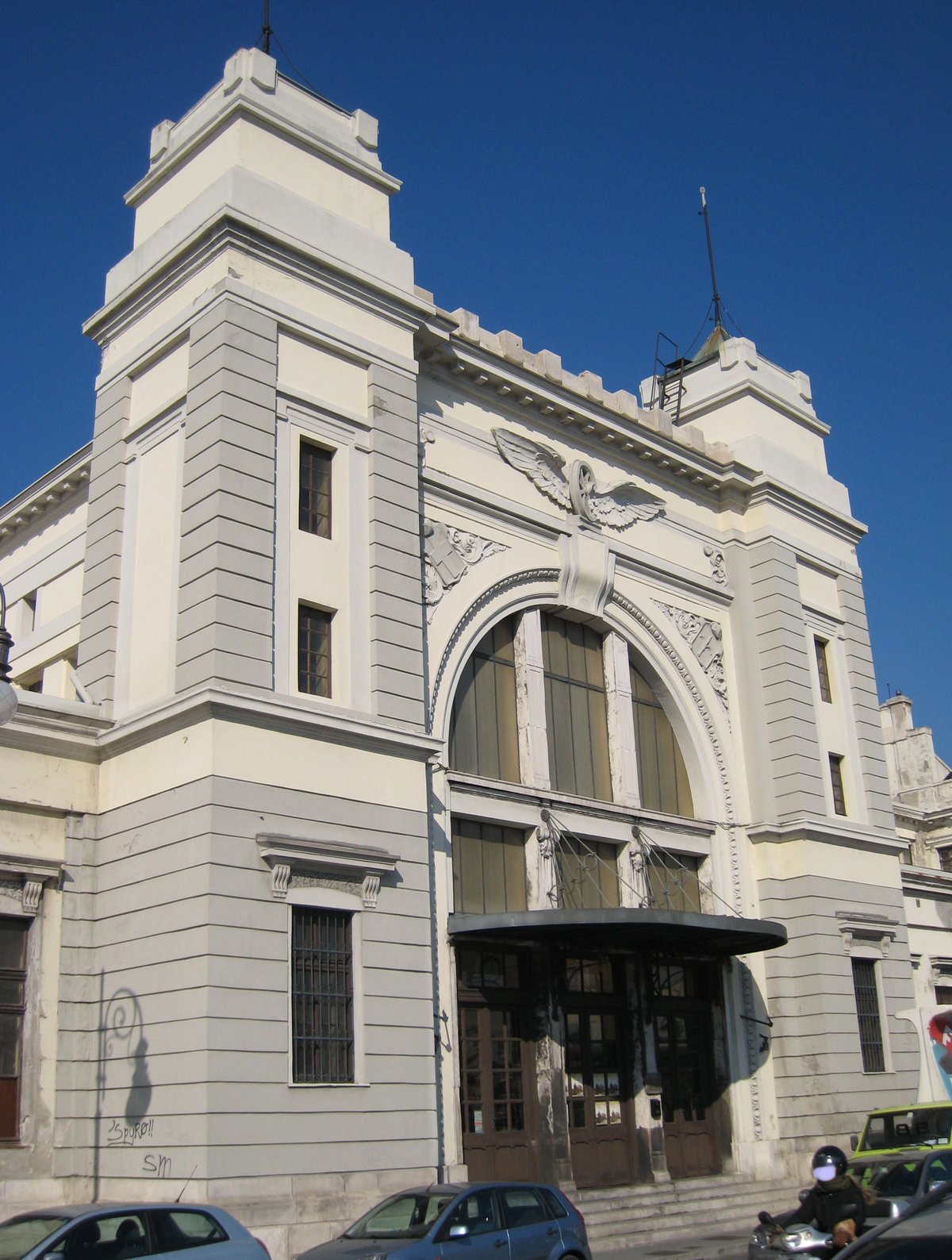
The Trieste Campo Marzio Railway Museum has been closed to the public since 2017 for major restoration. Discover the history of this Art Nouveau station-museum and what’s coming with the reopening planned for 2027.
- http://www.museoferroviariotrieste.it/
- Via Ottaviano Augusto 20, Trieste (TS)
- Open in Google Maps
- View on Google Images Museo ferroviario (closed) a Trieste
Good to know
Introduction
Historical Notes
- 1906: Inauguration of Trieste Campo Marzio station
- 1958: Closure to passenger traffic
- March 8, 1984: Opening of the railway museum
- July 18, 2017: Closure for restoration
- 2026/2027: Planned reopening as National Railway Museum
A Liberty-Style Museum Station
The Collection and Historic Rolling Stock
Why Visit
When to Go
Nearby
Itineraries nearby


💡 Did You Know…?
Did you know that Campo Marzio station has been a film set multiple times? Its Art Nouveau hall has served as a backdrop for period films, and along the tracks you can still see traces of historic trains and the famous Orient Express, which will stop here again after the reopening. A curious anecdote: during the restoration work, the steel and glass truss from 1906, demolished in 1942, was rebuilt, offering a stunning visual experience for future visitors.