Trieste Railway Museum: Steam Locomotives and Historical Relics

The Trieste Railway Museum, currently closed, was a specialized museum that told the story of railway evolution through unique, perfectly preserved pieces. It offered an immersive experience in the history of rail transport, with particular attention to the connection between Trieste, its port, and European traffic. For information on possible reopenings, consult the official website or local sources.

Copertina itinerario Trieste Railway Museum: Steam Locomotives and Historical Relics
The Trieste Railway Museum, located in the Central Station area, displayed steam locomotives like the Gr. 740, vintage carriages, and original work tools. It narrated over a century of railway history and Trieste’s role as a European crossroads.

Good to know


A Museum Where You Can Hear the Train’s Whistle

The Trieste Railway Museum is not just a collection of old trains, but a true journey through time that catapults you into the golden age of railways. Walking among the perfectly preserved steam locomotives gives you a unique emotion, especially when you realize that these steel giants once traveled the routes that shaped Trieste’s history. The atmosphere is that of a workshop frozen in time, with that characteristic smell of oil and metal that seems to tell stories of engineers and travelers. I was particularly struck by how some carriages have been restored with meticulous care, even preserving the original interior details. Unfortunately, the museum has been closed for some time, but those fortunate enough to have visited it still remember the feeling of almost being able to touch history.

From Steam Engines to Diesel

Trieste’s railway history is closely linked to the development of the port and trade with Central Europe. The museum was established in 1984 thanks to the efforts of enthusiasts and former railway workers who saved rolling stock from decay and certain demolition. Among the most significant pieces were the 740.423 steam locomotive, a symbol of early 20th-century Italian railways, and the ALn 772 railcar that connected Trieste to Venice in the 1960s. The collection visually narrated the technological evolution from the first steam trains to modern electric railcars.

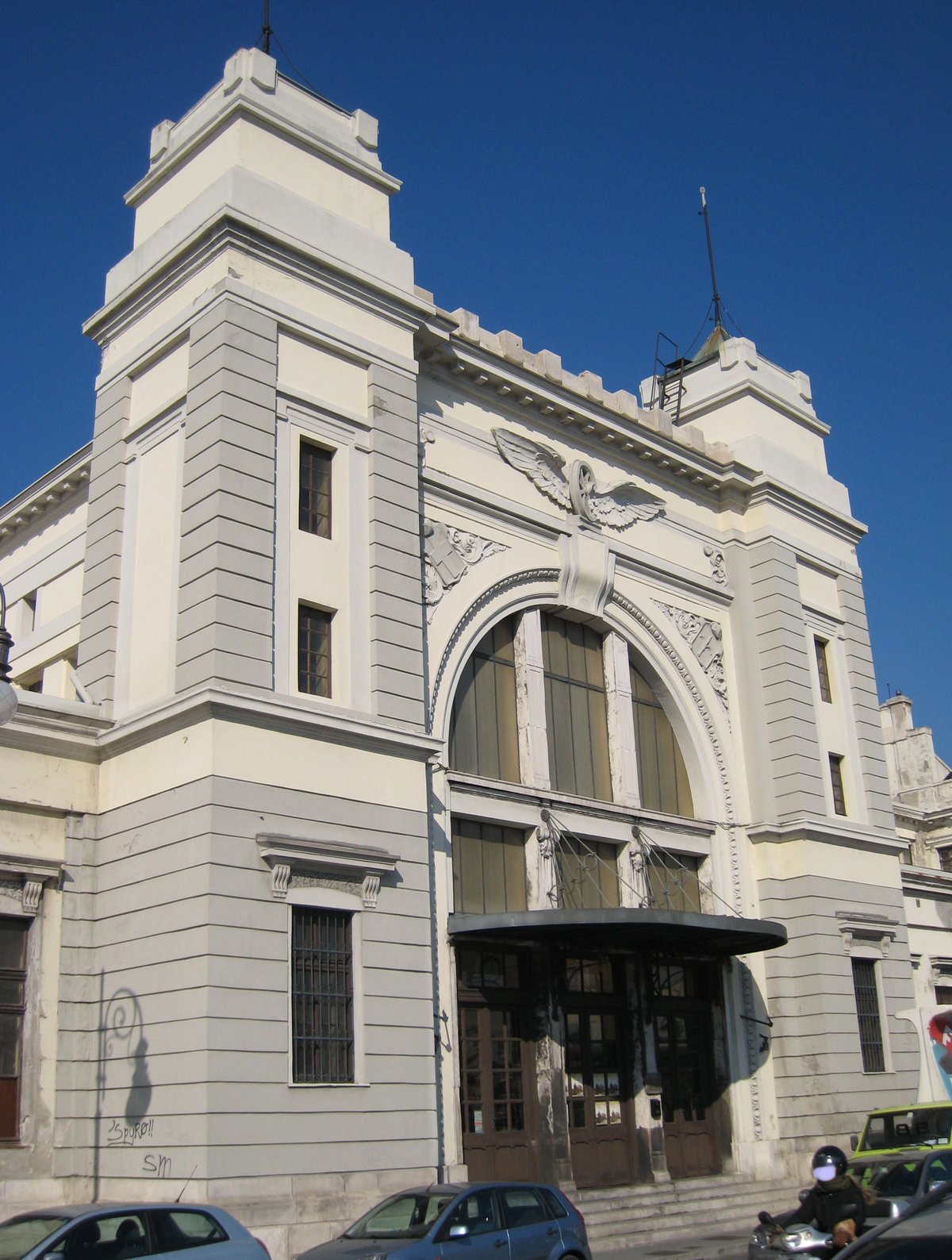
  • 1906: Inauguration of Trieste Campo Marzio station
  • 1984: Official opening of the Railway Museum
  • 2000-2010: Peak activity period with guided tours
  • Around 2015: Closure to the public due to structural issues

The Steel Giants That Tell Stories

What made this museum special was the opportunity to physically approach the locomotives, not just view them from a distance. I still remember the feeling of stepping onto the footplate of a 1930s steam engine, touching the brass controls worn by time, and imagining the engineer monitoring pressure and temperature. Children (and not only children) were thrilled by the restored presidential carriage, with its fine wood interiors and original glass. Each piece had its own plaque with its history: which line it came from, when it was retired from service, what restorations it had undergone. It wasn’t a sterile exhibition, but felt more like a garage where these old trains were waiting to get back on track. The lack of physical barriers created a rare intimacy for a museum.

The Details That Make the Difference

Beyond the main locomotives, the museum housed a meticulously catalogued collection of railway memorabilia that told the story of daily life on the rails. There were the original stationmaster’s lanterns, train identification plates, even handwritten travel logs with schedules. I’ve always been fascinated by the corner dedicated to communication tools: from the first telegraphs to the radios of the 1970s. The displayed railway workers’ uniforms showed the evolution of service attire through the decades, with those characteristic hats that seem straight out of a black-and-white film. These seemingly minor objects were what truly gave an idea of how the railway world functioned, more so than the locomotives themselves.

Why It Would Have Been Worth Visiting

First: it was one of the few railway museums in Italy with fully operational equipment, not just on display. Some locomotives were fired up during special events, offering the unique spectacle of steam billowing from their smokestacks. Second: the location in the former Campo Marzio depot added authenticity, as the trains were parked exactly where they were once repaired and maintained. Third: the guides were often former railway workers who shared personal anecdotes, turning the visit into a chat among enthusiasts rather than a lecture. You could discover curiosities like why certain locomotives had feminine names or how steam trains handled snowfall on Alpine passes.

The Perfect Time for a Dive into the Past

Unfortunately, we can no longer discuss when to visit, but those who have been there recall that autumn days with that low, slanting light were magical. The low sun illuminated the sides of the locomotives, creating shadow plays that accentuated the shapes of these steel giants. In winter, when it was cold, the atmosphere of the depot became even more evocative; one could almost imagine the railway workers laboring under shelter while the bora wind raged outside. Early mornings were ideal for enjoying the collection in relative solitude, hearing only the echo of one’s own footsteps on the original stone floor. A piece of advice I often heard: go after a rain, when the scent of wet stone mingled with that of metal.

What to see nearby

If you’re interested in the history of transportation, just a stone’s throw away is the Postal and Telegraph Museum of Mitteleuropa, which tells the story of communications in the Trieste area with a surprising collection. For an active railway experience, you can take the historic train from Trieste Centrale to Villa Opicina, a panoramic route offering breathtaking views of the gulf. Trieste Campo Marzio station itself is worth a stop: the Art Nouveau building is an architectural gem that seems frozen in time, with its still-functioning clocks and original ticket offices. If you want to continue the historical theme, the Diego de Henriquez War for Peace Museum offers another perspective on local history.

Itineraries nearby


💡 Did You Know…?

A fascinating detail: the museum housed a 1912 steam locomotive used on the Trieste-Opicina line, one of the steepest railways in Europe, with a 26% gradient. This line, still active today as a historic tram, was called ‘the railway of 100 days’ for the record-breaking construction times during the Austro-Hungarian Empire. Engineers recounted that driving that train required a particular skill, almost an art, to navigate the tight curves and sudden changes in elevation.